Published: 02 June 2026. The English Chronicle Desk. The English Chronicle Online.
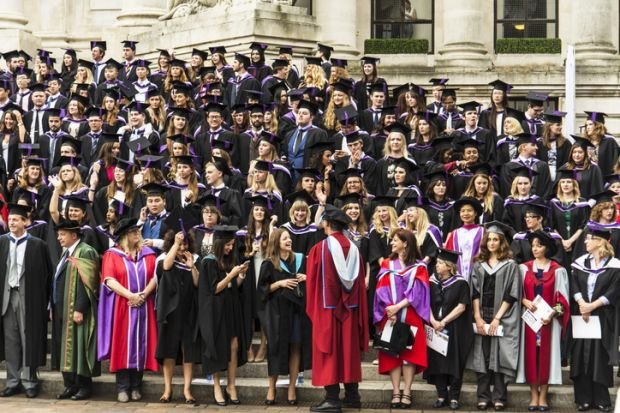
For several generations, the path to a successful career in the United Kingdom was framed by a near-universal consensus: finish secondary school, earn a university degree, and unlock a future defined by professional stability and superior earning potential. This narrative of the “graduate premium” was the bedrock of the UK’s higher education expansion, transforming universities from elite institutions catering to a small percentage of school leavers into engines of mass education that now enroll more than two million domestic students. Yet, beneath the veneer of this decades-long expansion, a quiet but profound shift in public perception has been brewing. According to the latest British Social Attitudes (BSA) survey, the once-unquestioned value of a degree is being radically reappraised, with a third of the public now firmly believing that a university education is no longer worth the substantial investment of time and money.

The scale of this disillusionment is striking. When the BSA survey first tracked these attitudes in 2005, only 14% of respondents were skeptical about the value of a degree. By 2025, that figure has more than doubled to 34%. Even more telling is the erosion of faith in the financial benefits of higher education; the proportion of people who believe that graduates will end up significantly better off financially than their non-graduate peers has nosedived from 50% to just 36%. This plummeting confidence is not a reaction to a single event but rather the cumulative result of a shifting economic landscape, the ballooning costs of tuition, and the daunting reality of long-term student debt.
The transformation of the UK higher education system since the 1980s has been nothing short of tectonic. In 1983, when the BSA survey began, university attendance was a path chosen by approximately 6% of school leavers. By 2025, that figure reached 36%. While this expansion broadened access to knowledge, it also fundamentally altered the financial contract between the student and the state. Following the introduction of tuition fees in 1998, the cost of an undergraduate degree in England has soared to nearly £9,535 per year, excluding living expenses. For the current generation of students, a degree often arrives burdened with a debt level that was virtually unimaginable to their predecessors.
The survey reveals that younger graduates—those who have navigated the modern fee-based system—are significantly more disillusioned than older generations who benefited from state-funded tuition or lower costs. This frustration is exacerbated by the stagnant nature of repayment thresholds. Despite earlier promises to uprate these thresholds in line with inflation, they have been frozen repeatedly, with further freezes mandated through 2027. Combined with interest rates that often exceed the rate of inflation, the psychological and financial weight of these loans has become a major source of anxiety for young professionals. Many now find themselves staring down a mountain of debt that appears to grow faster than their ability to pay it back, regardless of their career progress.
Industry voices remain defensive, emphasizing the aggregate data. Vivienne Stern, chief executive of Universities UK, maintains that while the labor market is challenging for everyone, degree holders remain statistically more likely to be employed, earn more, and enjoy better health outcomes. She argues that universities are not just personal investments but vital assets for national growth. However, this macro-level view struggles to compete with the micro-level reality facing many graduates. Nick Hillman, director of the Higher Education Policy Institute, acknowledges that the rewards for a degree are not as automatic as they once were, largely due to a lack of substantial economic growth in the UK. He notes that while the “graduate premium” still exists for most, it is no longer the guaranteed golden ticket it was marketed as during the era of expansion.
The perspective of current students highlights the gap between institutional theory and lived experience. Alex Stanley, vice-president for higher education at the National Union of Students, captures the nuance of this growing divide. While he values his own degree for the horizons it expanded and the critical thinking it fostered, he is deeply critical of the funding system that enabled it. He describes a reality of working three jobs alongside his studies, his academic performance suffering due to the strain, and ultimately graduating with over £50,000 in debt that continues to grow monthly. For him, the funding model is not just flawed; it is actively decaying the trust in the university model as a vehicle for social mobility.
Looking ahead, the experts involved in the BSA report warn that this loss of confidence could trigger a dangerous feedback loop. As Alex Scholes, a co-author of the report, notes, universities serve as essential engines for economic and social development. When public trust declines, the financial stability of these institutions is threatened, potentially leading to further service degradation and increased costs. Furthermore, the rapid integration of artificial intelligence into the job market has added a new layer of uncertainty for graduates, leading many to question whether the skills acquired in a three-year degree program will remain relevant in the face of rapid technological disruption.

The crisis of confidence should serve as a wake-up call for both the academic sector and the government. The current model, which relies on high fees and extensive borrowing, is increasingly viewed as unsustainable and unfair. If universities are to retain their role as the cornerstone of human capital development, the focus must shift from mere expansion to ensuring that the experience is affordable, the financial burden is manageable, and the outcomes are demonstrably valuable. Without a fundamental recalibration of the promise of higher education, the UK risks alienating a generation, undermining its own economic potential, and fundamentally weakening the social contract that once made university the clear, logical choice for the ambitious young.
Related News:
 City & Guilds pay surge sparks backlash amid £22m cuts
 Rising Costs Force Families to Rethink Days Out
 Student Loan Interest May Rise Despite 6% Cap
 City & Guilds Sale Sparks Fees and Pay Uproar
 NHS Safety Fears as Nurses Cover Doctor Gaps
 Reform UK funding: mystery billionaire revealed
 City & Guilds Faces Governance Crisis Over Sale
 Tractor Breakdown Tests Lincolnshire Farmers
 British Teens in EU Face Soaring UK University Fees
 UK Schools Struggle as Classrooms Top 40C
 Cambridge Professor Jason Arday Found Dead at Home
 Burnham unveils £65m drought aid for farmers
 Parents spending £5,000 on special school assessments in England
 New V-Level qualification to transform post-16 education
 Reeves Faces Setback as Labour May Miss Homes Target
 Trump’s UK Ambassador Urges North Sea Drilling to Strengthen US Ties
 Children to Learn Local History in Major Curriculum Overhaul
 Top Christmas Books Reads: Classics to Cozy Romcoms
 M&S Profits More Than Halve After Cyber-Attack
 Tony Blair think tank warns Rachel Reeves must cut taxes if manifesto broken
 Millionaires group urge Reeves to introduce wealth tax to ‘lift kids out of poverty’
 Global markets drop amid tech sell-off and China slowdown
 Mossmorran Plant Closure Hits Cowdenbeath Hard
 Starmer Says Labour’s Economic Plan Needs Years to Deliver
 Virgin Media Fined £23.8m Over Telecare Safety Failures
 Rising Water Bills Lift Troubled Thames Back to Profit
 Starmer Faces Parliamentary Battles Over UK-EU ‘Reset’ Plan
 Phoenixism Costs UK Taxpayers Millions in Recruitment Sector
 UK Launches First Town of Culture Competition
 ScottishPower Tops List of Worst UK Energy Suppliers
 UK Government Borrowing Drops to £11.6bn in December
 AI job losses UK: Britain faces sharper employment shock
 School Suspensions Now Reserved for Only Severe Misbehaviour
 Send spending gap leaves deprived areas behind
 UK economy struggles as growth stalls at 0.1% in late 2025
 UK Unemployment Rate Climbs to 5.2% Peak
 UK shelves £110m border project amid trade strain
 UK Inflation Surprise Sparks Early Rate Cut Hopes
 Reeves Must Back Defence Plan or Face Dismissal, Says Unite Chief
 New Era for UK Special Needs Support
 Switching Energy Deal Can Save £200 as Price Cap Falls
 Rachel Reeves Faces Middle East Conflict Test
 Grocery Inflation Rises Amid War Fears
 Peak Greggs fears as profits tumble sharply
 BrewDog sold Highland estate for knockdown price after abandoning reforestation plans
 Yorkshire Water Funding Sparks Debate Amid Fines and Pay Row
 UK Energy Reform Could Cut Bills by £200
 Hospitality Sector Teeters on Brink as Costs Surge
 M&S Demands Urgent Action on Rising Violent Retail Crime
 Aegon Sells Historic UK Arm to Standard Life for £2bn
 Kezia Dugdale Warns of Possible Reversal of Equal Rights Gains
 UK Staycations Rise as Travel Fears Grow
 Silent Tracks: Rail Line Without Passengers
 Greens Face Internal Row Over Antisemitism Claims
 Barrister Criticises Trial After Suicide Case Verdict
 Lotus Boss Pledges Future to Norfolk and Seeks State Support
 UK Firms Freeze Spending as Iran Conflict Bites
 Summer Shock: British Energy Bills Set for Grim July Hike
 Reeves to Fast-Track Clean Energy Amid Iran Crisis
 Farage and Reform UK Reshape British Politics
 Starmer Leadership Under Pressure After Setbacks
 Tube Strike Brings Capital to a Standstill Over Shift Disputes
 BP Stands Firm on Amanda Blanc Amid Boardroom Storm
 UK House Prices Drop For Third Month Due To War Fears
 Top Chefs Back Andy Burnham to Save UK Hospitality Sector
 UK Steel Crisis: Jingye Demands Payout After Takeover
 Flutter to Cancel London Stock Exchange Share Listing
 AI Scams Push UK Investment Fraud Past £220m
 Thames Water Nationalisation Pushes Closer After Rescue Objected
 Andy Burnham Enlists Economic Heavyweights for Leadership Bid
 The Hybrid School Revolution Defying the Social Media Ban
 Rethinking the Blueprint for Youth Employment in Britain
 Sainsbury’s Boss Optimistic As Grocery Inflation Eases
 UK Households Suffer Squeeze As Disposable Incomes Drop
 Bank of England Eases Rules Despite Rising AI Risks
 London Tube Heat Reaches Dangerous Levels
 BBC Faces Real Jeopardy as Licence Fee Income Declines
 Westminster Council Threatens Charing Cross Soup Kitchen
 BBC Warned About Missing Clothes of Murder Victim
 Weight-Loss Drugs Offer Food Savings Mainly to High Earners