Published: 5 June 2026
The English Chronicle Desk
The English Chronicle Online
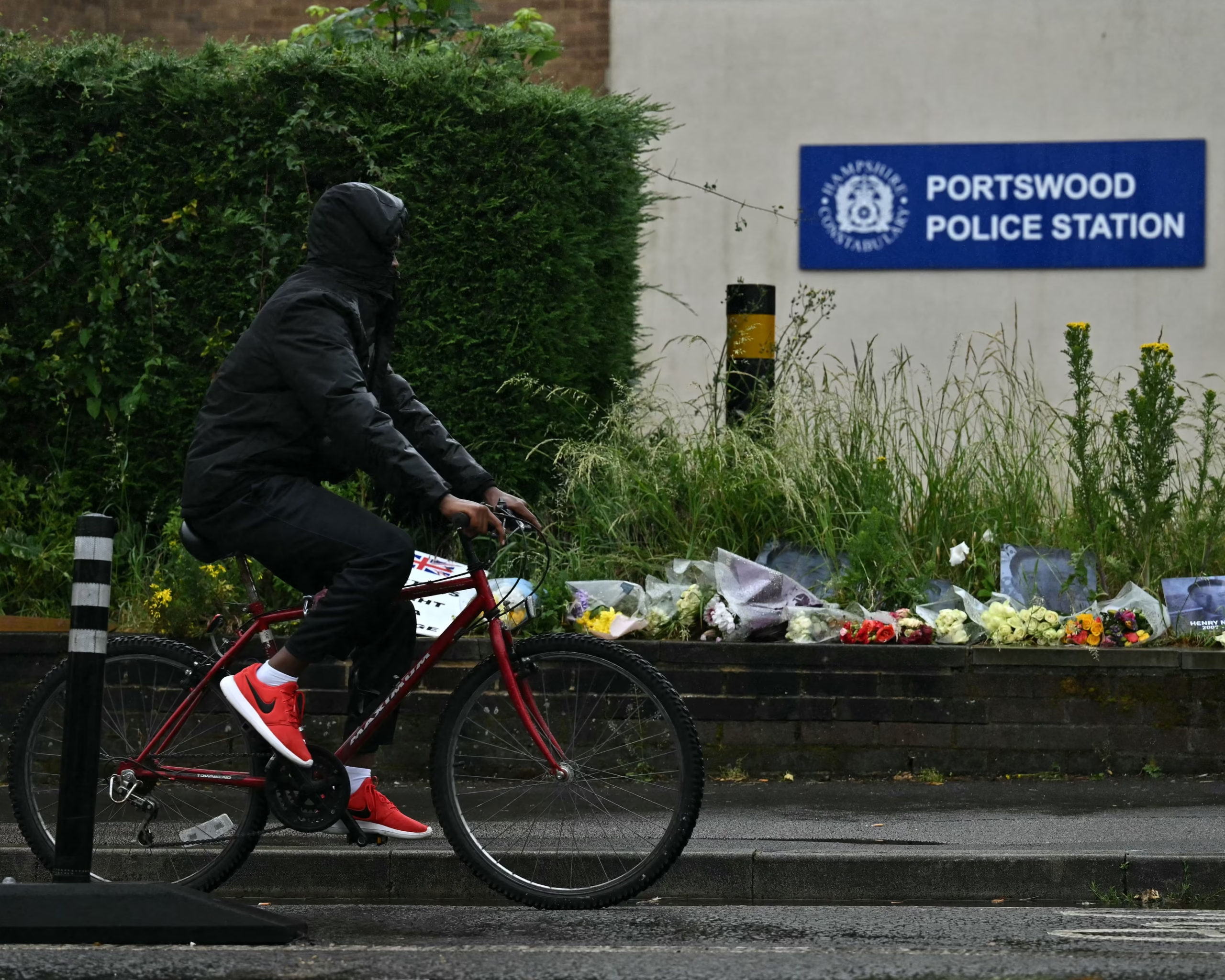
The United States government has criticised what it called “two-tier” policing in Britain following controversy surrounding the murder case of Henry Nowak.
American officials questioned whether UK law enforcement agencies apply policing standards equally across different communities and protest movements, sparking political debate on both sides of the Atlantic.

The criticism emerged after public reactions to the handling of demonstrations, investigations and policing decisions linked to the high-profile murder case.
British authorities strongly rejected suggestions that policing in the UK is politically biased or selectively enforced.
Government representatives defended police independence and insisted operational decisions are based on evidence, public safety requirements and legal procedures.
The Henry Nowak case has become a wider symbol in ongoing arguments surrounding law enforcement fairness, freedom of protest and public trust in policing institutions.
Critics argue that certain groups appear to receive more lenient treatment during protests or criminal investigations, while others face tougher enforcement measures.
Supporters of British policing say accusations of “two-tier” policing oversimplify difficult operational challenges faced by officers dealing with rapidly evolving public order situations.
Legal analysts noted that criticism from the US government toward British domestic policing practices is relatively rare and could create diplomatic sensitivity.
Political commentators believe the dispute reflects wider ideological divisions developing across Western democracies over criminal justice, policing methods and public demonstrations.

Human rights organisations called for balanced and evidence-based discussion, warning against politicising sensitive criminal investigations or undermining confidence in legal institutions.
The controversy continues to attract significant media attention as police investigations and political debate surrounding the case move forward.
Check Out Our Latest News At>>
Related News:
 US Criticises UK Policing After Henry Nowak Case
 Tasers Introduced in UK Prisons to Combat Rising Violence and Protect Staff
 Police Advised to Disclose Ethnicity of Suspects in High-Profile Cases
 Charlie Kirk Killing Used to Mobilise UK’s Largest Far-Right Rally in Decades
 Jailed Georgian Opposition Leaders Warn UK of Iranian Links to Ruling Party
 UK Police to Gain New Powers to Manage Repeated Protests, Home Office Announces
 Boris Johnson Breached Rules on Post-Office Business Contacts
 China Spy Case Hearing Reveals Key Gaps in Prosecution
 It’s time to come clean on the China spy case
 French Taxi Driver Cleared in David Lammy Theft Case After Fare Dispute
 Met Police Culture Makes Racial Harm ‘Inevitable’
 Remaining rebel Labour MPs have whip restored
 Victims’ commissioner Baroness Newlove dies aged 63
 Emails Show Epstein Funded Mandelson’s Husband After Jail
 Police Probe Mandelson Over Alleged Epstein Leak
 Last‑ditch Call to Save Police Front Counters in London
 How Much Could Andrew’s Arrest Hurt the Royal Family?
 Andrew Released Under Investigation After Arrest
 Hillary Clinton Tells House Panel She Had No Idea of Epstein’s Crimes
 Labour MP’s Partner Arrested on Suspicion of Spying for China
 Police Scotland Pays £8m Compensation to Staff
 ‘An Evil Man is Dead’: Australian Fugitive Dezi Freeman Shot Dead After 216 Days
 Case Closed: No Criminal Wrongdoing by Officer in Simpson Murder Investigation
 Justice in Motion: Police Driver Charged Over Fatal Collision
 Swalwell Faces Pressure to Quit Governor Race
 Mass Arrests at London Palestine Protest Spark Debate
 Harmeet Dhillon Faces Scrutiny in DOJ Role Debate
 The London “Safe Houses”: BBC Reveals Epstein Housed Victims in Secret UK Flats
 US Charges Sinaloa Governor in Major Cartel Case
 The “Invisible” Tape: Leaked Video Contradicts Police Denial in Brutal Arrest Case
 “I Won’t Be Silenced”: Candidate Reveals Arson Threat as “Political Terror” Grips Local Elections
 Under the Lens: Senior Officer Suspended as IOPC Probes “Disturbing” Arrest Footage
 US judge dismisses Kilmar Abrego Garcia indictment
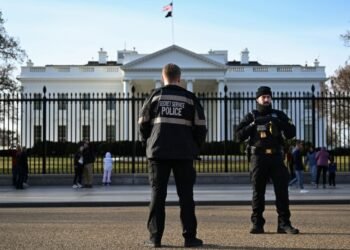 Gunman Killed After White House Security Shootout
 Zelensky Invites Putin to Direct Peace Talks
 Targeted Attack in Bury Sparks Murder Investigation as Community Awaits Justice
 Merseyside Police Helicopter Crew Cleared After Low-Altitude Pursuit of Suspect
 Urgent Action Needed on Windrush Compensation as Survivors Speak of “Waiting to Die”
 Tanni Grey-Thompson Faces Abuse Over Opposition to Assisted Dying Bill
 Zarah Sultana Seeks Legal Action After Bitter Clash with Jeremy Corbyn Over Party Membership Funds
 Mahmood Pledges Reform of Modern Slavery Laws After Court Blocks Deportation Appeal
 No Evidence Found to Substantiate Alleged Rape in Oxfordshire Churchyard, Police Confirm
 Digital ID Plans Ignite Debate Over £600m Treasury Tax Boost and Privacy Concerns
 Major Rent Reform Ends No-Fault Evictions in England
 Serial Rapist and Former Cop Found Guilty Again
 Most Tories Expect to Support a Farage-Led Government
 US National Guard Member Killed in DC Shooting
 Woman Jailed for Life After Killing E-Bike Rider in Tragic Mistaken Identity Case
 Police response times face strict new national limits
 Nine Arrested in France Over Death of Far‑Right Student
 Civil Service Pay: Union Urges Ministers to End ‘Barking Mad’ Limits
 Fly-Tippers to Be Hunted by ‘Drone Squad’ in Crackdown from the Sky
 Rape Accused Had Fight With Man in Alley, Court Told
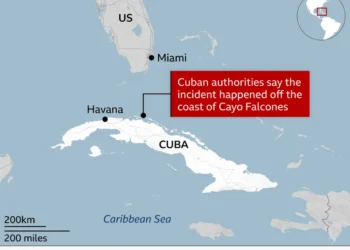 American Citizen Killed in Cuba Boat Shooting, U.S. Officials Say
 Suspects in Lisa Dorrian Case Released on Bail
 Driver Jailed Over Fatal Water Treatment Tank Crash
 Armed police incident closes major road
 Thousands Protest Iran Strikes Outside US Embassy London
 US Bombers Arrive at RAF Base Amid Rising Iran Tensions
 Scots Man Convicted in Dirty Money Case After DNA Found on Cash
 Liverpool Shooting Horror as Girl, 17, Shot in Legs in ‘Targeted Attack’
 Mandelson’s Phone Messages Requested in Files Release
 Families Tortured by Authorities During Investigations Inquiry Told
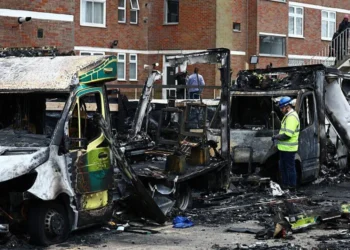 Two Men Bailed Following Arson Attack on Jewish Charity Ambulances
 US Lawmaker Demands Testimony Over Sarah Ferguson’s ‘Close Epstein Ties’
 ‘Eye in the Sky’ Blinded: Photos Reveal Destroyed US Radar Jet at Saudi Base
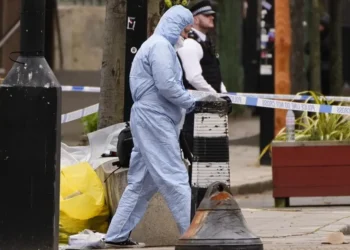 Police Hunt Bike-Riding Gunman After Man Shot Dead Near Euston
 The “Protective Shield”: Who is Todd Blanche, the New Acting U.S. Attorney General?
 The Moral Crisis Looming Within the American Chain of Command
 Heartbreak in Bournemouth: The Tragic Death of James Blanch
 The Changing Face of Georgia: Trump-Backed Clay Fuller Wins Election
 Misconduct Inquiry Launched Over Fatal Schoolgirl Crash Response
 Crackdown Backfires on UK Climate Protesters
 Cartel crackdown raises fears of fresh violence
 US Court Restores Abortion Pill Access Temporarily
 “The Cost of Conviction”: Palestine Action Activists Found Guilty Over ‘Clinical’ Factory Damage
 Immigration Judges Fear Pressure in Trump Era
 US green card applicants must apply from abroad, DHS says
 DeSantis’s ‘Alligator Alcatraz’ Faces Final Shutdown
 UK Faces Most Dangerous Era, Military Chief Warns