Published: 10 June 2026. The English Chronicle Desk. The English Chronicle Online.
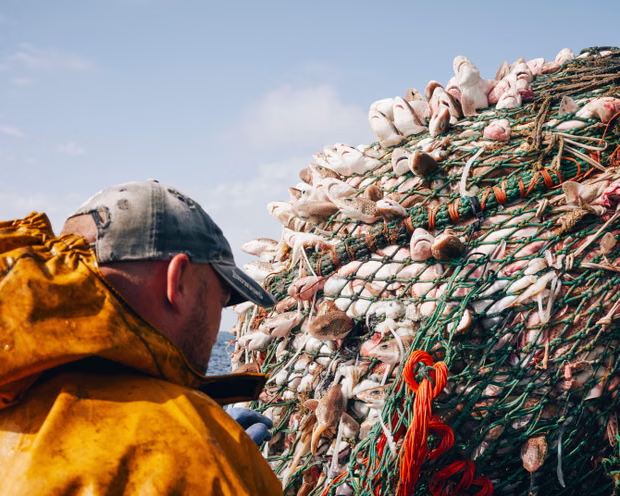
The British coastline has long been celebrated for its breathtaking beauty and diverse marine life. Beneath the rolling waves, a hidden tragedy is unfolding every single day of the year. Thousands of Britain’s most charismatic and protected marine creatures are quietly vanishing from our waters. Whales, porpoises, dolphins, seals, and seabirds are being lost at an truly alarming rate. These animals are dying as collateral damage caused by commercial fishing vessels operating across the region. The full scale of this environmental crisis has finally been brought to light recently. A groundbreaking analysis has provided the first comprehensive look at this ongoing marine catastrophe. The revelatory findings have sent shockwaves through the British conservation community and the public.
This landmark assessment was conducted by the respected Wildlife and Countryside Link organisation. The group represents a powerful coalition of voluntary conservation societies across the United Kingdom. Their detailed report reveals the devastating toll that accidental capture is taking on marine species. This process, professionally known as bycatch, involves the unintended snaring of non-target ocean wildlife. For decades, the true numbers behind this practice remained deeply buried in industry data. Conservationists now warn that these published figures represent merely the tip of an iceberg. The vast majority of the UK fishing fleet operates without any bycatch monitoring. This distinct lack of observation means the true destruction is likely much higher.
The monitoring deficit is particularly severe within specific sectors of the British fishing industry. For example, only a tiny fraction of dredging vessels currently monitor their accidental catches. Statistics show that a mere fraction of a percent of these boats track bycatch. These vessels drag incredibly heavy fishing gear directly across the delicate sea floor daily. This destructive practice was recently exposed in a powerful marine documentary by David Attenborough. The film vividly illustrated how bottom trawlers flatten and destroy vulnerable seabed ecosystems. It is worth noting that non-UK vessels were excluded from this specific data pool. Therefore, the total damage occurring within British waters is undoubtedly far more extensive.
The mathematical models used in the report paint a deeply distressing picture of mortality. The data indicates that over one thousand harbour porpoises and dolphins die annually. Furthermore, an astonishing ten thousand seabirds are estimated to perish in British waters each year. The report also highlights the annual loss of approximately five hundred innocent marine seals. In northern waters, the statistics regarding larger marine mammals are equally grim and upsetting. Specifically, six humpback whales were found dead after becoming entangled in Scottish creel ropes. The same tragic fate befell thirty magnificent minke whales in those same northern fishing grounds.
The destruction is not limited to air-breathing mammals and beautiful diving seabirds either. Over one thousand endangered Atlantic salmon are also caught and killed by commercial vessels. Additionally, some one hundred and twenty tonnes of protected sharks are lost every year. This massive weight includes various threatened species of skates and rays native to Britain. These ancient predators play a vital role in maintaining the balance of marine ecosystems. Losing them in such high numbers threatens the stability of the entire underwater food web. The sheer variety of species affected shows how widespread this fishing problem truly is.
Richard Benwell serves as the dedicated chief executive of the Wildlife and Countryside Link. He strongly emphasizes that most of these tragic marine deaths are entirely avoidable today. The solutions lie in the immediate implementation of modern, effective mitigation measures by fleets. Benwell has formally called on the English government to deliver its promised conservation actions. He expressed deep professional concern over the slow pace of current policy implementation initiatives. The scale of destruction exposed in this report is genuinely shocking to everyone involved. Animals are dying in awful and completely unnecessary ways across our shared territorial waters.
In English waters, certain fishing methods pose a much higher risk than other techniques. The use of gillnets represents the single greatest threat to vulnerable local seabird populations. These static nets hang like long, invisible curtains directly in the moving water column. Diving birds cannot see the fine mesh as they plunge downward searching for food. Species like puffins, gannets, and razorbills frequently become entangled and subsequently drown under waves. Globally, these specific nets cause about four hundred thousand seabird deaths every single year. This international statistic comes from comprehensive research conducted by the BirdLife International organization.
Benwell insists that ministers must not allow these terrible wildlife losses to continue unchecked. The government must finally deliver strong, binding bycatch action plans to protect our heritage. These plans must be backed by strict mandatory monitoring and robust electronic enforcement systems. Without these vital steps, more unique wildlife will be pushed closer to ultimate extinction. We must urgently support our fishers to transition toward more modern harvesting methods safely. This transition ensures commercial fishing no longer causes such catastrophic collateral damage to nature. The technology exists to make our commercial fishing fleets much cleaner and safer.
The report also connects these wildlife deaths to larger legal compliance issues for Britain. Cetaceans dying in nets is a primary reason the nation misses its environmental targets. The UK is currently failing to meet its legal obligations for good sea status. These legal frameworks were designed to ensure British waters remain healthy and highly productive. Failing these standards reflects poorly on the UK’s global standing as a conservation leader. The issue has become a significant legal and ecological hurdle for marine managers nationwide. It underscores the urgent need for a coordinated national response to the crisis.
Ruth Williams serves as the respected head of marine conservation at the Wildlife Trusts. She notes that bycatch is often a deeply distressing outcome for fishers themselves. Most commercial fishers do not want to pull dead dolphins onto their decks daily. These apex species are absolutely critical to the long-term health of our regional seas. Their continued mass absence will have serious, unpredictable consequences for our delicate marine ecosystems. Successive British governments have unfortunately failed to address this silent and largely unseen crisis. This political inertia has allowed the problem to worsen significantly over recent decades.
The conservation coalition is now demanding immediate remote electronic monitoring on all fishing vessels. This requirement must extend to smaller boats measuring under ten meters in total length. The report notes that these small vessels cause a large proportion of bycatch. While the study tracked deaths nationwide, recommendations target the Westminster government in England. This focus draws heavily on the localized expertise of the coalition’s English members. The group believes England must set a strong example for other nations to follow.
Encouragingly, the report does highlight several highly successful solutions pioneered by British fishers. Small-scale fishers in Filey Bay, Yorkshire, worked closely alongside active local conservation groups. This area sits right next to the largest mainland colony of seabirds in Britain. Through collaboration, they reduced annual seabird bycatch from seven hundred down to just four. They achieved this amazing result simply by trialing heavier, high-visibility nets in their waters. This proves that minor technical adjustments can yield massive benefits for vulnerable local wildlife.
Similar success stories have emerged from innovative trials conducted in deep Scottish waters recently. Research there showed that floating ropes between creels caused most large whale entanglements. In response, fishers trialed the use of heavily weighted creel ropes instead of floating ones. This simple adjustment successfully reduced the risk of whales becoming entangled in the gear. These practical examples show that the industry can adapt without losing its economic livelihood. Cooperation between science and industry is clearly the path forward for our oceans.
A spokesperson for the Department for Environment, Food and Rural Affairs responded to findings. The spokesperson stated that this government remains deeply committed to restoring oceans to health. They are actively taking concrete steps to reduce the accidental bycatch of marine species. Their flagship initiative, Clean Catch, utilizes electronic monitoring to gather accurate data on vessels. This program helps officials evaluate the true effectiveness of various newly deployed mitigation measures. Furthermore, a new Seabird Bycatch Action Plan will soon target deaths in English waters. The public now watches closely to see if these promises turn into reality.
Related News:
 Norfolk Coastal Graves at Risk as Erosion Deepens Family Anguish
 Winter plant bloom signals climate breakdown in UK
 Dog Food Emissions: 1% of UK Greenhouse Gas Revealed
 Storm Goretti leaves Cornwall homes without power
 Kent Residents Continue Facing Water Supply Disruptions
 Water firms may avoid fines under UK water reform plan
 No Gas Boiler Ban as UK Warm Homes Plan Backs Heat Pumps
 Judi Dench Champions Fight to Save London’s Green Spaces
 UK joins North Sea wind grid pact with nine European nations
 Devon hosts first high-density hydro power system
 Storm Chandra floods Somerset, triggers major incident declaration
 Storm Chandra flooding leaves England on high alert
 UK Pfas Action Plan Faces Criticism From Environmentalists
 Wigan Dump Crisis Sparks Health and Safety Alarm
 Fish disco plan could save 90% of fish at Hinkley C
 Flood risk homes surge across England builds
 Deer Shooting England: New Plan to Protect Woods
 Illegal Waste Dumping: New Drone Unit Launched
 Group Expands Legal Claim Over South West Water Pollution
 Scotland’s Climate Plans Face Scrutiny Over ‘Science Fiction’ Targets
 Wood burner legal threats spark council row
 South East Water Fined £22.5m for Repeated Supply Failures
 Yorkshire Water Funding Sparks Debate Amid Fines and Pay Row
 Net Zero Cheaper Than One Fossil Fuel Crisis, UK Told
 Welsh Water Faces £44.7m Enforcement Over Sewage Breaches
 London Considers New SUV Charges to Improve Road Safety
 New £10bn rescue plan offered for Thames Water
 MPs Slam Agency Over Failing Fight Against Waste Dumping
 RNLI Beach Rescues Surge as Coastal Popularity Hits New High
 UK Records Earliest Spring as Nature Awakens Fast
 RSPB Urges Summer Bird Feeder Removal to Curb Disease
 Britain Facing Sharp Decline in Rare Butterfly Species
 Toxic ‘Forever Chemicals’ Threaten Southern English Coast
 Toxic Flea Treatments Devastating UK Rivers and Wildlife
 UK Faces Mass Water Shortages by 2055, Lords Warn
 Saving Our Lost Rainforests: The Battle for Dartmoor
 Outrage in Surrey as Vital Nesting Colony of Endangered Swifts is Entirely Demolished
 Whitehall Steps In: The Battle Over Thames Water Deepens
 UK Seas Face Extreme Heatwave as Global Temperatures Surge
 UK Pets Face Heatstroke Risks Even While Resting Indoors
 New Debt Limits Proposed for England’s Water Sector
 South East Water Faces £30.5m Penalty for Supply Failures
 Three-Quarters of England’s Riverbanks Still Off Limits
 Reeves Faces Setback as Labour May Miss Homes Target
 Kate Winslet to Narrate Film Highlighting King’s Environmental Mission
 Trump’s UK Ambassador Urges North Sea Drilling to Strengthen US Ties
 UK Bans Fake Numbers: Scammers Lose Their Trick
 Millionaires group urge Reeves to introduce wealth tax to ‘lift kids out of poverty’
 Fatal Bolton Taxi Crash Claims Three Teens and Driver
 ScottishPower Tops List of Worst UK Energy Suppliers
 Crowborough Camp Welcomes First Asylum Seekers
 BBC Funding Crisis: Tim Davie Warns of Jeopardy Ahead
 Artificial intelligence will cost jobs, admits Liz Kendall
 Older Women Vanish from BBC Screens, Review Confirms Bias
 Streeting moves on doctor pay to end strike dispute
 Send spending gap leaves deprived areas behind
 Hidden Crisis: Domestic Abuse Suicide Toll in UK
 UK Unemployment Rate Climbs to 5.2% Peak
 BBC World Cup Presenting Duties Shared Among Trio
 Wales Approves Assisted Dying Bill Consent
 CPS Updates Guidance on Honour-Based and Dowry Abuse
 Asylum Seekers to Work After Year-Long Wait
 Inquiry into HMRC child benefit errors launched by NAO
 Rising Costs Force Families to Rethink Days Out
 Extreme Weather: Europe Shivers as Cyclone Narelle Hits
 Scott Mills Sacked by BBC Over Personal Conduct Claims
 Palantir Boss Defends NHS Deal Amid Government Break Clause
 Relationship with Trump may be beyond repair, Starmer warned
 UK Government Poised to Revive Stalled Hillsborough Law
 Home Office Faces Legal Risks Over Asylum Hotel Living
 Crisis in NHS Surgery Scheduling Hits Patients Hard
 Blue Badge Abuse: The Rising Tide of Public Hostility
 Scott Parker Leaves Burnley After Premier League Drop
 Silent Tracks: Rail Line Without Passengers
 UK Care Crisis: Row Explodes Over New Visa Settlement Rules
 Sainsbury’s Boss Optimistic As Grocery Inflation Eases
 US Airman Avoids British Court in Indecent Exposure Case
 Britain’s Mini Fan Craze Sparks Major Waste Crisis
 Ann Widdecombe, Formidable Political Figure, Dies at 78
 UK Schools Struggle as Classrooms Top 40C