
Published: 10 June 2026
The English Chronicle Desk
The English Chronicle Online
NASA has officially announced the crew selected for the highly anticipated Artemis III mission, marking another major milestone in humanity’s planned return to the Moon.
The mission is expected to become the first crewed lunar landing undertaken by NASA since the conclusion of the Apollo programme more than five decades ago. Artemis III forms a central component of the agency’s broader strategy to establish a long-term human presence on and around the Moon.

The newly named astronauts will undergo extensive training before embarking on the mission, which aims to test technologies, conduct scientific research and prepare for future deep-space exploration efforts.
One of the primary objectives of Artemis III is to land astronauts near the Moon’s south polar region, an area of particular interest to scientists because of evidence suggesting the presence of water ice in permanently shadowed craters.
Researchers believe these resources could play a crucial role in supporting future lunar operations by providing water, oxygen and potentially fuel for longer-duration missions.
The Artemis programme is also designed to serve as a stepping stone for eventual human missions to Mars, allowing space agencies to develop and refine technologies required for deep-space travel.
Mission planners intend to utilise the lunar landing to conduct scientific experiments, collect geological samples and study environmental conditions that could influence future exploration strategies.
The crew will travel aboard NASA’s Orion spacecraft and use a lunar landing system developed through partnerships with the commercial space sector.
Space exploration experts say Artemis III represents one of the most ambitious international space projects of the modern era, involving cooperation between government agencies, private companies and international partners.
The mission is expected to generate significant scientific data while demonstrating capabilities necessary for sustained human activity beyond Earth orbit.

Public interest in lunar exploration has increased substantially as governments and private organisations invest heavily in next-generation space technologies and infrastructure.
NASA officials say the Artemis programme is intended not only to return astronauts to the Moon but also to establish the foundation for a new era of exploration extending throughout the solar system.
Check Out Our Latest News At>>
Related News:
 How to Exit Your Broadband Contract Without Paying Exit Fees
 Unseen Killers of the Deep Inside the UK Lab Uncovering the Silent Deaths of Sea Creatures
 Spectacular ‘Blood Moon’ Illuminates Skies Across the Globe
 British Pilot Joins Crew Training for Year-Long Mars Simulation Mission
 Big Pharma Investment Freeze Puts UK Life Sciences Sector Under Strain
 Jaguar Land Rover Extends Production Halt Following Cyber-Attack
 Persistent Offenders Owe Over £700m in Ulez Fines as TfL Cracks Down on Evasion
 Google at 27: The Untold Story of Ruth Kedar, the Woman Behind the Iconic Logo
 Millions in the UK at Risk of Cyber-Attacks as Microsoft Ends Windows 10 Updates, Warns Which?
 Yvette Cooper Backs Digital ID Plan for UK Teens
 Reform UK candidate fined £19,000 after using AI-generated cases to challenge election
 UK Campaigners Launch Bill to Grant Legal Rights to Nature
 Virgin Trains Moves Closer to Challenging Eurostar Monopoly
 UK Bans Fake Numbers: Scammers Lose Their Trick
 Vibe coding’ named Collins dictionary’s word of the year
 Patients to Test Health at Home to Ease NHS Winter Pressure
 Britain deploys RAF specialists to assist Belgium with drone threats
 Stop using ChatGPT to write speeches, AI minister tells MPs
 Northern Lights may illuminate UK skies this week
 New AI tool could cut wasted efforts in organ transplants
 Sundar Pichai Cautions on AI Hype and Market Risks
 Google Chief Urges Caution: Don’t Trust AI Blindly
 Beachy Head Woman Identified as Local Eastbourne Resident
 US Clears Nvidia AI Chip Sales to China in Policy Shift
 Astronomers Prepare for First-Ever Movie of a Black Hole
 Pornhub blocks new UK users over age checks dispute
 Amazon mistakenly signals new global layoffs to employees
 AI breast screening cuts later cancer diagnoses by 12%, study finds
 UK New Car Discounts Near £6,000 as Prices Are Slashed
 Most Statin Side-Effects Are Not Caused by Drugs, Study Confirms
 BT Names New Openreach Chief Amid Major Fibre Expansion
 Tech Trends Set to Transform Life in 2026
 How the Sound of Sport Is Being Reimagined for Deaf Fans
 Chasing the Next Solar Eclipse: When, Where and How to See It
 Indian University Kicked Out of AI Summit for Claiming Chinese Robot Dog as Its Own Invention
 China Shows Off Nunchuck‑Wielding Humanoid Robots for Lunar New Year
 How Do You Modernise Mango Farming? India’s Growers Urged to Innovate as Climate Change Hits
 Musk Cuts Starlink Access for Russian Forces – Giving Ukraine an Edge at the Front
 AI Coding Firm’s ‘Pride’ at Business Award Win
 ‘A Disgrace’ — Patient Blasts Neurology Report
 Stewart Brand on Musk, Bezos and a Life of Long Thinking
 Facial Recognition Error Leads to Wrongful Arrest in Milton Keynes
 UK’s First Geothermal Plant Powers 10,000 Homes
 Social Media Trial: Woman Says Addiction Began at Six
 Instagram Investigating AI Profiles ‘Fetishising’ Disabled People
 Social Media Giant Trial Reaches Final Jury Decision
 Councils Pressed to Use Universal Parking App to Cut ‘Unfair’ Fines
 Trump Considers Military Operation to Seize Iran’s Uranium
 John Bengtson: The ‘Silent Film Sleuth’ Who Found History in the Background
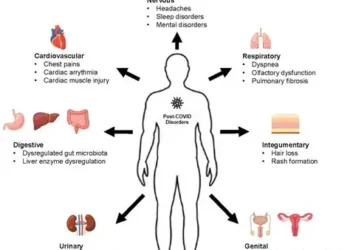 ‘Zoom Dysmorphia’ Explosion: BDD Patients Quadruple in Post-Pandemic UK
 ‘The Insulation Trap’: Knifeman Discovered Hiding Under Loft Padding After Six-Hour Standoff
 The $11k Ticket: High Stakes and Dynamic Pricing in FIFA’s First Open Sale
 Voices of the Vanguard: ‘Audio Time Capsule’ of Disability Rights Pioneers Discovered
 Electric Shock: Australians Buy Record Number of New EVs as Fuel Crisis Bites
 War, Windfalls, and the Carbon Trap: The Iran Conflict’s Brutal Energy Math
 The Great Chokehold: Why the Strait of Hormuz is the Epicenter of the 2026 Crisis
 Tech Giants Condemn EU Over Lapse in Child Abuse Laws
 Moldova River Crisis Exposes War’s Hidden Cost
 GSK cancer drug shows early promise in trials
 The Frozen Frontier: Why Frostbite is the Least of Concerns for Canada’s Arctic Forces
 ‘Maritime Drones and Steel’: £50m Defence Deals Set to Spark Job Boom in Plymouth and South Yorkshire
 The Next Chapter: Apple’s Future Under the Stewardship of John Ternus
 Human Capital for AI Infrastructure: Meta Cuts 8,000 Staff to Fuel $135bn Bet
 Beyond the Swoosh: Anta Sports Overtakes Rivals to Become Global Top Three
 Older Than Dinosaurs: Secrets of Mayfly Dance Revealed
 The “Dry” Life: Teens Trialing Social Media Bans Call Initial Disconnection “Boring” and “Dry”
 “The Digital Frontier”: Scotland’s Papers Grapple with AI Harassment and ‘Mortgage Bottlenecks’
 “The Swap Shop”: Dr Chris van Tulleken Backs Southampton Teens’ Fight Against ‘The Matrix’ of Ultra-Processed Food
 Shivon Zilis Takes the Stand in Landmark OpenAI Trial
 The Pathogen Protocol”: Third British National Monitored for ‘Nasty’ Suspected Hantavirus
 Trump Lands in Beijing for High-Stakes Summit with Xi
 Court Upholds Landmark Win for Transgender Rights
 “Eyes in the Sky, Spikes on the Ground”: Advanced Satellite Imagery and AI Algorithms Deployed Across Britain to Save the Vanishing Hedgehog
 “The Critical Intervention”: Essential Steps for Identifying and Treating Heat-Related Emergencies
 UN Issues Urgent Warning: Imminent Return of El Niño
 NHS Approves Landmark Ovarian Cancer Drug
 AI-Designed Vaccine Marks Global Breakthrough
 Bear Escapes Factory Through Open Window
 SpaceX Market “Blast-Off” Could Mark Elon Musk’s Biggest Financial Gamble Yet
 World’s Largest Chipmaker Signals Possible Price Increases Amid Rising Costs