Published: 12 June 2026. The English Chronicle Desk. The English Chronicle Online.
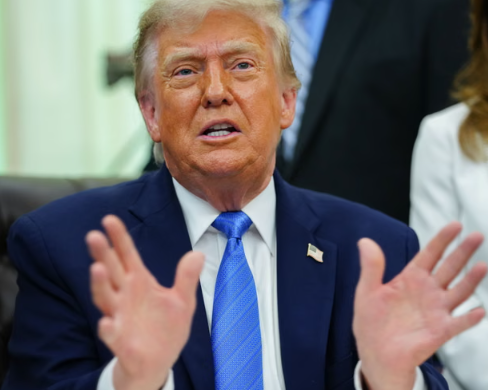
The fragile diplomatic relations between Washington and Tehran took another dramatic turn on Thursday evening when United States President Donald Trump claimed that a comprehensive peace agreement was imminent. This sudden optimistic declaration followed forty-eight hours of intense military escalation that threatened to shatter a nominal ceasefire established in early April. Trump utilized his social media platform, Truth Social, to announce the immediate cancellation of scheduled American missile strikes and heavy aerial bombings. The American leader asserted that direct discussions had progressed to the highest levels of Iranian leadership and received formal approval. This unexpected reversal bewildered international observers, as it occurred mere hours after Trump vowed to launch devastating strikes against major Iranian targets.
The administration has consistently sought a landmark diplomatic breakthrough in the Middle East to secure a major foreign policy achievement. However, regional experts note that Trump has previously claimed to be on the verge of a historic settlement numerous times without delivering a final accord. The initial optimism from the White House was quickly tempered by a more cautious statement from the Iranian government. Speaking on state television during a live phone broadcast, Iranian foreign ministry spokesperson Esmail Baghaei acknowledged that negotiators had finalized substantial portions of the proposed text. Despite this undeniable progress, Baghaei emphasized that Iran would not compromise on its established red lines and had not reached a final conclusion. The semi-official Tasnim news agency went further, advising the international community to dismiss any premature unilateral announcements from Washington.
The complex negotiations are being watched closely by global powers and independent diplomats who remain deeply skeptical of an immediate resolution. A prominent diplomat briefed on the secret talks revealed that the core framework of the deal was largely settled weeks ago. The source estimated that there is still a fifty percent chance the entire diplomatic initiative could collapse before a signing ceremony. Multiple domestic and regional spoilers are actively working against the proposal, creating immense friction for negotiators on both sides. The current draft focuses heavily on establishing a clear timeline for demining operations within the vital Strait of Hormuz. Under the proposed terms, the intensive United States naval blockade would remain strictly in place until those operations conclude successfully.
The preliminary memorandum of understanding also seeks to establish structured mechanisms for future nuclear talks and the eventual release of frozen assets. It intentionally lacks concrete agreements regarding the exact methods or dates for implementing those complex financial and atomic procedures. Trump has ignored these glaring omissions and continued to insist to White House reporters that a definitive deal is complete. He predicted that the critical maritime shipping lane would reopen almost immediately after the formal signing of the document. The president suggested that a high-profile signing ceremony could take place over the upcoming weekend at an undecided European location. Trump further claimed that other key international stakeholders, including the skeptical government of Israel, had fully approved the terms.
The administration highlighted the apparent support of influential regional powers such as Saudi Arabia, Qatar, and the United Arab Emirates. The white house also included Turkey and Pakistan among the list of nations supposedly favoring the new diplomatic framework. However, the office of Israeli Prime Minister Benjamin Netanyahu quickly issued a clarification regarding their involvement in the process. The official statement clarified that Israel is absolutely not a party to the current bilateral memorandum of understanding. Netanyahu expressed his sincere appreciation for the personal commitment of Trump to secure stringent long-term concessions from Tehran. The Israeli leader expects any final agreement to mandate the total removal of enriched nuclear material from Iranian soil. Israel also demands the complete dismantling of enrichment infrastructure, strict limits on missile production, and an end to proxy funding.
The prospective terms outlined by Israel represent fundamental red lines that the Iranian leadership has historically refused to negotiate. The sudden shift toward diplomacy arrived after a day of extreme tension that nearly ignited a wider regional conflagration. Trump had earlier informed the American public that the military would target Iranian infrastructure and launch severe retaliatory strikes. The president warned that the United States would hit the nation very hard to punish alleged diplomatic stalling. He specifically threatened to seize Kharg Island, a dense and heavily fortified territory that handles ninety percent of Iranian oil. Trump compared the proposed seizure to recent American strategies in Venezuela, describing those economic operations as brilliantly successful.
The commander-in-chief later walked back his aggressive rhetoric during a televised interview on the Fox News network. Trump admitted that while he preferred taking the island, he doubted the American public possessed the stomach for it. He expressed an aversion to deploying ground forces or destroying vital civilian infrastructure like power plants and bridges. The volatile situation prompted an urgent intervention from United Nations Secretary-General António Guterres on Thursday afternoon. Guterres implored both nations to respect the April ceasefire and avoid further unpredictable violence in the region. Military analysts warned that a ground assault on Kharg Island would expose American soldiers to intense defensive fire. Democratic Senator Ruben Gallego, a former marine, criticized the talk of an invasion as dangerous and reckless.
The current escalation was originally sparked by the downing of an American military helicopter over the Strait of Hormuz. Both nations traded heavy missile fire and drone strikes for two consecutive days despite the active truce. The United States military launched a massive salvo on Thursday morning against radar installations and communication networks. American naval forces also targeted a commercial oil tanker attempting to bypass the strict maritime blockade. An Indian government official confirmed that three civilian crew members died during an unspecified strike in the area. Iran retaliated by launching a wave of missiles and drones toward targets in Kuwait, Bahrain, and Jordan. Falling debris from intercepted projectiles caused minor civilian injuries and property damage within neighboring Bahraini communities.
Despite the ongoing violence, official sources confirmed that diplomatic communication channels between the adversaries have actually intensified. Iranian officials told reporters that the military deadlock proves neither side can achieve its goals through pure force. The primary obstacle remains the specific mechanism required to unfreeze billions of dollars in restricted Iranian banking assets. Tehran demands the immediate and unrestricted transfer of all funds directly to its central government treasury accounts. Washington strongly favors a phased distribution plan restricted entirely to purchasing food, medicine, and humanitarian goods. The Iranian government is prioritizing immediate economic relief over an all-encompassing geopolitical settlement that addresses regional issues.
The unresolved conflict in Lebanon remains another significant roadblock that could derail the entire peace process. Iran insists that any permanent ceasefire framework must include a cessation of hostiles between Israel and Hezbollah. Ongoing fighting in the region has resulted in thousands of casualties and displaced massive civilian populations. Trump remains focused on forcing Iran to permanently end shipping restrictions throughout the economically vital waterway. The Strait of Hormuz acts as a global chokepoint for roughly twenty percent of the world petroleum supply. The recent disruptions have sent international energy prices soaring, contributing directly to rising inflation across Western economies.
The domestic political situation inside the United States is applying significant pressure on the administration to end the conflict. Trump faces a looming midterm election cycle alongside plummeting approval ratings driven by voter anger over high fuel costs. Opponents argue that the president is handling delicate international diplomacy in a casual and counterproductive manner. The contradictory statements coming from the White House underscore the immense difficulty of balancing military deterrence with complex diplomacy. Whether this latest round of public posturing yields a lasting peace or total collapse remains to be seen. Global markets and international allies continue to wait anxiously for a verified breakthrough from the negotiating teams.
Related News:
 BBC to Apologise Over Edited Trump Speech Amid Backlash
 Britain deploys RAF specialists to assist Belgium with drone threats
 Palace May Restore Hyphen to Andrew Mountbatten-Windsor’s Name
 Greene Pushes Epstein Files Amid Trump Fallout
 December Run-Off in Chile as Election Produces No Winner
 Zelenskyy Signs Fighter Jet Deal Amid Russian Drone Attacks
 Canada Passes Carney’s First Budget in Tight Parliamentary Vote
 Shadow Fleet at Sea: Europe’s Battle Against Illicit Oil Shipping
 Tiny Curacao Makes History as Smallest Nation to Reach World Cup
 Deadly Russian Strikes Hit Western Ukraine, 20 Killed in Ternopil
 Ukraine Peace Plan: Zelensky Ready for Dialogue
 Royal Navy Shadows Russian Warships Entering the Channel
 US Suspends Afghan Immigration After White House Shooting
 Georgians Defy Government Crackdown After Year of Protests
 Tokyo court rules Japan’s same-sex marriage ban constitutional
 ‘Extinct’ Antelope Returns to Sahara, Bringing Hope
 American Mother Extradited From UK to U.S. on Murder Charges
 Facebook Slow to Remove Bondi Attack Praise, Anti-Hate Group Claims
 Albanese Opens Door to Bondi Royal Commission Amid Rising Pressure
 Iran Protesters Defy Crackdown as Violent Clashes Intensify
 US Clears Nvidia AI Chip Sales to China in Policy Shift
 Gulf states warn Trump Iran strikes risk wider Middle East war
 EU weighs response amid Greenland tariff crisis with Trump
 Sydney Shark Attack Surge Shocks Australia Beaches
 EU Says US Ties Have Suffered ‘Big Blow’ After Greenland Crisis
 Videos reveal earlier clash before Alex Pretti shooting
 UK New Car Discounts Near £6,000 as Prices Are Slashed
 Israel Moves to Bar MSF From Gaza Operations
 Portugal Election Delivers Socialist Win as Far Right Surges
 Australian Families Leave Syrian Camp for Home
 Andrew Arrest Sparks Republic Debate in Australia
 Farage Chagos Islands Row Sparks Fury
 Hilary Knight speaks out on Trump’s recent hockey remarks
 Has Europe truly learned from the failures of 2022?
 Trump Faces Questions Over Iran Conflict Plan
 Iran Civilian Deaths Surge Past 200 Amid Fear
 Herzog Asio meeting sparks security storm
 Trump rebukes Starmer over Iran strikes
 Iran-Iraq border airstrikes spark new tensions
 Petrol Prices Soar as Retailers Accused of Gouging Amid Global Tension
 Penny Wong silent on Australian crew in sub strike
 Australians on US Submarine in Iranian Warship Strike
 Oil Prices Surge Above $100 Amid Iran War
 India T20 World Cup Triumph Seals Historic Title Defence
 Trump Pressures Congress Over Save America Act
 Iranian Football Squad Asylum Drama Shocks Australia
 Goma Drone Attack Kills Three as Conflict Escalates
 Queensland Protest Laws Spark Free Speech Backlash
 Yvette Cooper: UK Must Follow Principles, Not US Pressure
 Iranian Captain Departs Australia Amid Asylum Tension
 Trump Nato threats expose Iran strategy vacuum
 Philippines energy emergency sparks coal power surge
 Australia Imposes Sudden Travel Ban on Iranian Visitors
 Trump Facing Backlash from Epstein Survivors Over Files
 Russia: The Unforeseen Winner of the Iran Conflict
 Report Says Pezzullo Acted ‘Recklessly’ in Dealings
 US Airman Rescued in Daring Mission After F-15 Shot Down in Iran
 Trump’s Middle East Misstep: The Bitter Cost of Hubris
 US and Iran Pursue Extension of Ceasefire via Pakistan
 Tragedy Strikes Outside Melbourne Comic Con
 “I was fighting two wars”: Ukraine soldiers’ addiction crisis
 Ukraine Urges UK to Seize Russian Oil Tankers
 Capitalism ‘Suicidal’, Warns Petro at Climate Summit
 Ukraine strikes Tuapse as oil disaster worsens
 US to Escort Trapped Ships Through the Strait of Hormuz
 Premier League drama defines crucial weekend
 Trump Threatens UN Budget Cuts as US Pushes ‘Trade Over Aid’ Agenda
 Miami Upgrades Shake Up F1 Title Fight
 US Awaits Iran Reply on New Ceasefire Proposal
 Crisis in the Canary Islands as Cruise Ship Evacuated
 US and Mexico Face Heatwave as Floods Batter South Africa
 Putin Signals War End as Russian Momentum Stalls
 Australia Welcomes the Iconic Michelin Guide
 Philippine Senator Flees After Days Under Senate Siege
 High Street Crisis: Fears Grow Over Post Office Closures
 Oil Markets Face ‘Red Zone’ Threat Amid Iran Crisis
 Pope Meets Families in Italy Toxic Waste Zone
 Discontent grows around Putin amid war strain
 US Strikes Iranian Sites Amid Shaky Ceasefire Talks
 UN Issues Urgent Warning: Imminent Return of El Niño