Published: 17 June 2026. The English Chronicle Desk. The English Chronicle Online.
The British economy has delivered another significant surprise to financial markets and consumers this week. Official figures revealed that the annual rate of inflation unexpectedly held steady last month. Most leading economists had predicted a noticeable increase in the cost of living across the nation. Instead, the consumer prices index remained at two point eight percent throughout the month of May. This resilience has injected a fresh wave of debate into the current domestic economic discourse. It also provides a brief moment of comfort for households navigating tight monthly budgets. The flatlining figure demonstrates that the complex machinery of national pricing remains highly unpredictable today.
This surprising stability came directly after a welcome decline in the consumer prices index previously. That earlier drop was largely driven by strategic domestic energy bill cuts across the country. Those crucial reductions were initially announced by Chancellor Rachel Reeves during last year’s autumn budget. Families began feeling the positive impact of those policy choices over the recent spring months. However, many analysts feared that those hard-won gains would be erased by global events. The persistent conflicts in the Middle East threatened to drive global energy markets much higher. Yet the latest data shows the British economy withstood those immediate international pressures successfully.
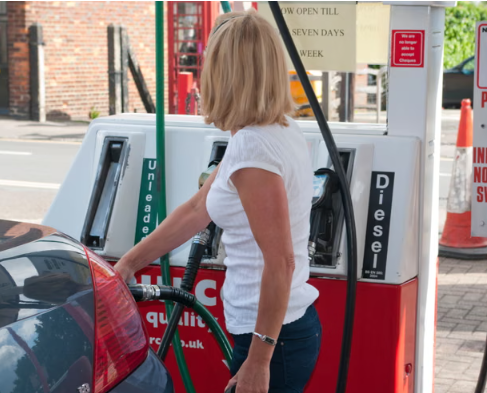
Grant Fitner, the chief economist at the Office for National Statistics, explained these dynamics. He noted that inflation held steady because various price movements effectively cancelled each other out. The primary upward pressure on the index came directly from the vital transport sector. Air fares experienced a seasonal increase as holidaymakers booked their upcoming summer getaways across Europe. Furthermore, recent adjustments to vehicle taxes added to the financial burden of British motorists. Rising petrol prices at the pumps also pushed the transport index higher during May. These combined factors created a formidable upward trajectory for the headline inflation figure initially.
Fortunately, these substantial increases were entirely offset by a welcome slowdown in food price rises. British shoppers enjoyed lower costs across a wide range of essential everyday supermarket products. Price decreases were clearly visible across major categories including meat, dairy, and fresh vegetables. The cost of domestic heating oil also fell back significantly after recent sharp climbs. This relief in the shopping basket provided a vital counterweight to rising transport expenses. It ensured that the overall headline rate did not breach the psychological three percent mark. The delicate balance between these sectors has kept national inflation temporarily anchored at this level.
The Office for National Statistics also provided detailed insights into the manufacturing sector. The annual cost of raw materials continued to increase across several key industrial sectors. This particular growth was led by substantial rises in the cost of chemical products. Conversely, the price inflation of goods actually leaving British factories slowed down remarkably fast. This slowdown was partly due to a drop in the cost of cars. Domestically produced vehicles became slightly cheaper to purchase during this specific reporting period. These mixed signals from the manufacturing floor suggest a complex outlook for industrial pricing.
Chancellor Rachel Reeves wasted no time in responding to these latest official economic statistics. She emphasized that global conflicts continue to push prices up across many international markets. Despite these external pressures, she insisted that the government possesses the right economic plan. Reeves stated that ministers are actively protecting families and businesses from rising global costs. She pointed directly to targeted cuts in energy bills as evidence of this support. The government has also implemented freezes in both fuel duty and national rail fares. The Chancellor believes these steady measures will build a much stronger, more secure Britain.
Despite the political optimism, the current reading remains stubbornly above the official government target. The Bank of England is mandated to bring inflation down to two percent. Policymakers are currently preparing to meet this Thursday to set the national interest rates. Most city analysts widely expect the central bank to leave borrowing costs completely unchanged. Rates are anticipated to remain at three point seven five percent for now. The monetary policy committee prefers to cautiously assess the ongoing impact of international conflicts. A premature rate cut could inadvertently trigger another wave of domestic price increases.
The wider global context explains why economists were predicting a much higher inflation reading. The recent closure of the strategic Strait of Hormuz has severely disrupted maritime shipping. This critical disruption has driven up global oil prices over the past three months. Higher oil prices naturally have knock-on effects for various vital secondary products globally. The costs of essential fuel products, industrial chemicals, and agricultural fertilizers have all risen. These international factors usually feed directly into the British consumer price index very quickly. The fact that UK inflation held steady despite this pressure is remarkably unusual.
However, there is a growing sense of optimism among international trade experts this week. Economists are placing immense hope on a major new diplomatic agreement reached recently. The surprise deal between Donald Trump and the Iranian regime has buoyed global markets. This agreement is specifically expected to reopen the vital maritime choke point very soon. Shipping lanes through the Strait of Hormuz could return to normal within weeks. Such a reopening would significantly ease the intense price pressures on global crude oil. That relief would eventually trickle down to benefit both British businesses and ordinary consumers.
The next few months will be critical for the trajectory of the British economy. If global oil prices subside, the pressure on the transport sector should ease significantly. This could allow the decline in food inflation to pull the headline rate lower. Under those favorable conditions, the Bank of England might consider lowering interest rates later. Lower borrowing costs would provide substantial relief to millions of British mortgage holders nationwide. It would also stimulate business investment across high streets and industrial hubs alike. For now, the nation remains in a delicate period of economic suspension.
Consumer groups have reacted to the steady inflation figures with a note of caution. While they welcome the cheaper food prices, they highlight the rising transport costs heavily. Commuters and motorists are still facing immense pressure when travelling to work every day. The cost of running a family car remains historically high for most households. Therefore, many families do not yet feel any real sense of financial relief. They hope the current stabilization represents the beginning of a permanent downward trend. Only time will tell if the government’s economic plan can deliver true stability.
In conclusion, the latest inflation data offers a fascinating snapshot of a resilient economy. The UK has managed to absorb significant global shocks without experiencing a price spike. Slower food price rises have successfully acted as a shield against expensive transport costs. This economic balancing act has bought valuable time for both ministers and central bankers. As international diplomacy progresses, the prospects for further price stability look increasingly promising now. The British public will be watching the Bank of England very closely this Thursday. For one more month, the cost of living has held its ground firmly.
Related News:
 Reeves Faces Setback as Labour May Miss Homes Target
 Trump’s UK Ambassador Urges North Sea Drilling to Strengthen US Ties
 ABF May Split Primark from Food Division Amid Tough Market
 UPS Cargo Plane Crash in Kentucky Kills Seven
 M&S Profits More Than Halve After Cyber-Attack
 Tony Blair think tank warns Rachel Reeves must cut taxes if manifesto broken
 Oprah enjoys Meghan’s jam on English muffins
 MPs Press Rachel Reeves to Hike Gambling Taxes
 Millionaires group urge Reeves to introduce wealth tax to ‘lift kids out of poverty’
 UK toy market enjoys bumper year as ‘kidults’ fuel demand
 Global markets drop amid tech sell-off and China slowdown
 PM Highlights UK Business at G20 in South Africa
 Mossmorran Plant Closure Hits Cowdenbeath Hard
 UK Taskforce Unveils Plan to Streamline Nuclear Reactor Rules
 Steel billionaire Lakshmi Mittal reportedly leaves UK
 Starmer Says Labour’s Economic Plan Needs Years to Deliver
 Virgin Media Fined £23.8m Over Telecare Safety Failures
 Rising Water Bills Lift Troubled Thames Back to Profit
 Sainsbury’s CEO leads business honours in New Year list
 Starmer Faces Parliamentary Battles Over UK-EU ‘Reset’ Plan
 Phoenixism Costs UK Taxpayers Millions in Recruitment Sector
 ScottishPower Tops List of Worst UK Energy Suppliers
 City & Guilds pay surge sparks backlash amid £22m cuts
 UK Government Borrowing Drops to £11.6bn in December
 AI job losses UK: Britain faces sharper employment shock
 Most young adults in UK fear uncertain jobs and economic future
 Royal Mail delivery delays affect 16 million during Christmas
 UK Housing Market Shows Early Recovery Signs
 UK economy struggles as growth stalls at 0.1% in late 2025
 Bank of England Urged to Cut Rates to Spur Growth
 UK Unemployment Rate Climbs to 5.2% Peak
 UK shelves £110m border project amid trade strain
 UK Inflation Surprise Sparks Early Rate Cut Hopes
 Progress on gender equality at top UK firms ‘achingly slow’
 Reeves Must Back Defence Plan or Face Dismissal, Says Unite Chief
 Switching Energy Deal Can Save £200 as Price Cap Falls
 OBR Reform Row Deepens Before Spring Forecast
 UK Hotel Data Sharing Probe Shakes Global Chains
 Rachel Reeves Faces Middle East Conflict Test
 Grocery Inflation Rises Amid War Fears
 Peak Greggs fears as profits tumble sharply
 BrewDog sold Highland estate for knockdown price after abandoning reforestation plans
 Yorkshire Water Funding Sparks Debate Amid Fines and Pay Row
 New £10bn rescue plan offered for Thames Water
 UK Energy Reform Could Cut Bills by £200
 Rising Costs Force Families to Rethink Days Out
 Hospitality Sector Teeters on Brink as Costs Surge
 Iceland Boss Offers Role to Sacked Waitrose Employee
 Student Loan Interest May Rise Despite 6% Cap
 Aegon Sells Historic UK Arm to Standard Life for £2bn
 Major Housebuilder Cuts Land Buying Amid Global Unrest
 UK Staycations Rise as Travel Fears Grow
 City & Guilds Sale Sparks Fees and Pay Uproar
 Silent Tracks: Rail Line Without Passengers
 Heathrow Chair Seeks Peace to Save Third Runway
Carillion Executives Banned After Reckless Misconduct
Heathrow Chair Seeks Peace to Save Third Runway
Carillion Executives Banned After Reckless Misconduct
 Lotus Boss Pledges Future to Norfolk and Seeks State Support
 Millionaires Back Higher Taxes to Save UK Public Services
 UK Firms Freeze Spending as Iran Conflict Bites
 Summer Shock: British Energy Bills Set for Grim July Hike
 Reeves to Fast-Track Clean Energy Amid Iran Crisis
 M&S Boss Slates Food Price Caps as ‘Preposterous’
 UK Urged to Build EU Rejoin Consensus, Says Miliband
 Tube Strike Brings Capital to a Standstill Over Shift Disputes
 Tube Strike Brings Capital to a Standstill Over Shift Disputes
 BP Stands Firm on Amanda Blanc Amid Boardroom Storm
 UK House Prices Drop For Third Month Due To War Fears
 Top Chefs Back Andy Burnham to Save UK Hospitality Sector
 UK Steel Crisis: Jingye Demands Payout After Takeover
 Flutter to Cancel London Stock Exchange Share Listing
 AI Scams Push UK Investment Fraud Past £220m
 Thames Water Nationalisation Pushes Closer After Rescue Objected
 Tesco Sales Growth Halves as Middle East Conflict Bites
 Andy Burnham Enlists Economic Heavyweights for Leadership Bid
 Tories Clinch Shock Victory in Aberdeen South Byelection
 Rethinking the Blueprint for Youth Employment in Britain
 Sainsbury’s Boss Optimistic As Grocery Inflation Eases
 UK Households Suffer Squeeze As Disposable Incomes Drop
 Bank of England Eases Rules Despite Rising AI Risks
 BBC Faces Real Jeopardy as Licence Fee Income Declines