Published: 29 June 2026
The English Chronicle Desk
The English Chronicle Online
After days of unusually high temperatures across much of the country, forecasters say cooler conditions are expected to arrive this week, offering temporary relief from the recent heatwave. However, meteorologists are warning that the respite may prove short-lived, with the possibility of hotter weather returning later in the summer.
The change in conditions comes after parts of the UK experienced temperatures well above seasonal averages, prompting heat-health alerts, concerns about public safety and increased pressure on health services.
Weather experts say a shift in atmospheric patterns will allow cooler air to move across the country over the coming days, bringing lower daytime temperatures and more comfortable overnight conditions.

For many people, the drop in temperatures will be welcomed after an extended period of hot weather that affected daily routines, transport networks and workplaces.
Several regions recorded some of their hottest days of the year during the recent spell, with temperatures exceeding 30C in many areas and approaching the mid-30s in some locations.
The heat prompted warnings from public health officials, who urged vulnerable groups—including older people, young children and those with existing health conditions—to take extra precautions.
Hospitals and care providers also reported increased demand for services related to heat-related illnesses, dehydration and respiratory problems.
The expected cooling trend is likely to ease some of those pressures.
Meteorologists say temperatures will return closer to seasonal norms, although conditions are still expected to remain relatively warm compared with long-term averages.
Cloud cover, stronger winds and the arrival of cooler air masses are expected to contribute to the change.
Some areas may also experience scattered showers or thunderstorms as the weather pattern shifts.
While the cooler conditions are expected to provide temporary relief, weather specialists caution that they do not necessarily signal the end of hot weather for the summer.
Long-range forecasts suggest that further periods of above-average temperatures remain possible in the weeks ahead.
Climate experts note that heatwaves are becoming more frequent and intense as global temperatures continue to rise.
Recent years have seen several records broken across Europe, with scientists linking many extreme weather events to climate change.
The latest heatwave has once again sparked debate about how communities, infrastructure and public services can adapt to increasingly warm conditions.
Transport operators faced disruptions during the hottest days, with concerns over rail infrastructure, road surfaces and power demand.
Businesses also reported challenges linked to staff welfare and workplace temperatures.
Schools in some areas introduced additional measures to help pupils remain comfortable during lessons, while local authorities opened cooling spaces and issued public advice.
Environmental groups say such responses highlight the growing need for long-term planning as extreme heat becomes more common.
Urban planners and climate researchers have increasingly called for investment in green spaces, improved building design and measures aimed at reducing the impact of rising temperatures in towns and cities.
Agricultural sectors have also been monitoring conditions closely.
Farmers have expressed concerns about the effects of prolonged heat and dry weather on crops, livestock and water supplies.
Although cooler temperatures may reduce immediate stress on agriculture, experts warn that future heatwaves could continue to pose challenges for food production.
Public health officials are encouraging people not to become complacent simply because temperatures are expected to fall.
The effects of extreme heat can persist after temperatures begin to decline, particularly among vulnerable populations.
Authorities continue to advise people to stay hydrated, avoid excessive sun exposure and check on relatives or neighbours who may require assistance.
Meteorologists emphasise that forecasting summer weather remains complex.
Small shifts in atmospheric conditions can significantly influence temperatures, making it difficult to predict precisely how long cooler weather will last.
However, many experts agree that the likelihood of further warm spells remains high.
Climate researchers point out that the UK has experienced a noticeable increase in the frequency of heat-related weather events over recent decades.
As average global temperatures continue to rise, periods of extreme heat are expected to become a more regular feature of British summers.
The latest shift in weather patterns therefore provides only temporary relief rather than a definitive return to cooler conditions.

For households, businesses and public services that have spent recent weeks coping with unusually high temperatures, the coming days may offer a welcome opportunity to recover.
Yet forecasters warn that attention will soon turn to whether another heatwave develops later in the season.
As Britain moves deeper into summer, many experts believe the challenge will no longer be preparing for occasional hot days but adapting to a future in which periods of extreme heat become increasingly common.
Related News:
 Dozens of Flood Warnings in England After Days of Non-Stop Rain
 UK Winter Nowhere Near a Record Breaker Despite Floods and Storms
 UK Records Warmest Day of the Year as Temperatures Exceed 18 °C
 What is Groundwater Flooding and Why Dorset is Seeing ‘Historical Highs’
 Temperatures Dip Below Freezing as Arctic Air Sweeps Across the UK
 Fast-moving Wildfires Rage Across Southwestern US
 Flooding May Worsen Before It Improves as More Rain Forecast for the UK
 Storm Hernando: Edinburgh Airport Flights Cancelled in US Travel Chaos
 Storm Hernando: Edinburgh Airport Flights Cancelled in US Travel Chaos
 Scotland’s Climate Plans Face Scrutiny Over ‘Science Fiction’ Targets
 Farmers on Edge as Record Rainfall Dampens Slurry Season
 Conservation Budgets Hit by Increased Fly‑Tipping Costs
 Scotland Braces for 80mph Gales and ‘Intense Rain’
 Evacuations Ordered as California Wildfires Spread Fast
 UK Records Earliest Spring as Nature Awakens Fast
 Queensland Braces for Potential Second Severe Cyclone Hit
 UK Faces Mass Water Shortages by 2055, Lords Warn
 Amber Heat Health Alerts Issued as UK Temperatures Expected to Exceed 30C
 Met Office Issues Amber Extreme Heat Warning as Temperatures Near 35C
 “Enough is Enough”: Local MP Vows to Fight Rainham Quarry Plans
 UK Snow Forecast Arctic Blast to Bring Up to 11 Inches of Snow
 Local Fish Could Boost UK Health and Economy Significantly
 Storm Goretti leaves Cornwall homes without power
 Robo-Vaccination Could Transform Fight Against Bovine TB
 No Gas Boiler Ban as UK Warm Homes Plan Backs Heat Pumps
 UK joins North Sea wind grid pact with nine European nations
 Devon hosts first high-density hydro power system
 Draft Severe Weather Plan Following Storm Flooding
 Wigan Dump Crisis Sparks Health and Safety Alarm
 Aberdeen Chosen for GB Energy HQ at Marischal Square
 BRRRITAIN: Met Office Issues Yellow Weather Warning for More Snow
 UP IN FLAMES: Huge Blaze Rips Through Odeon Cinema, Students Evacuated
 Snow and Rain Warnings as Cold Snap Continues in the UK
 Shutting North Sea ‘Will Drive Up Carbon Emissions’
 Deer Shooting England: New Plan to Protect Woods
 Illegal Waste Dumping: New Drone Unit Launched
 Fly-Tippers to Be Hunted by ‘Drone Squad’ in Crackdown from the Sky
 Bumper Ski Season but Avalanches Threaten Scotland’s Snowy Hills
 Victorian Bridge Could Be Saved by Traffic Ban
 Group Expands Legal Claim Over South West Water Pollution
 Police Appeal After Goshawk ‘Brutally Shot’
 UK’s First Geothermal Plant Powers 10,000 Homes
 Miliband Says Climate Impact of Data Centres Is Uncertain
 Water Cremation Introduced in UK First
 Wood burner legal threats spark council row
 Community farm appeal to cover thousands in repairs
 Net Zero Cheaper Than One Fossil Fuel Crisis, UK Told
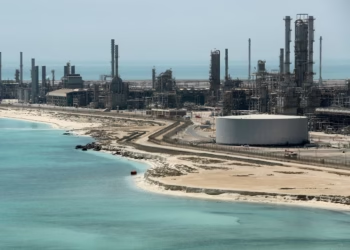 Net Zero by 2050 ‘Cheaper Than One Fossil Fuel Crisis’
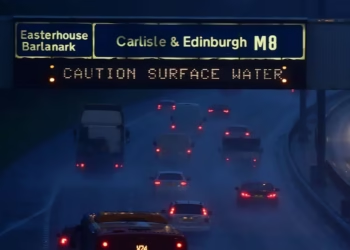 Travel Chaos on M8 and M74 Amid 70 mph Gales as Trains Also Cancelled
 London Considers New SUV Charges to Improve Road Safety
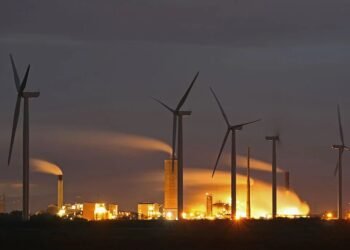 UK Energy Reform Could Cut Bills by £200
 MPs Slam Agency Over Failing Fight Against Waste Dumping
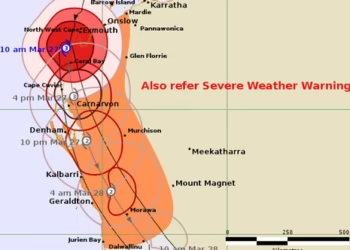 Tropical Cyclone Narelle Batters the Western Australian Coast
 Spring Awakening: Temperatures to Hit 17°C as Britain Bathes in Sunshine
 Red Skies and Raging Floods: One Dead as Storm Erminio and Saharan Dust Grip Greece
 The Banbridge Rescue: 300 Sheep Saved from Massive Hay Shed Inferno
 Storm Dave Disrupts Road and Rail Travel as Conditions Begin to Ease
 Country Diary: The Eagle’s Shadow Over the Lambing Shed
 RSPB Urges Summer Bird Feeder Removal to Curb Disease
 The Lough’s Lament: Can Fiction Spark a ‘Seismic’ Rescue for Lough Neagh?
 Southern Skies: High Turnout and Surprise Visitors in Birdwatch 2026
 Heavier SUVs Accelerate Britain’s Pothole Crisis
 Cyclone Vaianu Forces Mass Evacuations in New Zealand
 Night of Fire: Thousands of Turkeys Perish in Cheshire Barn Inferno
 Crackdown Backfires on UK Climate Protesters
 Capitalism ‘Suicidal’, Warns Petro at Climate Summit
 Record May Heat to Cold Front in Eastern Australia
 “A Canvas of Spring”: Readers Capture Scotland’s Golden Hour and New Life
 Tractor Breakdown Tests Lincolnshire Farmers
 Britons Build Emergency Supplies Amid Rising Fears
 Sycamore Gap Artwork Chosen After Public Vote
 UK rejects EV charging VAT cut amid Treasury clash
 Hope for mountain bongos returns to Kenya
 Saving Our Lost Rainforests: The Battle for Dartmoor
 Family Says Heatwave Drownings Reopen Grief
 At Least 19 Killed After Powerful Earthquake Hits Southern Philippines
 Airline Leaders Warn 2050 Net Zero Target May No Longer Be Achievable
 Man Praised for Saving Neighbours After Lightning Strike Sparks House Fire
 Whitehall Steps In: The Battle Over Thames Water Deepens