
Published: 29 June 2026
The English Chronicle Desk
The English Chronicle Online
Schools should not face criticism or penalties for remaining open during periods of extreme heat, according to a headteacher who has urged policymakers and education authorities to recognise the complex decisions school leaders must make during severe weather events.
The comments come amid growing debate over how schools should respond to heat-health alerts as rising temperatures become an increasingly common feature of British summers.
In recent years, heatwaves have prompted concerns about pupil welfare, staff safety and the suitability of school buildings designed for cooler climates. Some schools have adjusted timetables, relaxed uniform rules or introduced additional measures to help students cope with high temperatures.

However, the question of whether schools should close during extreme heat has remained controversial.
The headteacher argued that decisions about opening or closing schools should take account of local circumstances rather than relying on blanket expectations.
“School leaders have a responsibility to protect pupils and staff, but they also have a responsibility to ensure children continue receiving an education,” the head said. “Those decisions are rarely straightforward.”
The remarks follow criticism directed at some schools that chose to remain open during recent heat alerts.
While concerns were raised about classroom temperatures and pupil comfort, many education leaders defended their decisions, arguing that appropriate safety measures had been implemented.
Schools across the country have increasingly faced challenges linked to extreme weather.
Many older buildings lack modern cooling systems, making classrooms uncomfortable during prolonged periods of high temperatures.
Teachers have reported difficulties maintaining concentration levels among pupils, while some parents have expressed concerns about health risks associated with excessive heat.
Despite these challenges, school leaders say closure is not always the most practical solution.
Many families depend on schools for childcare during working hours, and closures can create significant disruption for parents and carers.
There are also concerns about lost learning time, particularly following years of educational disruption caused by other factors.
Education experts note that attendance remains a key priority for schools seeking to improve outcomes for pupils.
Extended absences can affect academic progress, particularly among disadvantaged students who may have fewer opportunities for learning outside the classroom.
As a result, many schools attempt to remain open whenever it is safe to do so.
Public health authorities have issued guidance designed to help educational settings manage hot weather safely.
Recommendations often include increasing access to drinking water, encouraging pupils to stay in shaded areas, reducing strenuous physical activity and allowing more flexible clothing policies.
Many schools have adopted such measures during recent heatwaves.
Headteachers argue that they are often best placed to assess local conditions and determine what actions are necessary.
Factors such as building design, available facilities, pupil needs and staffing levels can vary significantly between schools.
Supporters of local decision-making believe these differences make a one-size-fits-all approach difficult to implement.
The debate reflects broader concerns about how public services should adapt to increasingly frequent periods of extreme weather.
Climate scientists have warned that heatwaves are likely to become more common and more intense as global temperatures continue to rise.
As a result, schools may face growing pressure to develop long-term strategies for managing hotter conditions.
Some education unions have called for greater investment in school infrastructure, including improved ventilation, shading and cooling systems.
They argue that many school buildings were not designed to cope with prolonged periods of high temperatures and may require upgrades to remain suitable learning environments.
Parents have expressed mixed views on the issue.
Some believe schools should close when temperatures reach potentially dangerous levels, while others support efforts to keep classrooms open provided adequate safeguards are in place.
Many families recognise the difficulties school leaders face when balancing educational needs with health considerations.
Policy experts suggest that future discussions may focus on resilience rather than temporary responses.
This could involve redesigning school buildings, planting more trees around campuses and incorporating climate adaptation measures into long-term planning.
Several local authorities have already begun examining how public buildings can better withstand extreme weather events.
The headteacher behind the latest comments said school leaders deserve support rather than criticism when making difficult decisions during heat alerts.
They argued that maintaining educational provision while protecting health requires careful judgement and flexibility.

“Every school is different,” the head said. “What matters is making responsible decisions based on the needs of pupils and staff.”
As Britain experiences increasingly warm summers, questions about how schools respond to extreme heat are likely to become more common.
For education leaders, the challenge will be finding ways to maintain safe learning environments while ensuring that children continue to receive the support and education they need.
The debate highlights the broader reality that climate-related pressures are beginning to influence everyday decisions across public services, including the nation’s schools.
Related News:
 Japanese City Closes Nearly 100 Schools After Rare Bear Sighting
 Woman Appears in Court Over Fatal Wimbledon School Crash
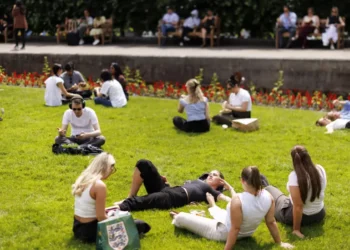 Amber Heat Health Alerts Issued as UK Temperatures Expected to Exceed 30C
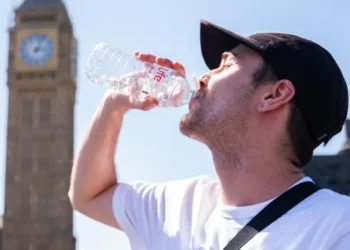 Met Office Issues Amber Extreme Heat Warning as Temperatures Near 35C
 Princess of Wales Launches Animated Video Series to Support Early Childhood Development
 My Husband Won’t Stop Playing with Lego and It’s Driving Me Nuts
 More than a Quarter of A-Level Students Poised to Achieve Top Grades Across UK
 Why Where You Live Can Affect Your School Grades – And the Gap Between Areas Is Only Widening
 Compulsory Period Education for Boys and Girls Urged by New Study
 Calls Grow for a Complete Ban on Smacking as Public Opinion Shifts
 Education Leaders Call for End to Compulsory GCSE Resits in English and Maths
 Thousands of New School Nursery Places to Be Rolled Out Across England
 UK Graduates in Healthcare Report Highest Satisfaction with Degree Choices
 Growing Crisis in UK Schools: One in Three Parents Seek Special Needs Assessments
 UK Launches Initiative to Teach Democracy to Toddlers in Memory of Sir David Amess
 It Changed My View’: Campaign Encourages Pupils in Deprived Areas to Consider University
 White Low-Income Pupils in England Show Lowest Levels of School Engagement, Study Finds
 Teacher Permanently Banned After Slapping Pupil Over Classroom Incident
 Parents spending £5,000 on special school assessments in England
 New V-Level qualification to transform post-16 education
 The debate over England’s compulsory reading test for 13-year-olds
 One in 12 Secondary Pupils Sent to Isolation Weekly
 Children to Learn Local History in Major Curriculum Overhaul
 Top Christmas Books Reads: Classics to Cozy Romcoms
 Greta Thunberg Backs Student Facing UK Visa Revocation
 Labour immigration crackdown could cost UK £4.4bn
 London’s Childlessness Crisis: Schools Closing as Families Shrink
 Nigeria’s $25m Museum Faces Political Storm Amid Benin Bronzes Debate
 Phillipson Accused of Appeasing Unions by Diluting EBacc
 England’s Special Needs Support Faces Breaking Point
 Scottish Families Take Legal Action Over School CO Leak
 Graduate Surge Boosts Maths and Science Teacher Recruitment
 Christmas Code-Crackers: GCHQ Unveils Annual Festive Puzzle Card
 Tory Free Schools Waste £325m on Failed Projects
 ACCA Ends Remote Exams Over AI Cheating Surge
 Cambridge College Faces Backlash Over Private School Recruitment
 Pressure mounts on No 10 over under-16s social media ban
 UK Ministers Drop Foreign Student Targets for Global Education Push
 Cambridge Faces Scrutiny Over Arms Investment Transparency
 Harvey Willgoose School Stabbing Red Flags Missed
 Dozens of Flood Warnings in England After Days of Non-Stop Rain
 Send spending gap leaves deprived areas behind
 FLOOD TRAGEDY: Man Dies After Entering Floodwater During Police Chase
 Students Begin Covid Compensation Claim Against 36 More Universities
 Snow and Rain Warnings as Cold Snap Continues in the UK
 Flooding May Worsen Before It Improves as More Rain Forecast for the UK
 With Scottish Freebies Under Threat, University Tuition Is on the ‘Hit List’
 Eight Skiers Found Dead After California Avalanche
 NSW to Introduce Minimum Age for Ebike Riders
 ‘Don’t Make Us Security Guards,’ Says Teacher Stabbed by Pupil
 Bumper Ski Season but Avalanches Threaten Scotland’s Snowy Hills
 Toddlers in Finland Lead the Fight to Save Sámi Language
 Storm Hernando: Edinburgh Airport Flights Cancelled in US Travel Chaos
 Sydney kidnapping mystery deepens as grandfather’s remains found after mistaken abduction
 Will the New SEND Reforms in England Work? You Have Your Say
 Stranger ‘On Drugs’ Stabbed Saudi Student to Death in Cambridge
 Biker Suffers Fractured Spine After Hitting Pothole in Edinburgh
 Scots Head Teacher Pays Tribute to Teen Who Died in Car Fire
 New Survey Reveals Troubling Rise in Campus Antisemitism
 Spring Awakening: Temperatures to Hit 17°C as Britain Bathes in Sunshine
 Keir Starmer Vows Strong Action Against Online Tech Giants
 Schools Lack Staff to Make SEND Reforms Work, Union Warns
 Storm Dave Disrupts Road and Rail Travel as Conditions Begin to Ease
 Bangladesh Launches Emergency Vaccine Drive After 100 Child Deaths
 The Pre-School Lottery: Families Left in ‘Holding Pattern’ as Local Places Vanish
 School Plate Revolution: England Bans Fried Menu Classics
 Fading Maple Leaf: Why Indian Students Are Reconsidering the Canadian Dream
 Canadian astronaut French words ease language row
 Older Than Dinosaurs: Secrets of Mayfly Dance Revealed
 Schools Urged to Remove Pupil Photos as AI Threats Rise
 Tractor Breakdown Tests Lincolnshire Farmers
 Victoria Labor Launches Apprenticeship Expansion Plan
 Tech Trends and the Battle Against Exam Hall Cheating
 “I Applied for Hundreds of Jobs” — The Advice That Finally Worked
 Man Arrested After Alleged “Brutal and Shocking” Attempted Murder Attack in Belfast
 Man Praised for Saving Neighbours After Lightning Strike Sparks House Fire
 Prince George Set to Begin Studies at Eton This September
 The Hybrid School Revolution Defying the Social Media Ban
 White Working-Class Children Being Failed by Education System, Major Inquiry Warns