Published: 29 June 2026
The English Chronicle Desk
The English Chronicle Online
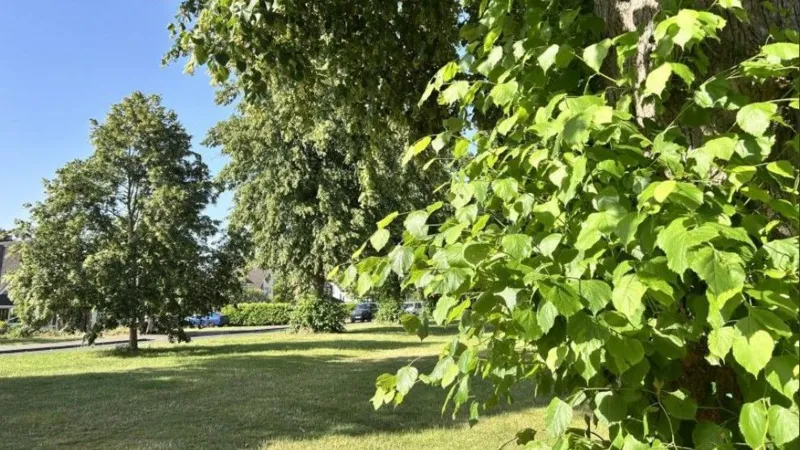
As temperatures soar during periods of extreme heat, most people think first of the risks posed to human health, infrastructure and water supplies. However, experts are increasingly warning that prolonged hot weather can also have a significant impact on trees, sometimes causing large branches—or even entire trees—to collapse without warning.
Recent heatwaves have prompted concerns among arborists and environmental specialists after reports of trees failing during exceptionally hot conditions. While trees are generally resilient and capable of surviving a wide range of weather extremes, prolonged periods of intense heat can place them under considerable stress.

The phenomenon has attracted growing attention as climate change contributes to more frequent and severe heatwaves in many parts of the world.
Tree specialists explain that extreme heat affects trees in several ways. One of the most significant impacts is water loss.
Like all living organisms, trees rely on water to maintain healthy internal functions. During hot weather, they lose moisture through their leaves in a process known as transpiration. When temperatures remain unusually high for extended periods, trees may struggle to replace the water they are losing.
As soil dries out and water becomes less available, trees can experience severe drought stress.
This stress can weaken structural integrity, reduce growth and make trees more vulnerable to disease and pests. In some cases, internal cracks may develop within branches or trunks, increasing the likelihood of failure.
A particular concern during heatwaves is a phenomenon sometimes referred to as “summer branch drop.”
This occurs when large branches suddenly detach from otherwise healthy-looking trees, often during periods of high temperatures and little wind.
Although researchers continue to study the exact causes, experts believe heat-related stress can contribute to changes within a tree’s structure, making branches more susceptible to breaking.
The unpredictability of such incidents makes them especially challenging.
Unlike storm damage, which is often associated with strong winds or visible structural weaknesses, heat-related branch failures can occur with little warning.
Parks, streets and public spaces containing mature trees may therefore require additional monitoring during periods of extreme weather.
Arborists say certain species appear more susceptible than others.
Large broadleaf trees with expansive canopies have historically been associated with cases of summer branch drop, although experts stress that the issue can affect a variety of species under the right conditions.
The age and health of a tree also play important roles.
Older trees may face greater challenges adapting to prolonged heat, particularly if they are already affected by disease, decay or previous damage.
Urban environments can increase risks further.
Cities often experience the “urban heat island” effect, where concrete, asphalt and buildings absorb and retain heat, making temperatures significantly higher than surrounding rural areas.
Trees growing in these conditions frequently face additional pressure due to restricted root systems, compacted soils and limited access to water.
Climate scientists note that rising global temperatures may intensify these challenges in the coming decades.
As heatwaves become more frequent, trees that evolved under cooler climatic conditions may struggle to adapt.
This could affect not only individual trees but entire urban forests and ecosystems.
The consequences extend beyond safety concerns.
Trees play a crucial role in moderating temperatures, improving air quality, supporting biodiversity and storing carbon.
When mature trees are lost, communities can lose valuable environmental benefits that take decades to replace.
Local authorities are increasingly recognising the importance of tree management during extreme weather events.
Many councils conduct regular inspections of trees in parks, along roads and in other public spaces to identify signs of stress or structural weakness.
These inspections may become even more important as climate-related pressures grow.
Experts emphasise that the vast majority of trees remain safe during hot weather and continue providing significant benefits to communities.
However, awareness of potential risks allows authorities and landowners to take preventative action when necessary.
Proper maintenance can help reduce the likelihood of heat-related failures.
Measures such as watering young trees during droughts, improving soil conditions and removing dead or damaged branches can enhance resilience.
Long-term planning is also becoming increasingly important.
Landscape designers and urban planners are exploring the use of tree species better suited to warmer climates, while researchers continue studying how different varieties respond to extreme weather.
Environmental groups argue that protecting trees should remain a priority despite the challenges posed by climate change.
Healthy urban forests are considered a vital tool for helping cities adapt to rising temperatures because they provide shade and help cool surrounding areas.
Ironically, the very heatwaves that place trees under stress also highlight their importance.
Neighbourhoods with extensive tree cover often experience lower temperatures than areas with little vegetation, offering relief during periods of extreme heat.
For residents, experts recommend exercising caution when spending time beneath large trees during severe heat events, particularly if visible signs of damage are present.
However, specialists stress that trees remain overwhelmingly beneficial and that isolated incidents should not discourage communities from planting and protecting them.

As climate change reshapes weather patterns, understanding how extreme heat affects the natural environment is becoming increasingly important.
The challenges facing trees serve as a reminder that rising temperatures impact not only people but entire ecosystems.
By investing in tree care, sustainable urban planning and climate resilience measures, communities can help ensure that these valuable natural assets continue to thrive despite the growing pressures of a warming world.
Related News:
 Dozens of Flood Warnings in England After Days of Non-Stop Rain
 Fast-moving Wildfires Rage Across Southwestern US
 UK Winter Nowhere Near a Record Breaker Despite Floods and Storms
 UK Records Warmest Day of the Year as Temperatures Exceed 18 °C
 Evacuations Ordered as California Wildfires Spread Fast
 Queensland Braces for Potential Second Severe Cyclone Hit
 Amber Heat Health Alerts Issued as UK Temperatures Expected to Exceed 30C
 Met Office Issues Amber Extreme Heat Warning as Temperatures Near 35C
 Temperatures Set to Fall This Week, But Forecasters Warn Heat Could Return Soon
 What is Groundwater Flooding and Why Dorset is Seeing ‘Historical Highs’
 BRRRITAIN: Met Office Issues Yellow Weather Warning for More Snow
 Temperatures Dip Below Freezing as Arctic Air Sweeps Across the UK
 Flooding May Worsen Before It Improves as More Rain Forecast for the UK
 Shutting North Sea ‘Will Drive Up Carbon Emissions’
 Brace for Trump’s Brave New World of 1.7°C Global Warming
 As Trump Retreats from Climate Goals, China Is Becoming a Green Superpower
 ‘The New Tobacco’: Cities Ban Fossil Fuel Adverts
 Storm Hernando: Edinburgh Airport Flights Cancelled in US Travel Chaos
 Storm Hernando: Edinburgh Airport Flights Cancelled in US Travel Chaos
 Scotland’s Climate Plans Face Scrutiny Over ‘Science Fiction’ Targets
 Ocean Warming Drives Massive Marine Life Loss, Study Warns
 Tropical Flowers Shift Blooming Due to Climate Crisis
 Farmers on Edge as Record Rainfall Dampens Slurry Season
 Conservation Budgets Hit by Increased Fly‑Tipping Costs
 Net Zero by 2050 ‘Cheaper Than One Fossil Fuel Crisis’
 Scotland Braces for 80mph Gales and ‘Intense Rain’
 Millions Left Without Power as Grid Fails
 Concern Over Six Weeks of Sewage Discharge Into River
 Red Skies and Raging Floods: One Dead as Storm Erminio and Saharan Dust Grip Greece
 UK Records Earliest Spring as Nature Awakens Fast
 Cyclone Vaianu Forces Mass Evacuations in New Zealand
 Capitalism ‘Suicidal’, Warns Petro at Climate Summit
 Record May Heat to Cold Front in Eastern Australia
 The Great May Meltdown: Europe Braces for a Historic Swing from Arctic Chill to Extreme Late-Spring Heat
 UK Faces Mass Water Shortages by 2055, Lords Warn
 Hope for mountain bongos returns to Kenya
 Mangrove Forests Recover After Years of Damage
 Deadly Earthquake Hits Philippines
 At Least 19 Killed After Powerful Earthquake Hits Southern Philippines
 Airline Leaders Warn 2050 Net Zero Target May No Longer Be Achievable
 Japanese City Closes Nearly 100 Schools After Rare Bear Sighting
 Schools Should Not Be Penalised for Opening During Heat Alerts, Headteacher Says
 Net Zero School Remains Cool and Open as Heatwave Tests Britain’s Buildings
 ‘Extinct’ Antelope Returns to Sahara, Bringing Hope
 Conservatives Pledge to Scrap 2030 Petrol and Diesel Car Ban
 Eden Project Founder Celebrates 25 Years of Nature’s Hope
 Local Fish Could Boost UK Health and Economy Significantly
 UK Weather: End of Cold Spell in Sight as Temperatures Rise
 Storm Goretti leaves Cornwall homes without power
 No Gas Boiler Ban as UK Warm Homes Plan Backs Heat Pumps
 Devon hosts first high-density hydro power system
 US-Style Pickup Trucks Surge on UK Roads
 South Africa’s Garden Route Gem Faces Looming Water Crisis
 Draft Severe Weather Plan Following Storm Flooding
 Wigan Dump Crisis Sparks Health and Safety Alarm
 Snow and Rain Warnings as Cold Snap Continues in the UK
 Eight Skiers Found Dead After California Avalanche
 Fly-Tippers to Be Hunted by ‘Drone Squad’ in Crackdown from the Sky
 How Do You Modernise Mango Farming? India’s Growers Urged to Innovate as Climate Change Hits
 Germany Faces Backlash Over Scrapped Renewable Heating Mandate
 UK’s First Geothermal Plant Powers 10,000 Homes
 Biker Suffers Fractured Spine After Hitting Pothole in Edinburgh
 The Banbridge Rescue: 300 Sheep Saved from Massive Hay Shed Inferno
 Country Diary: The Eagle’s Shadow Over the Lambing Shed
 Miles Jupp: How the Magic of the Ashes Sparked a Bold Blag
 The Toxic Scent Destroying Life in a Lancashire Town
 Moldova River Crisis Exposes War’s Hidden Cost
 Fuel Prices Drop Despite Geelong Refinery Blaze
 Celestial Magic: The Lyrid Meteor Shower Returns
 Governments Fail Murray-Darling River Projects
 Crackdown Backfires on UK Climate Protesters
 Renewable Energy as a Strategic Shield for UK Security
 Ukraine strikes Tuapse as oil disaster worsens
 The Campaign To Save Britain’s Original Bramley Apple Tree
 Pope Meets Families in Italy Toxic Waste Zone
 UN Issues Urgent Warning: Imminent Return of El Niño
 Bear Escapes Factory Through Open Window
 Trump Approves $700m Coal Industry Investment
 Man Praised for Saving Neighbours After Lightning Strike Sparks House Fire