Published: 29 June 2026
The English Chronicle Desk
The English Chronicle Online
The United States has announced that it has agreed to “stand down” following a recent exchange of military strikes with Iran, a development that could ease fears of a wider regional conflict after days of heightened tensions.
The statement has been cautiously welcomed by diplomats and international observers who had expressed concern that retaliatory attacks by both sides could trigger a dangerous escalation across the Middle East.
The confrontation marked one of the most serious periods of tension between Washington and Tehran in recent years, prompting urgent diplomatic efforts by regional partners and international allies seeking to prevent a broader military crisis.

According to officials, the agreement to stand down follows a sequence of military actions that raised alarm across global capitals. While details surrounding the strikes remain subject to official assessments, both countries had exchanged warnings and signalled readiness to respond to perceived threats against their interests.
The situation intensified fears of a prolonged confrontation that could have significant consequences for regional stability, energy markets and international security.
US officials said the decision to halt further military action reflected a desire to avoid unnecessary escalation while maintaining national security interests.
Government representatives stressed that the United States remained committed to protecting its personnel, allies and strategic assets in the region but viewed de-escalation as the preferred path forward.
Iranian authorities have also signalled that they do not currently seek a wider conflict, although officials in Tehran continue to defend what they describe as their right to respond to actions threatening national sovereignty and security.
Political analysts note that both governments faced considerable pressure to demonstrate strength while simultaneously avoiding a confrontation that could spiral beyond their control.
The Middle East has experienced numerous periods of heightened tension involving the United States and Iran over the past several decades.
Disputes concerning regional influence, military presence, sanctions, nuclear activities and support for allied groups have frequently contributed to diplomatic crises.
The latest exchange of strikes renewed concerns that longstanding disagreements could once again erupt into direct conflict.
International reaction to the stand-down announcement has largely focused on the importance of diplomacy.
Several governments welcomed signs of restraint and encouraged both sides to pursue dialogue rather than military action.
Foreign ministers from a number of countries urged continued communication channels to reduce misunderstandings and prevent future incidents.
The United Nations and other international organisations have repeatedly emphasised the need for diplomatic solutions to regional disputes.
Officials have warned that military escalation could worsen existing humanitarian challenges and increase instability in already fragile areas.
Energy markets closely monitored developments throughout the crisis.
The Middle East remains one of the world’s most important energy-producing regions, and any conflict involving major regional powers can affect global oil and gas supplies.
Analysts observed fluctuations in commodity prices as investors assessed the potential implications of the confrontation.
Financial markets generally responded positively to indications that tensions might be easing.
Investors often view diplomatic progress as reducing uncertainty, particularly when disputes involve strategically significant regions.
Security experts caution that although the immediate risk of escalation may have diminished, underlying disagreements between Washington and Tehran remain unresolved.
The issues that contributed to the confrontation continue to shape relations between the two countries and could generate future disputes if diplomatic efforts stall.
Regional governments are also carefully watching developments.
Many countries in the Middle East maintain complex relationships with both the United States and Iran and have a strong interest in avoiding military instability that could affect trade, investment and domestic security.
Several regional leaders have reportedly supported efforts aimed at reducing tensions and encouraging direct communication.
Military analysts note that modern conflicts can escalate rapidly, particularly when retaliatory actions create cycles of response and counter-response.
The decision by both sides to step back from further strikes may therefore represent a significant moment in preventing a broader confrontation.
Nevertheless, experts stress that de-escalation agreements require ongoing commitment and careful management.
Miscalculations, misunderstandings or unexpected incidents could still create new challenges if communication channels are not maintained.
For ordinary citizens across the region, the possibility of reduced tensions offers a measure of relief.
Communities living in areas affected by previous conflicts are particularly aware of the human and economic costs associated with military escalation.
Many hope that diplomatic engagement will now replace threats of further violence.
Observers say the coming weeks will be crucial in determining whether the stand-down evolves into a more sustained period of dialogue.
Some analysts believe the crisis could create an opportunity for renewed diplomatic engagement, while others warn that deep political differences will remain difficult to overcome.
The episode highlights the fragile balance that often characterises relations between major powers in the Middle East.
Even limited military exchanges can generate international concern and trigger extensive diplomatic activity aimed at preventing wider conflict.
For now, the announcement that both sides have agreed to stand down appears to have reduced immediate fears of escalation.

However, policymakers, diplomats and security experts agree that long-term stability will depend on continued restraint, effective communication and a willingness to address the broader issues that have fuelled tensions for years.
As international attention remains focused on developments in the region, many will be watching closely to see whether this pause marks the beginning of a more stable period or simply a temporary break in a longstanding rivalry.
Related News:
 Hopes and Fears as US Iranians Take to Streets After Toppling of Supreme Leader
 Iran, the US, and a World Cup That Starts in Three Months
 Trump’s Iran Endgame Unclear After Mixed Messaging on War Aims
 Did Trump Declare War and Did Congress Approve Iran Attacks? What to Know
 Rubio Responds to Reported Strike on Iranian School
 US Strikes on Iran Triggered by Israel’s Plan to Launch Attack, Rubio Says
 Sixth American Service Member Killed in Iran Operation as Conflict Intensifies
 Trump Rebukes Starmer Over UK Refusal to Back Strikes on Iran
 US Senate Backs Trump War Powers Amid Iran Missile Barrage
 UK Prepares Aircraft Carrier for Middle East Crisis
 Iran Says ‘Guiding Principles’ Agreed With US at Nuclear Talks
 US Pushes to Recruit Organised Crime Gangs into Gaza Police Force
 US Urges Iran to Make Deal as Military Presence Rises
 US Build-Up of Warships and Fighter Jets Tracked Near Iran
 Iran’s Regime Still Intact — Coming Days Will Test Its Survival
 Allies of US in the Gulf Bear Brunt of Iran Attacks
 Retaliations Continue on Day Two of US-Israel Attacks on Iran
 At Least 153 Dead After Reported Strike on School, Iran Says
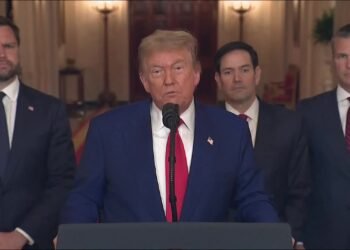 At Least 153 Dead After Reported Strike on School, Iran Says
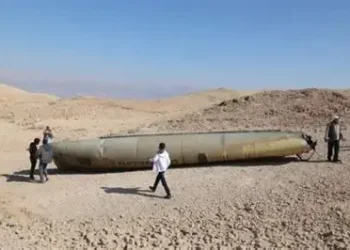 BBC Reports from Beit Shemesh After Deadly Iranian Missile Strike
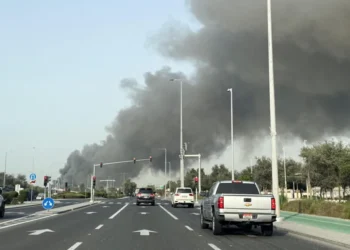 Allies of US in the Gulf Bear Brunt of Iran Attacks
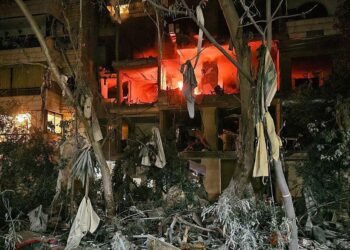 Israeli Attacks Kill 31 in Lebanon, Iran Strikes Across Region, US Warplanes Crash in Kuwait
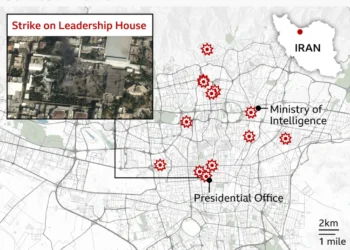 In Maps: Strikes Across Iran and the Middle East
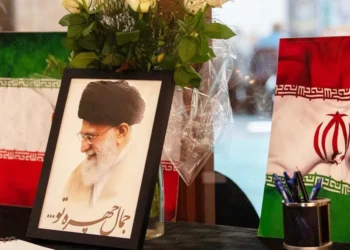 Months of Planning Behind US‑Israeli Mission to Target Iran’s Supreme Leader
 Cooper: Joining US Strikes on Iran ‘Not in Britain’s Interest’
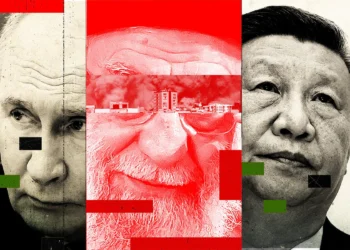 What Khamenei’s Death Means for Russia and China
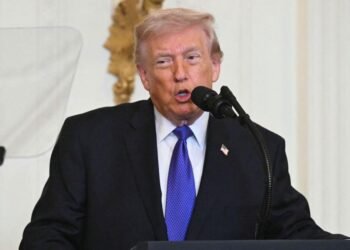 Tehran Makes New Threat to Gulf Shipping as US Says ‘Hardest Hits’ on Iran ‘Yet to Come’
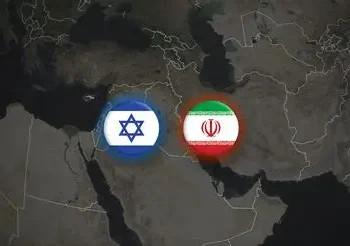 The Third Day of the US‑Israeli War With Iran
 Why the US and Israel attacked Iran
 Israel Launches Fresh Strikes on Tehran & Beirut; US Warns “Hardest Hits” Ahead
 Three Days In, This War’s End Is Still Unclear
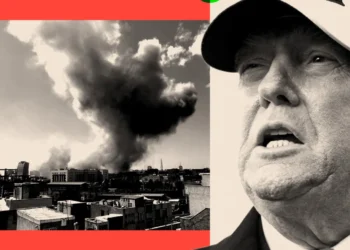 US Has ‘Enough Weapons for Forever War,’ Trump Says
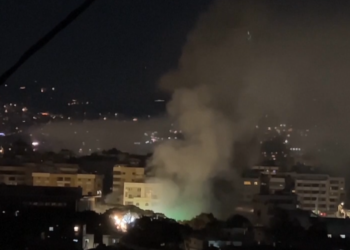 Israel Strikes Lebanon After Hezbollah Rocket Fire as Iran Conflict Widens
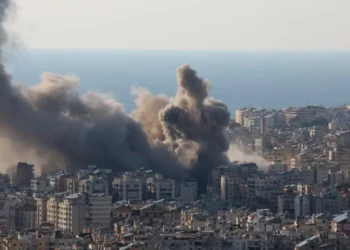 Latest on Middle East Conflict — In Maps: Strikes Across Iran and the Region
 Amazon Says Drones Damaged Three Facilities in UAE and Bahrain
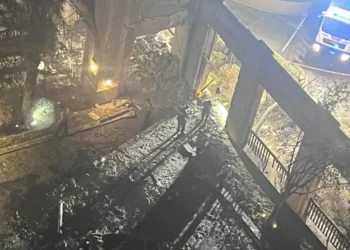 Man Recalls ‘Terrifying’ Dubai Missile Ordeal During Iran Strikes
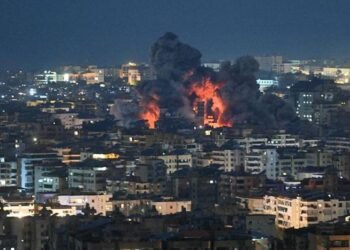 Israel’s New Airstrikes on Tehran & Beirut After US Embassy in Riyadh Is Hit
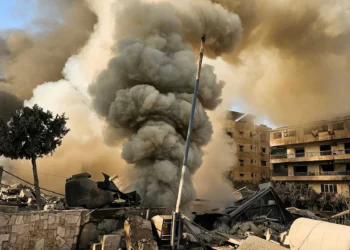 Israel Launches Ground Invasion of Lebanon Amid Widening Middle East War
 Trump Underestimated the Iranian Regime’s Will to Survive
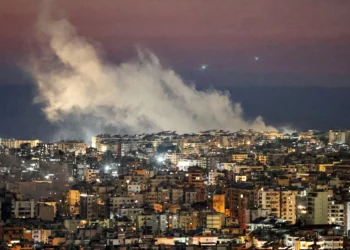 U.S. Tells Citizens to Leave Israel Now as Regional Conflict Escalates
 Iranian Rockets Are Testing the Resolve of Dubai’s Instagram Stars
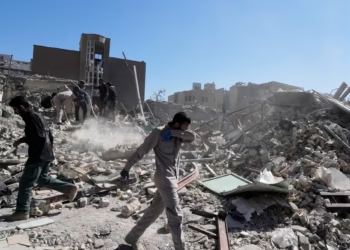 US Embassy in Riyadh Hit by Iranian Drones as Israeli Troops Enter Southern Lebanon
 First Wave of Europeans Stranded by Iran Conflict Return Home, With Hundreds of Thousands Still Left in Region
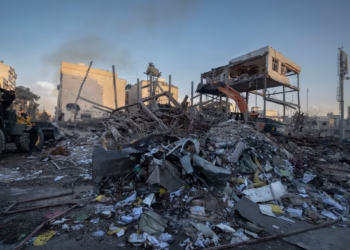 Civilian Deaths in Iran Pass 700 Amid Fear of Bombs and Regime Clampdown
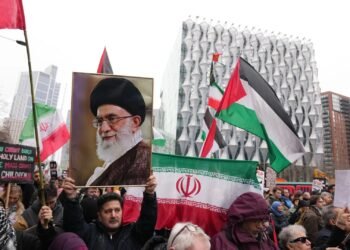 Thousands Protest Iran Strikes Outside US Embassy London
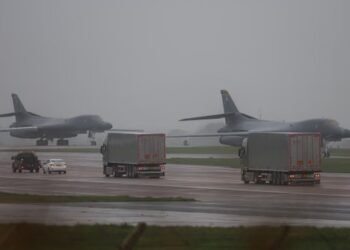 US Bombers Arrive at RAF Base Amid Rising Iran Tensions
 Ukraine war briefing: Zelenskyy offers help to Saudi Crown prince on combatting Iranian drones
 Nine Days of Strikes Reshape the Middle East
 Putin Orders Evacuation at Iran Nuclear Plant Amid ‘Catastrophe’ Fears
 Trump Threatens Iran With ‘Twenty Times Harder’ Oil Strike
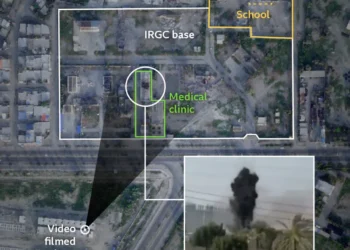 Video Analysis Suggests US Missile Hit Base Near Iran School
 Iran Rejects Ceasefire, Warns Trump With Chilling Message
 Busy International Airport Targeted by Iran in Latest Strikes
 GPS Jamming: The Invisible Battle in the Middle East
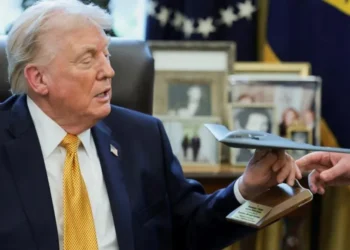 Trump’s Confidence Undimmed — But Every Iran Option Carries Risk
 MAGA Anxiety and the Iran War: A Movement Divided at CPAC
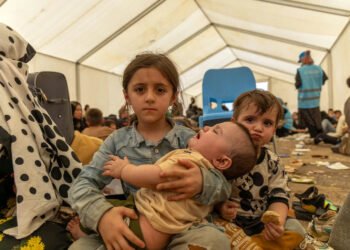 Death, displacement and military duties: children plunged into crisis
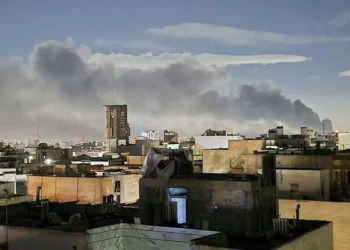 Iran Says Intelligence Chief Killed in US-Israeli Strike as Trump Threatens ‘Hell’ Without Deal
 Ten Dead as Israeli Strikes and Internal Clashes Rock Gaza
 Aid Crisis Grows as Hormuz War Disrupts Supply
 Trump likens US Navy actions to ‘pirates’
 “The Silence of the Victor”: Why Iranians Fear a More Ruthless, Entrenched Regime Post-War
 Middle East Crisis Escalates as Oil Routes Shake Markets
 “The Trading Bonanza”: Shell Profits Soar to $6.9 Billion Amid Iran War ‘Volatility’
 “The Mirage of Stability”: Gulf Economies Face Long-Term ‘Resilience Deficit’ from Iran Conflict
 “The Peace Dividend”: Oil Prices Plunge and Global Stocks Surge on Reports of Iran Ceasefire Deal
 Tensions Emerge in Netanyahu-Trump Alliance
 “Double Trauma”: Iranian Activist Tells BBC How Fear of War Intensifies the ‘National Security’ Weight of Repression
 “Hold Off”: Trump Pauses ‘Scheduled’ Strike After 11th-Hour Appeal From Gulf Allies
 Hunger increasingly weaponised in global conflicts
 Former ICC prosecutor condemns US sanctions
 Trump Claims Iran Peace Deal Near Completion
 Trump-Netanyahu Call Fuels Iran Talk Crisis
 Israel Strikes Iran After Missile Attack
 Iran and Israel Pause Strikes but Warn Retaliation Will Follow Any New Breach
 Israeli Air Strikes Hit Tyre as Regional Tensions Escalate After Iranian Warning
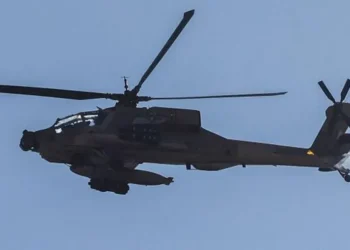 US Launches Strikes on Iran After Military Helicopter Downed Near Strait of Hormuz
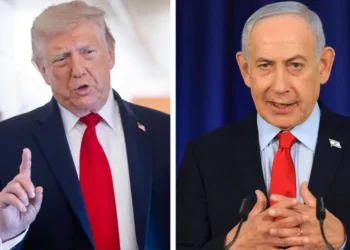 Efforts to Reshape Middle East Risk Creating Long-Term Regional Crisis, Analysts Warn
 Three Indian Sailors Killed in US Strike on Tanker Near Oman as US–Iran Conflict Escalates
 First Round of US-Iran Talks Ends With ‘Encouraging Progress’, Mediators Say