Published: 01 July 2026. The English Chronicle Desk. The English Chronicle Online.
British households are facing a very severe financial challenge as energy bills rise significantly today. The government announced a major increase in the official energy price cap across Great Britain. This new adjustment will add more than two hundred pounds to typical annual domestic bills. Millions of families will struggle to heat their homes during the coming winter months ahead. Global gas markets have suffered months of extreme volatility, driving these domestic price increases now.
The statutory cap on gas and electricity rates has risen to an unprecedented new level. This shift will drag an enormous number of vulnerable households directly into deep fuel poverty. Campaigners warn that millions cannot afford this sudden increase in their regular monthly energy outgoings. Around thirteen million homes must now spend over ten percent of income on utility bills. This figure represents a massive increase from the previous totals recorded earlier this past spring.
In April, the number of struggling households stood at just under eleven million total homes. The End Fuel Poverty Coalition provided these stark figures based on recent independent scientific research. Academic experts at the University of York conducted the underlying study on household financial wealth. This current price spike represents the steepest summer energy increase seen in four long years. Nearly five million homes will face bills consuming one-fifth of their total household net earnings.
This deepens the economic pressure already felt by families across the entire United Kingdom today. In April, only about four million homes experienced such an intense level of financial deprivation. Simon Francis acts as the main coordinator for the leading fuel poverty advocacy group here. He explained that these numbers reveal the harsh reality behind the official headline price statistics. A growing number of citizens are spending unsustainable portions of income on basic utility bills.
They must pay these high costs to keep warm during the long winter months ahead. They also need sufficient energy to cool their homes during the peak summer seasonal periods. Francis warned that the broader situation could deteriorate further as the calendar year moves forward. Rising costs over the summer months will prevent families from clearing existing domestic utility debts. Any chance to build financial reserves before the winter heating season will be completely lost.
Consumers face direct hits to their bank accounts through altered unit rates for household power. Electricity rates will rise from twenty-four pence to over twenty-six pence per single kilowatt hour. Meanwhile, gas charges will jump significantly from five pence to over seven pence starting today. These specific figures apply directly to customers who settle bills using standard direct debit payments. The calculations reflect the dual fuel requirements of an average British domestic property each year.
The energy regulator recently updated its official methodology for assessing typical domestic energy usage patterns. The new system assumes that modern consumers use less energy than was previously recorded officially. Under these new assumptions, the regulator estimates typical spending at sixteen hundred pounds annually. This lower figure still represents a massive financial burden for lower-income working families nationwide. Energy analysts expect costs to remain exceptionally high well into the upcoming autumn season ahead.
Experts at Cornwall Insight monitor these market trends closely to predict future consumer financial impacts. The arrival of cooler weather will naturally trigger increased gas consumption across the entire nation. This seasonal shift will hit vulnerable households much harder as temperatures begin to drop down. The consultancy forecasted a very minor reduction in typical bills starting this coming October. Average annual costs could decrease by a mere half percent under the newly established metrics.
This marginal drop offers little comfort to families struggling with the broader ongoing economic crisis. The ongoing surge in utility costs has reignited fierce debates about national British energy policy. Campaigners are demanding urgent government intervention to tackle Britain’s severe affordability crisis permanently right now. The prominent trade union Unite is currently organizing coordinated protests across the entire United Kingdom. Activists are calling for an immediate and deep cut to all domestic household energy costs.
They also demand a comprehensive, structured plan to renationalize major British energy companies very quickly. Sharon Graham serves as the dedicated general secretary for this powerful labor union organization here. She described the price cap increase as another severe blow to working-class families nationwide today. Citizens are already battling a relentless cost of living crisis alongside stagnant wage growth trends. Graham noted that British citizens pay some of the highest energy prices across all Europe.
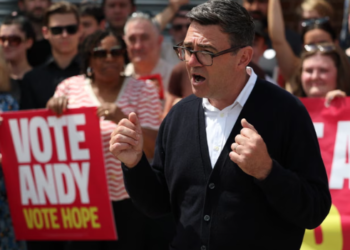
She argued passionately that utility costs should be falling rather than rising right now instead. The political landscape is shifting as leaders propose radical solutions to these structural domestic issues. Andy Burnham is widely expected by political commentators to become the next British prime minister. He delivered a major public address on Monday outlining his vision for the changing country. Burnham set out a long-term ambition to grant local leaders much greater public control.
This decentralization would include essential public services like regional energy networks and local transport systems. Increased public oversight aims to curb the rising cost of living for ordinary British citizens. Simon Francis responded to these political proposals with a mixture of hope and deep caution. He suggested that any new administration must fundamentally rewire how energy bills are calculated officially. Plans to devolve regional control will fail without a permanent and effective national social tariff.
Ministers must also eliminate systemic energy debt and reduce basic electricity generation costs across Britain. A credible strategy is needed to break the operational link between gas and electricity prices. The current government has defended its record while acknowledging the public anxiety surrounding these bills. Martin McCluskey serves officially as the current minister responsible for British energy consumers today. He stated that families are deeply concerned about rising costs driven by international geopolitical conflicts.
The minister emphasized that the administration is determined to fight for vulnerable domestic utility consumers. Officials have already removed certain policy costs directly from standard home energy bills this year. The state also expanded the warm home discount scheme to provide essential financial aid nationwide. This targeted welfare initiative will benefit approximately six million households across the entire United Kingdom. McCluskey promised that the government will continue monitoring the market before winter arrives here.
Civil servants are currently planning for all potential contingencies during the colder months ahead now. The administration is doubling down on its long-term mission to deliver clean, affordable power supplies. Green energy investments are viewed as the ultimate solution to bring down bills permanently today. Meanwhile, millions of British citizens must find ways to balance their overstretched household financial budgets. The immediate future remains highly uncertain as energy bills continue their upward trajectory this summer.
Communities are coming together to support those most affected by this unprecedented financial shock nationwide. The coming months will test the resilience of families and the efficacy of government policies.
Related News:
 Reeves Faces Setback as Labour May Miss Homes Target
 Trump’s UK Ambassador Urges North Sea Drilling to Strengthen US Ties
 ABF May Split Primark from Food Division Amid Tough Market
 UPS Cargo Plane Crash in Kentucky Kills Seven
 M&S Profits More Than Halve After Cyber-Attack
 Tony Blair think tank warns Rachel Reeves must cut taxes if manifesto broken
 Oprah enjoys Meghan’s jam on English muffins
 MPs Press Rachel Reeves to Hike Gambling Taxes
 Millionaires group urge Reeves to introduce wealth tax to ‘lift kids out of poverty’
 UK toy market enjoys bumper year as ‘kidults’ fuel demand
 Global markets drop amid tech sell-off and China slowdown
 PM Highlights UK Business at G20 in South Africa
 Mossmorran Plant Closure Hits Cowdenbeath Hard
 UK Taskforce Unveils Plan to Streamline Nuclear Reactor Rules
 Steel billionaire Lakshmi Mittal reportedly leaves UK
 Starmer Says Labour’s Economic Plan Needs Years to Deliver
 Virgin Media Fined £23.8m Over Telecare Safety Failures
 Rising Water Bills Lift Troubled Thames Back to Profit
 Sainsbury’s CEO leads business honours in New Year list
 Starmer Faces Parliamentary Battles Over UK-EU ‘Reset’ Plan
 Phoenixism Costs UK Taxpayers Millions in Recruitment Sector
 ScottishPower Tops List of Worst UK Energy Suppliers
 City & Guilds pay surge sparks backlash amid £22m cuts
 UK Government Borrowing Drops to £11.6bn in December
 AI job losses UK: Britain faces sharper employment shock
 Most young adults in UK fear uncertain jobs and economic future
 Royal Mail delivery delays affect 16 million during Christmas
 UK Housing Market Shows Early Recovery Signs
 UK economy struggles as growth stalls at 0.1% in late 2025
 Bank of England Urged to Cut Rates to Spur Growth
 UK Unemployment Rate Climbs to 5.2% Peak
 UK shelves £110m border project amid trade strain
 UK Inflation Surprise Sparks Early Rate Cut Hopes
 Progress on gender equality at top UK firms ‘achingly slow’
 Reeves Must Back Defence Plan or Face Dismissal, Says Unite Chief
 Switching Energy Deal Can Save £200 as Price Cap Falls
 OBR Reform Row Deepens Before Spring Forecast
 UK Hotel Data Sharing Probe Shakes Global Chains
 Rachel Reeves Faces Middle East Conflict Test
 Grocery Inflation Rises Amid War Fears
 Peak Greggs fears as profits tumble sharply
 BrewDog sold Highland estate for knockdown price after abandoning reforestation plans
 Yorkshire Water Funding Sparks Debate Amid Fines and Pay Row
 New £10bn rescue plan offered for Thames Water
 UK Energy Reform Could Cut Bills by £200
 Rising Costs Force Families to Rethink Days Out
 Hospitality Sector Teeters on Brink as Costs Surge
 Iceland Boss Offers Role to Sacked Waitrose Employee
 Student Loan Interest May Rise Despite 6% Cap
 Aegon Sells Historic UK Arm to Standard Life for £2bn
 Major Housebuilder Cuts Land Buying Amid Global Unrest
 UK Staycations Rise as Travel Fears Grow
 City & Guilds Sale Sparks Fees and Pay Uproar
 Silent Tracks: Rail Line Without Passengers
 Heathrow Chair Seeks Peace to Save Third Runway
Carillion Executives Banned After Reckless Misconduct
Heathrow Chair Seeks Peace to Save Third Runway
Carillion Executives Banned After Reckless Misconduct
 Lotus Boss Pledges Future to Norfolk and Seeks State Support
 Millionaires Back Higher Taxes to Save UK Public Services
 UK Firms Freeze Spending as Iran Conflict Bites
 Summer Shock: British Energy Bills Set for Grim July Hike
 Reeves to Fast-Track Clean Energy Amid Iran Crisis
 M&S Boss Slates Food Price Caps as ‘Preposterous’
 UK Urged to Build EU Rejoin Consensus, Says Miliband
 Tube Strike Brings Capital to a Standstill Over Shift Disputes
 Tube Strike Brings Capital to a Standstill Over Shift Disputes
 BP Stands Firm on Amanda Blanc Amid Boardroom Storm
 UK House Prices Drop For Third Month Due To War Fears
 Top Chefs Back Andy Burnham to Save UK Hospitality Sector
 UK Steel Crisis: Jingye Demands Payout After Takeover
 Flutter to Cancel London Stock Exchange Share Listing
 AI Scams Push UK Investment Fraud Past £220m
 Thames Water Nationalisation Pushes Closer After Rescue Objected
 Andy Burnham Enlists Economic Heavyweights for Leadership Bid
 Tories Clinch Shock Victory in Aberdeen South Byelection
 Rethinking the Blueprint for Youth Employment in Britain
 EU Slashes Steel Quotas But Grants UK Favourable Rates
 Sainsbury’s Boss Optimistic As Grocery Inflation Eases
 UK Households Suffer Squeeze As Disposable Incomes Drop
 Bank of England Eases Rules Despite Rising AI Risks
 BBC Faces Real Jeopardy as Licence Fee Income Declines