Published: 1 July 2026
The English Chronicle Desk
The English Chronicle Online
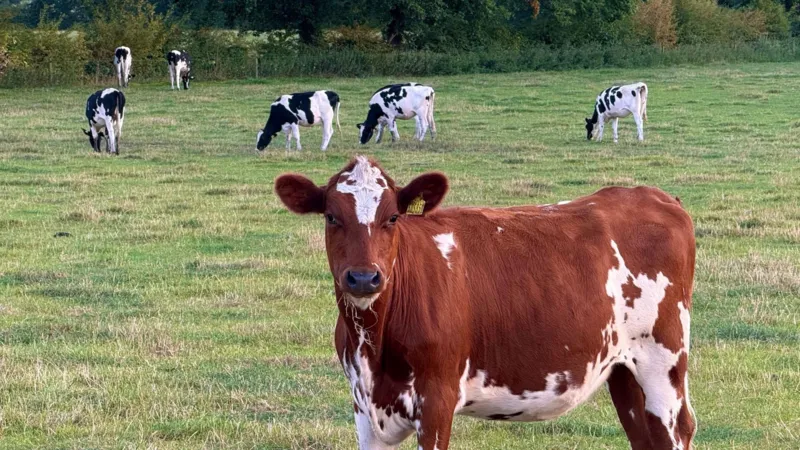
Rail passengers across Britain faced significant disruption after a herd of cows wandered onto one of the country’s busiest railway routes, causing delays, cancellations and frustration for thousands of travellers.
The incident affected the West Coast Main Line, a critical rail corridor linking London with the West Midlands, north-west England and Scotland. Services were disrupted for much of the day after the animals were reported on the tracks in Staffordshire, forcing railway operators to halt trains and implement emergency safety measures.
According to transport officials, the line was blocked between Lichfield Trent Valley and Rugeley Trent Valley shortly before 09:00 BST after reports emerged that cattle had gained access to the railway.

The unexpected intrusion immediately created operational challenges on a route that carries thousands of passengers daily and is considered one of the most important transport arteries in the United Kingdom.
Train operators affected by the disruption included Avanti West Coast, Lumo, London Northwestern Railway and West Midlands Railway.
Services travelling between London Euston and destinations in northern England and Scotland experienced delays, while several trains were cancelled entirely.
Passengers reported lengthy waits both on stationary trains and at railway stations as operators attempted to manage the situation.
Although the sight of livestock on railway tracks may seem unusual, railway safety experts stress that such incidents must be treated extremely seriously.
A collision between a train and large animals can pose significant risks to passengers, railway staff and the animals themselves.
As a result, standard safety procedures require trains to slow down or stop entirely until tracks can be confirmed clear.
Network Rail officials said teams were dispatched to the affected area after the cattle were spotted near Armitage.
Specialist staff worked alongside local farmers to safely remove the animals and secure the railway.
The operation proved challenging because the animals needed to be guided away from the tracks without creating additional risks.
Authorities eventually succeeded in clearing the line several hours later.
Rail officials confirmed that normal operations began resuming during the afternoon, although delays continued to affect services throughout the day due to the backlog of disrupted trains.
Passengers were advised to expect knock-on effects well into the evening.
Alternative travel arrangements were introduced to reduce the impact on travellers.
Rail companies accepted tickets on some alternative routes, while replacement road transport services were also deployed in certain areas.
Despite these measures, many passengers experienced significant inconvenience.
The disruption quickly became a major topic of discussion on social media, where travellers shared accounts of lengthy delays and difficult journeys.
Several passengers described being stranded for hours while waiting for trains to move.
Others complained about limited access to refreshments and information during the disruption.
One traveller reported remaining on a stationary train for approximately three hours, while others criticised what they viewed as insufficient support for passengers facing prolonged delays.
Transport experts note that incidents involving animals can be particularly disruptive because they are often unpredictable and require immediate action.
Unlike planned engineering works or weather-related delays, animal intrusions can occur suddenly and may take time to resolve safely.
Railway operators therefore have limited opportunities to prepare alternative arrangements in advance.
The incident also highlighted the importance of cooperation between railway authorities and local landowners.
In rural areas, railway lines frequently pass through farmland where livestock are kept.
Fencing and other protective measures are designed to prevent animals from accessing tracks, but breaches can occasionally occur.
Investigations are often conducted after such incidents to determine how animals entered railway property and whether additional safeguards may be required.
Reports suggested that officials initially faced difficulties contacting the farmer responsible for the cattle, potentially complicating efforts to resolve the situation quickly.
While details regarding how the animals reached the railway have not been fully disclosed, railway authorities are expected to review the circumstances surrounding the incident.
The West Coast Main Line occupies a uniquely important position within Britain’s transport network.
Stretching from London through major cities including Birmingham, Manchester and Glasgow, the route supports commuter services, long-distance passenger travel and freight operations.
Even relatively short disruptions can therefore have widespread consequences across the network.
Transport analysts note that the incident demonstrates how seemingly minor events can have major effects when they occur on critical infrastructure.
A small group of animals entering the railway was enough to disrupt journeys for thousands of people across multiple regions.
For passengers, the event served as a reminder of the complex challenges involved in operating a modern rail network.
While technological advances have improved reliability and safety, railways remain vulnerable to a variety of unexpected incidents, including weather events, equipment failures and animal intrusions.
Rail operators have apologised to passengers affected by the disruption and thanked railway staff, emergency teams and local farmers for their assistance in resolving the situation.
Officials emphasised that safety remained the overriding priority throughout the incident.
Passenger advocacy groups acknowledged the necessity of stopping services while the cattle remained on the line but encouraged operators to continue improving communication during unexpected disruptions.

Clear information, they argue, can help reduce frustration when delays become unavoidable.
By the end of the day, services were gradually returning to normal, though some travellers continued to experience knock-on delays as operators worked to restore schedules.
For many passengers, the incident became an unusual travel story. For railway staff, however, it was another example of the unpredictable challenges that can affect one of the busiest transport systems in the country.
The cows may have left the tracks, but the disruption they caused will likely be remembered by passengers long after train services have fully returned to normal.
Related News:
 Royal Mail Blames Poor Weather and Sickness for Delayed Deliveries
 London Pedicab Regulations Target ‘Rip-Off Fares’ and Nuisance Behaviour
 Jet2 Hands Passengers Life Ban After Mid‑Air Brawl
 Sharron Davies Blames ‘Poor’ Motorway Sign for Speeding
 Why There’s No Quick Fix in Sight for the Problem of Dazzling Headlights
 Storm Hernando: Edinburgh Airport Flights Cancelled in US Travel Chaos
 Mayor Spends £20m to Encourage More Bus Trips
 All Trains Cancelled at Glasgow Central Station as Huge Fire Destroys Neighbouring Building
 Residents Say Hostility and Car Damage Now Routine Amid Birmingham’s Parking Chaos
 Drivers Warned to Cut Journeys as Fuel Prices Surge
 Glasgow Central Fire Sparks Days of Disruption
 Courier Firm Bust After 14 Years as Evri Deliveries Face ‘Temporary Disruption’
 Glasgow Central’s Upper Level Shut All Week After Union Street Fire
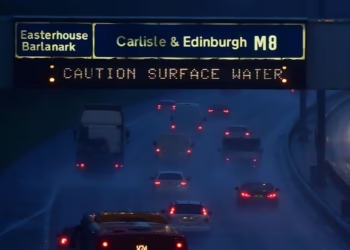 Travel Chaos on M8 and M74 Amid 70 mph Gales as Trains Also Cancelled
 easyJet Edinburgh Flight Diverts to Manchester After Mid‑Air Emergency
 Fuel Costs Are Rising — Drivers on the Frontline of the Price Surge
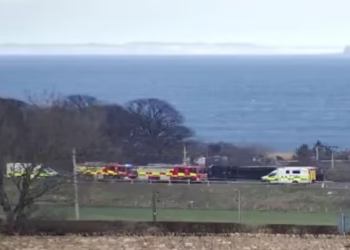 Lorry Overturns on A1 in East Lothian, Two Injured
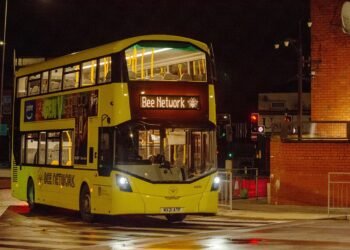 Greater Manchester Expands Night Bus Network Across Boroughs
 Storm Dave Disrupts Road and Rail Travel as Conditions Begin to Ease
 Blue Badge Permits Now Held by 1 in 15 Adults in England
 The East Peckham Tragedy: Third Victim Succumbs After Fatal Pony and Trap Crash
 Heroism on the Platform: Strangers Save Youth After Seizure on Train Tracks
 The 190p Barrier: Why UK Diesel Prices Are Shattering Records (Again)
 ‘The Flyover Returns’: A40 Westway Reopens Overnight Following Month-Long Gridlock
 ‘The £100,000 Hammer’: War in Iran Forces UK Businesses to Absorb Historic Fuel Hikes
 From “Rockets” to “Feathers”: Why UK Pump Prices Are Stuck in High Gear This May
 The £3,000 License: Learners “Held Hostage” by Cancelled Tests and Shifting Goalposts
 The “Final Fence”: A Guide to Navigating the 2026 Badminton Horse Trials
 Cambridge South Signals New Era for British Rail Travel
 “The London Lockdown”: Tube Strikes and Engineering Works Create a Transport Perfect Storm Across the UK
 Subsidised Transport Service Cancelled After Tender Failure
 Sinkhole Outside Chip Shop “Has Cut Trade in Half”, Owner Says
 Extra £174m Set Aside as Costs Rise on Lower Thames Crossing Project
 Speaker Says Civil Servants Should Repay Costs for Using Electric Vehicle Chargers
 Former Nightclub Site Could Be Transformed Into Major EV Charging Hub
 Driving Test Booking Rules Tightened After Surge in No-Shows and Cancellations
 E-Scooters Marketed for Daily Commuting Despite Restrictions on UK Roads
 Premier League Supercomputer Predicts Tough Season for Man Utd Amid Three-Team Title Battle
 UK Weather: Heat Alerts Extended as Temperatures Set to Reach 30°C This Weekend
 Merseyside Police Helicopter Crew Cleared After Low-Altitude Pursuit of Suspect
 Education Leaders Call for End to Compulsory GCSE Resits in English and Maths
 Thousands of New School Nursery Places to Be Rolled Out Across England
 Tanni Grey-Thompson Faces Abuse Over Opposition to Assisted Dying Bill
 Birmingham Bin Strike Enters Sixth Month as Negotiations Stall
 Over 40% of Private Renters Forced to Ration Energy to Afford Bills, Study Reveals
 Systemic Racism in Maternity Care Continues to Endanger Black Women in England, MPs Warn
 Northern Ireland Faces Fears of Prolonged Race Riot “Permacrisis”
 Nigel Farage Unveils Controversial Immigration and Welfare Plans at Reform UK Press Conference
 Scottish Teenager’s Petition on Single-Use Plastics Gains Parliamentary Support
 White Low-Income Pupils in England Show Lowest Levels of School Engagement, Study Finds
 No Evidence Found to Substantiate Alleged Rape in Oxfordshire Churchyard, Police Confirm
 UK House Price Growth Slows as Buyers Exercise Caution Ahead of Autumn Budget
 Massive London Poundland Fire Engulfs High Street
 Paedophile Singer Ian Watkins Dies After Prison Attack
 UK border officers deployed to Balkans to tackle migrant smuggling
 UK MPs warn of repeat riots over online misinformation
 Giuffre’s bombshell memoir names Prince Andrew 88 times in shocking revelations
 Could Manchester Lead the UK’s Economic Revival?
 Motorists Could Face ‘Mandatory’ Driving Ban for Road Offences Under Tougher Laws
 Lloyds Boss Accepts Concern Over Use of Staff Data in Pay Talks
 With Scottish Freebies Under Threat, University Tuition Is on the ‘Hit List’
 Civil Service Pay: Union Urges Ministers to End ‘Barking Mad’ Limits
 UK Job Vacancies Hit Five-Year Pandemic Low
 Meet Robert Aramayo: From Humble Beginnings in Hull to Juilliard and BAFTA Glory After Beating Timothée Chalamet
 UK Youth Unemployment Surges Amid Tax Changes
 Half of Britons Avoid GP When Ill, Survey Reveals Growing Concern
 Russian Trade Routed Through British Islands Exposed
 Rape Accused Had Fight With Man in Alley, Court Told
 Mother Says ‘I Hugged My Daughter’s Killer’ as They Cried Together in Prison
 Prominent Voices Challenge Palestine Action Ban
 “Three-Wheeled Triumph”: Mayor of Erewash Completes 2,000-Mile European Charity Run
 New Scan Offers Hope for Faster Endometriosis Diagnosis
 The “Dry” Life: Teens Trialing Social Media Bans Call Initial Disconnection “Boring” and “Dry”
 “An Endurance Test for the Mind”: British Couple Sentenced to 10 Years in Tehran
 “The Local Gavel”: Polls Open Across Hampshire and Isle of Wight in Delayed ‘Milestone’ Vote
 “The Blue Light Intersection”: Seventeen-Year-Old Critically Injured in ‘Nasty’ Police Pursuit Crash
 “The Fractured Frontier”: Sir John Curtice Declares the ‘Sacred’ Two-Party Era Over After ‘Milestone’ Results
 Rugby Legend Scott Hastings Dies Aged 61
 “A Historic Tumble”: Lost 1930s Film Reel Reveals the Untamed Origins of Gloucestershire’s Legendary Cheese-Rolling