Published: 1 July 2026
The English Chronicle Desk
The English Chronicle Online
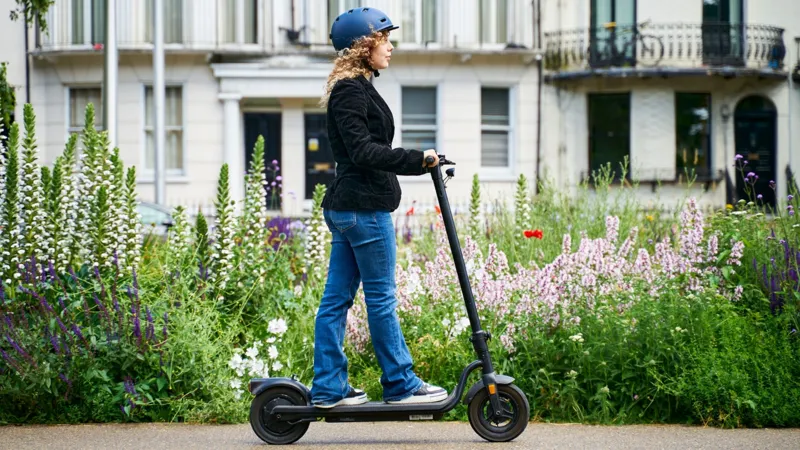
Electric scooters are continuing to be advertised as convenient commuting solutions despite restrictions on their use on most public roads, pavements and cycle lanes across the UK, raising concerns among road safety experts, consumer groups and policymakers.
The growing popularity of e-scooters has transformed urban mobility in many countries, with manufacturers promoting the devices as affordable, environmentally friendly alternatives to cars and public transport. However, questions remain about whether marketing messages accurately reflect the legal realities facing consumers in the UK.
Campaigners argue that some advertisements place heavy emphasis on commuting benefits while providing limited information about where privately owned e-scooters can legally be used.

Under current regulations, privately owned e-scooters are generally not permitted on public roads, pavements or cycle paths in most parts of the UK. Their legal use is largely restricted to private land with the landowner’s permission.
Meanwhile, government-approved rental e-scooter schemes operate in selected areas under specific trial programmes, allowing users to ride legally under regulated conditions.
The distinction between rental and privately owned scooters has created confusion among some consumers.
Transport specialists say many buyers assume that purchasing an e-scooter automatically gives them the right to use it for everyday journeys on public infrastructure.
In reality, the legal framework remains significantly more restrictive than in several other countries where private e-scooter use is widely permitted.
Consumer organisations have expressed concern that marketing materials often focus on convenience, portability and commuting potential without sufficiently highlighting legal limitations.
They argue that clearer messaging could help prevent misunderstandings and reduce the risk of people unknowingly breaking the law.
Road safety advocates say the issue is particularly important given the rapid growth of the e-scooter market.
Manufacturers frequently promote the devices as solutions to traffic congestion, rising transport costs and environmental concerns.
With many commuters seeking alternatives to traditional forms of transport, demand has increased substantially in recent years.
Supporters of e-scooters point to several potential benefits.
Electric scooters produce no direct emissions during operation, require relatively little space and can help reduce dependence on private cars for short journeys.
Urban planners often describe them as a potentially useful component of wider sustainable transport strategies.
Advocates also argue that e-scooters can improve mobility for individuals who may not wish to cycle or drive.
For many users, the appeal lies in their ability to cover short distances quickly while avoiding traffic congestion.
However, safety concerns continue to shape the regulatory debate.
Emergency services and healthcare professionals have reported injuries involving e-scooters, including collisions with vehicles, pedestrians and roadside obstacles.
Some incidents have involved riders travelling without protective equipment or using scooters in unsuitable environments.
Critics of wider legalisation argue that existing infrastructure may not be fully prepared to accommodate large numbers of e-scooters safely.
Questions have been raised about rider behaviour, speed limits, enforcement and the potential impact on pedestrians.
Pavement use has become a particular source of concern among disability groups and organisations representing older people.
They warn that uncontrolled e-scooter use could create hazards for vulnerable road users.
The government has been examining how e-scooters might fit into the UK’s long-term transport network.
Rental trial schemes introduced in various towns and cities have provided policymakers with data on safety, usage patterns and public attitudes.
Officials have stated that evidence gathered from these programmes will help inform future decisions regarding regulation.
Transport experts note that the current situation reflects a wider challenge facing policymakers.
Technological innovation often develops more quickly than legislation, creating periods where consumer products become widely available before clear regulatory frameworks are established.
E-scooters represent one of the most visible examples of this phenomenon.
Retailers and manufacturers maintain that they generally comply with advertising standards and provide information regarding legal restrictions.
However, critics argue that important details may not always be prominent enough to influence purchasing decisions.
Consumer rights specialists suggest that clearer warnings at the point of sale could help ensure buyers fully understand the rules before making a purchase.
The issue has also sparked debate about whether current laws remain appropriate.
Supporters of reform argue that modern transport systems should adapt to accommodate new forms of mobility.
They point to countries where regulated private e-scooter use has become commonplace and suggest similar approaches could be adopted in the UK.
Opponents, however, caution that any expansion should be accompanied by robust safety measures and enforcement mechanisms.
They emphasise the need to protect pedestrians, reduce accident risks and ensure users understand their responsibilities.
For consumers, the situation remains complicated.
An e-scooter may be marketed as an ideal commuting device, but legal restrictions mean many owners cannot use it for the journeys featured in promotional material.
This mismatch between marketing messages and legal realities continues to generate confusion.
As policymakers consider the future of e-scooter regulation, pressure is growing for greater clarity from both industry and government.

Whether through updated legislation, improved consumer information or expanded trial schemes, many stakeholders agree that the current system can be difficult for the public to navigate.
Until clearer rules emerge, experts advise prospective buyers to familiarise themselves with local regulations before purchasing an e-scooter and to understand exactly where it can be used legally.
The debate highlights the broader challenge of balancing innovation, consumer demand and public safety in an evolving transport landscape.
Related News:
 Royal Mail Blames Poor Weather and Sickness for Delayed Deliveries
 London Pedicab Regulations Target ‘Rip-Off Fares’ and Nuisance Behaviour
 Jet2 Hands Passengers Life Ban After Mid‑Air Brawl
 Sharron Davies Blames ‘Poor’ Motorway Sign for Speeding
 Why There’s No Quick Fix in Sight for the Problem of Dazzling Headlights
 Storm Hernando: Edinburgh Airport Flights Cancelled in US Travel Chaos
 Mayor Spends £20m to Encourage More Bus Trips
 All Trains Cancelled at Glasgow Central Station as Huge Fire Destroys Neighbouring Building
 Residents Say Hostility and Car Damage Now Routine Amid Birmingham’s Parking Chaos
 Drivers Warned to Cut Journeys as Fuel Prices Surge
 Glasgow Central Fire Sparks Days of Disruption
 Courier Firm Bust After 14 Years as Evri Deliveries Face ‘Temporary Disruption’
 Glasgow Central’s Upper Level Shut All Week After Union Street Fire
 Travel Chaos on M8 and M74 Amid 70 mph Gales as Trains Also Cancelled
 easyJet Edinburgh Flight Diverts to Manchester After Mid‑Air Emergency
 Fuel Costs Are Rising — Drivers on the Frontline of the Price Surge

 Lorry Overturns on A1 in East Lothian, Two Injured
 Greater Manchester Expands Night Bus Network Across Boroughs
 Storm Dave Disrupts Road and Rail Travel as Conditions Begin to Ease
 Blue Badge Permits Now Held by 1 in 15 Adults in England
 The East Peckham Tragedy: Third Victim Succumbs After Fatal Pony and Trap Crash
 Heroism on the Platform: Strangers Save Youth After Seizure on Train Tracks
 The 190p Barrier: Why UK Diesel Prices Are Shattering Records (Again)
 ‘The Flyover Returns’: A40 Westway Reopens Overnight Following Month-Long Gridlock
 ‘The £100,000 Hammer’: War in Iran Forces UK Businesses to Absorb Historic Fuel Hikes
 From “Rockets” to “Feathers”: Why UK Pump Prices Are Stuck in High Gear This May
 The £3,000 License: Learners “Held Hostage” by Cancelled Tests and Shifting Goalposts
 The “Final Fence”: A Guide to Navigating the 2026 Badminton Horse Trials
 Cambridge South Signals New Era for British Rail Travel
 “The London Lockdown”: Tube Strikes and Engineering Works Create a Transport Perfect Storm Across the UK
 Subsidised Transport Service Cancelled After Tender Failure
 Sinkhole Outside Chip Shop “Has Cut Trade in Half”, Owner Says
 Extra £174m Set Aside as Costs Rise on Lower Thames Crossing Project
 Speaker Says Civil Servants Should Repay Costs for Using Electric Vehicle Chargers
 Former Nightclub Site Could Be Transformed Into Major EV Charging Hub
 Driving Test Booking Rules Tightened After Surge in No-Shows and Cancellations
 UK Must Act with Courage and Clarity on Israel-Palestine Conflict, Says Foreign Affairs Committee Report
 London Set to Honour Euro 2025 Champions as Lionesses Take Victory Parade Through the Capital
 Targeted Attack in Bury Sparks Murder Investigation as Community Awaits Justice
 Princess of Wales Launches Animated Video Series to Support Early Childhood Development
 Heartbreak in the New Forest as Shetland Ponies Vanish, Community on Edge
 Fire Contained at Edinburgh’s Arthur’s Seat After Overnight Battle by Firefighters
 Premier League Supercomputer Predicts Tough Season for Man Utd Amid Three-Team Title Battle
 UK Weather: Heat Alerts Extended as Temperatures Set to Reach 30°C This Weekend
 Merseyside Police Helicopter Crew Cleared After Low-Altitude Pursuit of Suspect
 Education Leaders Call for End to Compulsory GCSE Resits in English and Maths
 Thousands of New School Nursery Places to Be Rolled Out Across England
 Tanni Grey-Thompson Faces Abuse Over Opposition to Assisted Dying Bill
 Birmingham Bin Strike Enters Sixth Month as Negotiations Stall
 Over 40% of Private Renters Forced to Ration Energy to Afford Bills, Study Reveals
 Systemic Racism in Maternity Care Continues to Endanger Black Women in England, MPs Warn
 Cambridge College Faces Backlash Over Private School Recruitment
 Bereaved Fathers Gain New Paternity Leave Rights in UK
 Woman Jailed for Life After Killing E-Bike Rider in Tragic Mistaken Identity Case
 No Gas Boiler Ban as UK Warm Homes Plan Backs Heat Pumps
 Police response times face strict new national limits
 Devon hosts first high-density hydro power system
 Draft Severe Weather Plan Following Storm Flooding
 Major UK Clothing Firm Collapses into Administration — 109 Jobs at Risk
 Send spending gap leaves deprived areas behind
 Could Manchester Lead the UK’s Economic Revival?
 Motorists Could Face ‘Mandatory’ Driving Ban for Road Offences Under Tougher Laws
 Lloyds Boss Accepts Concern Over Use of Staff Data in Pay Talks
 With Scottish Freebies Under Threat, University Tuition Is on the ‘Hit List’
 Civil Service Pay: Union Urges Ministers to End ‘Barking Mad’ Limits
 UK Job Vacancies Hit Five-Year Pandemic Low
 Meet Robert Aramayo: From Humble Beginnings in Hull to Juilliard and BAFTA Glory After Beating Timothée Chalamet
 NHS Braces for Impact as Resident Doctors Begin Strike
 The Waiting Ward: ‘Month of Worry’ as Doctor Strikes Trigger Seismic Surgery Delays
 Is Britain Ready? Experts Warn of ‘Bizarre’ Military Delay
 Benjamin Field Murder Conviction Overturned by Appeal Court
 Roadside Reckoning: Nearly 160,000 Uninsured Vehicles Seized in National Crackdown
 ‘The Last of the Greatest’: UK’s Oldest WWII Veteran Passes Away Aged 109
 ‘A Fragile Calm’: Oil Prices Dip as Trump Extends Iran Ceasefire, But Blockade Holds Firm
 Prominent Voices Challenge Palestine Action Ban
 “Three-Wheeled Triumph”: Mayor of Erewash Completes 2,000-Mile European Charity Run
 New Scan Offers Hope for Faster Endometriosis Diagnosis
 The “Dry” Life: Teens Trialing Social Media Bans Call Initial Disconnection “Boring” and “Dry”
 “An Endurance Test for the Mind”: British Couple Sentenced to 10 Years in Tehran