
Published: 03 July 2026. The English Chronicle Desk. The English Chronicle Online.
The landscape of modern finance is shifting rapidly beneath our feet today. Starling Bank recently announced a significant change to its operational structure. The digital lender plans to eliminate one hundred and thirty staff positions. This workforce reduction represents roughly three percent of their total employees. These changes arrive as the bank pivots toward increased automation efforts. Management intends to boost investment in advanced artificial intelligence technologies significantly. The company believes this strategic shift will help reduce long-term costs. It also aims to maintain its competitive edge over legacy banking institutions. Leadership describes this necessary restructuring as a method to simplify operations. They aim to remove duplicate roles within their existing banking teams. By streamlining these processes, the firm hopes to increase product delivery speed. Starling currently employs more than four thousand people in various roles. This transition is being handled through a formal period of staff consultation. Affected employees are currently learning how these corporate changes impact them personally.
The fintech giant faces a critical juncture in its corporate journey. Recent financial reports reveal a six percent decline in total annual revenue. Revenue figures for the year ending in March reached eight hundred million. Pre-tax profits also saw a slight three percent dip to total profits. The bank attributes these financial results partly to heavy software investment. Significant funds were poured into their specialized digital banking platform called Engine. This proprietary software remains a central pillar of their future business strategy. Starling remains a prominent figure in the British digital banking sector today. Anne Boden founded this innovative company back in the year twenty fourteen. It emerged alongside rivals like Revolut to challenge traditional retail banks. These challenger banks changed how many British customers manage their daily money. Starling now serves more than six million customers across the United Kingdom.
Despite this success, the bank has encountered notable challenges during its growth. Global expansion efforts have proven more difficult than executives initially had hoped. They famously abandoned a bid for a European banking licence in twenty twenty-two. Maintaining rapid growth while ensuring regulatory compliance has also been quite difficult. The Financial Conduct Authority previously placed restrictions on the bank’s operational activities. These early measures prevented the opening of accounts for certain high-risk customers. Regulators cited findings related to inadequate financial crime controls during that period. In twenty twenty-four, the watchdog issued a very stern final report. The regulator described previous internal controls as being shockingly lax indeed. This situation left the financial system open to various dangerous criminal actors. Consequently, the bank received a substantial fine totaling twenty-nine million pounds. These regulatory hurdles have certainly tested the resolve of the bank’s leadership.
Despite these significant obstacles, there is optimism surrounding the firm’s future path. Many industry experts are watching the bank’s potential stock market listing closely. The current chief executive officer is a man named Raman Bhatia. He spoke with the Sunday Times earlier this year regarding corporate growth. Bhatia noted that there are currently no firm plans for a listing. However, he admitted he could see the business becoming a public company. He suggested this might occur within a relatively near-term time window soon. The move toward automation is likely part of this broader strategic vision. Artificial intelligence offers a path to higher efficiency for digital banking firms. By reducing human intervention in repetitive tasks, costs can be managed effectively. This technology allows the bank to scale services without proportional cost increases. Such capabilities are essential for competing against larger, well-funded banking traditional rivals.
The commitment to engineering talent remains a top priority for the bank. While cutting legacy roles, they continue to hire new AI engineers. This balancing act is common among modern firms undergoing digital transformation processes. They must shed old structures while building new capabilities for tomorrow’s markets. Employees are navigating a complex transition as the corporate culture evolves quickly. Professionalism and fairness remain guiding principles throughout this difficult consultation period today. The bank emphasizes its agility as a core strength in this sector. They highlight their ability to launch products and reorganize at great pace. This culture of constant learning and testing defines their operational approach now. Whether this bet on artificial intelligence pays off remains to be seen. The coming months will be decisive for the firm’s long-term market position. Shareholders are keeping a close watch on these operational and financial developments.
The story of Starling serves as a case study for digital disruption. It illustrates the inherent volatility found in the rapidly changing fintech world. Rapid growth and technological innovation often collide with strict financial regulatory oversight. Balancing these forces is a permanent challenge for all modern banking leaders. The bank’s journey reflects the broader struggle of many tech-driven financial companies. They must constantly prove their worth to both customers and financial regulators. As the digital economy evolves, so too must the institutions within it. Starling Bank is clearly betting its future on machine learning and automation. If successful, this strategy could solidify its position in the market. If it fails, the costs of such changes could become very burdensome. For now, the focus remains on navigating these upcoming staff reductions carefully. The industry will surely watch their progress with great interest this year. The evolution of digital banking is moving at a truly incredible speed. Every major player must adapt or risk losing their market share permanently. Starling believes its latest restructuring plan puts them on the right path. Only time will confirm if this bold strategy delivers the desired results. All eyes are now turned toward their next major quarterly business update.
Related News:
 Reeves Faces Setback as Labour May Miss Homes Target
 Virgin Trains Moves Closer to Challenging Eurostar Monopoly
 Trump’s UK Ambassador Urges North Sea Drilling to Strengthen US Ties
 Ryanair Chief UK Economy ‘Doomed’ Under Labour
 M&S Profits More Than Halve After Cyber-Attack
 Earl of Yarmouth Faces £1.3m Legal Bill Over Family Estate
 Millionaires group urge Reeves to introduce wealth tax to ‘lift kids out of poverty’
 From Lego to Pokémon: How Adults Are Driving UK Toy Market Growth
 New laws to bolster UK’s defences against cyber attacks on NHS, transport and energy
 Canada Passes Carney’s First Budget in Tight Parliamentary Vote
 Starmer Says Labour’s Economic Plan Needs Years to Deliver
 Virgin Media Fined £23.8m Over Telecare Safety Failures
 Starmer Faces Parliamentary Battles Over UK-EU ‘Reset’ Plan
 Reeves Pub Business Rates U-Turn Calms Labour Revolt
 ScottishPower Tops List of Worst UK Energy Suppliers
 Markets Slide As Gold Rally Signals Risk From Trump Greenland Tariff Plan
 UK Eyes Global Investment with Visa Fee Refunds
 City & Guilds pay surge sparks backlash amid £22m cuts
 UK Inflation Hits 3.4% in December, Ending Five-Month Decline
 Trump Fed bid heads to Supreme Court
 ‘Black Tax’: Burden, Pride and Survival for African Workers
 India-EU Free Trade Deal Marks Historic Economic Shift
 Telstra AI jobs cuts as automation drive expands
 BT Names New Openreach Chief Amid Major Fibre Expansion
 UK Banks Plot Payment Backup Amid Trump Fears
 UK Unemployment Rate Climbs to 5.2% Peak
 UK shelves £110m border project amid trade strain
 Rachel Reeves Faces Middle East Conflict Test
 Grocery Inflation Rises Amid War Fears
 BrewDog sold Highland estate for knockdown price after abandoning reforestation plans
 Rising Costs Force Families to Rethink Days Out
 Oil Slides, Stocks Jump on Trump Peace Signals
 UK inflation held at 3% before global energy price hit
 Ticketmaster Fees Rise Despite Recent US Junk Fee Crackdown
 M&S Demands Urgent Action on Rising Violent Retail Crime
 New Era for Sick Pay as Millions Gain Critical Rights
 Oil Prices Surge as Trump Issues New Deadline to Iran
 US and Iran Agree to Two-Week Provisional Ceasefire
 Stefano Gabbana Resigns as Chair of Italian Luxury Giant
 Rolls-Royce SMR Secures £600m Boost for Nuclear Future
 Aegon Sells Historic UK Arm to Standard Life for £2bn
 Central Bank Chiefs Hold Crisis Simulation in Washington
 UK Staycations Rise as Travel Fears Grow
 Former Brexit Chief Calls for Rejoining the EU
 Albanese Rejects Gas Export Tax Push
 Oil Prices Surge Above $120 Amid Iran Blockade Fears
 Silent Tracks: Rail Line Without Passengers
 Trump approval plunges amid Iran war fears
 Tough Fiscal Realities Await Next Scottish Government
 DeepMind Staff Vote to Unionize Over US Military Contract
 Global Conflict Hits Home As Bullock Warns Of Economic Pain
 STV Election Coverage Disrupted Amid Bitter Pay Dispute
 Aramco Surges as East-West Pipeline Counters Gulf Tensions
 High Stakes in Beijing as Trump and Xi Meet Amid Global Turmoil
 Lotus Boss Pledges Future to Norfolk and Seeks State Support
 Trump and Xi Convene in Beijing for Historic High-Stakes Summit
 High Street Crisis: Fears Grow Over Post Office Closures
 UK Firms Freeze Spending as Iran Conflict Bites
 Rubles and Resilience: How Russia-China Border Towns Thrive
 UK Eases Russian Oil Sanctions as Fuel Costs Soar
 Reeves to Fast-Track Clean Energy Amid Iran Crisis
 Oil Markets Face ‘Red Zone’ Threat Amid Iran Crisis
 Belfast Approves Pilot Extension of Sunday Trading Hours
 Kevin Warsh sworn in as Fed chair amid economic backlash
 Mid-Year Surge to Push Average Annual Bills Beyond £1,900
 Tube Strike Brings Capital to a Standstill Over Shift Disputes
 Tube Strike Brings Capital to a Standstill Over Shift Disputes
 BP Stands Firm on Amanda Blanc Amid Boardroom Storm
 UK House Prices Drop For Third Month Due To War Fears
 No Brutal EV Price War For British Motorists
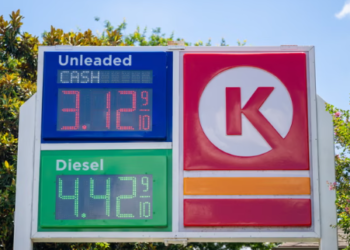 Gas Prices Fall Below $4 Following US-Iran Peace Deal
 Is JD Vance the Ultimate Fall Guy for Trump’s Shaky Iran Deal?
 EU Slashes Steel Quotas But Grants UK Favourable Rates
 Sainsbury’s Boss Optimistic As Grocery Inflation Eases
 Trump Faces Backlash Over $2bn Earnings Since Return
 Creditors Eye Thames Water Even Under Nationalisation
 Record £28m Fine for Virgin Media Over Cancellation Woes
 Ukraine Creates Long-Range Strike Command
 BBC Faces Real Jeopardy as Licence Fee Income Declines
 Thames Water Future Remains Uncertain Amid Funding Crunch