Published: 15 July 2026. The English Chronicle Desk. The English Chronicle Online.
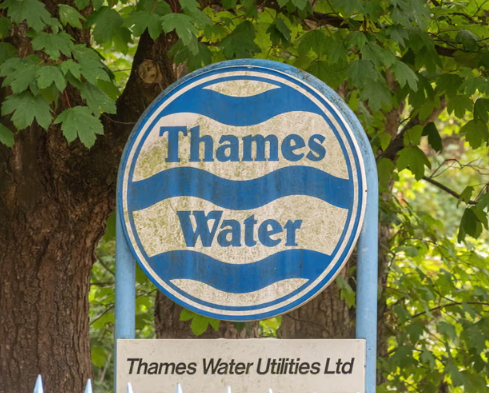
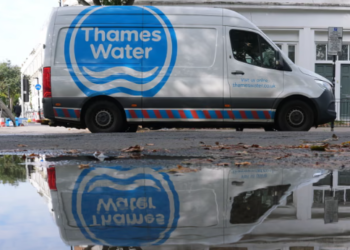
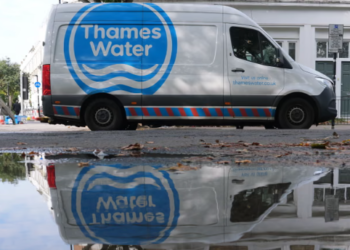
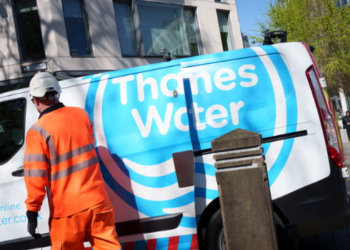
The embattled giant Thames Water faces a difficult road ahead despite confirming sufficient cash reserves. Executives recently announced the company has enough funding to operate until the year concludes. However, the utility firm highlighted significant material uncertainty regarding its long-term financial survival. This massive corporation provides essential water services to sixteen million people across London today. Management is actively scrambling to secure a recapitalisation plan to avoid potential nationalisation. They remain in constant discussions with major creditors, industry regulators, and the British government. The annual report released this Wednesday suggests the firm currently possesses adequate operational resources. Officials believe they can maintain standard service levels for at least another twelve months. Thames Water often represents the perceived failures found within the privatised utility sector. Critics frequently blame the company for frequent pollution events impacting local rivers and streams. Management has also struggled immensely under the weight of a truly ballooning debt pile.
The annual results covering the year to March show net debt reached eighteen billion. This figure rose significantly from the sixteen billion reported during the previous financial year cycle. Nevertheless, the company pointed toward improving performance metrics despite these very daunting financial hurdles. They reported an underlying profit after tax of two hundred and four million pounds. This represents a substantial increase compared to the thirteen million profit recorded last year. The firm also claimed to have achieved a major reduction in annual pollution incidents. They noted an eighteen percent decrease in sewage leaks compared to the prior period. Despite this progress, the utility only met fifty-five percent of its performance targets. These common targets are established annually by the water regulator known as Ofwat today. While this represents a slight improvement, performance remains well below the required industry standards.
Customer dissatisfaction has also spiked sharply during this very turbulent and difficult trading period. Official records indicate that billing complaints soared by one hundred and one percent recently. Complaints regarding household water bills now account for most of the total issues raised. This creates further public pressure on a company already facing intense scrutiny from every side. Environment Secretary Emma Reynolds recently objected to a major ten billion pound rescue proposal. A group of institutional investors had suggested this plan to the regulator for approval. Reynolds argues that the deal would place an undue burden on hard-pressed consumer households. This government intervention pushes the largest water company closer toward a temporary state administration. Such a scenario would effectively place the utility under a special government control regime.
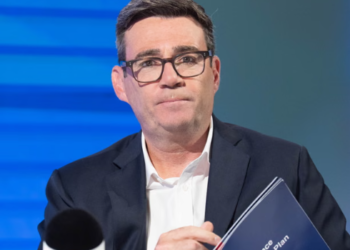
Political tension continues to mount as the nation anticipates a change in governing leadership. Andy Burnham is set to become the next prime minister in just a few days. He has recently advocated for much greater public control over the struggling water utility. Burnham suggested to reporters that this shift could eventually lead to full nationalisation efforts. He believes that the current private model fails to deliver necessary results for citizens. Meanwhile, chief executive Chris Weston defended the company during a press conference this week. He insisted that the organisation is making steady progress toward a significant structural turnaround. Weston claimed the company now sits in a strong position to accelerate infrastructure upgrades. He highlighted plans for the biggest system improvement in one hundred and fifty years. These essential upgrades should eventually address the various asset resilience issues currently plaguing services. Such improvements would translate into better outcomes for customers and the environment over time.
Executive compensation has sparked significant outrage among the public and various political figures nationwide. Thames Water paid Chris Weston over one million pounds during the last financial year. This figure included significant variable pay despite the ongoing struggles facing the wider business. The company also paid millions to restructuring specialists brought in to manage the crisis. Disclosures reveal that nearly five million pounds was paid in bonuses to senior management. These payments relate to performance targets and retention plans for key personnel on staff. The Environment Secretary expressed deep frustration regarding these specific executive pay and bonus packages. She described the decision to hand out such rewards as being completely outrageous today. Reynolds emphasised that the company remains one of the worst performers in the sector. She argued that these bonuses fly in the face of basic public fairness standards. The British public has every right to feel furious about these corporate reward structures.
The path toward stability requires a delicate balance between investment, regulation, and public trust requirements. Creditors are closely watching every move the management team makes during this intense period. The threat of nationalisation looms large over all ongoing negotiations between the major stakeholders. Investors must find a way to satisfy the government while managing the massive debt load. Consumers are demanding higher quality services and lower bills amidst a rising cost crisis. Local ecosystems rely on the company taking immediate and effective action to prevent sewage leaks. Transparency will remain critical as the company navigates these complex challenges in coming months. The coming year will undoubtedly define the future of water management across southern England. Every decision made by the board will have lasting impacts on millions of families. The nation is waiting to see if Thames Water can truly recover its standing. Stability is the primary goal for all involved parties within this very difficult situation. The government continues to evaluate whether the private sector can still provide essential services. Time is running out for the utility to prove its worth to the public. Future reports will surely reveal if these ambitious upgrade plans actually deliver the expected results. All eyes remain fixed on the company and its upcoming financial and operational decisions.
Related News:
 Norway’s Petrol Car Sales Hit Record Low Amid EV Surge
 Santos Wins Landmark Greenwashing Case in Court
 Yorkshire Water Funding Sparks Debate Amid Fines and Pay Row
 The Truth Behind Rising Energy Costs and Fossil Fuel Myths
 New £10bn rescue plan offered for Thames Water
 Trump to Deploy “God Squad” Over Gulf Wildlife Protections
 UK Fossil Fuel Expansion Risks Global Climate Collapse
 Capitalism ‘Suicidal’, Warns Petro at Climate Summit
 UK Firm Faces Backlash Over US Oil Advertising Deals
 Thinktank Urges Speed Limit Cuts to Offset Iran War Costs
 Whitehall Steps In: The Battle Over Thames Water Deepens
 The Carbon Capture Con: Wasted Billions for Taxpayers
 Reeves Faces Setback as Labour May Miss Homes Target
 Virgin Trains Moves Closer to Challenging Eurostar Monopoly
 Trump’s UK Ambassador Urges North Sea Drilling to Strengthen US Ties
 Ryanair Chief UK Economy ‘Doomed’ Under Labour
 M&S Profits More Than Halve After Cyber-Attack
 Millionaires group urge Reeves to introduce wealth tax to ‘lift kids out of poverty’
 From Lego to Pokémon: How Adults Are Driving UK Toy Market Growth
 Canada Passes Carney’s First Budget in Tight Parliamentary Vote
 Starmer Says Labour’s Economic Plan Needs Years to Deliver
 Virgin Media Fined £23.8m Over Telecare Safety Failures
 ‘Extinct’ Antelope Returns to Sahara, Bringing Hope
 FTSE 100 Hits 10,000: UK Market Celebrates Record Year
 Storm Goretti leaves Cornwall homes without power
 No Gas Boiler Ban as UK Warm Homes Plan Backs Heat Pumps
 Devon hosts first high-density hydro power system
 US Dollar Hits Four-Year Low Amid Market Turmoil
 UK New Car Discounts Near £6,000 as Prices Are Slashed
 BT Names New Openreach Chief Amid Major Fibre Expansion
 UK Job Vacancies Hit Five-Year Pandemic Low
 UK Youth Unemployment Surges Amid Tax Changes
 Strong Rebound for UK Housing Market Sees 6% More Homes
 Germany Faces Backlash Over Scrapped Renewable Heating Mandate
 Switching Energy Deal Can Save £200 as Price Cap Falls
 Oil Prices Surge Above $100 Amid Iran War
 Abramovich Chelsea Sale Cash Faces Jersey Probe
 Charity Watchdog Takes Control of Learning Disability Care Home
 Russia: The Unforeseen Winner of the Iran Conflict
 Can Congress Stop US Sports Teams From Moving Cities?
 Miles Jupp: How the Magic of the Ashes Sparked a Bold Blag
 Green Light for Britain’s Electric Future in Somerset
 Fuel Prices Drop Despite Geelong Refinery Blaze
 Carmakers Face £3bn Gap in UK Loan Payout Scandal
 Celestial Magic: The Lyrid Meteor Shower Returns
 Governments Fail Murray-Darling River Projects
 Lords Demand Larger Fiscal Buffers for UK
 Ukraine Urges UK to Seize Russian Oil Tankers
 Ukraine strikes Tuapse as oil disaster worsens
 US to Escort Trapped Ships Through the Strait of Hormuz
 Trump Threatens UN Budget Cuts as US Pushes ‘Trade Over Aid’ Agenda
 UK Electric Car Sales Surge Amid Rising Iran Conflict Fears
 The Campaign To Save Britain’s Original Bramley Apple Tree
 US Awaits Iran Reply on New Ceasefire Proposal
 Big Tobacco Under Fire Over Controversial New Ad Campaign
 High Street Crisis: Fears Grow Over Post Office Closures
 AI Shift: StanChart to Cut 7,000 Global Jobs
 Reeves to Fast-Track Clean Energy Amid Iran Crisis
 Oil Markets Face ‘Red Zone’ Threat Amid Iran Crisis
 Belfast Approves Pilot Extension of Sunday Trading Hours
 Rural Communities Face Severe Threat of Diesel Shortages
 SpaceX Prepares for Historic Valuation Launch
 UK Economy Suffers a Sharp Downturn as Iran Conflict Bites
 Flutter to Cancel London Stock Exchange Share Listing
 Mike Ashley Launches Double Bid with Australian Takeover
 Thames Water Nationalisation Pushes Closer After Rescue Objected
 UK Inflation Holds at 2.8% Against All Expectations
 UK Job Vacancies Hit Five-Year Low as Wage Pressures Persist
 Elizabeth Warren Warns Corporate Mergers Could Be Reversed
 UK Households Suffer Squeeze As Disposable Incomes Drop
 UK Watchdog Takes on Apple and Google Mobile Monopoly
 UK Property Prices Stagnate Amid Growing Fears of Summer Slump
 The End of an Era: Halifax Brand to Vanish from High Streets
 Burnham Promises Relief on Cost of Living Crisis
 Severn Trent CEO Reward Package Doubled Despite Public Anger
 Accessible Travel Could Unlock £176bn for UK Economy
 China Storms Claim Fifteen Lives in Tragic Surge
 Creditors Eye Thames Water Even Under Nationalisation
 Europe Scorched as Record Heatwaves Grip the Continent
 US Issues Billions in Tariff Refunds After Court Ruling