Published: 16 June 2026. The English Chronicle Desk. The English Chronicle Online.
British motorists looking for a massive discount on electric cars might need to rethink their expectations. The hope for a dramatic drop in electric vehicle prices across the United Kingdom and Europe has been cooled by a leading industry figure. Drivers should not anticipate a steep dive in showroom costs despite the rising wave of new brands arriving from overseas markets. This honest perspective comes directly from Brian Gu, the vice-chair of the major smart vehicle manufacturer Xpeng. The executive suggested that businesses will focus on premium build standards rather than launching aggressive discount campaigns. Instead of slashing prices to win customers, firms plan to highlight advanced technological features and superior cabin design.
This strategic approach differs entirely from the hyper-competitive environment seen within the domestic Chinese automotive market. Overseas manufacturers have expanded their global reach rapidly after establishing dominant positions in their home territories. Their historic growth was accelerated significantly by substantial domestic government subsidies and highly competitive manufacturing environments. Lower factory production costs gave these businesses a clear edge over historic brands in the West. European, American, and Japanese carmakers have faced immense pressure from these incredibly well-funded Asian tech companies. However, the exact dynamics that reshaped Asian streets will not necessarily reoccur on British motorways soon.
The sheer volume of local brands operating inside China created a unique and volatile trading environment. Recent market consultancy data indicated that well over one hundred active carmakers competed there last year. This crowded marketplace forced companies to slash their retail margins deeply just to survive the rush. The fierce internal rivalry eventually caused political intervention to stabilise the wider national manufacturing sector. Authorities instructed local governments to scale back financial incentives to prevent long-term damage to the industry. Faced with intense domestic commercial pressure, stronger firms began looking toward Western markets to establish profitable operations. Moving into the United Kingdom allows these brands to rebuild their margins away from home.
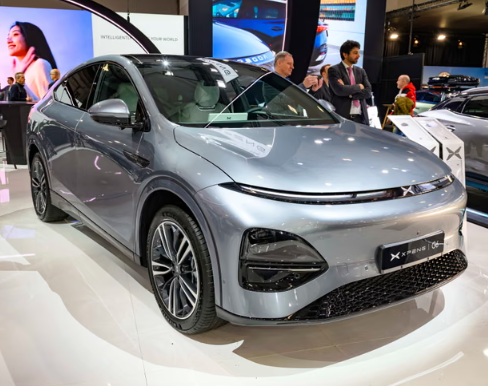
Xpeng is currently investing heavily in regional research and development while expanding its European sales network. The business continues to absorb initial losses as it establishes its commercial footprint across the continent. Its primary offering for British buyers arrives in the form of the sleek G6 model. The stylish electric vehicle enters the market with an initial price tag of thirty-nine thousand nine hundred and ninety pounds. Industry analysts noted that the company achieved modest initial sales figures during the first quarter of this year. However, the brand aims to accelerate its momentum quickly against a wave of formidable regional rivals. It faces stiff competition from major global players like BYD alongside expanding brands like Chery.
Other emerging names such as Jaecoo, Omoda, Changan, and Geely are also targeting the same buyers. The established MG brand, owned by industrial giant SAIC, already enjoys a very strong British presence. When questioned about a potential European price war mimicking the situation in Asia, Gu remained dismissive. The experienced executive stated clearly that he does not see a race to the bottom happening. He acknowledged that various rival manufacturers are currently pouring significant volumes of products into regional ports. Despite this influx of inventory, the executive firmly believes that premium pricing structures will remain stable. Brands operating in developing regions have historically relied on being cheaper to attract buyers.
The business leader believes that consumers in mature European economies demonstrate entirely different purchasing behaviors. Drivers in developed nations place a much higher value on vehicle refinement and brand differentiation. Western motorists generally refuse to sacrifice build quality simply to secure the lowest possible showroom price. This preference allows incoming manufacturers to position themselves as premium alternatives rather than budget choices. Because of this consumer mindset, imported electric cars will maintain prices comparable to local options. The emphasis will remain on delivering an excellent user experience through innovative software and hardware. This shift ensures that the incoming wave of vehicles feels genuinely premium to buyers.
Interestingly, the tech-focused manufacturer frequently draws direct comparisons to Elon Musk’s American electric car company, Tesla. Both businesses favor clean, minimalist interior aesthetics that appeal to modern, tech-savvy vehicle buyers. Their long-term corporate ambitions also stretch far beyond traditional transport into advanced robotics and artificial intelligence. Xpeng is actively developing humanoid robots alongside futuristic flying taxis designed for smart urban environments. For its current automotive lineup, the brand separates itself from rivals by focusing on advanced computing. The company is betting heavily on its proprietary autonomous driving capabilities to win over British motorists. These high-tech driver assistance features are already operational and widely utilized across several major cities.
The business is preparing to deploy dedicated robotaxi fleets in its bustling home city of Guangzhou. Furthermore, the company could introduce its advanced driverless systems to European highways early next year. This rollout depends heavily on whether regional authorities officially adopt upcoming United Nations regulatory standards. Gu possesses a strong background in international finance after leading the firm’s initial public offering. His previous experience as a top investment banker gives him deep insight into global corporate strategy. The executive believes his company can outpace independent autonomous software firms in developing driverless technology. This rapid development is possible because the firm controls its vehicle manufacturing and chip design.
Developing hardware, processing units, and software simultaneously allows the enterprise to innovate much faster than traditional competitors. To support this growth, the business is seriously exploring options to build cars locally. The manufacturer currently utilizes a contract agreement with an Austrian production specialist to assemble its vehicles. However, several traditional European carmakers with excess factory space have approached the company with potential partnerships. These legacy brands are looking to sell underutilized production plants as they navigate the electric transition. Xpeng previously revealed that Volkswagen had discussed the potential sale of an automotive facility in Germany. However, company executives ultimately decided against the purchase because the factory infrastructure felt too outdated.
The decision to pass on older European factories highlights the company’s commitment to ultra-modern manufacturing methods. By focusing on cutting-edge production, the brand ensures its vehicles meet high global quality standards. This strategy reinforces the idea that incoming electric vehicles will compete purely on features and refinement. British consumers can expect highly advanced vehicles, but the era of cheap electric cars remains distant. Showroom prices will reflect the heavy investments made in battery technology and autonomous software systems. As the market evolves, value will be measured by digital innovation rather than deep discounts. Motorists will ultimately decide if these high-tech features justify the premium pricing on British roads.
Related News:
 Reeves Faces Setback as Labour May Miss Homes Target
 Virgin Trains Moves Closer to Challenging Eurostar Monopoly
 Trump’s UK Ambassador Urges North Sea Drilling to Strengthen US Ties
 Ryanair Chief UK Economy ‘Doomed’ Under Labour
 M&S Profits More Than Halve After Cyber-Attack
 Millionaires group urge Reeves to introduce wealth tax to ‘lift kids out of poverty’
 From Lego to Pokémon: How Adults Are Driving UK Toy Market Growth
 Canada Passes Carney’s First Budget in Tight Parliamentary Vote
 Starmer Says Labour’s Economic Plan Needs Years to Deliver
 Virgin Media Fined £23.8m Over Telecare Safety Failures
 Starmer Faces Parliamentary Battles Over UK-EU ‘Reset’ Plan
 Reeves Pub Business Rates U-Turn Calms Labour Revolt
 ScottishPower Tops List of Worst UK Energy Suppliers
 Markets Slide As Gold Rally Signals Risk From Trump Greenland Tariff Plan
 UK Eyes Global Investment with Visa Fee Refunds
 City & Guilds pay surge sparks backlash amid £22m cuts
 UK Inflation Hits 3.4% in December, Ending Five-Month Decline
 Trump Fed bid heads to Supreme Court
 ‘Black Tax’: Burden, Pride and Survival for African Workers
 AI job losses UK: Britain faces sharper employment shock
 India-EU Free Trade Deal Marks Historic Economic Shift
 EU Signals Open Mind on UK Customs Union Talks
 Telstra AI jobs cuts as automation drive expands
 BT Names New Openreach Chief Amid Major Fibre Expansion
 UK Banks Plot Payment Backup Amid Trump Fears
 UK Unemployment Rate Climbs to 5.2% Peak
 UK shelves £110m border project amid trade strain
 Aston Martin Cuts 20% Jobs Amid £363m Loss
 Switching Energy Deal Can Save £200 as Price Cap Falls
 Rachel Reeves Faces Middle East Conflict Test
 Grocery Inflation Rises Amid War Fears
 BrewDog sold Highland estate for knockdown price after abandoning reforestation plans
 UK Energy Reform Could Cut Bills by £200
 Rising Costs Force Families to Rethink Days Out
 Oil Slides, Stocks Jump on Trump Peace Signals
 UK inflation held at 3% before global energy price hit
 Ticketmaster Fees Rise Despite Recent US Junk Fee Crackdown
 M&S Demands Urgent Action on Rising Violent Retail Crime
 New Era for Sick Pay as Millions Gain Critical Rights
 Oil Prices Surge as Trump Issues New Deadline to Iran
 US and Iran Agree to Two-Week Provisional Ceasefire
 Stefano Gabbana Resigns as Chair of Italian Luxury Giant
 Rolls-Royce SMR Secures £600m Boost for Nuclear Future
 Aegon Sells Historic UK Arm to Standard Life for £2bn
 Central Bank Chiefs Hold Crisis Simulation in Washington
 UK Staycations Rise as Travel Fears Grow
 Former Brexit Chief Calls for Rejoining the EU
 Albanese Rejects Gas Export Tax Push
 Oil Prices Surge Above $120 Amid Iran Blockade Fears
 Silent Tracks: Rail Line Without Passengers
 Tough Fiscal Realities Await Next Scottish Government
 DeepMind Staff Vote to Unionize Over US Military Contract
 Global Conflict Hits Home As Bullock Warns Of Economic Pain
 STV Election Coverage Disrupted Amid Bitter Pay Dispute
 Aramco Surges as East-West Pipeline Counters Gulf Tensions
 High Stakes in Beijing as Trump and Xi Meet Amid Global Turmoil
 Lotus Boss Pledges Future to Norfolk and Seeks State Support
 Trump and Xi Convene in Beijing for Historic High-Stakes Summit
 High Street Crisis: Fears Grow Over Post Office Closures
 UK Firms Freeze Spending as Iran Conflict Bites
 Rubles and Resilience: How Russia-China Border Towns Thrive
 UK Eases Russian Oil Sanctions as Fuel Costs Soar
 Reeves to Fast-Track Clean Energy Amid Iran Crisis
 Oil Markets Face ‘Red Zone’ Threat Amid Iran Crisis
 Belfast Approves Pilot Extension of Sunday Trading Hours
 Kevin Warsh sworn in as Fed chair amid economic backlash
 Mid-Year Surge to Push Average Annual Bills Beyond £1,900
 Tube Strike Brings Capital to a Standstill Over Shift Disputes
 Tube Strike Brings Capital to a Standstill Over Shift Disputes
 BP Stands Firm on Amanda Blanc Amid Boardroom Storm
 UK House Prices Drop For Third Month Due To War Fears
 Rethinking the Blueprint for Youth Employment in Britain
 Sainsbury’s Boss Optimistic As Grocery Inflation Eases
 UK Households Suffer Squeeze As Disposable Incomes Drop
 Creditors Eye Thames Water Even Under Nationalisation
 Record £28m Fine for Virgin Media Over Cancellation Woes
 Jet2 Sees Summer Surge Despite Global Tensions
 Ukraine Creates Long-Range Strike Command
 BBC Faces Real Jeopardy as Licence Fee Income Declines
 Thames Water Future Remains Uncertain Amid Funding Crunch