Published: 04 July 2026. The English Chronicle Desk. The English Chronicle Online
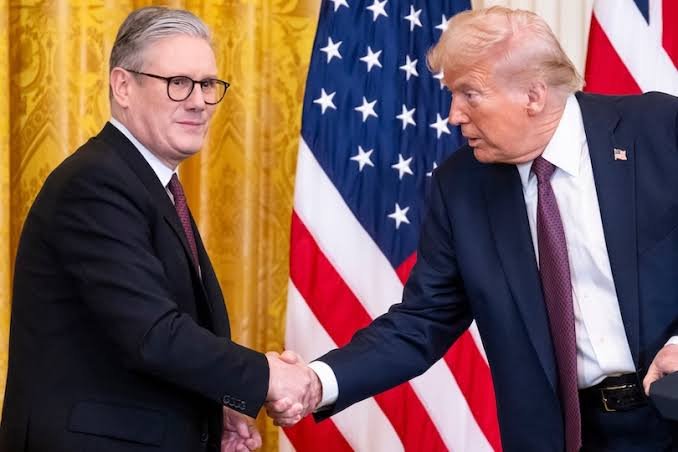
As the United States reaches the milestone of its 250th anniversary, the question of its relationship with the United Kingdom—long heralded as the “special relationship”—has become a subject of intense scrutiny. The historical foundations of this bond, dating back to the diplomatic efforts of John Adams in the 18th century, have always been characterized by a unique duality: a proud American assertion of independence from the British “tyrant” paired with an enduring cultural and traditional deference toward the “mother country.” However, as the world navigates the mid-2020s, that relationship appears more fragmented than ever. President Donald Trump, while publicly invoking the warmth of this friendship during recent state visits, has simultaneously offered a harsh assessment of Britain’s standing, famously suggesting that the United Kingdom is a nation in decline.

The disparity in economic performance over the past two decades has undoubtedly contributed to this shifting perception. While the United States has seen its per capita GDP climb significantly since the 2007 financial crisis, the United Kingdom has faced stagnation, hampered further by the long-term consequences of Brexit. This economic divergence has translated into a widening gap in global influence. With American military spending dwarfing that of the UK by nearly tenfold, the sense of British subordination has become a recurring theme in diplomatic circles. Historian David Reynolds notes that the UK’s clout is objectively diminishing, leading to a perception of Britain drifting toward diplomatic marginality. In Washington, the prevailing attitude among the American public is increasingly one of indifference, as many citizens remain largely disengaged from the intricacies of British domestic affairs or its global role.
Yet, to characterize the relationship solely through the lens of economic and military dominance is to overlook the profound cultural imprint Britain continues to exert upon American life. Paradoxically, as the UK’s hard power has waned, its influence over the American cultural landscape has arguably deepened. From the dominance of British directors like Christopher Nolan in Hollywood to the ubiquity of British-created television series such as Succession and Industry, the American entertainment industry remains a primary destination for British talent. This phenomenon is often attributed to the UK’s dense ecosystem of elite universities, world-class drama schools, and a national culture that prizes sharp, ironical storytelling. For ambitious British creatives, the Atlantic has become an essential bridge, allowing them to scale their influence in ways that the domestic UK market might not permit.
This British “moment” is particularly visible in the American media landscape. A significant number of high-profile positions at the helm of the United States’ most respected news institutions are currently held by Britons. From the revitalized Wall Street Journal to the editorial rooms of Bloomberg News and The New York Post, British journalists have been entrusted with shaping the narrative of an American society grappling with its own ideological identity. While this trend has not been without its setbacks—as evidenced by the tumultuous and short-lived tenure of former Telegraph editor Will Lewis at the Washington Post—it underscores a broader institutional reliance on British perspectives. Analysts suggest that for many American media titans, importing talent from the UK is an attempt to capture an “aura of clarity” and intellectual sharpness during a time of domestic uncertainty.
As the US commemorates its 250th birthday, the “special relationship” is clearly no longer the monolithic partnership of the mid-20th century. It has transformed into a complex, uneven arrangement where economic and geopolitical realities frequently clash with deep-seated cultural connections. President Trump’s rhetoric, which oscillates between fawning praise and dismissive belittlement, mirrors the wider American struggle to categorize Britain. It is neither fully a peer nor entirely an outsider; it is a nation that the US finds increasingly distant in terms of economic power, yet perpetually fascinating in its cultural reach.

Ultimately, the relevance of the United Kingdom to the United States in 2026 is defined by this duality. While the “money bags” have firmly resided in Washington for decades, the perceived “brains”—at least in the spheres of media, drama, and narrative—continue to draw heavily from the British well. As America enters its third century, it remains tethered to its former colonial ruler not by the dictates of statecraft or military alliance alone, but by a persistent, evolving cultural dialogue. Whether Britain is “dying” as the President claims, or simply evolving into a different form of global influencer, the two nations remain locked in an orbit that is as much about shared history as it is about current-day necessity. The “special relationship” may be undergoing a transition toward a less formal, more sporadic partnership, but it is far from reaching the point of total irrelevance.
Related News:
 Army Probes Apache Flyover at Kid Rock’s Nashville Estate
 British Woman in Iran ‘Losing Hope’ Amid Ongoing Detention
 Top Christmas Books Reads: Classics to Cozy Romcoms
 BBC to Apologise Over Edited Trump Speech Amid Backlash
 Britain deploys RAF specialists to assist Belgium with drone threats
 US Justice Department Files Lawsuit Against California Over Partisan Voting Maps
 Greene Pushes Epstein Files Amid Trump Fallout
 Trump Deploys DHS to Charlotte in Major Arrest Operation
 December Run-Off in Chile as Election Produces No Winner
 Canada Passes Carney’s First Budget in Tight Parliamentary Vote
 Shadow Fleet at Sea: Europe’s Battle Against Illicit Oil Shipping
 Pentagon Officials in Ukraine to Discuss War End
 Venezuela Threatens Nobel Winner Machado with Fugitive Status
 Georgians Defy Government Crackdown After Year of Protests
 India’s Labour Law Overhaul Sparks Fierce Debate
 EU plans $105bn Ukraine aid using frozen Russian assets
 Global campaign launched to free Palestinian leader Barghouti
 Trump Policies Boost China’s Global Rise, Survey Finds
 Iran unrest slows under brutal crackdown and global tensions
 Pentagon Signals Reduced Role in Deterring North Korea
 Thousands Protest ICE Operations in Nationwide US Day of Action
 Epstein Files Reveal Trump Officials’ Emails with Financier
 Starmer Condemns ‘Depraved’ Russian Strikes on Ukraine
 Herzog visit sparks protests across Australian cities
 UK and US Drop in Global Corruption Index Rankings
 Sydney Protest Escalates and Elderly Woman Suffers Severe Injury
 Tarique Rahman’s Rise Toward Bangladesh’s Top Job
 Glass Cliff Debate After Ley’s Ouster
 Canberra Poster Seizure Sparks Free Speech Row
 Evo Morales Returns After Mysterious Absence
 AFP Reviews Pauline Hanson Comments
 Duterte ICC Hearing Begins Amid Defiance
 Trump Tariffs Threat Spark UK and EU Alarm
 The Dangerous Rise of Remigration Across Modern Europe
 Trump’s Marathon Speech Fails to Mask a Growing National Disconnect
 Jacinda Ardern Moves To Australia Following Her US Fellowships
 US to offer passport services in West Bank settlements
 Jacinda Ardern Move Sparks Kiwi Reflection
 Health Funding Row Rocks US‑Africa Relations
 Nick Greiner Warns Over Election Review Fallout
 New UK-EU Reset Faces Criticism from Parliament
 Iran Defiance Grows Amid US-Israel War Pressure
 US Strikes on Iran Set for Most Intense Day Yet
 Injured Mojtaba Khamenei Elevated as Iran Leader
 Gordon Brown urges court for crimes against children
 Oil Prices Jump After Trump Claims Iran Oil Hub Destroyed
 Pakistan Targets Militant Hideouts in Afghanistan
 Danish Election Deadlock Shakes Frederiksen’s Grip
 Air Canada CEO Faces Outcry Over Recent Language Misstep
 Trump to Visit China in May After Iran War Delay
 Pope Rebukes Leaders for War as Middle East Tensions Rise
 Trump to Deploy “God Squad” Over Gulf Wildlife Protections
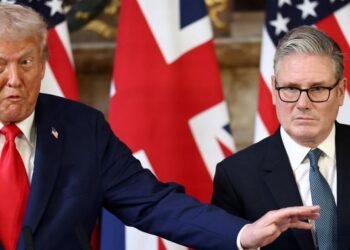 Relationship with Trump may be beyond repair, Starmer warned
 Italian Town Buys Mussolini Villa to Keep Away Fascist Fans
 Report Says Pezzullo Acted ‘Recklessly’ in Dealings
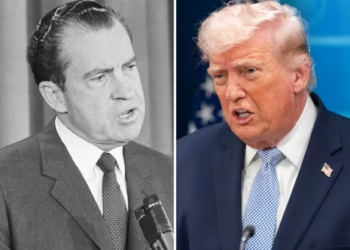 Trump Employs Nixon’s Madman Theory Amid Iran Crisis
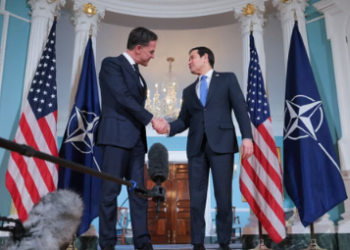 Trump Voices Frustration Over Nato Role in Iran Conflict
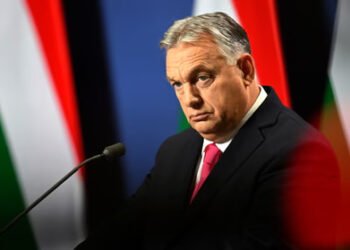 Hungary election: Orbán faces biggest test amid scandal
 Suspected Plot Targets Pipeline Before Hungary Vote
 Trump Brokers Landmark Lebanon Ceasefire Amid Regional Hopes
 UK Stands Firm on Falklands Amid US Rift
 Capitalism ‘Suicidal’, Warns Petro at Climate Summit
 Oil Prices Surge Above $120 Amid Iran Blockade Fears
 Trump orders US troop pullout from Germany
 Judge halts deportation of Yemeni refugees in US
 Trump approval plunges amid Iran war fears
 Ohio’s Battle for Trust: Democrats Vying to Flip the Buckeye State
 US ‘Narco Boat’ Strikes Draw Global Outcry
 Afghan Families Left in Limbo Face Risk of Deportation
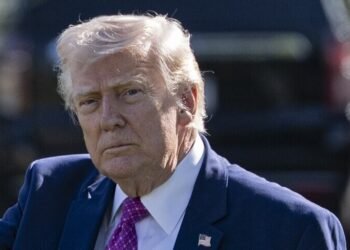 Trump Announces 3-Day Russia–Ukraine Ceasefire Deal
 US Awaits Iran Reply on New Ceasefire Proposal
 Discontent grows around Putin amid war strain
 Farage and Reform UK Reshape British Politics
 Starmer Leadership Under Pressure After Setbacks
 House Curbs Trump’s War Powers in Rare Rebellion
 New South Wales Premier Chris Minns Signals Tough Road Ahead for Labor
 Le Pen to Run for President Despite Embezzlement Conviction
 Ukraine Creates Long-Range Strike Command
 Le Pen’s Popularity Holds Despite Conviction
 Houthis Strike Saudi Arabia as Middle East Tensions Rise