Published: 6 July 2026 | The English Chronicle Desk | The English Chronicle Online
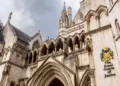
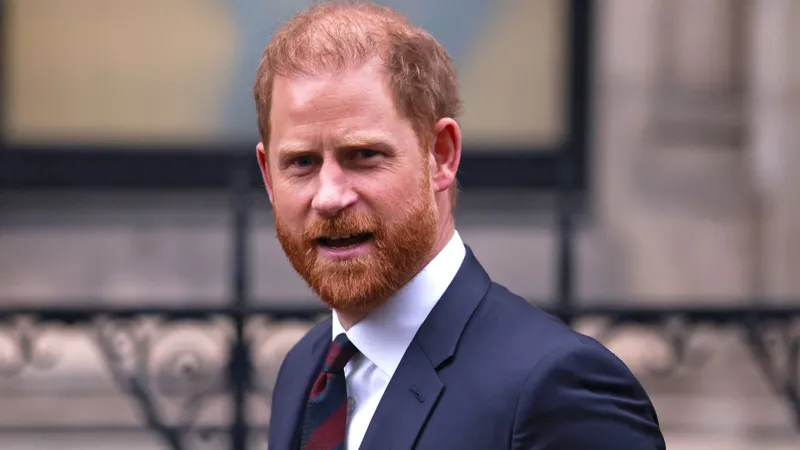
Prince Harry has begun his latest visit to the United Kingdom under the shadow of a closely watched court ruling, with the legal verdict adding fresh attention to the Duke of Sussex’s ongoing relationship with Britain, the Royal Family and the country’s judicial system.
The timing of the decision has placed the Duke’s return firmly in the public spotlight, as legal proceedings that have attracted significant domestic and international interest reached another important milestone. The ruling comes amid years of high-profile disputes involving Prince Harry’s security arrangements, media privacy concerns and his evolving role following his departure from official royal duties.
Although the court’s decision addresses a specific legal matter, its wider significance extends beyond the courtroom. It once again highlights the complex relationship between the Duke of Sussex and the institutions he continues to challenge through legal action, while also raising broader questions about public security, individual rights and accountability within the British establishment.

Prince Harry arrived in the UK shortly before the verdict was announced, beginning what is expected to be a brief visit centred on legal obligations and other scheduled engagements. As in previous visits, his return has generated widespread media coverage, with photographers and television crews closely following developments from both the courthouse and locations associated with the Royal Family.
The Duke has made several visits to Britain since stepping back as a senior working royal alongside his wife, Meghan, in 2020. However, each return has been accompanied by heightened public interest due to the ongoing legal disputes that continue to shape his relationship with the UK.
The latest court ruling is another chapter in a series of legal cases involving Prince Harry, many of which focus on issues surrounding personal security, media conduct and government decision-making. While each case has dealt with different legal questions, collectively they have reflected the Duke’s determination to pursue judicial review and civil litigation in pursuit of what he believes are matters of principle.
Legal experts note that Prince Harry has become one of the most active members of the Royal Family in terms of pursuing court action, challenging both public institutions and sections of the British press through a range of legal proceedings.
The latest verdict, while significant, does not necessarily conclude the broader legal disputes that have occupied much of the Duke’s public life over recent years. Depending on the nature of the ruling, further legal options, including appeals, may remain available.
Court observers said the judgment was delivered following extensive submissions from both parties, with judges considering complex questions involving administrative procedures, legal responsibilities and the application of existing legislation.
As is common in high-profile judicial cases, the ruling was issued after months of legal argument and careful examination of documentary evidence.
Representatives for Prince Harry have not ruled out further legal action, although they have indicated that the Duke remains committed to pursuing what he considers fair treatment under the law.
Legal analysts emphasise that cases involving members of the Royal Family often attract exceptional public attention, not because of any special legal status, but because of the constitutional role the monarchy continues to play within British society.
Despite their public positions, members of the Royal Family remain subject to the same judicial process as other citizens when appearing before British courts.
The Duke’s legal battles have also reignited debate about personal security for former senior royals.
Following his decision to step back from official duties and relocate overseas, Prince Harry’s publicly funded security arrangements changed significantly. Those changes became the subject of prolonged legal disagreement, with the Duke arguing that they left him and his family exposed to unnecessary risk during visits to Britain.
Government representatives have consistently maintained that security decisions are made through established procedures based on professional risk assessments rather than personal preference.
The court’s latest ruling therefore carries implications not only for Prince Harry but also for how similar decisions are handled in future cases involving public figures.
Beyond the legal questions, the Duke’s return has inevitably renewed speculation about his relationship with the wider Royal Family.
Although there have been occasional public appearances alongside senior royals during recent years, reports continue to suggest that personal relations remain complicated following the publication of memoirs, television interviews and documentaries in which Prince Harry openly discussed longstanding family disagreements.
Neither Buckingham Palace nor representatives for the Duke have commented publicly on whether any private meetings are expected to take place during this visit.
Royal commentators suggest that legal proceedings and family relationships remain separate matters, although public interest frequently links the two.
The latest developments also come at a time when the monarchy continues adapting to changing public expectations under King Charles III.
The institution has sought to maintain stability while navigating significant constitutional, personal and public relations challenges over recent years.
Prince Harry’s continued legal actions have therefore unfolded against a broader backdrop of transition within the Royal Household.
Public reaction to the court verdict has been divided.
Supporters of the Duke argue that every individual has the right to seek judicial review when challenging decisions they believe to be unfair or inconsistent with legal standards.
They view the legal process as an appropriate mechanism for resolving disputes involving government authorities and public institutions.
Critics, however, contend that the repeated legal battles risk prolonging tensions surrounding Prince Harry’s relationship with Britain and the Royal Family.
Some commentators have questioned whether ongoing litigation contributes to resolving longstanding disagreements or simply extends public controversy.
Legal experts caution against interpreting the court’s ruling through a purely political or personal lens.
They note that judicial decisions are based upon legal principles, statutory interpretation and evidence presented before the court rather than broader public debate surrounding the Royal Family.
Whatever the outcome, the case illustrates the importance of judicial independence in addressing disputes involving even the country’s most recognisable public figures.
As Prince Harry continues his visit, attention is expected to remain focused on both his legal strategy and any official engagements that may follow.

Whether this latest verdict represents the conclusion of one dispute or merely another stage in an ongoing legal journey remains uncertain.
What is clear, however, is that the Duke of Sussex remains one of the most closely watched figures in modern Britain.
His legal challenges continue to shape public discussion about the balance between personal rights, government responsibility and royal accountability, while his periodic returns to the United Kingdom consistently attract intense interest from supporters, critics and constitutional observers alike.
For now, Prince Harry’s latest visit has begun not with ceremonial events or family gatherings, but with a courtroom decision that once again places law, monarchy and public scrutiny at the centre of Britain’s national conversation.
Related News:
 “I Speak for the UK”: Trump Bristles at Prince Harry’s Ukraine Plea
 Andrew Accused Over Royal Lodge Cottage Rentals
 Watchdog Raises Questions Over Andrew Rentals
 Prince Andrew Faces Questions Over Cottage Lets
 Tasers Introduced in UK Prisons to Combat Rising Violence and Protect Staff
 David Lammy Faces Possible Legal Challenge Over Foreign Office Secondment Scheme
 Police Advised to Disclose Ethnicity of Suspects in High-Profile Cases
 Sally Rooney Pledges BBC Royalties to Support Palestine Action Despite UK Terror Ban
 Government Signs Deal with Iraq to Return Illegal Migrants in Latest Bid to Deter Small Boats
 Angela Rayner Admits Underpaying Stamp Duty on £800,000 Seaside Flat
 Angela Rayner Faces Scrutiny as Stamp Duty Row Deepens
 Tanni Grey-Thompson Faces Abuse Over Opposition to Assisted Dying Bill
 First “One In, One Out” Deportation Flight Departs Without Migrants Amid Legal Challenges
 Corbyn and Sultana Clash Over Membership Portal as Divisions Surface in New Leftwing Party
 Mahmood Pledges Reform of Modern Slavery Laws After Court Blocks Deportation Appeal
 Migrants in UK May Need to Contribute or Face Removal, Home Secretary Signals
 Jailed Georgian Opposition Leaders Warn UK of Iranian Links to Ruling Party
 MPs’ pay watchdog seeks to give public greater voice in how politicians are funded
 Digital ID Plans Ignite Debate Over £600m Treasury Tax Boost and Privacy Concerns
 Boris Johnson Breached Rules on Post-Office Business Contacts
 Lucy Powell urged ministers to reconsider costly legal case for Labour donor’s firm
 Starmer Accused of Creating ‘Toxic Downing Street’
Johnson Approved China’s London ‘Super-Embassy’ in 2018
Starmer Accused of Creating ‘Toxic Downing Street’
Johnson Approved China’s London ‘Super-Embassy’ in 2018
 French Taxi Driver Cleared in David Lammy Theft Case After Fare Dispute
 Palace to reinstate hyphen in Andrew’s surname
 Major Rent Reform Ends No-Fault Evictions in England
 Peers Flood Assisted Dying Bill with 942 Amendments
 UK Unveils Fast-Track Deportation and Asylum Overhaul
 UK Asylum Overhaul Sparks Debate Over Human Rights and Deportations
 UK Asylum Reforms: Temporary Refugee Status and Faster Deportations
 Mahmood Defends Tough Overhaul of UK Asylum System
 Westminster Advances Legacy Bill Amid Criticism
 Peers Get Extra Time to Debate Assisted Dying Bill
 Plans to Limit Jury Trials Face Retreat After Mounting Opposition
 Starmer tariffs stance rejects US trade retaliation
 Emails Show Epstein Funded Mandelson’s Husband After Jail
 Police Probe Mandelson Over Alleged Epstein Leak
 Last‑ditch Call to Save Police Front Counters in London
 Civil Service Pay: Union Urges Ministers to End ‘Barking Mad’ Limits
 How Much Could Andrew’s Arrest Hurt the Royal Family?
 Andrew Released Under Investigation After Arrest
 MPs Back Move to Release Files on Andrew’s Appointment as Trade Envoy
 Labour MP’s Partner Arrested on Suspicion of Spying for China
 Police Scotland Pays £8m Compensation to Staff
 Proposed Law Leaves Gap for Children of Convicted Paedophiles
 Hereditary Peers to Lose Seats in House of Lords
 Mandelson’s Phone Messages Requested in Files Release
 US Lawmaker Demands Testimony Over Sarah Ferguson’s ‘Close Epstein Ties’
 The Last of the Lords: Two Hereditary Peers to Retain Ceremonial Roles Amid Historic Ousting
 ‘My Daughter is Under the Rubble’: The Human Cost of the Tehran Strikes
 ‘Eye in the Sky’ Blinded: Photos Reveal Destroyed US Radar Jet at Saudi Base
 ‘Full and Immediate Access’: Netanyahu Reverses Palm Sunday Ban on Latin Patriarch
 ‘I Was Naive,’ Says Minister Who Quit Over Labour Together Claims
 ‘Policing Streets, Not Tweets’: Mahmood Scraps Non-Crime Hate Incidents
 Where are elections taking place in the South West in May 2026?
 Can King Charles Calm Trump on Key US Visit?
 Starmer Defends Workers’ Rights Amid Rising Green Threat
 Mass Arrests at London Palestine Protest Spark Debate
 MoD Has Lost Track of Veteran Recall List, Says Adviser
 Starmer Faces Pressure Over Mandelson Vetting Scandal
 ‘Pressured and Bypassed’: Sacked Sir Olly Robbins to Reveal ‘Toxic’ Atmosphere Behind Mandelson Appointment
 Border Breakthrough: UK and France Finalize New £662m Small Boats Deal
 Vetting and Vengeance: Morgan McSweeney Summoned in Mandelson Security Row
 Diplomatic Crossfire: President Trump Dismisses Prince Harry’s “Passionate” Ukraine Appeal
 Charles Faces Trump Test in High-Stakes US Visit
 Crackdown Backfires on UK Climate Protesters
 The “Invisible” Tape: Leaked Video Contradicts Police Denial in Brutal Arrest Case
 “Not a Game Show”: Sir John Major Slams the “Projected Career” Culture of Modern No. 10
 Asylum deal sparks fears over Syria deportations
 UK may ban protests amid rising antisemitism fears
 “The Cost of Conviction”: Palestine Action Activists Found Guilty Over ‘Clinical’ Factory Damage
 UK Faces Most Dangerous Era, Military Chief Warns
 US Condemns Alleged ‘Two-Tier’ UK Policing
 Son Urges Iran Prisoner Exchange for Jailed British Pair
 Lammy Says He Challenged JD Vance Over Nowak Remarks
 Teen Among Arrests at Nowak Protest as Three Charged
 Henry Nowak Murder: How the Case Shocked Britain and Drew US Attention
 Prince George Set to Begin Studies at Eton This September
 Pizza Express Probed Andrew’s Woking Pizza Claim
 Review Calls for Major Overhaul of Police Leadership