Published: 6 July 2026 | The English Chronicle Desk | The English Chronicle Online
PizzaExpress carried out an internal inquiry after Prince Andrew publicly claimed he had visited one of the restaurant chain’s branches in Woking on the day he was accused of having sex with Virginia Giuffre, according to newly reported details that have reignited interest in one of the most controversial episodes involving the Duke of York.
The revelation sheds new light on how one of Britain’s best-known restaurant brands unexpectedly found itself drawn into an international controversy after Prince Andrew cited the visit during his now-infamous BBC Newsnight interview in 2019. While the restaurant itself was never directly connected to the allegations against the prince, the mention of its Woking branch prompted widespread media attention, public speculation and, according to reports, an internal effort by the company to establish what information, if any, existed regarding the alleged visit.
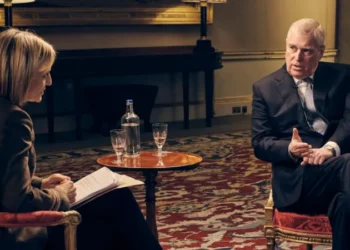
Prince Andrew’s reference to PizzaExpress became one of the defining moments of the televised interview, during which he sought to deny allegations made by Virginia Giuffre, who claimed she had been trafficked by the late convicted sex offender Jeffrey Epstein and forced to have sexual encounters with the prince when she was 17. Prince Andrew has consistently denied those allegations and has never faced criminal charges in connection with the case.

During the interview, the Duke said he had travelled to the PizzaExpress restaurant in Woking, Surrey, with one of his daughters on the day Giuffre alleged the encounter had taken place. He presented the outing as part of his explanation for why he believed the accusation against him could not be accurate.
The statement immediately attracted widespread public attention, with the restaurant’s Woking branch unexpectedly becoming one of the most discussed locations in Britain.
Within hours of the interview being broadcast, social media users, journalists and members of the public began examining the prince’s account in detail. The unusual nature of the alibi led to countless internet discussions, media reports and satirical references, turning the PizzaExpress restaurant into an unlikely symbol of the controversy.
According to reports, PizzaExpress subsequently conducted an internal inquiry to determine whether any records or evidence existed that could confirm or contradict Prince Andrew’s account.
However, the company reportedly found no documentation capable of verifying whether the Duke had visited the restaurant on the date in question.
Such an outcome was not considered unusual.
Hospitality businesses generally do not retain detailed customer records for ordinary restaurant visits extending over many years, particularly when payments are made in cash or where no reservations requiring personal identification exist.
Industry experts note that restaurants typically keep operational records for business and financial purposes rather than documenting individual customer movements over long periods.
As a result, investigators reportedly concluded there was no practical way of confirming or disproving the prince’s claimed visit through company records alone.
The renewed attention comes years after Prince Andrew’s BBC interview, which was widely criticised by media commentators and communications specialists.
Rather than resolving questions surrounding the allegations, the interview generated intense scrutiny over several aspects of the prince’s explanations, including his recollection of visiting PizzaExpress in Woking and other details concerning his relationship with Epstein.
Public reaction proved overwhelmingly negative, leading to significant reputational consequences for the Duke of York.
Within days of the interview, Prince Andrew announced he would step back from public royal duties following discussions with the late Queen Elizabeth II.
He has not returned to official working royal responsibilities since.
The controversy later culminated in a civil lawsuit brought by Virginia Giuffre in the United States.
Although Prince Andrew denied all allegations throughout the proceedings, the case concluded in 2022 with an out-of-court settlement.
The agreement contained no admission of liability by the Duke, who has consistently maintained his innocence.
The settlement nevertheless brought an end to years of highly public legal proceedings that attracted international attention.
PizzaExpress itself has long sought to distance its business from the controversy.
The company has repeatedly emphasised that it had no involvement whatsoever in the allegations surrounding Prince Andrew and became part of the public conversation only because of the Duke’s televised comments.
For the restaurant chain, the unexpected publicity presented unusual reputational challenges.
The Woking branch became an international point of reference almost overnight, attracting visitors curious to see the location mentioned during the interview.
Social media users created countless memes and jokes referencing the restaurant, while journalists from around the world travelled to Woking to report from outside the premises.
Marketing analysts have frequently cited the episode as an extraordinary example of how unrelated businesses can become associated with high-profile public controversies despite having no substantive connection to the underlying events.
Although PizzaExpress generally avoided public comment beyond clarifying factual matters, the company reportedly monitored the situation carefully as global media attention intensified.
Corporate communications specialists note that organisations caught in similar circumstances often conduct internal reviews to establish available facts before responding publicly.
Such inquiries help companies ensure that any statements made are accurate while protecting both customer privacy and corporate credibility.
The latest reports concerning PizzaExpress’s internal investigation have renewed public interest in a case that significantly affected both Prince Andrew’s public standing and the wider reputation of the British monarchy.
Royal historians argue that the Newsnight interview marked one of the most consequential moments in the Duke’s public life, fundamentally altering his role within the Royal Family.
The interview has since been extensively analysed in books, documentaries and academic discussions concerning crisis communications and reputation management.
Media experts frequently describe it as a case study illustrating how attempts to address allegations publicly can sometimes produce unintended consequences.
Among the interview’s most memorable aspects, the reference to PizzaExpress in Woking remains one of the most widely recognised.
Its enduring place in public memory reflects both the extraordinary level of attention surrounding the allegations and the unusual specificity of the Duke’s account.
Legal experts continue to emphasise that Prince Andrew has consistently denied the allegations made against him and has never been convicted of any criminal offence related to the claims.
Likewise, PizzaExpress has never been accused of wrongdoing in connection with the case.
The company’s reported inquiry was simply an internal effort to determine whether any historical information existed that might clarify the widely discussed claim.

As renewed reporting revisits the events surrounding the Duke’s interview, the PizzaExpress episode serves as a reminder of how high-profile controversies can unexpectedly involve individuals, businesses and institutions far removed from the central allegations.
For the restaurant chain, an ordinary family dining venue became part of one of the most closely scrutinised royal controversies in modern British history—an association that continues to attract attention years after the original interview first aired.
Related News:
 King Charles Strips MBE and OBE Titles from Nine People Including Stuart Hogg
 Andrew Accused Over Royal Lodge Cottage Rentals
 Watchdog Raises Questions Over Andrew Rentals
 Prince Andrew Faces Questions Over Cottage Lets
 Motorists Could Face ‘Mandatory’ Driving Ban for Road Offences Under Tougher Laws
 Disability and LGBT Hate Crimes Set to Become Aggravated Offences
 Last‑ditch Call to Save Police Front Counters in London
 Sadistic Pair Jailed for Blowing Up Sheep
 Grave of Murdered Toddler James Bulger Vandalised
 Family of Girl Groomed by Ian Huntley Beg Medics to Save His Life
 Sarah Everard’s Killer Wayne Couzens ‘Petrified’ After Ian Huntley Prison Attack
 Flats for the blind could be sold to developer
 Mountbatten-Windsor to keep City of London Freedom
 Undercover officer deceived women with ‘grotesque and cruel’ lies, spycops inquiry told
 Gran Vows to Shield Huntley’s Daughter From Soham Killer’s Funeral
 Sarah Ferguson Loses Another £1.5m Amid Financial Struggles
 Eugenie ‘Falls on Sword’ as Andrew and Sarah Ferguson Criticised
 Blind Woman Forced to Move Out After Leak Causes Ceiling to Cave In
 Rapist Caught After Victim Calls Police Mid-Attack

 Brutal Attack on Officer Leads to Five-Year Sentence
 Edinburgh Mother Learns Husband Was Secret Sperm Donor
 Families Tortured by Authorities During Investigations Inquiry Told
 Brain-Damaged Scot ‘Stuck’ in Hospital at Centre of Police Probes
 Watchdog Probes Police Handling of Andrew Tate Abuse Claims
 Dawn Raids in Scotland and Spain: Eight Arrested in Major Organised Crime Sting
 ‘F***, We’re Dead’: The Chilling Final Words from the Air France 447 Cockpit
 Holyrood Campaign ‘In Meltdown’ as Fifth Reform UK Candidate Quits
 US Lawmaker Demands Testimony Over Sarah Ferguson’s ‘Close Epstein Ties’
 The Last of the Lords: Two Hereditary Peers to Retain Ceremonial Roles Amid Historic Ousting
 Trust in Turmoil: Just Eat and Autotrader Among Firms Probed Over Fake Reviews
 ‘I Didn’t Realise’: ‘Housebound’ Benefit Cheat Caught Ziplining in Mexico
 ‘My Daughter is Under the Rubble’: The Human Cost of the Tehran Strikes
 ‘Eye in the Sky’ Blinded: Photos Reveal Destroyed US Radar Jet at Saudi Base
 ‘Full and Immediate Access’: Netanyahu Reverses Palm Sunday Ban on Latin Patriarch
 Three-Minute Heist: Renoir, Cézanne, and Matisse Masterpieces Stolen in Italy
 Child Focus Is Biggest Change to Family Courts in 30 Years, Senior Judge Says
 Woman Deported from China Over Manx Passport Mix-Up
 UK XL Bully Owners in Crisis as Essential Insurance Safety Net Set to Vanish
 Heartbreak in Bournemouth: The Tragic Death of James Blanch
 Rebranded or Reclaimed? Seized Tate Assets to Fund Domestic Abuse Support
 The Victim-Blame Loop: When Protection Orders Backfire
 Paws on the Wheel: Driver Facing Fine After Dog Photographed on Lap
 The Miracle of Phoenix: ‘Half Dead’ Rescue Dog Defies the Odds in Worcestershire
 A Gentle Light Extinguished: Tributes Pour in for Sister Genevieve After Fatal Newport Collision
 The Courtroom Clash: Couple Denies Charges in Alleged Racially Motivated Assaults
 Faith and Friction: Church Officer Branded a ‘Satanist’ After Flagging Safeguarding Risks
 Justice Served: Man Jailed for Grooming Minor Met on Gaming Platform
 Near-Miss Tragedy: 11-Year-Old Injured After Found Gun Discharges
 The East Peckham Tragedy: Third Victim Succumbs After Fatal Pony and Trap Crash
 Toxic Trail: Dog Owners Warned Over ‘Vile’ Poisoned Meat Found in Parks
 Digital Shield: Met Police Trial AI to Fast-Track Child Abuse Investigations
 Campus Lockdown: School Shuts Following ‘Serious Incident’ in Local Area
 Rights and Respect: Nurse Wins Legal Settlement Over Transgender Pronoun Dispute
 Youth in Crisis: ‘Seismic’ Rise in Children as Young as 10 Carrying Weapons
 Justice on Hold: Further Delay in Chloe Mitchell Murder Trial Sparks Local Frustration
 MoD Has Lost Track of Veteran Recall List, Says Adviser
 ‘Thugs for Hire’: 17-Year-Old Charged in Counter-Terror Probe Following Synagogue Firebombing
 ‘A Sacred Space Shattered’: Two Found Guilty in London Church Drive-By Murder Trial
 Victory for 4.2 Million as Indonesia Finally Codifies Domestic Worker Rights
 The Hidden Debt Trap: Thousands Sued by Councils Over Soaring Home Care Costs
 “I Speak for the UK”: Trump Bristles at Prince Harry’s Ukraine Plea
 “Significant” Fire at Pink Punters: 51-Year-Old Man Arrested Following LGBT+ Club Blaze
 “A Death Sentence for Levi”: Family Speaks Out on the Aftermath of Sexual Violence
 500 Officers, 10 Arrests: Crewe Religious Group at Centre of Modern Slavery and Sex Crimes Probe
 “Justice Has No Expiry Date”: Six Arrested in Major Probe into Historical Child Sexual Abuse
 “A Trail of Blood and Debt”: County Lines Kingpin Handed Life Sentence for “Senseless” Gangland Murder
 “Not a Game Show”: Sir John Major Slams the “Projected Career” Culture of Modern No. 10
 UK may ban protests amid rising antisemitism fears
 Father’s diaries reveal doubts over Hawking
 Victim says non-custodial rape sentence ‘rock in my face’
 Regulator Reviews ‘Overwhelming’ Maths Exam
 Man Arrested 22 Years After Leeds Teen Murder
 Who Is NHS Nurse Harriet Sperling, the Newest Royal Connection?
 Widow Distressed by Nine-Month Delay to Husband’s Pension Payment
 Harriet Sperling: The NHS Nurse Drawn Into the Royal Spotlight
 Prince George Set to Begin Studies at Eton This September
 Woman Claims Swinging Website ‘Facilitated Abuse’ and Left Her Traumatised
 Pizza Express Probed Andrew’s Woking Pizza Claim
 Prince Harry Returns to UK as Court Delivers Key Verdict