Published: 07 July 2026. The English Chronicle Desk. The English Chronicle Online.
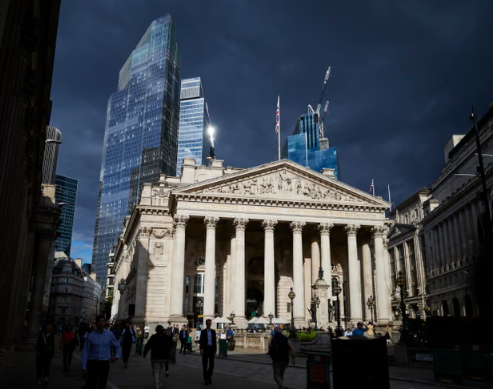
The Bank of England has announced a significant shift in its regulatory framework this week. Officials plan to loosen specific capital requirements for major lenders operating across the United Kingdom. This decision comes despite growing concerns among policymakers regarding potential threats to national financial stability. Many experts worry about the impact of rapid artificial intelligence developments on the global market. Others are focused on the dangers posed by rising levels of debt-fuelled stock investments today. The central bank confirmed on Tuesday that it is looking to remove several restrictive rules. These particular regulations were introduced following the major financial crisis that shocked the world back in 2008. They currently determine the size of the financial cushion required to absorb losses during downturns. The ultimate goal is to protect consumers and taxpayers when difficult economic times occur for everyone.
The Bank of England’s financial policy committee revealed its specific intentions during a recent briefing. The plan includes scrapping a long-standing buffer located within the primary leverage ratio for large banks. This change would primarily benefit the biggest domestic-focused financial institutions currently operating within the United Kingdom. Specifically, this group includes major names such as NatWest, Lloyds, Nationwide, and also Santander UK. These current proposals will soon be put out for a formal consultation process by the bank. If adopted, the changes could slash lender leverage ratios by twenty basis points on average. Proponents argue this strategy would provide banks with a competitive advantage against their international peers. Furthermore, officials hope the move will spur additional lending that supports the wider UK economy. By freeing up more capital, banks might extend more credit to businesses and individuals alike.
However, not everyone on the committee remains entirely convinced that this is a safe path forward. Some members have raised serious concerns that trimming these buffers could amplify existing risks to stability. A fresh wave of lending might inadvertently increase the number of loans issued to aggressive investors. Hedge funds and other entities have already used significant amounts of debt to buy company shares. Much of this debt-fuelled activity is currently concentrated within the highly volatile artificial intelligence sector. Stock valuations for these technology firms have soared significantly over the past several months alone. This creates a situation where the market relies heavily on borrowed money to maintain its current momentum. Many observers worry that a sudden correction could trigger wider systemic failures across the financial sector.
The financial policy committee acknowledged these fears in its latest report released to the public yesterday. Some committee members voiced concerns that the proposal might lead to an unwanted increase in leverage. This shift could have serious negative implications for the overall resilience of core UK financial markets. Consequently, the committee is now embarking on a thorough review of the entire regulatory policy package. This assessment will identify whether the proposal leaves any stability gaps that must be managed properly. The inquiry will also determine if those gaps justify further adjustments to the proposed capital changes. That detailed review is scheduled to be completed by the end of September this year. The findings will then influence the specific package of capital changes presented for formal consultation. This next stage of the consultation process is currently expected to begin in early 2027.
Beyond banking regulations, the committee raised significant concerns about the current trajectory of artificial intelligence systems today. Policymakers noted that these technologies have developed much more quickly than many experts had originally forecast. Frontier AI systems certainly possess the clear ability to boost productivity across many different industrial sectors. However, they also increase cyber risks in a significant and potentially dangerous way for modern banks. Malicious actors could now inflict shocks and outages at much lower costs than in the past. This activity could happen at a greater scale, which threatens the integrity of the digital system. The potential damage could easily hit banks and other systemically important financial firms quite hard. Such an event would inevitably put the wider financial system at a substantial risk of failure.
The bank stated that recent rapid advances in frontier AI capabilities have increased these underlying financial risks. These dangers are specifically related to the cyber and operational resilience of our most important banking institutions. The warning comes amid months of widespread speculation regarding the impact of powerful new AI models. One prominent example mentioned by the committee is the recently launched system known as Anthropic’s Mythos. This advanced model has only been rolled out to select, vetted companies located throughout the world today. Its capabilities remain shrouded in some mystery, causing anxiety among regulators tasked with protecting the public. Financial authorities are struggling to keep pace with the sheer speed of technological change seen recently. There is a palpable tension between encouraging innovation and maintaining the safety of the wider financial landscape. Balancing these conflicting interests will clearly define the work of the Bank of England for years ahead. The central bank faces the difficult task of stimulating economic growth while managing unprecedented digital threats. Officials must ensure that lenders remain robust enough to withstand shocks from the stock market today. Simultaneously, they need to monitor how AI might compromise the safety of our digital infrastructure tomorrow. The upcoming consultation process will likely see intense debate between banking lobbyists and risk-averse financial regulators. Public interest groups will also watch these developments closely to ensure that consumer protections remain a priority. The government has yet to comment on how these changes might affect the broader national recovery plan. Investors remain cautious as they watch for further guidance from the committee in the coming months.
The financial landscape is currently navigating a period of rapid change driven by technological and regulatory shifts. While loosening capital requirements aims to foster a more dynamic banking sector, the risks remain palpable. Debt-fuelled investments in artificial intelligence continue to drive market valuations to levels that worry many seasoned analysts. Policymakers are clearly aware of the delicate balance required to maintain stability in this volatile environment. Their upcoming review process will be a crucial test of their ability to anticipate future market stresses. Ultimately, the Bank of England must prove that its policies can withstand both economic downturns and digital attacks. The eyes of the international financial community will remain fixed on the progress of these specific reforms. The coming months will be essential for shaping the future of the UK’s robust and modern financial system.
Related News:
 Reeves Faces Setback as Labour May Miss Homes Target
 Trump’s UK Ambassador Urges North Sea Drilling to Strengthen US Ties
 ABF May Split Primark from Food Division Amid Tough Market
 M&S Profits More Than Halve After Cyber-Attack
 Tony Blair think tank warns Rachel Reeves must cut taxes if manifesto broken
 Oprah enjoys Meghan’s jam on English muffins
 Millionaires group urge Reeves to introduce wealth tax to ‘lift kids out of poverty’
 UK toy market enjoys bumper year as ‘kidults’ fuel demand
 Global markets drop amid tech sell-off and China slowdown
 PM Highlights UK Business at G20 in South Africa
 Mossmorran Plant Closure Hits Cowdenbeath Hard
 UK Taskforce Unveils Plan to Streamline Nuclear Reactor Rules
 Steel billionaire Lakshmi Mittal reportedly leaves UK
 Starmer Says Labour’s Economic Plan Needs Years to Deliver
 Virgin Media Fined £23.8m Over Telecare Safety Failures
 Rising Water Bills Lift Troubled Thames Back to Profit
 Sainsbury’s CEO leads business honours in New Year list
 Starmer Faces Parliamentary Battles Over UK-EU ‘Reset’ Plan
 Phoenixism Costs UK Taxpayers Millions in Recruitment Sector
 ScottishPower Tops List of Worst UK Energy Suppliers
 City & Guilds pay surge sparks backlash amid £22m cuts
 UK Government Borrowing Drops to £11.6bn in December
 AI job losses UK: Britain faces sharper employment shock
 Most young adults in UK fear uncertain jobs and economic future
 Royal Mail delivery delays affect 16 million during Christmas
 UK Housing Market Shows Early Recovery Signs
 UK economy struggles as growth stalls at 0.1% in late 2025
 Bank of England Urged to Cut Rates to Spur Growth
 UK Unemployment Rate Climbs to 5.2% Peak
 UK shelves £110m border project amid trade strain
 UK Inflation Surprise Sparks Early Rate Cut Hopes
 Progress on gender equality at top UK firms ‘achingly slow’
 Strong Rebound for UK Housing Market Sees 6% More Homes
 Reeves Must Back Defence Plan or Face Dismissal, Says Unite Chief
 Doom Bar Closure Stuns Cornish Brewing Fans
 Switching Energy Deal Can Save £200 as Price Cap Falls
 OBR Reform Row Deepens Before Spring Forecast
 UK Hotel Data Sharing Probe Shakes Global Chains
 Rachel Reeves Faces Middle East Conflict Test
 Grocery Inflation Rises Amid War Fears
 Peak Greggs fears as profits tumble sharply
 BrewDog sold Highland estate for knockdown price after abandoning reforestation plans
 Yorkshire Water Funding Sparks Debate Amid Fines and Pay Row
 John Lewis bonus returns after four years as profits rise
 New £10bn rescue plan offered for Thames Water
 UK Energy Reform Could Cut Bills by £200
 Rising Costs Force Families to Rethink Days Out
 Hospitality Sector Teeters on Brink as Costs Surge
 Iceland Boss Offers Role to Sacked Waitrose Employee
 Student Loan Interest May Rise Despite 6% Cap
 Aegon Sells Historic UK Arm to Standard Life for £2bn
 Major Housebuilder Cuts Land Buying Amid Global Unrest
 UK Staycations Rise as Travel Fears Grow
 City & Guilds Sale Sparks Fees and Pay Uproar
 Silent Tracks: Rail Line Without Passengers
 Heathrow Chair Seeks Peace to Save Third Runway
Carillion Executives Banned After Reckless Misconduct
Heathrow Chair Seeks Peace to Save Third Runway
Carillion Executives Banned After Reckless Misconduct
 Lotus Boss Pledges Future to Norfolk and Seeks State Support
 Millionaires Back Higher Taxes to Save UK Public Services
 UK Firms Freeze Spending as Iran Conflict Bites
 Summer Shock: British Energy Bills Set for Grim July Hike
 Reeves to Fast-Track Clean Energy Amid Iran Crisis
 M&S Boss Slates Food Price Caps as ‘Preposterous’
 UK Urged to Build EU Rejoin Consensus, Says Miliband
 Tube Strike Brings Capital to a Standstill Over Shift Disputes
 Tube Strike Brings Capital to a Standstill Over Shift Disputes
 BP Stands Firm on Amanda Blanc Amid Boardroom Storm
 UK House Prices Drop For Third Month Due To War Fears
 Top Chefs Back Andy Burnham to Save UK Hospitality Sector
 UK Steel Crisis: Jingye Demands Payout After Takeover
 Flutter to Cancel London Stock Exchange Share Listing
 AI Scams Push UK Investment Fraud Past £220m
 Thames Water Nationalisation Pushes Closer After Rescue Objected
 Andy Burnham Enlists Economic Heavyweights for Leadership Bid
 Tories Clinch Shock Victory in Aberdeen South Byelection
 Rethinking the Blueprint for Youth Employment in Britain
 EU Slashes Steel Quotas But Grants UK Favourable Rates
 Sainsbury’s Boss Optimistic As Grocery Inflation Eases
 UK Households Suffer Squeeze As Disposable Incomes Drop
 BBC Faces Real Jeopardy as Licence Fee Income Declines