Published: 10 July 2026. The English Chronicle Desk. The English Chronicle Online.
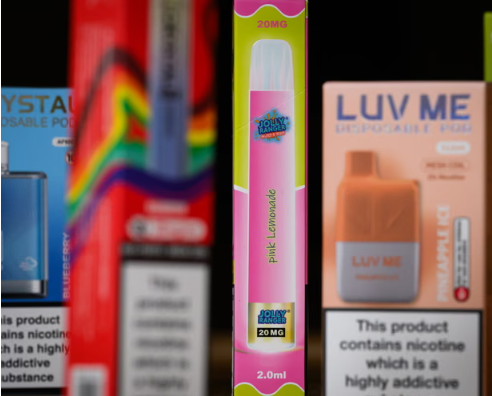
The British government has unveiled a comprehensive suite of proposals designed to curb the rising trend of youth vaping across the nation. Health officials intend to introduce restrictive measures regarding how these devices are presented to the public. These plans focus heavily on altering the aesthetic appeal of vape products that attract younger consumers today. Under the new proposals, vape packaging would be required to adopt a plain and standardised appearance. This change aims to strip away the colourful and vibrant branding currently used by many manufacturers. Device colours would be strictly limited to neutral shades of white, black, or grey to reduce visual impact. Furthermore, retailers might soon be required to keep all vaping products completely out of sight from customers. This approach mimics the strict display regulations already governing the sale of traditional tobacco products within local shops.
The Department of Health and Social Care believes these actions are essential to safeguard the health of future generations. Health Secretary James Murray recently discussed the urgent need for a shift in current industry marketing practices. He highlighted that the current promotion of these products specifically targets children through bright and alluring designs. Such strategies are viewed as fundamentally wrong by the government, which prioritises the wellbeing of its young citizens. The ultimate goal remains creating a smoke-free generation while preventing young people from starting these harmful habits early. Officials have launched a twelve-week consultation period to gather feedback on these significant regulatory changes. This public consultation will allow experts, retailers, and concerned citizens to express their views on these restrictive measures.
Current data highlights the scale of this issue among school-aged children throughout various regions of the United Kingdom. Statistics suggest that nearly one in five teenagers between eleven and seventeen have attempted to use a vape device. This alarming trend has prompted health organisations to call for immediate and robust government intervention on this matter. Leading medical professionals have expressed strong support for the proposed regulatory framework to curb these rising usage numbers. Professor Steve Turner of the Royal College of Paediatrics and Child Health recently endorsed this necessary path forward. He stated that meaningful regulation is the only way to shield children from the dangers of nicotine addiction. The expert noted that medical staff witness the impacts of these devices on young people on a daily basis.
In addition to packaging changes, the government intends to place strict limitations on the descriptions used for vape flavours. Currently, many products use names that evoke sweets, desserts, or even alcoholic beverages to entice younger buyers. These descriptive terms would be prohibited under the proposed rules to minimise the perceived appeal of these specific items. Instead, manufacturers would be limited to using simple, factual names such as apple or other basic fruit identifiers. This measure seeks to remove the whimsical and candy-like branding that has successfully drawn many children towards vaping products. Advocacy groups have consistently argued that attractive branding and imagery are the primary drivers of youth experimentation. Hazel Cheeseman, who serves as the chief executive of the charity Action on Smoking and Health, supports this view. She maintains that protecting children from such manipulative marketing tactics is the correct moral choice for the government.
The Department of Health points to the notable success of similar legislation introduced for cigarette packaging back in 2017. That policy effectively removed branding from cigarette boxes and forced a standardised look that reduced their overall visual appeal. Officials are now eager to replicate this effective strategy across the growing vaping industry to achieve similar public health goals. The proposed consultation also includes wider measures to discourage smoking among adults who might be considering these habits. This involves inserting helpful information into cigarette packs to guide smokers toward resources that support their quitting journey. Furthermore, the government aims to enforce plain packaging rules on all tobacco products, including rolling papers and various cigars. These comprehensive efforts represent a major step toward tightening the regulations that currently oversee nicotine consumption within the country.
One key aspect of these new rules involves closing loopholes that currently exist in certain retail environments today. Exemptions allowing duty-free shops and airports to openly display tobacco products would be removed under the new plan. This change means that cigarettes and other tobacco items would be hidden from view in these high-traffic retail spaces. While the government is taking a firm stance, experts are careful to acknowledge the nuance of the broader situation. They recognise that while vapes are not entirely harmless, they remain significantly less damaging than traditional combustible cigarette smoking. Vaping has served as an effective tool for millions of adults who successfully managed to stop smoking cigarettes. Therefore, maintaining a careful balance between regulation and harm reduction remains a critical priority for policymakers this year.
Academic research provides further evidence regarding the effectiveness of these plain packaging proposals on consumer behaviour and product interest. A study published last year in the Lancet Regional Health Europe offered valuable insights into how these packages influence perception. Researchers from University College London and King’s College London conducted detailed experiments to test these theories on different demographics. Both adults and teenagers were presented with various vape packs to gauge their initial interest in the items. Among the children and young people questioned, over half said their peers would be interested in trying standard branded packs. This interest significantly dropped when those same young participants were shown versions featuring plain and simple packaging designs. Interestingly, the research found that adult interest remained stable regardless of whether the product had plain or colourful packaging.
This data suggests that the new regulations will likely achieve the desired outcome of reducing appeal to minors. It confirms that standardised packaging works specifically to lessen the attraction that young people feel toward vaping products. The government will process the findings from the upcoming consultation before making any final decisions on these proposed policies. Stakeholders across the country are expected to participate actively in this important dialogue regarding the future of public health. Ensuring that children are protected from the allure of addictive substances remains a cornerstone of the national health strategy. Officials remain hopeful that these collective efforts will create a safer environment for young people across the entire United Kingdom. Through these decisive actions, the government aims to build a healthier society that is no longer enticed by deceptive marketing. The next few months will be crucial as the nation determines the best path to protect its youngest and most vulnerable members.
Related News:
 Hospice Cuts Raise Alarm Across England Amid Funding Crisis
 The diet that can significantly ease symptoms of IBS
 Celebrities and Charities Demand UK Government Act on Child Poverty
 Experts Warn on Home Birth Risks, Call for Skilled Midwives
 Experts Urge Legal Right to Timely Cancer Care
 Patients to Test Health at Home to Ease NHS Winter Pressure
 London’s Childlessness Crisis: Schools Closing as Families Shrink
 North Sea oil workers must lose weight or face job loss
 Crisis charity to become landlord amid UK housing emergency
 No link found between paracetamol in pregnancy and autism
 Shouting Works Best to Deter Gulls, UK Study Finds
 Reeves rejects £1bn plea for NHS redundancy payouts
 Leading doctors issue warning amid ‘bad’ flu season
 Stroke Patient Mistaken for Drunk, Care Delayed
 ‘Traumatic Wait’: Northern Ireland Women Face Breast Cancer Delays
 Welsh Government Christmas 2020 Lockdown Criticised
 Coffins Now Too Large to Cremate Amid Rising Obesity Crisis
 NHS paediatric leave parents waiting months for answers
 Catherine urges end to stigma around addiction
 Five-Year-Old Dies After Rare Tonsil Surgery Complication
 Fibromyalgia Patients Struggle as NHS Fails to Provide Care
 More Patients Now Contacting GPs Online, Data Shows
 Streeting launches review into mental health and ADHD diagnoses
 People in England’s Poorest Areas Face Higher Lung Health Emergencies
 Minor A&E Visits Surge Across England as Hospitals Face Pressure
 Children to Receive Home Vaccines as England Acts
 UK Enforces Junk Food Ad Ban Before 9pm
 Patients Collapsing in NHS Corridors, Watchdog Warns
 Offenders to Receive Health Support During Probation Appointments
 NHS Violence Crisis: Staff Face Daily Assaults
 NHS corridor care crisis sparks fears over patient safety
 Jess’s Rule Urges GPs to Rethink Persistent Symptoms
 UK Glaucoma Rise Signals Looming Eye Health Crisis by 2060
 Small risk warning raised over weight-loss jabs in UK review
 Pneumonia Surge Pushes England Emergency Cases Higher
 Streeting moves on doctor pay to end strike dispute
 UK reports baby formula toxin poisoning cases across the country
 Children of Close-Relative Parents Face Higher Mortality Risk in England
 Campaign Demands NHS Action on Placenta Accreta Diagnosis
 NHS Bone Cement Shortage Threatens Surgeries
 Placenta Accreta Warning as Hunt Urges Action
 Half of Britons Avoid GP When Ill, Survey Reveals Growing Concern
 NHS Maternity Units Cover Up Harmful Childbirth Errors
 Drop in Overseas Workers Sparks ‘Car Crash’ for UK Hospitals
 Weight-loss drugs may transform heart attack recovery
 Cancer Death Rate in Britain Falls by Nearly a Third
 Palantir NHS Contract Sparks Fears Over Data Power
 UK Patients Face Long Journeys as Pharmacies Cut Hours
 UK Biobank Health Data Leaks Raise Privacy Concerns
 NHS Plans to Cut Overseas Workers Labeled Overambitious
 Kent Meningitis Outbreak Claims Two Young Lives as Cases Rise
 Meningitis Cases in Kent Outbreak Rise to 27
 Palantir Boss Defends NHS Deal Amid Government Break Clause
 NHS Staff Shortages Stifling Recovery for Stroke Survivors
 Unions Raise Concerns Over Doctors’ Pay Dispute
 Wes Streeting Accuses Doctors of Torpedoing Pay Deal
 Private Profits From NHS Contracts Spark Urgent National Debate
 Crisis in NHS Surgery Scheduling Hits Patients Hard
 NHS Safety Fears as Nurses Cover Doctor Gaps
 New Scan Offers Hope for Faster Endometriosis Diagnosis
 New AI Tool To Target Obesity Risk And Transform NHS Care
 Barrister Criticises Trial After Suicide Case Verdict
 NHS Drug Deal Faces Legal Threat Over US Trade Agreement
 NHS Staffing Crisis Reaches Dangerous Levels
 Crisis in Care: Children Stuck in A&E for Days
 Empowering the Elderly or Shifting the Blame to Individuals?
 England Faces Rising Lyme Disease Cases Amid New Vaccine Hopes
 Record Spending Highlights Growing Crisis In National Health Service
 The Race for Radical Change in Westminster
 Clean Air Initiatives Spark Major Fall in London Hospital Admissions
 Swimming Champion Demands Urgent Action on Brain Cancer
 Labour MP Revives Blocked Assisted Dying Bill in Commons
 UK Heatwave: Why Extreme Humidity is Making June Feel Unbearable
 Mortuary Crisis Exposed at Scandal-Hit NHS Trust
 The Hidden Revival of a Fatal Infection on British Soil
 NHS Urges Investigation For Irregular Periods
 BMA Faces Unprecedented Staff Cuts Amidst Severe Financial Turmoil
 Trump Immigration Cuts Threaten US Caregiver Stability
 UK Schools Struggle as Classrooms Top 40C
 London Tube Heat Reaches Dangerous Levels