
Published: 31 July 2026 | The English Chronicle Desk | The English Chronicle Online
Greater Manchester Mayor Andy Burnham is expected to outline a sweeping new devolution proposal aimed at transferring more decision-making powers from Westminster to England’s regions, as political opponents and local leaders question whether the reforms will benefit all parts of the country equally.
The long-awaited announcement comes amid growing calls for greater regional autonomy over transport, housing, skills, healthcare and economic development. Supporters argue that devolving powers will allow local authorities to make decisions better suited to the needs of their communities, while critics warn that the proposed model could widen the gap between wealthier city regions and areas that have yet to secure comparable powers.
The debate has once again placed the future of English devolution at the centre of national politics, with questions over funding, accountability and regional inequality expected to dominate discussions.

According to officials familiar with the proposal, Burnham will present a vision for expanding the powers available to metro mayors and combined authorities across England.
The plan is expected to include greater local control over:
- Public transport networks
- Affordable housing and planning
- Skills training and employment programmes
- Economic development funding
- Elements of health and social care
- Infrastructure investment
Burnham has repeatedly argued that decisions affecting local communities should be made closer to the people they impact rather than being directed from Whitehall.
He is expected to describe devolution as essential for improving public services, boosting regional economies and reducing long-standing inequalities between London and the rest of England.
Devolution refers to the transfer of powers and funding from central government to regional or local authorities.
Unlike Scotland, Wales and Northern Ireland—which each have their own devolved legislatures—England’s devolution system has developed through combined authorities led by directly elected metro mayors.
Cities including Greater Manchester, the West Midlands, Liverpool City Region, South Yorkshire and West Yorkshire have already gained additional responsibilities over transport, policing, housing and economic development.
Supporters argue these arrangements allow local leaders to respond more effectively to regional priorities.
Despite widespread support for decentralising power, critics argue that England’s current devolution model has created an uneven landscape.
Some regions have secured substantial funding packages and extensive powers, while others continue to rely heavily on central government.
Local authority leaders in counties and rural areas have questioned whether the latest proposals will further strengthen already well-established metropolitan regions while leaving smaller communities behind.
Some policy experts warn that the absence of a uniform national framework risks creating a “postcode lottery” in local government powers and public investment.
One of the most significant questions surrounding Burnham’s proposal concerns funding.
Regional leaders have consistently argued that devolved powers must be accompanied by long-term financial certainty rather than short-term grants awarded through competitive bidding processes.
Local governments say unpredictable funding makes it difficult to plan major infrastructure projects, housing developments and public transport improvements.
Burnham has previously called for multi-year funding settlements that would give local authorities greater confidence to invest over the long term.
Critics argue that additional responsibilities without adequate financial support could place further strain on already stretched local budgets.
Supporters of greater devolution believe regional leaders are better positioned to drive economic growth than central government departments.
They argue that local authorities have a deeper understanding of regional labour markets, business needs and infrastructure priorities.
Greater local control over investment decisions could help attract businesses, improve productivity and create new employment opportunities.
Business organisations have generally welcomed efforts to reduce bureaucracy and allow regions greater flexibility in designing economic policies tailored to local circumstances.
Transport is expected to feature prominently in Burnham’s announcement.
Greater Manchester has already introduced significant reforms to its public transport network, including the gradual return of bus services to local public control.
Burnham has frequently argued that integrated transport systems similar to those operating in London should become available across England.
Local leaders believe improved transport links can stimulate economic growth by making it easier for people to access jobs, education and public services.
Investment in rail, roads and active travel infrastructure is also expected to form part of the broader devolution agenda.
The proposals have generated mixed reactions across the political spectrum.
Supporters describe devolution as an opportunity to modernise government and reduce the concentration of power in Westminster.
Opponents question whether creating stronger regional authorities may add complexity to an already complicated system of local government.
Some MPs have expressed concerns about accountability, arguing that expanding mayoral powers should be accompanied by stronger democratic oversight and transparency.
Others believe greater local autonomy could encourage innovation and improve public services through policies designed specifically for regional needs.
County councils and leaders from less populated regions have urged the government to ensure that any expansion of devolution benefits all parts of England.
Many rural communities face challenges that differ significantly from those experienced in major cities, including ageing populations, limited public transport and access to healthcare.
They argue that devolution should not focus exclusively on metropolitan areas but should also recognise the needs of counties, coastal communities and smaller towns.
Policy analysts suggest achieving a balanced approach will be one of the government’s biggest challenges.
Advocates of devolution say locally controlled public services are often more responsive because decision-makers understand community priorities.
Greater local influence over healthcare, housing and education could allow policies to be adapted more effectively to regional circumstances.
However, governance experts emphasise that devolving powers also requires clear accountability mechanisms to ensure transparency and effective use of public funds.
The relationship between central government and local authorities will remain an important issue as reforms progress.
Implementing a broader devolution programme would require cooperation between central government, local authorities and Parliament.
Legislative changes may be necessary to transfer additional responsibilities and establish new funding arrangements.
Experts also note that different regions have varying administrative capacity, meaning some areas may require additional support before assuming greater powers.
Balancing flexibility with national consistency will be crucial to ensuring that public services remain equitable across England.
Burnham’s devolution plan is expected to shape political debate over the coming months as ministers, regional leaders and local councils consider the future distribution of power within England.

Whether the proposals succeed will depend not only on the scope of devolved powers but also on how funding is allocated and whether all regions feel they have been treated fairly.
As discussions continue, the debate reflects a broader question about how England should be governed in the decades ahead—through stronger local leadership or continued central oversight.
Andy Burnham’s forthcoming devolution proposal represents another significant step in the ongoing debate over the future of regional government in England.
Supporters see greater local control as essential for driving economic growth, improving public services and reducing regional disparities. Critics, however, argue that any new settlement must ensure every part of England benefits equally, rather than concentrating resources and authority in a limited number of metropolitan areas.
As the government considers the next phase of devolution, the challenge will be striking a balance between empowering local communities and maintaining fairness across the country.
Related News:
 UK Must Act with Courage and Clarity on Israel-Palestine Conflict, Says Foreign Affairs Committee Report
 Chancellor Faces Mounting Pressure Amid “Impossible Trilemma” Over Tax Rises
 Radioactive Leak at UK’s Nuclear Warhead Base Sparks Outcry Over Safety and Secrecy
 Mutual Inconvenience: Why Alaska Was Chosen for the Trump-Putin Summit on Ukraine
 Chancellor Rachel Reeves Pushes for Sweeping Changes to Environmental Protections to Accelerate Development
 Is the UK Ready to Put Boots on the Ground in Ukraine? Assessing Military Capacity and Challenges
 Police Scotland Spends £500,000 Compensating Officers Over Trump Visit
 Britain’s Migration Challenge: Rising Asylum Numbers and Hotel Pressures
 Urgent Action Needed on Windrush Compensation as Survivors Speak of “Waiting to Die”
 Tanni Grey-Thompson Faces Abuse Over Opposition to Assisted Dying Bill
 TfL Invites RMT to Resume Talks as London Tube Strikes End
 Nigel Farage Unveils Controversial Immigration and Welfare Plans at Reform UK Press Conference
 Ed Miliband Warns UK Government on X, Citing Elon Musk as a “Dangerous Influence”
 Kemi Badenoch Unveils ‘Golden Rule’ to Halve Spending Cuts for Deficit Reduction at Tory Conference
 UK border officers deployed to Balkans to tackle migrant smuggling
 UK MPs warn of repeat riots over online misinformation
 Army Barracks to House Migrants as Hotels Phase Out
 Trump’s UK Ambassador Urges North Sea Drilling to Strengthen US Ties
 Millionaires group urge Reeves to introduce wealth tax to ‘lift kids out of poverty’
 Reeves rejects £1bn plea for NHS redundancy payouts
 PM Condemns Leaks, Vows Loyalty to Ministers and Stability
 Major Rent Reform Ends No-Fault Evictions in England
 Starmer Says Labour’s Economic Plan Needs Years to Deliver
 England delays four mayoral elections amid criticism
 UK Ministers Drop Foreign Student Targets for Global Education Push
 No Gas Boiler Ban as UK Warm Homes Plan Backs Heat Pumps
 Shinzo Abe’s killer receives life sentence in Japan
 Police response times face strict new national limits
 Starmer warns of toxic division politics in Reform challenge
 Palantir contracts face UK halt calls over transparency
 Diane Abbott Slams Applause for Keir Starmer as PM Vows to Stay On After Mandelson-Epstein Row
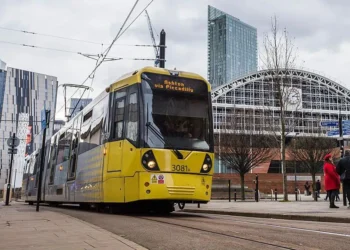 Could Manchester Lead the UK’s Economic Revival?
 Starmer Weighs Fast-Tracking Defence Boost
 Farage to Name Jenrick as Reform Chancellor Pick
 Civil Service Pay: Union Urges Ministers to End ‘Barking Mad’ Limits
 Antonia Romeo appointment sparks criticism
 Australian PM Says Former Prince Andrew Has Suffered ‘Extraordinary Fall’ but That Won’t Prompt Republic Referendum
 Farage Chagos Islands Row Sparks Fury
 Reform UK targets workers’ rights repeal
 Russian Trade Routed Through British Islands Exposed
 Mandelson Arrest: Met Apologises to Hoyle
 Police Scotland Pays £8m Compensation to Staff
 Minister Meets Crews Who Will ‘Take Out’ Iranian Drones
 Thousands Protest Iran Strikes Outside US Embassy London
 UK Oil and Gas Supplies Reassured Amid Middle East Concerns
 Tommy and Gail Sheridan to Stand for New Political Party After Alba Demise
 UK Forces Ready to Seize Russian Shadow Fleet Vessels
 US Lawmaker Demands Testimony Over Sarah Ferguson’s ‘Close Epstein Ties’
 The 8 Million Dilemma: Why Britain’s Disability Safety Net is Facing a ‘2026 Reckoning’
 The Lasting Shadow: How Austerity Redefined UK Childhood
 Is Britain Ready? Experts Warn of ‘Bizarre’ Military Delay
 Foreign Office Chief Resigns Amid Mandelson Vetting Row
 “Jobs Will Go”: Rishi Sunak Warns AI is Already Eroding Entry-Level Opportunities
 Reform UK Vetting Scrutiny Amid Candidate Scandal
 Crackdown Backfires on UK Climate Protesters
 Reality Check on Reform: Minister Says Outright Abolition of Leasehold “Impossible”
 The “Dry” Life: Teens Trialing Social Media Bans Call Initial Disconnection “Boring” and “Dry”
 “An Endurance Test for the Mind”: British Couple Sentenced to 10 Years in Tehran
 “Stealth and Scaffolding”: The Midnight Logistics Behind Banksy’s Latest London Plinth
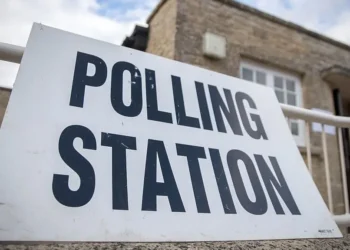 “The Local Gavel”: Polls Open Across Hampshire and Isle of Wight in Delayed ‘Milestone’ Vote
 Major test for Labour as polls open in Great Britain
 Farage Faces New Questions Over Private Helicopter Use
 Secret Role of UK Security Services in Troubles Amnesty Law
 UK Faces Most Dangerous Era, Military Chief Warns
 Digital Scrutiny Under the Spotlight in Makerfield
 Modernising the Military: Carns Demands Urgent Procurement Reform
 Prince George Set to Begin Studies at Eton This September
 Starmer Set to Announce Exit Plan as Burnham Eyes No 10
 Burnham Promises Relief on Cost of Living Crisis
 Police Raise Concerns Over Government’s Late Decision to Extend Pub Opening Hours for England Match
 Starmer Predicts Labour Election Win Under Burnham
 Farage Rivals Rule Out Clacton By-Election Fight
 Dover Faces Travel Crisis as EU Border System Stalls
 Labour MPs Push for Stricter Political Funding Reforms
 Treasury Reform Urged After Tragic Loss
 Police Rule Out Political Motive in Widdecombe Killing
 Covid PPE Scandal: Inquiry Reveals Vast Public Waste
 Burnham Set to Outline ‘New Path’ for Britain as He Prepares to Take Labour Leadership
 Jewish Students Describe Rising Antisemitism on UK Campuses
 Burnham Reaffirms Support for Ukraine During Zelensky Visit