Published: 13 August 2026. The English Chronicle Desk. The English Chronicle Online
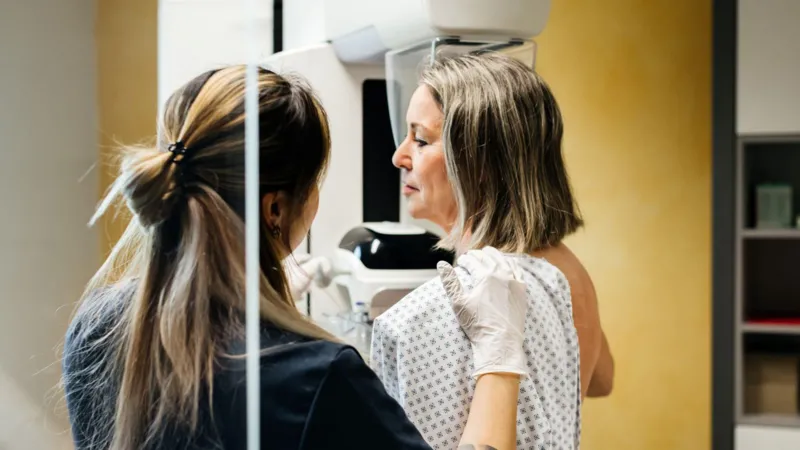
An NHS trust in County Durham has recruited additional specialist doctors to accelerate a major review into failures in its breast cancer services, after an investigation found that some patients underwent unnecessary surgery, experienced missed cancers and received care below expected standards.
County Durham and Darlington NHS Foundation Trust (CDDFT) is reviewing thousands of cases involving former breast cancer patients who received treatment at University Hospital of North Durham and Darlington Memorial Hospital.
The review follows serious concerns identified in an earlier report into the trust’s breast cancer services. The findings prompted the NHS organisation to examine whether patients had been harmed as a result of shortcomings in diagnosis, treatment and clinical decision-making.
So far, the trust has reviewed around 500 cases covering treatment provided between 2023 and February 2025.
Its findings have identified significant harm among some patients. The trust said one patient had died as a result of its failings, while 19 patients had experienced severe harm and 55 had suffered moderate harm.
The scale of the review means the process remains substantial.

Around 1,000 cases are still to be examined, leaving the trust with a considerable amount of work before it can establish the full extent of the problems within the service.
To accelerate the process, CDDFT has recruited three oncoplastic breast surgeons. Their arrival increases the number of doctors involved in reviewing cases to nine.
Oncoplastic breast surgery combines cancer surgery with reconstructive techniques and requires specialist expertise in both the treatment of breast cancer and the management of the physical consequences of surgery.
The trust said bringing in the additional specialists would help increase the pace at which cases can be examined and ensure that patients’ treatment histories receive appropriate clinical scrutiny.
The organisation is expected to provide a clearer indication of when the review will be completed in September.
The review has been taking place against the background of serious concerns about the quality and safety of the trust’s breast cancer services.
The earlier report found that unnecessary operations had been carried out and that some cancers had been missed. It also identified poor standards of care within the service.
Such failures can have profound consequences for patients because delays in diagnosing breast cancer can affect treatment options and outcomes.
For patients who have already undergone treatment, discovering that their care may have been affected by clinical failings can also create uncertainty about whether their diagnosis and treatment were appropriate.
The trust has therefore been attempting to establish which patients were affected and what level of harm may have occurred.
In a recent report, CDDFT said three of the 75 patients it had identified as having been harmed by treatment could not be contacted despite sustained efforts.
The trust’s continuing review is intended not only to identify patients who may have experienced harm but also to provide a clearer understanding of how the failures occurred.
That information could be important in determining what changes are required to prevent similar problems from happening again.
The trust is also facing continuing pressures within its breast cancer service.
Breast cancer waiting times remain “too high”, with patients currently waiting around six weeks on average, according to the organisation.
CDDFT attributed the delays to a combination of factors, including shortages of radiology staff and limitations in available equipment.
Radiology plays a central role in breast cancer diagnosis because imaging can help identify suspicious abnormalities and determine whether further investigation or treatment is necessary.
Shortages of specialist staff and equipment can therefore create significant pressure on services already dealing with high demand.
The trust said its immediate priority was to increase capacity and make the service more sustainable.
As part of that effort, the number of patients the service can treat each week is due to increase.
From September, the patient cap will rise from 90 patients per week to 100.
The planned increase is intended to provide greater capacity while the trust works to address the underlying problems affecting the service.
Despite the difficulties, the trust noted that the Northern Cancer Alliance had assessed its performance as being in line with, or better than, that of regional peers.
That assessment provides some context around the current performance of the service, although it does not remove the concerns raised by the earlier review.
The trust faces the difficult task of improving current services while simultaneously investigating historical failures.
For patients and their families, the review’s pace is likely to remain an important issue.
Every case requires individual examination of medical records and treatment decisions, meaning that a rapid review must still maintain sufficient clinical oversight to ensure that conclusions are accurate.
The recruitment of three additional oncoplastic breast surgeons suggests the trust has recognised the need for greater specialist capacity.
Increasing the review team from six to nine doctors could help distribute the workload and reduce the time required to assess the remaining cases.
However, with approximately 1,000 cases still outstanding, the process is unlikely to be completed immediately.
The trust’s decision to provide a clearer timetable in September may therefore be closely watched by patients, families and campaigners seeking answers about the failures.
The findings already identified raise questions about how the problems developed within the service and why they were not detected earlier.
The cases involving unnecessary surgery and missed cancers are particularly serious because they concern decisions at the centre of cancer diagnosis and treatment.
For healthcare organisations, reviewing such failures is also part of a broader process of clinical governance and patient safety.
A comprehensive review can help identify patterns that individual investigations might miss. By examining a large number of cases, clinicians can determine whether particular types of treatment, diagnostic decisions or operational problems contributed to patient harm.
The trust’s review may therefore have implications beyond the individual patients whose cases are being examined.
It could inform changes to staffing, clinical supervision, diagnostic processes, equipment provision and patient monitoring.
The continuing waiting-time pressures add another dimension to the challenge.
While the trust works through historic cases, it must also ensure that patients currently entering the breast cancer pathway receive timely investigations and treatment.
Increasing weekly capacity from 90 to 100 patients is one response, but the organisation has acknowledged that wider structural problems, including staffing and equipment shortages, need to be addressed.
The situation also illustrates some of the pressures facing specialist NHS services more broadly.
Breast cancer services depend on multidisciplinary teams involving surgeons, radiologists, pathologists, oncologists, nurses and other healthcare professionals.
A shortage in one part of that system can create delays elsewhere.
At the same time, rising demand and increasingly complex treatment requirements can place additional pressure on existing staff.
For patients who were treated during the period under review, however, the most immediate concern is whether their own care was affected.
The trust’s review is intended to answer that question on a case-by-case basis.
The finding that one patient died as a result of the trust’s failings underscores the seriousness of the investigation. The identification of 19 cases involving severe harm and 55 involving moderate harm also demonstrates that the consequences have extended beyond administrative or procedural shortcomings.
The trust will now need to balance the urgency of completing the review with the need to provide patients with reliable answers.
It will also need to demonstrate that lessons identified through the process are translated into concrete improvements.
The recruitment of additional specialists represents one step in that direction.
As the review continues, patients and their families will be looking for transparency about the remaining cases, the causes of the failures and the measures being introduced to improve safety.
The trust’s promise of a clearer completion timetable in September could provide greater certainty about the next stage.

For now, the review remains a major undertaking, with around 1,000 cases still awaiting assessment.
At the same time, CDDFT is attempting to reduce current waiting times, increase capacity and strengthen the long-term sustainability of its breast cancer services.
The ultimate measure of the response will not simply be how quickly the review is completed, but whether the findings lead to lasting improvements in patient safety and confidence.
For the patients affected by the failures, the process represents an opportunity to establish what went wrong and ensure that similar problems are not repeated.
Related News:
 Woman, 29, ‘Chucked’ Into Care Home 100 Miles Away
 Barrister Criticises Trial After Suicide Case Verdict
 Calls Grow to Ban Toxic Pet Flea Treatments
 Illegal Skin Lightening Cream Being Sold in UK Butchers, Watchdog Warns
 Mystery GP on Train Saves Passenger’s Life
 ‘I Almost Died After a Touch‑and‑Go C‑Section’
 Water Cremation Introduced in UK First
 Calls Grow to Remove Billboard Following Lyra McKee Graffiti
 Why Aren’t Our Dirtiest Roads Getting Cleaned?
 Sisters Who Could Not Swim Drowned While Paddling in Snowdonia, Inquest Hears
 Scots Firefighter Cycles 800 Miles for MND Charity
 Undercover officer deceived women with ‘grotesque and cruel’ lies, spycops inquiry told
 Father Dies by Suicide Weeks After Wedding in Clitheroe
 SNP Health Secretary Criticised Over NHS Failures Locally
 Scotland Combines Alcohol and Drug Strategy to Cut Addiction Deaths
 Dad Delivers Baby After Midwife Flees During High‑Risk Labour in UK
 Schnauzer Travels 140 Miles for Life-Saving Spinal Surgery
 Edinburgh Mother Learns Husband Was Secret Sperm Donor
 Church Attendance Report Pulled After Fraudulent Responses
 Brain-Damaged Scot ‘Stuck’ in Hospital at Centre of Police Probes
 ‘A Living Nightmare’: Parents of Vaccinated Teenager Speak Out After Rare Meningitis B Battle
 The High Cost of Survival: How the 2026 Fiscal Outlook is Redefining British Life
 Safety Fears at New £200m Maternity Unit: Mums-to-Be ‘Put at Risk’
 ‘Ripple of Fear’: Iran War Fears Sink UK Consumer Confidence to 11-Month Low
 Fuel Famine: How African Nations are Rationing Power and ‘Diluting’ Petrol to Survive
 ‘My Daughter is Under the Rubble’: The Human Cost of the Tehran Strikes
 Parents Warned Against Letting Children Cuddle Lambs Following Infection Spike
 ‘Look After the Children’: The 84-Year-Old Widower Fighting a Broken Care System
 ‘The Best Decision I Ever Made’: A Mother’s Viral Plea After a Near-Miss with Lung Disease
 The Miracle of Phoenix: ‘Half Dead’ Rescue Dog Defies the Odds in Worcestershire
 The Hidden Hurdle: Breaking the Silence on Athletic Incontinence
 The Friendship Friction: Would You Call Out Your Friend’s Toxic Behaviour?
 The Sofa Sanctuary: Llantwit Major Family Living in ‘Disgusting’ Rat Infestation
 Near-Miss Tragedy: 11-Year-Old Injured After Found Gun Discharges
 The Price of Help: Fuel Surge Threatens Charitable ‘Power Plant’
 Heroism on the Platform: Strangers Save Youth After Seizure on Train Tracks
 Toxic Trail: Dog Owners Warned Over ‘Vile’ Poisoned Meat Found in Parks
 The Wheels of Hope: Charity Delivers ‘Seismic’ Joy Through Specialized Bikes for Children with Cancer
 The Waiting Ward: ‘Month of Worry’ as Doctor Strikes Trigger Seismic Surgery Delays
 Rights and Respect: Nurse Wins Legal Settlement Over Transgender Pronoun Dispute
 Accountability in Care: Nurse Struck Off Following ‘Seismic’ Failure to Administer Medication
 ‘A Walking Miracle’: UK’s Youngest In-Utero Transfusion Patient Celebrates Recovery
 ‘The Cost of a Life’: Air Ambulances Fear Fuel Spikes May Force Operational Grounding
 The Price of Safety: Why Parents are Quitting Careers to Manage Child Food Allergies
 NHS Safety Fears as Nurses Cover Doctor Gaps
 Walsall Rapist Jailed After Hate-Filled Online Trail
 Two Children Die in Wolverhampton House Fire Tragedy
 A Nation in Flux: UK Healthy Life Expectancy Plummets to Record Lows
 The “Cancer Commute”: Patient Warns of Breaking Point Over 40-Mile Treatment Trek
 “A Death Sentence for Levi”: Family Speaks Out on the Aftermath of Sexual Violence
 “Adult Trends” for Children: Mum’s Viral Horror at “Sexualised” Swimwear in Major UK Retailer
 Robotic Revolution: UK Surgeons Complete First “Fully Autonomous” Abdominal Procedure
 “The Weight of the Nation”: Campaigners Demand Overhaul of “Fragmented” Eating Disorder Care
 “Invisible Agony”: 98-Year-Old Woman Left in “Severe Pain” for Days Amidst Care Backlog
 The “Time Tax” of Memory: Why Dementia Care is the Ultimate Test of UK Resilience
 “Fear is a Choice”: The 80-Year-Old Great-Grandmother Defying the “Dopamine Desert”
 The “Dementia Deficit”: Why 2026 is the Breaking Point for UK Social Care
 Precision Without the Scalpel: UK Team Reaches “New Frontier” in Robotic Abdominal Surgery
 Florida Surgeon ‘Devastated’ Over Fatal Surgery Error
 Emergency Caesareans Rise Across England
 ‘Epilepsy Makes Finding Work Much Harder’
 Co-Housing Grows as People Battle Loneliness
 Family Says Heatwave Drownings Reopen Grief
 Woman Warns of Lifelong Damage From Ketamine
 Signs of Recovery Emerging for Young People
 Man Arrested 22 Years After Leeds Teen Murder
 Who Is NHS Nurse Harriet Sperling, the Newest Royal Connection?
 Harriet Sperling: The NHS Nurse Drawn Into the Royal Spotlight
 London Tube Heat Reaches Dangerous Levels
 Suzy Lamplugh Mystery Still Haunts Detectives
 Free Pharmacy Service Expands Access to Morning-After Pill
 Man Admits Taking Ambulance With Patient Inside
 Burnham Considers Inquiry Into Epstein UK Connections
 Cooper Vows Maternity Reform After Birth Care Failures
 Walk-In Mental Health Hubs Planned Across England
 Families Furious After Jailed Funeral Boss Apologises
 Harper Widow Fights Early Release of Killer’s
 Why Women Are Missing Out on Padel’s Boom
 Councils to Get Powers to Block New Vape Shops
 Online Trolls Targeting Food Reviewer Are ‘Bored and Jealous’