Published: 13 August 2026 | The English Chronicle Desk | The English Chronicle Online
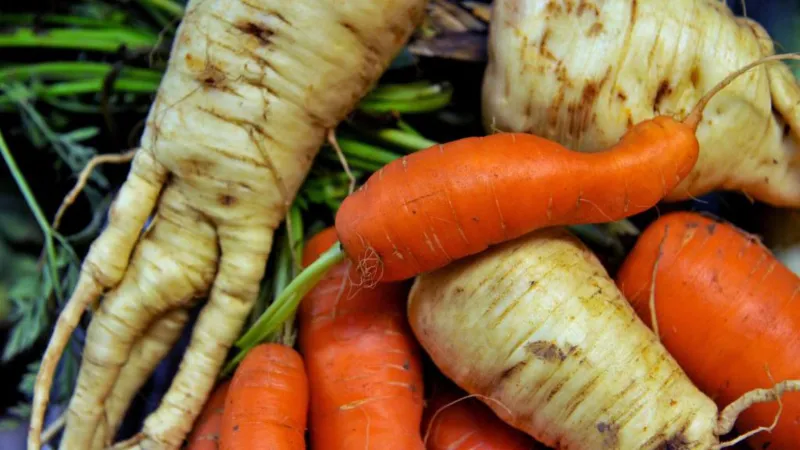
Britain’s unusually hot and dry growing season is beginning to leave its mark on the nation’s vegetables, with farmers reporting cauliflower turning yellow, cucumbers curling into unusual shapes, pak choi covered in pest damage and potatoes developing strange, knobbly growths.
The appearance of the produce may be changing, but growers and food businesses say much of the affected food remains perfectly safe and enjoyable to eat. The bigger concern is whether consumers and supermarkets will be willing to accept vegetables that fall outside the familiar standards of size, shape and colour.
Farmers across the UK have been dealing with repeated heatwaves following a warmer-than-usual spring, while water reserves in some growing areas have been placed under increasing pressure. The conditions are contributing not only to reduced yields but also to vegetables developing cosmetic imperfections that would normally see them rejected by retailers.
With supplies already under pressure, supermarkets are increasingly being encouraged to relax their cosmetic requirements. The alternative could be greater food waste, higher reliance on imports and less British produce available on shelves.

The issue highlights a growing challenge for British agriculture: how to maintain food production as weather patterns become hotter and drier while consumers remain accustomed to vegetables that look almost identical from one supermarket visit to the next.
Cauliflowers are among the vegetables being visibly affected by the extreme conditions.
Normally, the leaves surrounding a cauliflower head provide protection from direct sunlight, helping the vegetable retain its familiar white appearance. This year, however, growers have reported more sunlight reaching the heads, causing some of them to turn yellow or develop a darker colour.
For supermarkets that have traditionally demanded bright white cauliflower, the change can make the crop difficult to sell.
Emilie Vanpoperinghe, co-founder of surplus-produce subscription company Oddbox, said the colour change was essentially cosmetic and did not mean the vegetables were unsafe or inferior in taste.
Oddbox recently acquired thousands of cauliflower heads that were considered too dark for conventional supermarket shelves. The company believes consumers should be encouraged to look beyond appearance at a time when growers are struggling with difficult conditions.
The underlying problem is not simply appearance. Cauliflower and other brassicas require significant amounts of water, and depleted reserves can slow their growth. If the hot and dry conditions continue, shortages could become more significant later in the season.
Retailers therefore face a difficult choice. They can reject produce that does not meet traditional standards and risk reducing availability, or accept more unusual-looking vegetables and help reduce unnecessary waste.
Cucumbers are also showing the effects of extreme temperatures.
Some growers have reported cucumbers growing into highly curved shapes, with some bending back towards themselves. The unusual forms are linked to stress experienced by plants grown in greenhouses, where temperatures can rise substantially during periods of extreme outdoor heat.
Even when crops receive adequate irrigation, excessive heat can interfere with normal plant development.
For consumers, a curled cucumber may look unusual, but there is little reason to assume that its taste or nutritional value has been compromised simply because it has failed to grow straight.
The problem illustrates the limitations faced by farmers trying to control growing conditions. Greenhouses provide protection from many environmental threats, but during prolonged heatwaves they can become extremely difficult to manage.
Not all the unusual vegetables are being affected directly by heat.
In Worcestershire, farmer John Harper has reported increased damage to pak choi caused by flea beetles. These small pests thrive in hot and dry conditions and can leave tiny holes across the leaves of crops.
Farmers are also operating under tighter restrictions on pesticide use, meaning physical protections such as netting have become increasingly important.
Yet supermarket cosmetic standards can turn relatively minor damage into a major source of food waste. A plant with only a small hole in its leaves might still be perfectly edible, but could previously have been rejected by retailers.
Harper said supermarkets had shown some willingness to relax their requirements during the difficult growing period.
That change could make a significant difference. Rather than sending edible produce to waste, retailers can put more of it on shelves and allow shoppers to decide whether minor imperfections matter.
Potatoes are another crop showing the consequences of unusual weather.
Cambridgeshire potato farmer Lucy Munns said heat can stunt the development of the crop and result in tubers growing into separate sections or developing additional knobs.
These potatoes may not be suitable for certain traditional retail markets, particularly where supermarkets or food businesses demand uniform shapes and sizes.
For consumers, however, the difference is largely one of convenience. A knobbly potato may require a little more effort to peel, but it remains suitable for cooking.
Munns has urged shoppers to become less concerned about appearance, arguing that rejecting perfectly edible food contributes unnecessarily to agricultural waste.
Her comments reflect a wider debate about the expectations placed on farmers and retailers. British shoppers have become accustomed to highly standardised fresh produce, but maintaining those standards can become increasingly difficult as weather becomes more unpredictable.
The idea of imperfect vegetables is not entirely new. Several major British supermarkets already operate ranges specifically designed to sell produce that would traditionally have been rejected because of its appearance.
Sainsbury’s, Tesco, Morrisons and Waitrose are among retailers that have promoted so-called wonky or imperfect vegetables.
Waitrose has indicated that it can relax size and shape requirements for important crops when growing conditions become particularly difficult. The approach can help reduce waste while ensuring farmers retain a market for more of their harvest.
There is also an economic argument.
If farmers are able to sell more of what they grow, they can receive additional income at a time when extreme weather is already increasing production risks. Consumers, meanwhile, may gain access to British-grown produce that might otherwise never reach the shelves.
But relaxing cosmetic standards cannot solve every supply problem.
Andrew Opie of the British Retail Consortium said supermarkets were facing the difficult task of supporting British farmers while ensuring customers continue to find the products they expect in stores.
When domestic supplies fall, retailers can increase imports from overseas. That helps maintain availability but also creates a more complicated supply chain and reduces the proportion of British produce being sold to consumers.
The situation could remain difficult into the autumn, particularly if the consequences of the heatwave continue to affect crops that are harvested later in the year.
Other fruits and vegetables could also experience problems if dry conditions persist.
For British farmers, the uncertainty makes planning increasingly difficult. Agriculture depends heavily on weather, but climate patterns that once seemed exceptional are becoming more difficult to treat as isolated events.
The current situation raises broader questions about the future of food production in the UK.
Hotter and drier summers can place greater demands on irrigation systems and water supplies. Farmers may need to invest in additional water storage, improve irrigation efficiency and consider crop varieties that are better suited to changing conditions.
At the same time, consumers may need to reconsider their expectations.
A vegetable does not need to be perfectly symmetrical to be nutritious. A cauliflower that has turned yellow from sunlight, a cucumber that has curled in a greenhouse or a potato with several knobbly sections can still provide food.
Changing consumer attitudes could therefore become an important part of reducing waste.
Rather than judging vegetables primarily by appearance, shoppers could place greater emphasis on freshness, taste, price and how the food was produced.
That would give farmers greater flexibility and potentially reduce the amount of edible food discarded before it reaches consumers.

The unusual vegetables appearing this year are more than a curiosity. They provide a visible illustration of how extreme weather is affecting Britain’s food system.
The country’s farmers are being asked to produce reliable supplies despite increasingly difficult growing conditions, while retailers must balance consumer expectations with the need to reduce waste and support domestic agriculture.
For shoppers, the simplest response may be to become more accepting of vegetables that do not look perfect.
The yellow cauliflower, curled cucumber, hole-marked pak choi and knobbly potato may not win a beauty contest, but they can still play the same role in the kitchen as their more conventional-looking counterparts.
As Britain’s climate continues to change, imperfect produce could become increasingly familiar.
The challenge for the food industry will be to ensure that unusual appearance does not automatically mean unnecessary waste. If farmers, supermarkets and consumers can adapt their expectations, more of Britain’s harvest could reach people’s plates rather than being discarded.
The message from growers is straightforward: when the weather makes vegetables look different, there is no reason for consumers to assume they are any less good to eat.
Related News:
 Keeping a 125-Year-Old Pier Alive
 Aberdeen Chosen for GB Energy HQ at Marischal Square
 Royal Mail Blames Poor Weather and Sickness for Delayed Deliveries
 Store at Famous Shopping Village to Close After 18 Years Due to Rising Costs
 Tesco Announces New Rule for Customer Parking Spaces – ‘We Need These Everywhere!’
 Deer Shooting to Be Facilitated in England to Protect Woodlands
 UK Winter Nowhere Near a Record Breaker Despite Floods and Storms
 UK Records Warmest Day of the Year as Temperatures Exceed 18 °C
 Conservation Budgets Hit by Increased Fly‑Tipping Costs
 Community farm appeal to cover thousands in repairs
 Caffè Nero Warns Coffee Prices May Rise Again
 Sarah Ferguson Loses Another £1.5m Amid Financial Struggles
 Courier Firm Bust After 14 Years as Evri Deliveries Face ‘Temporary Disruption’
 Fuel Costs Are Rising — Drivers on the Frontline of the Price Surge
 ‘Heating Oil Suppliers Are Holding Us to Ransom’ as Prices and Cancellations Surge
 UK Energy Reform Could Cut Bills by £200
 Rising Costs Force Families to Rethink Days Out
 Glasgow Central Set for Full Reopening After Fire
 Fire Crews Battle Major Blaze at Coventry Car Dealership
 Gridlock Britain: Easter 2026 Set for Busiest Roads in Four Years
 ‘Empty Tanks’: UK Drivers Cry Foul as Petrol Prices Surge Amid $120 Oil Threat
 Debt Relief or Drop in the Ocean? UK Caps Student Loan Interest at 6%
 The ‘Shredder’ Syndrome: Why the 2026 Job Market is Breaking Entry-Level Spirits
 Property Peak? UK House Prices Dip Amid Geopolitical Jitters and ‘War Uncertainty’
 The Kitchen Table Crisis: How the 2026 Iran War Hits Your Wallet
 The Pre-School Lottery: Families Left in ‘Holding Pattern’ as Local Places Vanish
 The Silent Lifeline: Why the 2026 Digital Switchover has Millions Saying, ‘I Didn’t Realise How Much I Needed My Landline’
 Heavier SUVs Accelerate Britain’s Pothole Crisis
 The Price of Help: Fuel Surge Threatens Charitable ‘Power Plant’
 The Liquid Gold Heist: Arrests Made After Man Found with ’20 Olive Oil Bottles’
 The Freedom Hub: Can a Former Women’s Jail Unlock This City’s Potential?
 The Green Mile: Country Lane Solar Farm Set to Power 13,000 Homes
 The Waiting Ward: ‘Month of Worry’ as Doctor Strikes Trigger Seismic Surgery Delays
 ‘The Triple-Shift Generation’: The 20-Somethings Juggling Three Jobs to Stay Afloat
 ‘A Beacon of Hope’: £3m Injection Set to Transform Town’s Community Hub
 ‘The Flyover Returns’: A40 Westway Reopens Overnight Following Month-Long Gridlock
 ‘Economic Sandbags’: UK Retailers Activate Price Rise Contingency Plans as Supply Chain Strains Mount
 McDonald’s Leadership Under Fire Over Stance on Workplace Misconduct
 UK Pub Price Hikes: Landlady Calls Drink Increases Last Resort
 Restoring the Gateway: £6.2m Investment to Save Historic Harbour
 “Jobs Will Go”: Rishi Sunak Warns AI is Already Eroding Entry-Level Opportunities
 The Hidden Debt Trap: Thousands Sued by Councils Over Soaring Home Care Costs
 Insult to Injury: Sky Apologises After Demanding “Charred Remains” of TV Box from Fire Victim
 Human Capital for AI Infrastructure: Meta Cuts 8,000 Staff to Fuel $135bn Bet
 Reform UK funding: mystery billionaire revealed
 “We Are Shielding Them”: UK Families Face £11 Billion Hit as Iran War Bills Surge
 The “Cancer Commute”: Patient Warns of Breaking Point Over 40-Mile Treatment Trek
 “A Pint-Sized Crisis”: Publicans Warn of Industry ‘Carnage’ as Energy and Tax Hikes Loom
 A Century of Crust: The Family Pie Firm Celebrating 100 Years of Northern Soul
 Reality Check on Reform: Minister Says Outright Abolition of Leasehold “Impossible”
 End of the “Beefeater” Era: Whitbread to Cut 3,800 Jobs in Radical Strategic Reset
 “Adult Trends” for Children: Mum’s Viral Horror at “Sexualised” Swimwear in Major UK Retailer
 The £3,000 License: Learners “Held Hostage” by Cancelled Tests and Shifting Goalposts
 “A Royal Dram”: Trump Scraps Whisky Tariffs in Historic Gesture to Departing King
 Tractor Breakdown Tests Lincolnshire Farmers
 Britons Build Emergency Supplies Amid Rising Fears
 Sycamore Gap Artwork Chosen After Public Vote
 UK rejects EV charging VAT cut amid Treasury clash
 ‘Epilepsy Makes Finding Work Much Harder’
 Family Says Heatwave Drownings Reopen Grief
 Global Chicken Consumption Soars, UN Reports
 M&S Launches Traineeship for 1,000 Young People
 Signs of Recovery Emerging for Young People
 Bars and Hotels Struggle to Hire Staff
 “Without Housing Help I Could Not Do My Dream Job”
 Widow Distressed by Nine-Month Delay to Husband’s Pension Payment
 Sinkhole Outside Chip Shop “Has Cut Trade in Half”, Owner Says
 Cancelled Cornwall Event Leaves Traders Facing Heavy Losses
 Former Employee Alleges Sexual Assault by Business Founder as Investigation Draws Attention
 Breastfeeding Entrepreneur Turned Away From Amazon Course
 Parents Fundraise to Cool Overheated School Classrooms
 London Tube Heat Reaches Dangerous Levels
 Three-Quarters of England’s Riverbanks Still Off Limits
 Technical Subjects to Be Expanded for Pupils Aged 14
 Calls Grow to Ban Toxic Pet Flea Treatments
 Can Schools Really Predict Which Children Will Become NEETs?
 Councils to Get Powers to Block New Vape Shops
 Councils to Get New Powers to Block Vape and Betting Shops
 UK Economy Grows 0.4% as Growth Faces Fresh Challenges
 £100k Charity Grant to Help Surrey Families at School