Published: 5 June 2026
The English Chronicle Desk
The English Chronicle Online
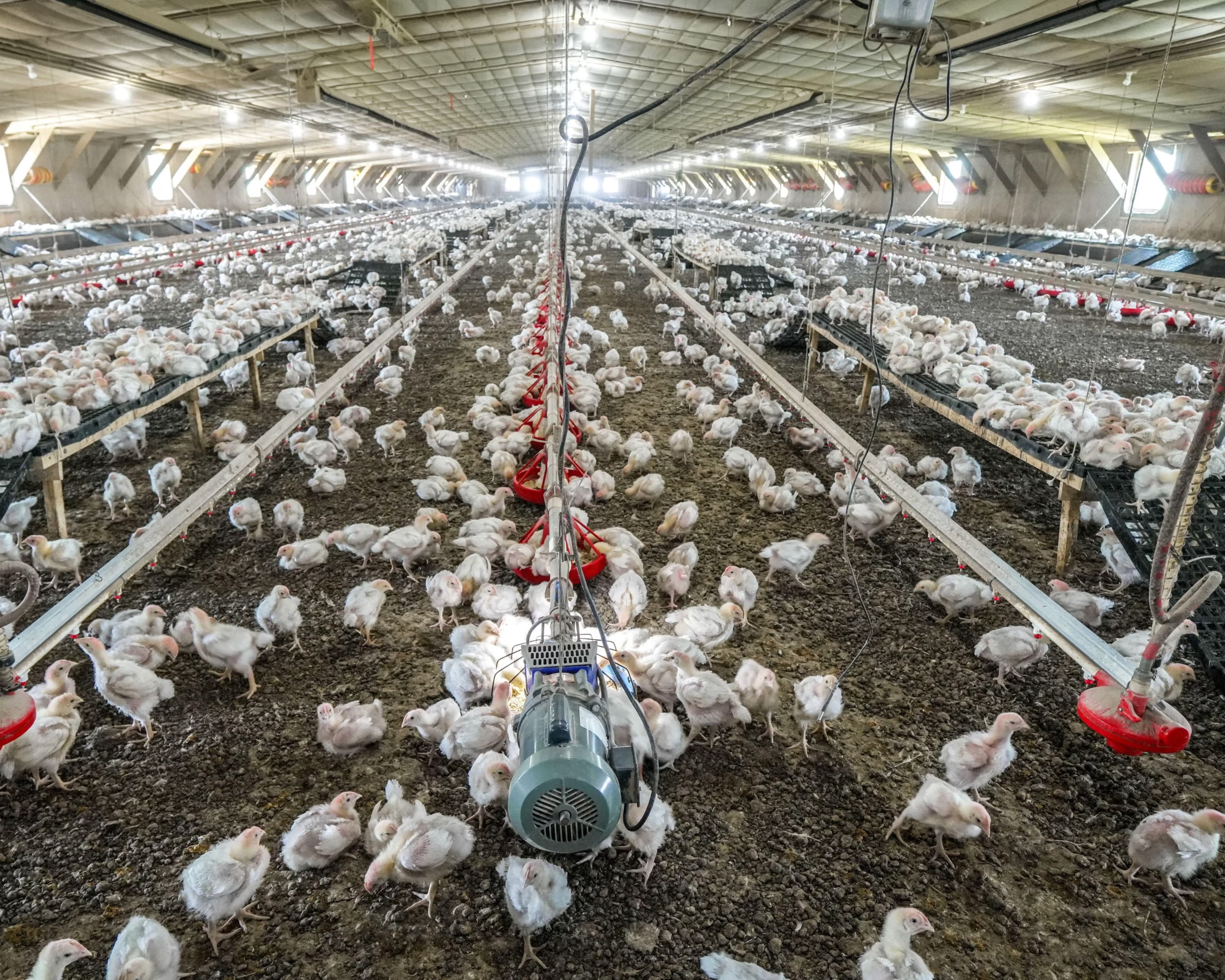
The average person now consumes six times more chicken than in 1961, according to a new United Nations report highlighting dramatic changes in global eating habits over recent decades.
Researchers said rising incomes, urbanisation, population growth and the affordability of poultry have transformed chicken into one of the world’s most widely consumed sources of protein.

The report noted that chicken production has expanded rapidly across both developed and developing economies due to lower costs and faster production cycles compared with beef and other livestock.
Food industry analysts say poultry has become increasingly popular because it is often viewed as cheaper, more accessible and healthier than red meat.
Global demand has also been driven by the expansion of fast-food industries, processed food manufacturing and changing diets linked to urban lifestyles.
Health experts noted that while chicken can provide valuable protein and nutrients, concerns remain over excessive consumption of processed poultry products high in salt, fat and additives.
Environmental researchers say the poultry industry generally produces lower carbon emissions than beef production, though large-scale industrial farming still raises concerns involving land use, water consumption and animal welfare.
Animal rights organisations continue calling for improved conditions within intensive poultry farming systems, warning that rapid production growth can create overcrowding and disease risks.
Economists believe rising chicken consumption reflects broader shifts in global agriculture and food supply chains as producers adapt to growing demand from expanding middle-class populations.
The UN report also highlighted increasing pressure on food systems to balance affordability, sustainability and nutrition as global populations continue rising.

Several countries have seen poultry become a central part of daily diets, replacing traditional food patterns and reshaping agricultural markets worldwide.
Climate experts warned that future food demand could further strain environmental resources unless farming systems become more sustainable and efficient.
The findings have renewed debate over the long-term future of global meat consumption, food security and sustainable agriculture policies.
Check Out Our Latest News At>>
Related News:
 Millions Left Without Power as Grid Fails
 Capitalism ‘Suicidal’, Warns Petro at Climate Summit
 Norway Doubles Down on Oil and Gas for Europe Energy Security
 “The Body Under Siege”: Understanding the Physiological Impact of Extreme Heat
 “The Resilience Breakthrough”: Genetic Engineering Paves the Way for Climate-Proof Rice
 “The Climate Multiplier”: Assessing the Dual Threat of Disease-Bearing Mosquitoes and Heat-Related Mortality
 Pope Meets Families in Italy Toxic Waste Zone
 Ancient Method Turns Food Waste Into Meals
 Albania Protests Erupt Over Luxury Resort Plan
 Fuel and Supply Crisis Pushes Gaza Toward Collapse
 China’s crackdown on civil servant perks sparks economic concerns
 Costa Blanca Holiday Horror as Food Poisoning Outbreak Hits Four-Star Hotel
 Shein UK Faces Allegations of Shifting Majority of Profits to Singapore to Reduce UK Tax
 Canada Passes Carney’s First Budget in Tight Parliamentary Vote
 UK New Car Discounts Near £6,000 as Prices Are Slashed
 How Do You Modernise Mango Farming? India’s Growers Urged to Innovate as Climate Change Hits
 Live Nation Sees Strong Ticket Sales as Monopoly Lawsuit Looms
 US Will Not Back Out of Tariff Deals with UK and Others, Says Trump Trade Representative
 Drugs, Denial, Stigma: Fiji’s HIV Crisis Hits Children
 ‘I Wanted to Save Her Life’ — The Moment Twin Sisters Learned They Were Identical
 Bill Gates ‘Took Responsibility’ Over Epstein Ties in Staff Meeting, Foundation Says
 Limited Flights Leave UAE But Disruption Continues Amid Iran Strikes
 Study Says Only Two Nations May Survive Nuclear War
 Oil Prices Surge Above $100 Amid Iran War
 Oil Price Jumps Despite Deal to Release Record Amount of Reserves
 UniCredit’s Bold Move to Reshape European Banking
 UK Wage Growth Slows as Jobs Market Holds Firm
 Charity Watchdog Takes Control of Learning Disability Care Home
 Trump Threatens Iran With Total Infrastructure Destruction
 ‘I’m So Ready’: Céline Dion Announces 10-Night Paris Comeback Residency
 ‘Better Off Not Planting’: UK Farmers Face 36% Fertiliser Spike as Gulf Crisis Bites
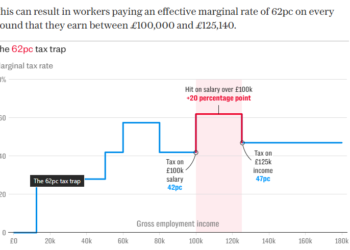 The ‘Career Ceiling’: One in Five High Earners Say £100k Tax Trap is ‘Ruining’ Their Ambition
 Russia: The Unforeseen Winner of the Iran Conflict
 US Senators Slam Ticketmaster Over Sneaky New Fee Hikes
 Oil and Diplomacy: Russian Refineries Burn as Zelenskyy Secures Middle East Shield
 “A Perfect Storm”: UK Small Businesses Face Doubling Energy Bills as Iran War Rattles Markets
 Bangladesh Launches Emergency Vaccine Drive After 100 Child Deaths
 Electric Shock: Australians Buy Record Number of New EVs as Fuel Crisis Bites
 War, Windfalls, and the Carbon Trap: The Iran Conflict’s Brutal Energy Math
 The Great Saddle-Up: Sydney Commuters Ditch the ‘Crazy’ Bowsers for the Bike Lane
 The Great Chokehold: Why the Strait of Hormuz is the Epicenter of the 2026 Crisis
 The Prediction Prohibition: White House Staff Barred from Betting on Political Markets
 Moldova River Crisis Exposes War’s Hidden Cost
 California fireworks blast: murder charges filed in case
 Relief at the Pump: Irish PM Unveils €505m Package to Stem Fuel Crisis
 The Waiting Ward: ‘Month of Worry’ as Doctor Strikes Trigger Seismic Surgery Delays
 Policy Stand-Off: Streeting Denies Any ‘System Update’ to Resident Doctor Pay Deal
 Diplomatic Deadlock: Lebanon Enters High-Stakes Border Talks with ‘No Cards to Play’
 Blockbuster Resurrection: Avengers Reassemble and Top Gun Returns as Studios Tease 2026 Slate
 “I was fighting two wars”: Ukraine soldiers’ addiction crisis
 The Fog of War and the Ticker Tape: Suspicious Trades Rile Washington
 Brinkmanship in Islamabad: Tehran Vows ‘New Battlefield Cards’ as Ceasefire Wanes
 ‘The End of the Quiet Era’: Japan Relaxes Arms Export Rules in Historic Pivot From Pacifism
 ‘The £100,000 Hammer’: War in Iran Forces UK Businesses to Absorb Historic Fuel Hikes
 ‘A Fragile Calm’: Oil Prices Dip as Trump Extends Iran Ceasefire, But Blockade Holds Firm
 Red Lines in Ottawa: PM Carney Insists US “Won’t Dictate Terms” of Trade Review
 “Industrial-Scale Extraction”: White House Memo Accuses China of Mass AI Theft
 Beyond the Swoosh: Anta Sports Overtakes Rivals to Become Global Top Three
 Return of the “Skiffs”: Threat Level Raised as Somali Pirates Seize Second Vessel in a Week
 The “Cancer Commute”: Patient Warns of Breaking Point Over 40-Mile Treatment Trek
 Southeast Asia Turns to Russia Amid Energy Crisis
 Ukraine Urges UK to Seize Russian Oil Tankers
 US Calls Australia Media Law “Foreign Extortion”
 “Grounded”: Beijing Implements Total Ban on Drone Sales Citing Capital Security
 The Silent Scythe: How the Iran War is “Starving” Asian Paddy Fields Before the Harvest
 “A Royal Dram”: Trump Scraps Whisky Tariffs in Historic Gesture to Departing King
 US to Escort Trapped Ships Through the Strait of Hormuz
 Trump Threatens UN Budget Cuts as US Pushes ‘Trade Over Aid’ Agenda
 US Court Restores Abortion Pill Access Temporarily
 “The Swap Shop”: Dr Chris van Tulleken Backs Southampton Teens’ Fight Against ‘The Matrix’ of Ultra-Processed Food
 The Pathogen Protocol”: Third British National Monitored for ‘Nasty’ Suspected Hantavirus
 US Awaits Iran Reply on New Ceasefire Proposal
 Crisis in the Canary Islands as Cruise Ship Evacuated
 High Street Crisis: Fears Grow Over Post Office Closures
 “The Invisible Shadow”: Fear Grips Eastern DR Congo as Deadly Bundibugyo Ebola Strain Spreads
 “The Critical Intervention”: Essential Steps for Identifying and Treating Heat-Related Emergencies
 Oil Markets Face ‘Red Zone’ Threat Amid Iran Crisis
 UN Issues Urgent Warning: Imminent Return of El Niño
 Trump Approves $700m Coal Industry Investment
 Family Says Heatwave Drownings Reopen Grief