Published: 20 May 2026. The English Chronicle Desk. The English Chronicle Online
As global temperatures continue to track toward record-breaking thresholds in 2026, the intersection of extreme heat and the expansion of vector-borne disease has emerged as one of the most formidable, “asymmetric” public health challenges of the modern era. Scientists are increasingly warning that the dual pressures of soaring temperatures and the shifting geographic range of mosquitoes—specifically Aedes aegypti and Aedes albopictus—are creating a synergistic crisis that is stretching health infrastructure to the breaking point. For populations in tropical and subtropical regions, and increasingly in mid-latitude zones, the combination of direct heat mortality and the rising transmission rate of diseases like dengue, Zika, and chikungunya is creating a profound, multi-layered “resilience deficit.”

The mechanism behind this convergence is driven by the biology of the mosquito itself. As ambient temperatures climb, the rate at which mosquitoes mature, feed, and replicate the pathogens they carry accelerates dramatically. In a “clinical” sense, warmer weather essentially turns the mosquito into a more efficient, high-speed biological vector. Furthermore, the rising heat increases the frequency with which these insects bite, as they seek to sustain their metabolic demands in the face of rising temperatures. Simultaneously, the human response to extreme heat—spending more time outdoors in the cooler evening hours or leaving windows open to compensate for poor ventilation—increases the rate of human-vector interaction. This “asymmetric” increase in exposure is fueling outbreaks in urban centers that were previously considered “low risk,” creating a dangerous, “nasty” reality where healthcare systems must manage both the heat-stressed patient and the febrile patient simultaneously.
The direct physiological impact of heat on human mortality is equally alarming. When ambient temperatures exceed the body’s ability to cool itself, the strain on the cardiovascular and renal systems becomes acute. This vulnerability is exacerbated by the presence of infectious disease. A patient suffering from an acute viral infection—which often causes fever, dehydration, and immune system dysregulation—is at a significantly higher, “asymmetric” risk of developing heatstroke when exposed to extreme temperature spikes. The “accountability rot” that often plagues large-scale emergency responses is visible here: municipal cooling centers are often not equipped to handle infectious patients, and clinics specialized in infectious disease may lack the infrastructure to provide the rapid, intensive cooling necessary for heat-related emergencies. This institutional “bottleneck” effectively prevents the coordination needed to address a dual-threat environment.
The economic and social ramifications of this “climate multiplier” are profound. In regions where agriculture is the primary industry, the combination of drought-induced heat and the proliferation of mosquito-borne illnesses decimates labor productivity, leaving households trapped in a cycle of poverty and poor health. The “speechless determination” with which communities attempt to clear breeding sites—standing water in abandoned tires, drainage ditches, and discarded containers—is often undermined by the sheer scale of the environmental change. Furthermore, the migration patterns triggered by these conditions, as individuals move from regions where life has become thermally and biologically untenable to areas of higher elevation or better infrastructure, are adding further pressure to already burdened systems.

Addressing this multifaceted crisis requires a departure from traditional, siloed public health approaches. There is an urgent, “clinical” need for an integrated “One Health” strategy that links meteorological forecasting, entomological monitoring, and hospital emergency preparedness. Forecasting models are becoming more precise, allowing health departments to predict “heat-disease hotspots” weeks in advance, yet the implementation of preventative measures remains hindered by a lack of coordinated, sustained funding. If we are to mitigate the impact of this convergence, we must treat the combination of heat and vector proliferation as a single, urgent, “asymmetric” emergency. We must invest in smart urban planning that reduces the heat-island effect, develop rapid-response diagnostic infrastructure, and implement rigorous vector control that can be deployed at the speed of the rising temperature. For the millions living on the frontlines, the choice is clear: we must either adapt our infrastructure to meet the reality of a warming, disease-prone world, or risk a future where these combined threats push the limits of human endurance past the point of recovery.
Related News:
 “The Body Under Siege”: Understanding the Physiological Impact of Extreme Heat
 Costa Blanca Holiday Horror as Food Poisoning Outbreak Hits Four-Star Hotel
 CDC Plunged Into Turmoil as Ousted Chief Susan Monarez Refuses to Step Down
 First Group of Children from Gaza Arrive in UK for Life-Saving NHS Treatment
 Global Study Reveals Violence in GP Surgeries Linked to Long Waiting Times and Drug Refusals
 The diet that can significantly ease symptoms of IBS
 Europe, North America face early wave of bird flu
 US Healthcare Needs Fixing, But There’s No Agreement on How to Do It
 Facing a Demographic Catastrophe, Ukraine Is Paying for Troops to Freeze Their Sperm
 As Trump Retreats from Climate Goals, China Is Becoming a Green Superpower
 How Do You Modernise Mango Farming? India’s Growers Urged to Innovate as Climate Change Hits
 Greenland Says ‘No Thanks’ to Trump’s US Hospital Boat Offer
 Probe After Illness Kills 72 Tigers in Thailand
 Drugs, Denial, Stigma: Fiji’s HIV Crisis Hits Children
 ‘I Wanted to Save Her Life’ — The Moment Twin Sisters Learned They Were Identical
 Martin Short’s Daughter Katherine Dies at 42
 Tick Bite Tragedy Claims Teen in Meat Allergy Case
 Hospital Fungal Outbreak Sparks Major Cover-Up Claims
 The Sad, Strange Story of the World’s Most Radioactive Paradise
 Wellness Peptide Craze: Why People Are Injecting Drugs ‘Not for Human Consumption’
 Not in the Mood to Exercise? These Simple Daily Habits Work Every Time
 Study Says Only Two Nations May Survive Nuclear War
 ‘Night turned into day’: Iranians tell of strikes on oil depots
 Tehran Diary: Dark Days Under Relentless Bombardment
 Canada Plasma Deaths Raise Safety Concerns After Two Donors Die
 Millions Left Without Power as Grid Fails
 Concern Over Six Weeks of Sewage Discharge Into River
 Screen Time for Under-Fives Should Be Limited
 Horror in the Outback as Crocodile Kills World-Renowned Doctor
 ‘I’m So Ready’: Céline Dion Announces 10-Night Paris Comeback Residency
 Starmer Issues 48-Hour Ultimatum to Resident Doctors: Call Off ‘Reckless’ Strikes or Lose Job Package
 ‘The Invisible Killer’: Chiang Mai Air Pollution Sparks Health Crisis as Children Suffer Nosebleeds
 ‘The Invisible Killer’: Chiang Mai Air Quality Crisis Sparks Pediatric Health Emergency
 “An Amazing Legacy”: Prince William Praises Incredible £20m Milestone for Bowelbabe Fund
 “He Was One of the Kindest People I Knew”: The Tragic Death of Oliver Robinson
 Bangladesh Launches Emergency Vaccine Drive After 100 Child Deaths
 Moldova River Crisis Exposes War’s Hidden Cost
 “I was fighting two wars”: Ukraine soldiers’ addiction crisis
 Chornobyl Still at Risk 40 Years After Disaster
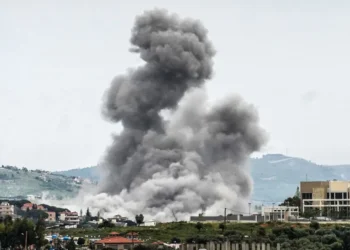 Fragile Silence Broken: 14 Killed in Southern Lebanon During “Bloodiest Day” of Truce
 Capitalism ‘Suicidal’, Warns Petro at Climate Summit
 Coalition pushes fossil fuel phaseout plan
 Giuliani hospitalised in critical condition
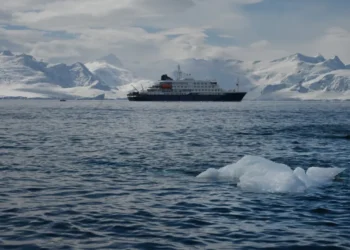 “The Floating Fever”: WHO Confirms Second Hantavirus Case as Cruise Outbreak Death Toll Reaches Three
 US Court Restores Abortion Pill Access Temporarily
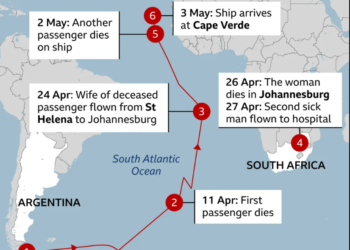 The Quarantine Crossing”: Hantavirus-Hit MV Hondius Bound for Canary Islands After Deadly Outbreak
 “The Reggio Return”: Princess Catherine to Embark on First Official Overseas Visit Since Cancer Treatment
 “The Heavyweight Hero”: FTD Brothers Smash £1 Million Milestone Mid-Marathon Odyssey
 “The Friendly Neighbourhood Runner”: Father’s 50-Marathon ‘Spider-Man’ Quest Hits Milestone for Sick Children
 “The Pressure Valve”: New GP Walk-In Clinic Eases Local ‘Resilience Deficit’ with 183 Patients Treated
 “The Exile of Care”: Vulnerable Teens Sent 200 Miles from Home as Local ‘Resilience Deficit’ Persists
 “The Price of Life”: Air Ambulances in the South Face ‘Resilience Deficit’ Amid Fuel Surge
 “The Ghost Galleon”: Hantavirus-Hit Cruise Ship Bound for Tenerife After High-Stakes Evacuations
 “The Swap Shop”: TV’s Dr Chris van Tulleken Backs Teenagers’ Fight Against ‘The Matrix’ of Ultra-Processed Food
 “The Swap Shop”: Dr Chris van Tulleken Backs Southampton Teens’ Fight Against ‘The Matrix’ of Ultra-Processed Food
 “The Humanitarian Compass”: Couple Honoured with ‘Milestone’ Award for Aiding Escaped Prisoner of War
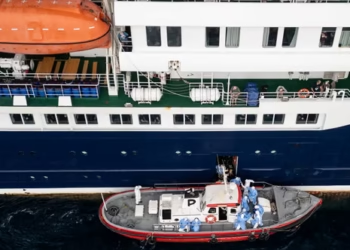 Hantavirus Cruise: Britons Face 45-Day Isolation Order
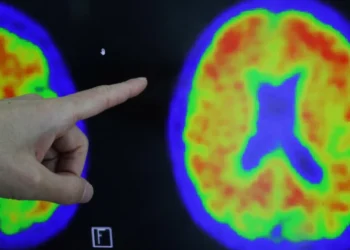 “The Bio-Marker Breakthrough”: At-Home Blood Test Could Spot Alzheimer’s Risk Years Before ‘Clinical’ Symptoms
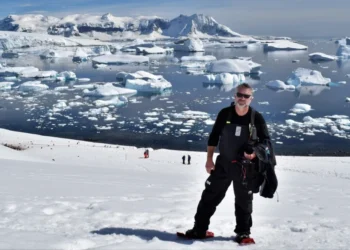 “The Bio-Security Watch”: Two Britons in Self-Isolation After Bypassing ‘Hantavirus Bottleneck’ on MV Hondius
 “The Porthole Prison”: Passengers Reveal Life Inside the ‘Clinical Silence’ of the Hantavirus-Stranded MV Hondius
 “The Rhythm of Resilience”: Why an ‘Uneven’ Heart Rate is the New ‘Clinical’ Milestone for Health
 The Pathogen Protocol”: Third British National Monitored for ‘Nasty’ Suspected Hantavirus
 Norway Doubles Down on Oil and Gas for Europe Energy Security
 Bad Weather Threatens Hantavirus Cruise Ship Evacuation
 Doomsday Clock Nears Midnight Amid Global Crises
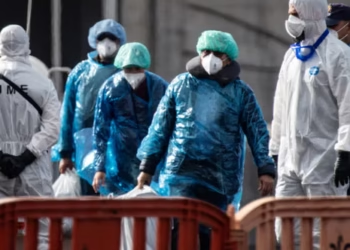 Crisis in the Canary Islands as Cruise Ship Evacuated
 Cruisers Face Perth Quarantine After Hantavirus Outbreak
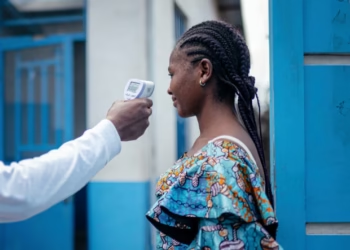 WHO Declares Ebola Outbreak a Global Emergency
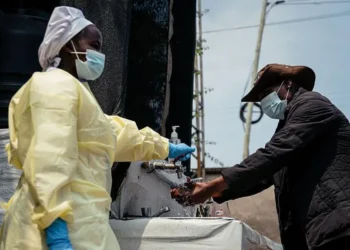 “An Invisible Enemy”: DR Congo Ebola Death Toll Hits 131 as Vaccine-Resistant Strain Spreads
 The Great May Meltdown: Europe Braces for a Historic Swing from Arctic Chill to Extreme Late-Spring Heat
 “The Cluster Widens”: Fourth Reading Meningitis Case Confirmed in Junior School Pupil Following Teen Fatality
 “A Classroom in Crisis”: Special School Extends Closure Following Devastating Flash Flooding
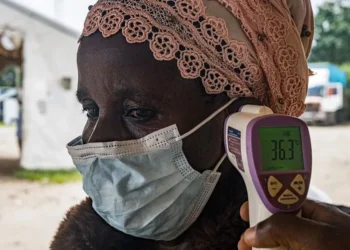 “The Invisible Shadow”: Fear Grips Eastern DR Congo as Deadly Bundibugyo Ebola Strain Spreads
 “The Invisible Surge”: WHO Warns Ebola Outbreak in DR Congo Spreading Faster Than Anticipated
 “The Final Dose”: Urgent Call for Second Meningitis B Vaccinations Following Regional Outbreaks
 “The Critical Intervention”: Essential Steps for Identifying and Treating Heat-Related Emergencies
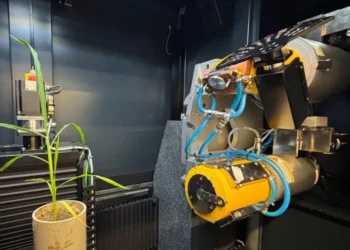 “The Resilience Breakthrough”: Genetic Engineering Paves the Way for Climate-Proof Rice
 Civilian Deaths in Iran Pass 700 Amid Fear of Bombs and Regime Clampdown
 ‘Every Day Feels Like a Month’: Iranians Describe Life Under ‘Constant’ US‑Israeli Strikes
 Penny Wong silent on Australian crew in sub strike