Published: 20 May 2026. The English Chronicle Desk. The English Chronicle Online
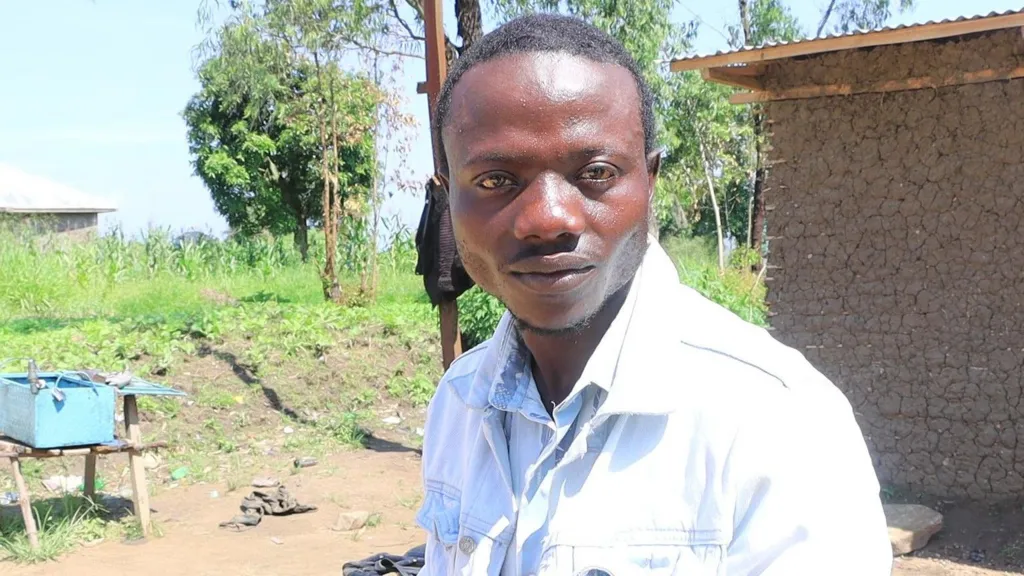
As the Democratic Republic of the Congo (DRC) grapples with its 17th recorded Ebola outbreak, the situation on the ground has taken a dire turn. World Health Organization (WHO) representatives, led by Dr. Anne Ancia, have issued a stark warning that the virus is spreading with an intensity and speed that far outstrips initial estimates. While current official figures point to over 500 suspected cases and 130 deaths, experts warn that these numbers represent only a fraction of the true toll. Modeling from the London-based MRC Centre for Global Infectious Disease Analysis suggests the actual infection count could already be double the current tally, with hundreds of cases potentially undetected as the Bundibugyo strain—a rare and particularly challenging variant of the virus—continues its silent, aggressive infiltration through the Ituri province and beyond.

The crisis, which was officially declared a Public Health Emergency of International Concern (PHEIC) on May 16, is being exacerbated by a “clinical” void in our medical defenses. Unlike the more common Zaire ebolavirus, for which highly effective vaccines like Ervebo exist, the Bundibugyo strain currently ravaging the region lacks any approved vaccine or specialized therapeutic. Health officials are now in a frantic race to evaluate if alternative treatments can provide even partial protection, but with the rollout of any viable medical intervention estimated to be at least two months away, the primary line of defense remains the “speechless determination” of frontline workers attempting to enforce traditional containment measures in an environment of profound instability.
The epicenter of the outbreak, the Ituri province, is a landscape defined by a “resilience deficit,” where chronic conflict and the displacement of nearly two million people create a perfect, “asymmetric” catalyst for viral transmission. The virus has already been confirmed to have reached North Kivu, with cases identified in major urban centers like Butembo and the key port city of Goma. Furthermore, the first documented international spread occurred last week when cases were identified in Kampala, Uganda, triggering immediate alarm across the Great Lakes region. The “accountability rot” that often plagues large-scale emergency responses is also a significant factor; misinformation is rampant, and in many communities, the traditional practice of modifying burial rites—a crucial step in halting transmission—is met with deep suspicion, leading some families to hide their sick and bypass formal healthcare facilities entirely.
Dr. Ancia emphasized that the “patient zero” remains unidentified, complicating the agency’s efforts to map the transmission chains. The current outbreak was traced back to a funeral in late April, where a switch in coffins led to a massive, unrecognized exposure event. Because initial local tests were calibrated to detect only the Zaire strain, the Bundibugyo variant went undiagnosed for weeks, allowing it to disseminate across provincial borders and mining zones—areas characterized by high population mobility and minimal oversight. This administrative and diagnostic “bottleneck” effectively provided the virus with a head start, turning what could have been a localized cluster into a burgeoning, regional catastrophe.
As the WHO and a coalition of international partners scramble to deploy 40 health professionals and additional diagnostic equipment, the humanitarian context remains highly precarious. The very factors that make the region economically significant—mining and trade—are the same conduits fueling the spread of the virus. With neighboring countries like Rwanda tightening border screenings and health authorities in Uganda pleading with citizens to abandon the customary social rituals of hugging and handshaking, the entire region is on edge. For the people of eastern DRC, the return of Ebola—coming only five months after the conclusion of the previous epidemic—is a cruel, “nasty” reality that tests the limits of their endurance.

The “clinical silence” that often surrounds the early days of such an outbreak has finally been broken by the WHO’s blunt admission of the uncertainty regarding the true scale of the epidemic. As the international community weighs the risk of “substantial” under-detection, the focus is shifting toward an urgent, coordinated effort to scale up surveillance at every informal and official border crossing. Whether the global response can finally outpace the virus, or whether this outbreak will grow into an even more widespread humanitarian crisis, depends on the ability of health agencies to overcome the immense, “asymmetric” challenges of operating in a war-torn, highly mobile region where the invisible shadow of Ebola continues to expand.
Related News:
 Costa Blanca Holiday Horror as Food Poisoning Outbreak Hits Four-Star Hotel
 CDC Plunged Into Turmoil as Ousted Chief Susan Monarez Refuses to Step Down
 First Group of Children from Gaza Arrive in UK for Life-Saving NHS Treatment
 Global Study Reveals Violence in GP Surgeries Linked to Long Waiting Times and Drug Refusals
 The diet that can significantly ease symptoms of IBS
 Europe, North America face early wave of bird flu
 US Healthcare Needs Fixing, But There’s No Agreement on How to Do It
 Facing a Demographic Catastrophe, Ukraine Is Paying for Troops to Freeze Their Sperm
 Greenland Says ‘No Thanks’ to Trump’s US Hospital Boat Offer
 Drugs, Denial, Stigma: Fiji’s HIV Crisis Hits Children
 ‘I Wanted to Save Her Life’ — The Moment Twin Sisters Learned They Were Identical
 Martin Short’s Daughter Katherine Dies at 42
 Tick Bite Tragedy Claims Teen in Meat Allergy Case
 Hospital Fungal Outbreak Sparks Major Cover-Up Claims
 The Sad, Strange Story of the World’s Most Radioactive Paradise
 Wellness Peptide Craze: Why People Are Injecting Drugs ‘Not for Human Consumption’
 Not in the Mood to Exercise? These Simple Daily Habits Work Every Time
 Tehran Diary: Dark Days Under Relentless Bombardment
 Canada Plasma Deaths Raise Safety Concerns After Two Donors Die
 Horror in the Outback as Crocodile Kills World-Renowned Doctor
 ‘I’m So Ready’: Céline Dion Announces 10-Night Paris Comeback Residency
 Starmer Issues 48-Hour Ultimatum to Resident Doctors: Call Off ‘Reckless’ Strikes or Lose Job Package
 ‘The Invisible Killer’: Chiang Mai Air Pollution Sparks Health Crisis as Children Suffer Nosebleeds
 ‘The Invisible Killer’: Chiang Mai Air Quality Crisis Sparks Pediatric Health Emergency
 “An Amazing Legacy”: Prince William Praises Incredible £20m Milestone for Bowelbabe Fund
 “He Was One of the Kindest People I Knew”: The Tragic Death of Oliver Robinson
 Bangladesh Launches Emergency Vaccine Drive After 100 Child Deaths
 “I was fighting two wars”: Ukraine soldiers’ addiction crisis
 Fragile Silence Broken: 14 Killed in Southern Lebanon During “Bloodiest Day” of Truce
 Giuliani hospitalised in critical condition
 “The Floating Fever”: WHO Confirms Second Hantavirus Case as Cruise Outbreak Death Toll Reaches Three
 US Court Restores Abortion Pill Access Temporarily
 The Quarantine Crossing”: Hantavirus-Hit MV Hondius Bound for Canary Islands After Deadly Outbreak
 “The Reggio Return”: Princess Catherine to Embark on First Official Overseas Visit Since Cancer Treatment
 “The Heavyweight Hero”: FTD Brothers Smash £1 Million Milestone Mid-Marathon Odyssey
 “The Friendly Neighbourhood Runner”: Father’s 50-Marathon ‘Spider-Man’ Quest Hits Milestone for Sick Children
 “The Pressure Valve”: New GP Walk-In Clinic Eases Local ‘Resilience Deficit’ with 183 Patients Treated
 “The Exile of Care”: Vulnerable Teens Sent 200 Miles from Home as Local ‘Resilience Deficit’ Persists
 “The Price of Life”: Air Ambulances in the South Face ‘Resilience Deficit’ Amid Fuel Surge
 “The Ghost Galleon”: Hantavirus-Hit Cruise Ship Bound for Tenerife After High-Stakes Evacuations
 “The Swap Shop”: TV’s Dr Chris van Tulleken Backs Teenagers’ Fight Against ‘The Matrix’ of Ultra-Processed Food
 “The Swap Shop”: Dr Chris van Tulleken Backs Southampton Teens’ Fight Against ‘The Matrix’ of Ultra-Processed Food
 “The Humanitarian Compass”: Couple Honoured with ‘Milestone’ Award for Aiding Escaped Prisoner of War
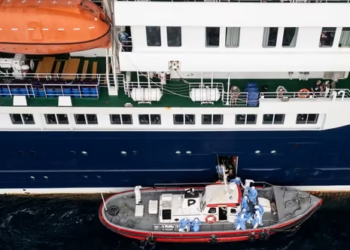 Hantavirus Cruise: Britons Face 45-Day Isolation Order
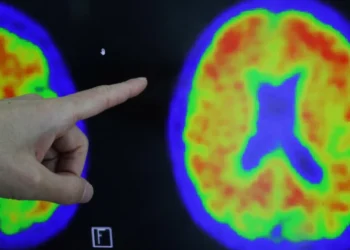 “The Bio-Marker Breakthrough”: At-Home Blood Test Could Spot Alzheimer’s Risk Years Before ‘Clinical’ Symptoms
 “The Bio-Security Watch”: Two Britons in Self-Isolation After Bypassing ‘Hantavirus Bottleneck’ on MV Hondius
 “The Porthole Prison”: Passengers Reveal Life Inside the ‘Clinical Silence’ of the Hantavirus-Stranded MV Hondius
 “The Rhythm of Resilience”: Why an ‘Uneven’ Heart Rate is the New ‘Clinical’ Milestone for Health
 The Pathogen Protocol”: Third British National Monitored for ‘Nasty’ Suspected Hantavirus
 Bad Weather Threatens Hantavirus Cruise Ship Evacuation
 Crisis in the Canary Islands as Cruise Ship Evacuated
 Cruisers Face Perth Quarantine After Hantavirus Outbreak
 WHO Declares Ebola Outbreak a Global Emergency
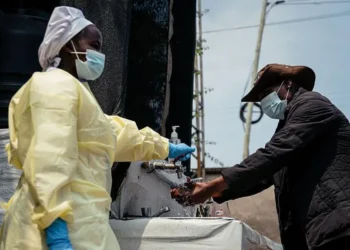 “An Invisible Enemy”: DR Congo Ebola Death Toll Hits 131 as Vaccine-Resistant Strain Spreads
 “The Cluster Widens”: Fourth Reading Meningitis Case Confirmed in Junior School Pupil Following Teen Fatality
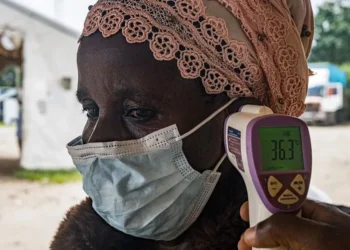 “The Invisible Shadow”: Fear Grips Eastern DR Congo as Deadly Bundibugyo Ebola Strain Spreads
 BBC to Apologise Over Edited Trump Speech Amid Backlash
 Reeves rejects £1bn plea for NHS redundancy payouts
 Greene Pushes Epstein Files Amid Trump Fallout
 Zelenskyy Signs Fighter Jet Deal Amid Russian Drone Attacks
 Shadow Fleet at Sea: Europe’s Battle Against Illicit Oil Shipping
 US Suspends Afghan Immigration After White House Shooting
 Five-Year-Old Dies After Rare Tonsil Surgery Complication
 ‘Extinct’ Antelope Returns to Sahara, Bringing Hope
 Energy Drinks Linked to Rising Heart and Stroke Risks
 Civilian Deaths in Iran Pass 700 Amid Fear of Bombs and Regime Clampdown
 ‘Every Day Feels Like a Month’: Iranians Describe Life Under ‘Constant’ US‑Israeli Strikes
 Penny Wong silent on Australian crew in sub strike
 Finland Plans to Lift Decades‑Old Ban on Hosting Nuclear Weapons
 Trump Pressures Congress Over Save America Act
 Iran War Puts Trump at Political Risk Amid Rising Prices
 Goma Drone Attack Kills Three as Conflict Escalates
 Queensland Protest Laws Spark Free Speech Backlash
 Social Media Giant Trial Reaches Final Jury Decision
 Trump Nato threats expose Iran strategy vacuum
 Charity Watchdog Takes Control of Learning Disability Care Home
 NHS Satisfaction Rises for First Time Since 2019
 Trump Facing Backlash from Epstein Survivors Over Files
 UK Forces Ready to Seize Russian Shadow Fleet Vessels
 Trump Considers Military Operation to Seize Iran’s Uranium