Published: 28 August 2025 | The English Chronicle Desk
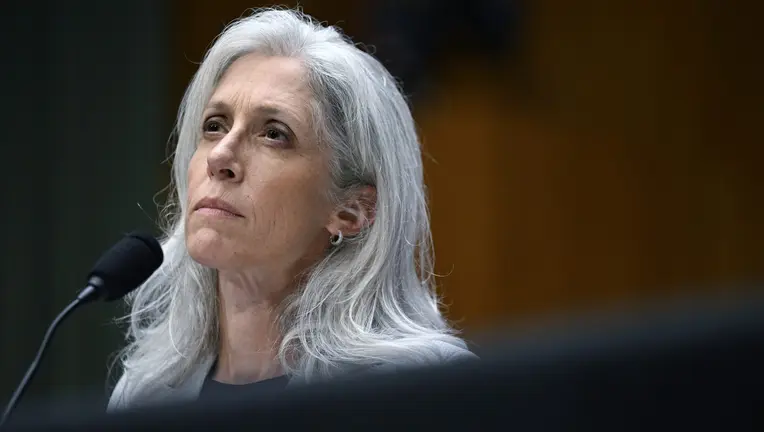
The US Centers for Disease Control and Prevention (CDC), the nation’s most important public health agency, has been thrown into chaos after its newly appointed director, Dr Susan Monarez, was abruptly declared removed by the Trump administration—only for her to refuse to resign, insisting she was being targeted for upholding scientific integrity.
The Department of Health and Human Services (HHS) released a terse statement on Wednesday evening announcing her departure, thanking Monarez for her “dedicated service” but offering no explanation for the decision. Monarez, who was confirmed by the Senate and sworn in just last month, rejected the claim, with her lawyers Mark Zaid and Abbe David Lowell insisting that she remains in her role and has not received official notification of termination.

“Dr Monarez has neither resigned nor received notification from the White House that she has been fired,” her attorneys said. “As a person of integrity and devoted to science, she will not resign. She has been targeted for refusing to rubber-stamp unscientific, reckless directives and for protecting dedicated health experts from political purges.”
The conflicting statements have left Washington and the CDC itself in confusion over whether the agency even has a functioning leader. White House deputy press secretary Kush Desai doubled down late Wednesday night, insisting Monarez had been terminated, but pointedly avoided stating that the decision had come directly from President Trump. Under federal law, only the president can dismiss a Senate-confirmed official, leaving the legality of the move in doubt.
Monarez’s apparent ousting has triggered a wave of high-level resignations within the CDC, including Dr Demetre Daskalakis, head of the National Center for Immunization and Respiratory Diseases; Dr Deb Houry, the agency’s chief medical officer; and Dr Daniel Jernigan, director of the Center for Emerging Zoonotic Infectious Diseases. In their resignation letters, each decried what they described as the “weaponization of public health” and the erosion of scientific independence.
“I am not able to serve in this role any longer because of the ongoing weaponizing of public health,” Daskalakis wrote in a letter obtained by Inside Medicine. Houry echoed the concern, warning that science at the CDC “should never be censored or subject to political pauses or interpretations.”
The turmoil follows sweeping and controversial moves by Health Secretary Robert F. Kennedy Jr., who earlier this week hailed the Food and Drug Administration’s decision to revoke emergency use authorization for Pfizer, Moderna, and Novavax Covid-19 vaccines. While CDC scientists estimate the vaccines saved more than 3.2 million American lives, under the new policy they will now be limited only to older adults and individuals with serious underlying health conditions—and only with the approval of a newly reconstituted advisory panel that includes vaccine opponents.
Monarez, 50, became the 21st director of the CDC and the first to undergo Senate confirmation under a 2023 law. She was sworn in on July 31, making her the shortest-serving director in the agency’s 79-year history. Her nomination had followed Trump’s withdrawal of his initial choice, David Weldon.
Public health leaders have reacted with alarm to the deepening crisis. Dr Craig Spencer, a professor at Brown University’s School of Public Health, described the situation bluntly: “It’s unclear whether the CDC director—confirmed just weeks ago—has been fired or not. Absolute chaos. Incredible career professionals have resigned, sounding a massive alarm. This leaves the country dangerously unprepared.”

Dr Ashish Jha, the Biden administration’s former coronavirus response coordinator, warned of “wholesale destruction of leadership at the CDC,” while Dr Jonathan Reiner of George Washington University argued that Secretary Kennedy is increasingly becoming “a liability for the White House.”
For now, the standoff between Monarez and federal health officials has left the nation’s top public health agency leaderless at a time of heightened global health concerns. With critical CDC divisions now without leadership and political uncertainty surrounding the agency’s future, experts warn that the public health infrastructure of the United States faces one of its greatest crises of credibility in decades.
Related News:
 Kinnock’s Rebuke Echoes Loudly as Corbyn Allies Launch Left-Wing Breakaway: “A Gift to Farage”
 UK and Norway Forge Stronger Ties Through Joint Sanctions and Enhanced Defence Cooperation
 Trump Administration Dismisses 17 Immigration Judges, Sparking Debate Over Judicial Independence
 Lammy Condemns Israel’s Targeting of Starving Palestinians: Sanctions Threatened Amid Global Outrage
 Modi’s London Visit Seals Historic UK-India Trade Pact Amid Global Tensions
 UK Must Act with Courage and Clarity on Israel-Palestine Conflict, Says Foreign Affairs Committee Report
 Labour Faces Standoff as NHS Strike Exposes Deeper Crisis
 NHS Braces for New Wave of Disruption as Resident Doctors Begin Five-Day Strike Across England
 Philippine Supreme Court Halts Impeachment of Sara Duterte, Fuelling 2028 Election Speculation
 New Missile, New Balance: US Precision Strike Weapons Redefine Taiwan’s Defence Horizon
 Trump Threatens 100% Tariff on Nations Importing Russian Oil Amid India Standoff Over Ukraine War
 MPs Call on UK Government to Delay Biometric Visa Checks for Gaza Students Amid Humanitarian Crisis
 Netanyahu Announces Plan to Take Over Gaza City, Escalating Conflict Further
 Radioactive Leak at UK’s Nuclear Warhead Base Sparks Outcry Over Safety and Secrecy
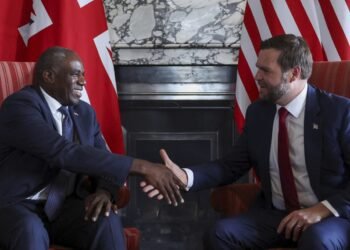 Lammy and Vance Meet in Britain to Advance US-Brokered Ukraine Peace Talks
 Mutual Inconvenience: Why Alaska Was Chosen for the Trump-Putin Summit on Ukraine
 Prominent Al Jazeera Journalist Anas al-Sharif Among Five Reporters Killed in Israeli Airstrike on Gaza
 Hong Kong Summons UK and Australian Envoys Following Asylum Grants to Democracy Activists
 Is the UK Ready to Put Boots on the Ground in Ukraine? Assessing Military Capacity and Challenges
 Costa Blanca Holiday Horror as Food Poisoning Outbreak Hits Four-Star Hotel
 Ukraine-Russia War Latest: Trump Suggests Putin Avoiding Zelensky Summit Due to ‘Personal Dislike’
 Protests Expected as Israeli Arms Firms Join Global Defence Trade Fair in London
 Norfolk Hospital Ranked Worst in England as NHS League Tables Return
 Trump Appears Sidelined as Israel’s Unprecedented Strikes Hit Qatar
 Meeting Between Keir Starmer and Israeli President Marked by Tense Exchanges Over Gaza Aid
 Conservative Influencer Charlie Kirk Fatally Shot During University Debate
 UK Imposes 100 New Sanctions Targeting Russia’s Revenues and Military Supplies
 Jimmy Kimmel Live! Suspended Indefinitely Following Controversial Comments on Charlie Kirk Killing
 Thousands Gather in London to Protest Donald Trump’s Second UK State Visit
Trump Urges UK to “Call Out the Military” to Secure Borders Amid State Visit
Trump’s UN Speech Criticises London and UK Policies, Draws Far-Right Attention
Thousands Gather in London to Protest Donald Trump’s Second UK State Visit
Trump Urges UK to “Call Out the Military” to Secure Borders Amid State Visit
Trump’s UN Speech Criticises London and UK Policies, Draws Far-Right Attention
 Denmark Investigates Professional Drone Incursions Across Multiple Airports, No Evidence of Russian Involvement
 Sir Sadiq Khan Accuses Trump of Racism and Islamophobia Following UN Remarks
 UK Fighter Jet Purchase Could Breach Nuclear Treaty, Warns CND
 Tony Blair Considered for Leadership Role in Transitional Gaza Authority
 Moldova’s Pro-European Party Secures Election Victory
 A Third of EU Citizens in UK Report Discrimination by Public Bodies Post-Brexit
 Jailed Georgian Opposition Leaders Warn UK of Iranian Links to Ruling Party
 Russia repeatedly targets UK military satellites, warns Space Command chief
 Pro-Palestine March to Proceed in London Despite Calls to Cancel After Manchester Attack
 Japan’s First Female Governing-Party Leader Emerges Amid Ultra-Conservative Politics
 Misinformation and Political Pressure Force Weston-super-Mare to Abandon Refugee Sanctuary Plan
 UK Universities Warn Students Ahead of 7 October Pro-Palestine Protests
 Public Trust in SNP Hits Historic Low Amid NHS Concerns
 NHS Staff Strike Over £30m Pay Discrimination Claim
 Johnson Suggests Mandelson Linked to China Spy Controversy
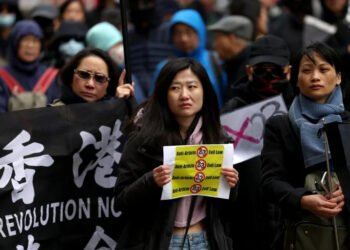 UK Extradition Law Change Sparks Fears Among Hong Kong Dissidents
 Witness statements reveal the CPS China spy row collapse in the UK
 Nigel Farage Calls Vladimir Putin ‘A Very Bad Dude’
 Rachel Reeves signals welfare reform ahead of key budget
 Kosovo agrees to host Britain’s refused asylum seekers
 Ireland Votes as Two Women Compete for Presidency
 UK Health Leaders Push for Urgent Tobacco & Vape Bill
 Rachel Reeves to lead UK trade push in Saudi Arabia amid rights debate
 Experts Warn Russia’s Burevestnik Missile Could Destabilise Arms Control
 British Woman in Iran ‘Losing Hope’ Amid Ongoing Detention
 Johnson Approved China’s London ‘Super-Embassy’ in 2018
 BBC Journalist Held and Interrogated in Vietnam
 Celebrities and Charities Demand UK Government Act on Child Poverty
 UK University Suspends Human Rights Research Following Pressure from China
 UK University Faces Counter-Terror Probe Over China Pressure
 Abigail Spanberger Elected Virginia’s First Female Governor
China-critical UK academics face ‘extremely heavy’ pressure from Beijing
Abigail Spanberger Elected Virginia’s First Female Governor
China-critical UK academics face ‘extremely heavy’ pressure from Beijing
 Ukraine-Russia war latest: Putin’s troops exploit bad weather to force Kyiv withdrawal from multiple towns
 Hamas Fighters in Gaza Tunnels Stall Ceasefire Progress
 New review urges UK to repatriate Shamima Begum, others from Syria
 US Justice Department Files Lawsuit Against California Over Partisan Voting Maps
 Trump Deploys DHS to Charlotte in Major Arrest Operation
 Why Russian Liberals Push Strongly Pro-Israel Narratives
 Rama Rebukes Mahmood for Targeting Albanian Families
 Russian Vessel Used Lasers on RAF Pilots, UK Claims
 Pentagon Officials in Ukraine to Discuss War End
 Welsh Government Christmas 2020 Lockdown Criticised
 Venezuela Threatens Nobel Winner Machado with Fugitive Status
 Trump Envoy to Discuss Ukraine Peace at Kremlin
 Pope Leo XIV Begins Historic Trip to Turkey and Lebanon
 India’s Labour Law Overhaul Sparks Fierce Debate
 Video shows Israeli troops kill Palestinians after surrender
 “Enough is Enough”: Local MP Vows to Fight Rainham Quarry Plans
 Chinese & Japanese Boats Clash Near Disputed Islands