Published: 11 September 2025 | The English Chronicle Online
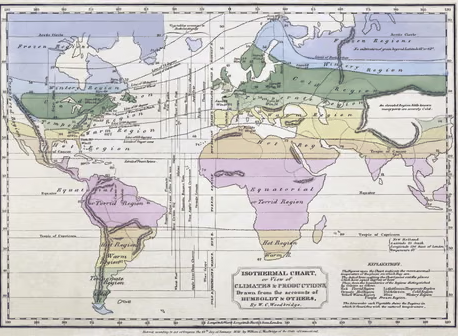
Weather forecasting, now considered one of the most advanced applications of modern science, has surprisingly mystical origins. Long before satellites and supercomputers, predictions about the atmosphere were drawn not from observation of winds and clouds, but from the movements of planets and stars.
The mathematician and astronomer Ptolemy of Alexandria, working in the second century, was one of the first to formalize this practice. Renowned for his contributions to astronomy, Ptolemy ventured further by attempting to link planetary motions with weather outcomes. This system, known as astrometeorology, claimed that celestial bodies influenced atmospheric conditions, and that their alignments could be calculated to forecast storms, sunshine, and rain.
For centuries, scholars across Europe clung to this method. Part of its endurance was rooted in what today would be recognized as confirmation bias—people remembered the accurate predictions but quickly forgot or excused the failures. What seemed convincing, therefore, was often little more than coincidence.

Astrometeorology was described by its practitioners as a harmless form of natural magic, distinct from darker occult practices. Yet as suspicion toward astrology and supernatural arts grew, so too did skepticism toward weather prediction by planetary movement. The Witchcraft Act of 1735 eventually made all forms of divination by magical means—including weather forecasting—illegal in Britain.
By the time the Met Office was established in 1854, the law was still technically in force, but meteorology had already begun to distinguish itself from its mystical roots. Predictions were grounded in systematic observation, barometric readings, and, later, advances in physics and atmospheric science. Unlike earlier forecasters, meteorologists could pursue their work without fear of accusations of witchcraft or persecution.
Yet Ptolemy’s astrological weather system never entirely vanished. Even today, its remnants survive in the form of popular almanacs that claim to offer year-ahead forecasts based on celestial alignments. While mainstream science rejects such methods, their persistence reflects humanity’s enduring desire to find patterns in the skies and impose order on the unpredictability of nature.
From Ptolemy’s tables to the Met Office’s data models, the story of weather forecasting illustrates not only the progress of science but also the resilience of old beliefs, lingering at the edges of modernity like clouds refusing to fully disperse.
Related News:
 Ofcom Launches Probe into Pornography Websites Over Compliance with New Age Verification Laws
 Breakthrough Clinical Trial Lets 12-Year-Old Boy with Rare Skin Disorder Play Football
 Expanded Access to Health Diagnostics in England Now Available Beyond Standard Hours
 Shocking Rise in Children’s Exposure to Violent Online Pornography Raises Alarm
 Spectacular ‘Blood Moon’ Illuminates Skies Across the Globe
 Britain’s Butterfly Numbers Rebound but Remain Average
 Persistent Offenders Owe Over £700m in Ulez Fines as TfL Cracks Down on Evasion
 History Will Remember Who Showed Up: Pressure Mounts on Keir Starmer to Attend Cop30 Summit
 Hackers Allegedly Steal Data of 8,000 Children from Kido Nursery Chain
 Majority of UK Men Would Opt for Prostate Cancer Screening, Survey Finds
 UK Woman Becomes Longest Survivor of Heart-Lung Transplant
 New wearable UV detector aims to prevent sunburn
 Runners’ records at risk as Garmin goes to war with Strava
 Time to Turn Back the Clock: Celebrating Willett’s Legacy
 Critically Endangered Spider Rediscovered in UK After 40 Years
 Experts Urge Legal Right to Timely Cancer Care
 North Sea oil workers must lose weight or face job loss
 No link found between paracetamol in pregnancy and autism
 NHS frontline staff forced to cover gaps as managers remain scarce
 Tech firms to test AI safeguards against child abuse images
 New Research Explains Severe Diabetes in Children
Working-Class Men with Prostate Cancer Left Behind by NHS
New Research Explains Severe Diabetes in Children
Working-Class Men with Prostate Cancer Left Behind by NHS
 From War to Wales: Teen Innovator Eyes Net Zero Future
 Healthy Habits in Your 30s That Boost Life in Your 70s
 Cardiff Shopper ‘Branded a Thief’ by Facewatch System
 Raccoons Could Become America’s Next Pet
 Australia to Ban Social Media for Kids Under-16 Starting December
 Coffins Now Too Large to Cremate Amid Rising Obesity Crisis
 Australians Angry as BOM Website Revamp Backfires
 Post Office Scandal Compensation Tops £1 Billion as Victims Finally See Justice
 The Ketamine Crisis in the UK is a Silent Epidemic Leaving Users with Lifelong Pain
 The Fight for Trans Safety Is a Fight for Everyone’s Safety — MPs Must Debate This Crucial Issue
 Heartbreak in the New Forest as Shetland Ponies Vanish, Community on Edge
 Tragedy Strikes Britain’s Richest Divorcee as Boyfriend Dies Just Four Years After £350m Breakup
 Why E-Bikes and E-Scooters Are Making Streets a ‘Nightmare’ for Blind People
 London to Regulate Pedicabs: Music Turned Down, Fares Set by the Minute
 Jeremy Clarkson’s Pub: A Sunday Lunch Like No Other
 UK and US Forge Landmark Deals to Build Modular Nuclear Reactors Across Britain
 UK Doctors Guilty of Sexual Misconduct Continue Practising Amid Weak Sanctions, Research Finds
 Zarah Sultana Seeks Legal Action After Bitter Clash with Jeremy Corbyn Over Party Membership Funds
 British AI Startup Outshines Human Forecasters in Global Prediction Contest
 Canadian Officials Find TikTok Fails to Adequately Protect Children’s Data
 UK Fighter Jet Purchase Could Breach Nuclear Treaty, Warns CND
 Starmer Unveils Plan for NHS “Online Hospital” to Tackle Waiting Lists
 A Third of EU Citizens in UK Report Discrimination by Public Bodies Post-Brexit
 Beloved Actress Dame Patricia Routledge Dies Aged 96
 Jilly Cooper: The Bonkbuster Queen Who Redefined Romantic Fiction
 Millions in the UK at Risk of Cyber-Attacks as Microsoft Ends Windows 10 Updates, Warns Which?
 Yvette Cooper Backs Digital ID Plan for UK Teens
 King urges faster action on climate change initiatives
 Reform UK candidate fined £19,000 after using AI-generated cases to challenge election
 Harry and Meghan join global AI leaders urging superintelligence ban
 One in 12 Secondary Pupils Sent to Isolation Weekly
 WW2 Pilot’s Long-Lost Crash Site Unearthed in Essex
 Experts Warn Russia’s Burevestnik Missile Could Destabilise Arms Control
 Hospice Cuts Raise Alarm Across England Amid Funding Crisis
 UK Woman Loses Child Benefit After Booking Flight She Never Took
 Mass Stabbing on Doncaster to London Train Leaves Ten Injured
 Children to Learn Local History in Major Curriculum Overhaul
 The Lowry Hotel: Manchester’s Iconic Five-Star Retreat
 Prince William Plants Trees with Brazil’s Nature Heroes
 Earl of Yarmouth Faces £1.3m Legal Bill Over Family Estate
 How to get help when a child goes missing – call 999 urgently
 UK Faces Arctic Blast as Polar Vortex Disruption Brings Heavy Snow
 Stop using ChatGPT to write speeches, AI minister tells MPs
 New laws to bolster UK’s defences against cyber attacks on NHS, transport and energy
 Son Reveals UK Couple in Iran Resort to Hunger Strike for Help
 Valve Opens the Door for Android Games on Steam
 Pokémon to open world’s first theme park in Japan next year
 Mum Calls for New Licence Rules After Teen Road Death
 Mother Watches in Horror as Teen Daughter Dies on Tracks
 Google Chief Urges Caution: Don’t Trust AI Blindly
 Seven Countries, One Winner: Europe’s Best Christmas Market
 ‘Traumatic Wait’: Northern Ireland Women Face Breast Cancer Delays
 Labour MP claims devolution bill is ‘blatant discrimination’ against Cornwall
 Vicki Fears Losing Motability Car
 Fibromyalgia Patients Struggle as NHS Fails to Provide Care
 Search underway for British man overboard off Tenerife
 Virgin Media Fined £23.8m Over Telecare Safety Failures
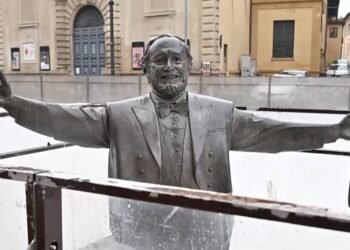 Pavarotti statue frozen in Italian ice rink sparks backlash