Published: 24 September 2025. The English Chronicle Desk
A new government-backed letter-writing initiative is seeking to inspire students from some of England’s most deprived areas to consider higher education, highlighting how background need not dictate opportunity. Thousands of sixth formers with top GCSE results have received personalised letters from university students who share similar experiences, aiming to break down barriers to university progression.
One such letter, addressed to a student named Rahamat, begins warmly: “Dear Rahamat, first of all congratulations! I remember the day I got my GCSE results. The potential for your life to change has just begun.” It was written by Kemi Adeyemi, a final-year medical student at King’s College London, who grew up in care, attended state schools, and relied on free school meals. Adeyemi shared her journey to higher education, detailing the financial support and bursaries available to students from disadvantaged backgrounds, and encouraging recipients to pursue their ambitions without fear.

“Don’t let financial considerations hold you back when choosing the right course and university for you,” she wrote. “Don’t ever feel like those spaces are not for people like us.” Adeyemi concluded her message with a note of encouragement: “Best of luck, and congratulations in advance for all you’re going to achieve.”
The Department for Education notes that students from privileged backgrounds remain almost twice as likely to attend university as their disadvantaged peers. Regional disparities are also pronounced: teenagers in Redbridge, London, are nearly three times more likely to progress to higher education than those in Knowsley, Merseyside.
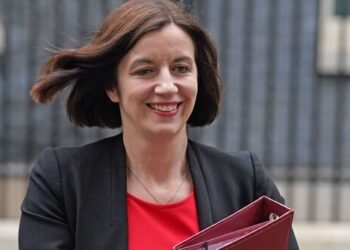
Bridget Phillipson, the education secretary, said the initiative reflects Labour’s commitment to breaking the link between a young person’s background and future success. “Talent, aspiration and hard work – not postcode or background – should decide a young person’s future,” she said. “Universities need to do more to make sure they’re reaching the most talented people in our country wherever they come from.”
Evidence suggests such interventions can make a tangible difference. Research from 2017 showed that sending a letter from a current university student to a sixth former from a similarly disadvantaged background increased the likelihood of accepting a place at a selective university from 8.5% to 11.4%, roughly equivalent to an additional 300 students per year.
Adeyemi recently visited Christ the King Aquinas Sixth-Form College in Brockley, south-east London, meeting students who had received her letter. “It’s so important that young people know that their background doesn’t determine where they can study,” she said. “As a result of the letters, I hope students feel empowered to apply for university and that they know they deserve to be there just like anyone else.”
Among the students inspired by the initiative was 17-year-old Adam Dragan, who had been considering a degree apprenticeship or studying abroad to avoid student debt. Learning about bursary schemes and contextual offers altered his perspective, giving him the confidence to apply to the University of Oxford to study economics and management. “It changed my view of what’s achievable,” he said.

Similarly, Kaira Freeman, 17, now intends to study forensic psychology and appreciated the clarity the letters provided on financial support. David Zheng, another 17-year-old aspiring law student, described how the letter he received helped him feel more confident about navigating university life and funding, reinforcing the sense that he was not alone in his journey.
The campaign, which will reach almost 10,000 pupils, forms part of a broader effort to address educational inequality and ensure that opportunities for higher education are accessible to all, regardless of background.
Related News:
 China-Backed Confucius Institutes at UK Universities Face Uncertainty Under New Free Speech Rules
 University of Edinburgh Lecturers Launch Five-Day Strike Amid £140m Budget Cuts
 UK Universities Warn Students Ahead of 7 October Pro-Palestine Protests
 Oxford Union president-elect ousted following Charlie Kirk scandal
 The debate over England’s compulsory reading test for 13-year-olds
 Bridget Phillipson Vows to Confront Unions Over Reading Tests
 England’s Special Needs Support Faces Breaking Point
 UK Must Act with Courage and Clarity on Israel-Palestine Conflict, Says Foreign Affairs Committee Report
 Wethersfield Controversy Deepens as Asylum Seeker Numbers Set to Surge by 50%
 Chancellor Faces Mounting Pressure Amid “Impossible Trilemma” Over Tax Rises
 Princess of Wales Launches Animated Video Series to Support Early Childhood Development
 Radioactive Leak at UK’s Nuclear Warhead Base Sparks Outcry Over Safety and Secrecy
 Mass Arrests in London as Protest Defies Ban on Palestine Action
 Mutual Inconvenience: Why Alaska Was Chosen for the Trump-Putin Summit on Ukraine
 Russell T Davies Warns of Declining UK Gay Rights Amid Rise of Reform UK and Trump Influence
 UK Government Expands ‘Deport Now, Appeal Later’ Policy to 23 Countries
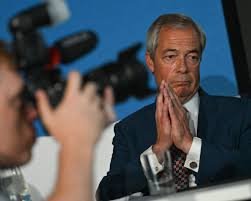 Farage Accuses PM of ‘Democratic Disparity’ in House of Lords Representation
 Chancellor Rachel Reeves Pushes for Sweeping Changes to Environmental Protections to Accelerate Development
 Larger Families Could Gain Thousands if Labour Ends Two-Child Benefit Cap
 Why Where You Live Can Affect Your School Grades – And the Gap Between Areas Is Only Widening
 Is the UK Ready to Put Boots on the Ground in Ukraine? Assessing Military Capacity and Challenges
 Education Leaders Call for End to Compulsory GCSE Resits in English and Maths
 Palestine Action Ban Protesters Plan Tactic to Overwhelm Police at Next London Demonstration
 Police Scotland Spends £500,000 Compensating Officers Over Trump Visit
 Britain’s Migration Challenge: Rising Asylum Numbers and Hotel Pressures
 Elon Musk Sparks New Controversy by Backing Tommy Robinson Amid Farage Feud
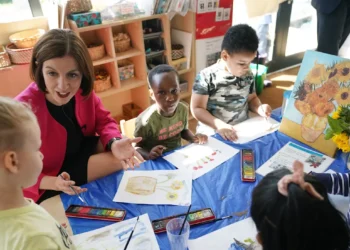 Thousands of New School Nursery Places to Be Rolled Out Across England
 Urgent Action Needed on Windrush Compensation as Survivors Speak of “Waiting to Die”
 Tanni Grey-Thompson Faces Abuse Over Opposition to Assisted Dying Bill
 TfL Invites RMT to Resume Talks as London Tube Strikes End
 UK Rejoining EU ‘Unlikely in My Lifetime,’ Says Starmer’s Europe Reset Negotiator
 UK Graduates in Healthcare Report Highest Satisfaction with Degree Choices
 ‘Unite the Kingdom’ Rally Sparks Fears of Far-Right Normalisation Among Minority Britons
 Growing Crisis in UK Schools: One in Three Parents Seek Special Needs Assessments
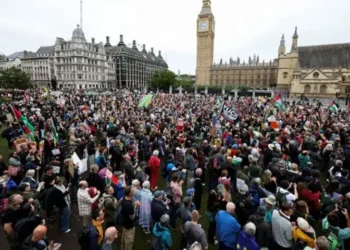 Thousands Gather in London to Protest Donald Trump’s Second UK State Visit
 Zarah Sultana Seeks Legal Action After Bitter Clash with Jeremy Corbyn Over Party Membership Funds
 Nigel Farage Unveils Controversial Immigration and Welfare Plans at Reform UK Press Conference
 Top Andy Burnham Ally Launches Fierce Critique of Starmer Ahead of Labour Conference
 Mahmood Pledges Reform of Modern Slavery Laws After Court Blocks Deportation Appeal
 UK Fighter Jet Purchase Could Breach Nuclear Treaty, Warns CND
 Migrants in UK May Need to Contribute or Face Removal, Home Secretary Signals
 Ed Miliband Urges Labour to Confront Billionaire-Backed Opposition to Net Zero Goals
 A Third of EU Citizens in UK Report Discrimination by Public Bodies Post-Brexit
 Senior Tories Condemn Badenoch’s Vow to Repeal Climate Change Act as Catastrophic
 Home Secretary condemns Gaza protests after Manchester synagogue attack as “un-British”
 Teacher Permanently Banned After Slapping Pupil Over Classroom Incident
 Digital ID Plans Ignite Debate Over £600m Treasury Tax Boost and Privacy Concerns
 Robert Jenrick Reiterates Controversial Comments on Birmingham’s Integration as Backlash Grows
 Public Trust in SNP Hits Historic Low Amid NHS Concerns
 Yvette Cooper Backs Digital ID Plan for UK Teens
 Starmer Faces Backlash Over Downing Street Shake-Up and Progressive Exodus
 Johnson Suggests Mandelson Linked to China Spy Controversy
 Ministry of Justice fails to file £11bn in spending receipts
 Parents spending £5,000 on special school assessments in England
 Rachel Reeves signals welfare reform ahead of key budget
 Reform UK candidate fined £19,000 after using AI-generated cases to challenge election
 Kosovo agrees to host Britain’s refused asylum seekers
 One in 12 Secondary Pupils Sent to Isolation Weekly
 William Steps Up Over Prince Andrew Palace Response
 UK Health Leaders Push for Urgent Tobacco & Vape Bill
 How the Royal Navy Can’t Stop the Channel Boats
 Johnson Approved China’s London ‘Super-Embassy’ in 2018
 Green Party Surges Past Labour in Latest UK Poll
 Celebrities and Charities Demand UK Government Act on Child Poverty
 Zarah Sultana Launches Party to Change Politics
 Children to Learn Local History in Major Curriculum Overhaul
 FBI Director Kash Patel Defends Girlfriend Amid Government Jet Claims
 Top Christmas Books Reads: Classics to Cozy Romcoms
 Greta Thunberg Backs Student Facing UK Visa Revocation
 Labour immigration crackdown could cost UK £4.4bn
 London’s Childlessness Crisis: Schools Closing as Families Shrink
 ‘Reckless’ cuts to victims’ services will cost more than they save
 Starmer Faces Growing Dissent as Labour MPs Weigh Leadership Challenge
 Politics latest: Starmer ‘will fight any leadership coup’ as Streeting denies attempt to oust Labour PM
 Pressure Mounts on Starmer to Sack Chief of Staff Over Briefing Row
 Peers Flood Assisted Dying Bill with 942 Amendments
 MoD warned over Excel risks before Afghan data breach
 Most Tories Expect to Support a Farage-Led Government
 Labour MP claims devolution bill is ‘blatant discrimination’ against Cornwall
 Millions Face Higher Taxes Under Reeves New Budget