Published: 26 September 2025. The English Chronicle Desk
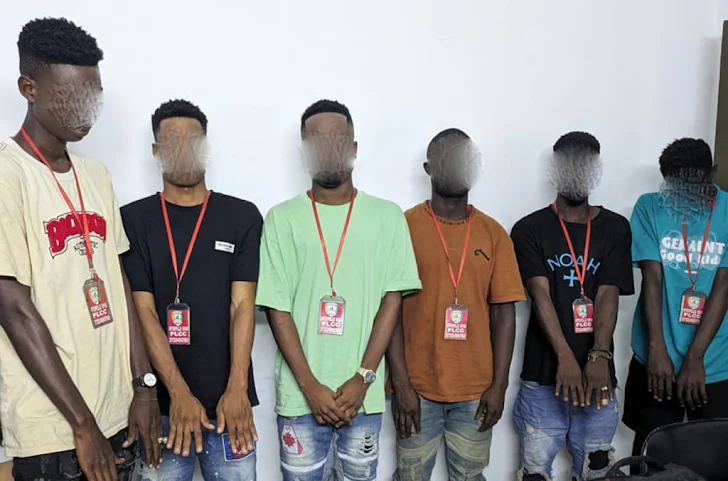
In a sweeping cross-border operation coordinated by Interpol and funded by the United Kingdom, law enforcement agencies across 14 African countries have arrested more than 260 suspects linked to a surge in online sextortion and romance scams. The sting, conducted between July and August, has been described as one of the largest cybercrime crackdowns on the continent to date, targeting sophisticated criminal networks that exploited vulnerable individuals through digital platforms.
The investigation, known as the African Joint Operation against Cybercrime project, sought to dismantle syndicates that lured unsuspecting victims into relationships online, only to extort them for money using fabricated stories, falsified identities, or explicit imagery. Authorities estimate that more than 1,400 victims were identified across countries including Ghana, Kenya, Angola, Senegal, and Ivory Coast, with combined financial losses of nearly $2.8 million.
Speaking to the BBC’s Newsday programme, Interpol’s director of cybercrime, Neal Jetton, explained the psychology behind the scams. “It doesn’t take long before you develop a connection with somebody… and very quickly this trust is shattered,” he said, describing how victims are manipulated into believing they are engaging with genuine partners before being blackmailed or defrauded. While victims came from a wide range of age groups, Jetton noted that older people were particularly vulnerable to these types of schemes.
Authorities revealed that police tracked digital infrastructure, internet protocol (IP) addresses, domains, and social media accounts linked to the networks. This intelligence led to dozens of arrests, the seizure of hundreds of devices, SIM cards, and forged documents, and the takedown of 81 separate cyber-crime groups operating across the continent. Interpol emphasised that the goal was not only to apprehend individuals but to permanently disrupt and dismantle the structures behind these organised scams.

Cyril Gout, Interpol’s acting executive director of police services, said the operation highlighted the rapid expansion of digital-enabled crimes in Africa. “Cybercrime units across Africa are reporting a sharp rise in digital-enabled crimes such as sextortion and romance scams,” he explained. “The growth of online platforms has opened new opportunities for criminal networks to exploit victims, causing both financial loss and psychological harm.”
The crackdown uncovered specific national trends that illustrated both the scale and diversity of the problem. In Ghana, where 68 suspects were arrested, police seized 835 electronic devices and identified 108 victims. Investigators discovered scams ranging from falsified courier and customs fees to the use of secretly recorded intimate video chats, which were later leveraged to extort victims. Authorities in Ghana recovered $70,000 of the estimated $450,000 stolen during the scams.
In Senegal, 22 individuals were arrested in connection with a network that impersonated celebrities and manipulated victims emotionally on dating platforms and social media. This group is accused of defrauding 120 victims of approximately $34,000. Police seized 65 devices, falsified identification documents, and evidence of money transfers linked to the scam.
Ivory Coast emerged as another major hotspot, with 24 suspects arrested and 29 devices seized. Investigators identified an extraordinary 809 victims, most of whom were targeted through fake online profiles designed to pressure them into paying to avoid exposure.
In Angola, authorities arrested eight suspects and identified 28 victims, both domestic and international. Criminals there used forged documents and fabricated identities to conceal their activities while engaging in elaborate schemes to siphon money from their targets.
Other countries that took part in the coordinated operation included Benin, Burkina Faso, The Gambia, Guinea, Nigeria, Rwanda, South Africa, Uganda, and Zambia. Each nation contributed to a regional enforcement effort aimed at tackling what officials say has become the most common form of cybercrime across Africa.
“Whenever we ask a country to rank their top cyber threat, without fail, it is always online scams,” Jetton noted. “It is very difficult to combat these kinds of crimes – millions of people click on phishing emails per day. The sheer scale makes it a persistent challenge.”
The operation underscores the growing complexity of cybercrime networks, which rely on digital anonymity, cross-border coordination, and psychological manipulation. Romance scams and sextortion, once regarded as isolated online fraud, have now grown into billion-dollar industries globally, affecting not only finances but also mental health and personal security. Victims often experience shame, trauma, and a sense of betrayal that can last long after the financial damage is done.

Interpol has vowed to continue targeting the criminal organisations behind these scams, working with governments, digital platforms, and financial institutions to prevent the spread of cyber-enabled fraud. Authorities stress that public awareness remains one of the most important tools in combating these crimes. With the increasing availability of social media and dating apps, officials warn that criminals will continue to adapt and innovate, making vigilance essential.
For now, the arrests mark a rare but significant victory in the battle against online exploitation, sending a strong signal that Africa’s cybercrime syndicates are no longer beyond the reach of international law enforcement.
Related News:
 Tragedy in County Fermanagh: Woman and Two Children Named as Victims in Northern Ireland Shooting
 Tasers Introduced in UK Prisons to Combat Rising Violence and Protect Staff
 Northern Ireland Family of Three Shot Dead in Maguiresbridge Home Incident
 Seventeen Dead as Russia Targets Ukrainian Prison in Devastating Airstrike
 West End Exposed as London’s Knife Crime Epicentre Amid Alarming Surge in Violence
 Tragedy in the Skies: Inquest Reveals Devastating Cause of Death in Southend Plane Crash
 Targeted Attack in Bury Sparks Murder Investigation as Community Awaits Justice
 Man Remanded After Children Fall Ill at Leicestershire Summer Camp in Shocking Child Cruelty Case
 AI Revolutionises Grooming Gang Investigations as Police Target Cold Cases Across England and Wales
 Mass Arrests in London as Protest Defies Ban on Palestine Action
 Alarming rise in abusive teen relationships in the UK sparks urgent warnings
 Mother of Olivia Pratt-Korbel Issues Powerful Gun Crime Plea
 Merseyside Police Helicopter Crew Cleared After Low-Altitude Pursuit of Suspect
 Akinwale Arobieke Found Dead at Liverpool Home
 Urgent Action Needed on Windrush Compensation as Survivors Speak of “Waiting to Die”
 UK Mobile Retailers Lock Doors Amid Surge in Organised Phone Thefts
 UK Launches Major Crackdown on Networks Profiting from Online Child Sexual Abuse
 Prime Suspect in Madeleine McCann Case Declines Metropolitan Police Interview Ahead of German Prison Release
 Rivers in English and Welsh National Parks Suffer Sewage Pollution at Twice the National Rate
 Systemic Racism in Maternity Care Continues to Endanger Black Women in England, MPs Warn
 UK Doctors Guilty of Sexual Misconduct Continue Practising Amid Weak Sanctions, Research Finds
 Northern Ireland Faces Fears of Prolonged Race Riot “Permacrisis”
 Zarah Sultana Seeks Legal Action After Bitter Clash with Jeremy Corbyn Over Party Membership Funds
 Channel Crossings Surge: Over 1,000 People Arrive in the UK in Small Boats in a Single Day
 Jailed Georgian Opposition Leaders Warn UK of Iranian Links to Ruling Party
 Stephen Lawrence’s Father Demands Justice Before Killer’s Parole
 Majority of UK Men Would Opt for Prostate Cancer Screening, Survey Finds
 Cooper Unveils £4m Cyber Plan Against Russian Hackers
 Ambulance Worker Fired After Flinging Amputee from Wheelchair and Offering Bribe
 Blair and Clegg Hosted Private Dinner with Tech Leaders
 Ian Watkins Killed in Prison; Ex-Girlfriend Speaks Out
 Kosovo agrees to host Britain’s refused asylum seekers
 Sex offenders to lose parental rights for children born of rape
 Lisbon Transport Board Resigns After Deadly Funicular Crash
 WW2 Pilot’s Long-Lost Crash Site Unearthed in Essex
 Badenoch Warns Farage’s Grooming Gangs Plan Could Backfire
 Ex-Army Sergeant Jailed for Assault on Soldier Who Later Died
 Mass Stabbing on Doncaster to London Train Leaves Ten Injured
 FBI Director Kash Patel Defends Girlfriend Amid Government Jet Claims
 Police Probe Four Knife Incidents Linked to Cambridgeshire Train Attack
 Experts Warn on Home Birth Risks, Call for Skilled Midwives
 UK University Faces Counter-Terror Probe Over China Pressure
 Just Stop Oil Protesters Convicted Amid Climate Defence Row
 Jailed UK climate protesters face extremist-style restrictions
 Boris Johnson accused of undermining BBC leadership
 How to get help when a child goes missing – call 999 urgently
 ‘Reckless’ cuts to victims’ services will cost more than they save
 BBC’s Tim Davie to Address Staff Amid Trump $1bn Threat
 Ukraine-Russia war latest: Putin’s troops exploit bad weather to force Kyiv withdrawal from multiple towns
 Neighbors hesitated to report Sara Sharif’s abuse over fear of being labeled racist
 Met Police Clarifies Scale of Grooming Gang Cases
 Oklahoma Governor Grants Last-Minute Clemency to Death Row Inmate
 US Pushes Global Effort to Stop Arms Flow to Sudan RSF Forces
 Rio Raid’s Death Toll Raises Questions About Gang Impact
 Israel Confirms Returned Hostage as Meny Godard
 Navy cuts scrap key landing upgrade for UK F-35B jets
 New Evidence Emerges in Haditha Family Killings
 Mum Calls for New Licence Rules After Teen Road Death
 UK Candidate Moved to Safe House After Election Threats
 Mother Watches in Horror as Teen Daughter Dies on Tracks
 Agency Workers Vote to Join Picket Lines Amid Dispute
 Charlotte Raids: 130 Arrested in Major Immigration Sweep
 South African Detained After Neo-Nazi Rally in Australia
 The Lasting Legacy of Seven: Crime, Morality, and Urban Decay
 Serial Rapist and Former Cop Found Guilty Again
 Man Charged Over Attempted Murder of Senior Officer
 Ex-Harvard President Pauses Teaching Over Epstein Emails
 Ex-Olympian Snowboarder Now Drug Kingpin Charged with Murder
 Venezuela Threatens Nobel Winner Machado with Fugitive Status
 Most Tories Expect to Support a Farage-Led Government
 Trump Envoy to Discuss Ukraine Peace at Kremlin
 Two National Guard Soldiers Critically Injured Near White House
 Southern Lebanon reels as Israeli strikes shatter communities
 Video shows Israeli troops kill Palestinians after surrender
 Jordan Bardella: France’s Young Presidential Contender
 UK Ends Haven Status for Dirty Money in Bold New Crackdown
 Undercover officer’s deception exposed as inquiry hears chilling account
 Online Child Sexual Abuse Soars 26% as Police Demand Tech Action
 Strangulation Charges Surge in England and Wales Amid Domestic Abuse Concerns
 Tory Councillor Faces Court Over Shocking Sexual Assault Allegations