Published: 06 October 2025. The English Chronicle Desk, English Chronicle Online.
As the calendar turns to October and the weather begins to chill across the United Kingdom, millions of households are bracing themselves for the combined pressures of rising energy bills, household costs, and navigating the complex landscape of state benefits. Following an unusually hot summer, the colder months bring an unavoidable increase in day-to-day expenses, leaving many citizens concerned about their ability to cover basic necessities.
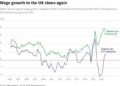
For a significant portion of the population, managing the cost of living has become an increasingly difficult task. While inflation has gradually returned to pre-pandemic levels, wages have remained largely stagnant, and the prices of everyday goods continue to rise. This divergence has placed immense strain on households already facing tight budgets. The National Institute for Economic and Social Research has highlighted that even modest fluctuations in household costs can have substantial repercussions on low-income families, many of whom are already struggling to make ends meet.

Recent studies underscore the extent of these challenges. Research from the Trussell Trust reveals that around 14 million adults in the UK are going without sufficient food simply because they cannot afford it. This alarming figure points to a broader issue of financial insecurity affecting a significant portion of the population. In parallel, energy arrears have more than doubled over the past five years, reaching £3.9 billion at the close of 2024. Rising energy costs, combined with stagnating wages, continue to exacerbate the financial pressures faced by households, particularly as the winter months approach.
The Joseph Rowntree Foundation has further highlighted the long-term impact of these trends, indicating that low-income families are on track for the most severe fall in living standards on record by the next general election in 2029. With the cost of housing, utilities, and essential goods remaining high, millions are increasingly reliant on state support to maintain a basic standard of living.
Against this backdrop, the state benefits system remains a crucial lifeline for many. Currently, approximately 24 million people in the UK claim some form of Department for Work and Pensions (DWP)-administered benefits, representing roughly one in three residents. These benefits span a wide range of programs, from universal credit to pension credits, child benefit, and housing support. Despite this extensive network of support, research by Policy in Practice indicates that an estimated £24 billion worth of benefits goes unclaimed each year. This gap suggests that many households are either unaware of their entitlements or find the claims process too complex to navigate effectively. Experts encourage families to utilize available online calculators and advisory tools to ensure they receive all the support they are eligible for, particularly in light of rising living costs.
October 2025 also marks the continuation of the UK government’s efforts to provide accessible childcare to working families. As of 1 September 2025, all working parents became eligible for 30 hours of free childcare per week for children up to the age of four. This follows a phased expansion that began in April 2024, aiming to reduce the financial burden of childcare while supporting parental employment. Parents must apply online and reconfirm eligibility every three months in preparation for each school term. In addition to free childcare, families can apply for tax-free childcare, which allows parents to reclaim 20p for every 80p they spend on childcare, up to a maximum of £500 per child per year. This initiative provides tangible financial relief to thousands of families, ensuring that work commitments do not come at the expense of early childhood development.
Energy costs remain a particularly pressing concern as households prepare for the colder months. Ofgem, the UK’s energy regulator, has announced a modest rise in the energy price cap for October, increasing the annual maximum bill from £1,720 to £1,755—a £35 increase. While this follows a notable seven per cent decrease in the preceding quarter, when the cap fell from £1,849 to £1,720, households are nonetheless feeling the cumulative effect of fluctuating energy prices over the year. The energy price cap defines the maximum amount suppliers can charge customers on standard variable tariffs, which cover the majority of UK households. The cap is designed to protect consumers, ensuring that prices remain predictable and shielding them from excessive spikes in energy costs.
Government officials have emphasised the importance of preparing for the winter season by claiming all eligible support, particularly for households vulnerable to rising energy bills. They advise early engagement with benefits programs and local support services to avoid potential financial shortfalls. Many councils and community organizations across the UK are actively providing guidance to residents on accessing both state and charitable support for energy costs, food provision, and childcare assistance.
In parallel with the energy price adjustments, families continue to grapple with a wide array of cost-of-living pressures. Essential items such as groceries, household supplies, and transportation remain more expensive than many households can comfortably afford. Analysts suggest that these cumulative pressures contribute to a cycle of debt for many, as individuals seek to cover basic needs while juggling other financial obligations. Experts note that the combination of stagnant wages, rising costs, and partial reliance on unclaimed benefits has created a situation where careful planning and awareness of entitlements is more critical than ever.

The government has also highlighted the role of benefit payments in mitigating the impact of rising costs. October marks a series of scheduled payments for benefits and pensions, with timing varying according to individual circumstances. Pensioners, working-age families, and recipients of disability support all rely on these payments to manage household budgets and cover essential expenses. Public information campaigns and online resources are being promoted to ensure recipients are aware of when funds will be available and how to claim additional support if necessary.
Looking ahead, the financial challenges faced by UK households are unlikely to abate immediately. Economists anticipate ongoing pressures from energy markets, inflationary trends, and the cumulative impact of past cost-of-living increases. However, by combining timely benefit claims, tax relief measures, and access to subsidized services such as childcare, households may find pathways to reduce some of the financial strain. Advocacy groups continue to press the government to streamline the claims process, enhance public awareness of entitlements, and provide targeted support for the most vulnerable citizens, particularly during the winter months.
Ultimately, October 2025 represents a critical period for millions of households navigating the intersection of benefits, pensions, and rising costs. While support mechanisms exist, awareness and proactive engagement are key to ensuring that individuals can access the full range of assistance available. As the colder months approach, timely claims, careful financial planning, and leveraging both state and community resources remain essential for maintaining stability and safeguarding wellbeing across the nation.
Related News:
 UK Retail Sales Rise in August, but Tax Concerns Loom Over Festive Period
 UK Wage Growth Remains High, But Cost of Living Pressures Bite
 Dagenham Left in Limbo After Smithfield and Billingsgate Market Relocation Cancelled
 Real living wage set to rise nearly 7% for UK workers in 2026
 Court Hears Challenge Over Water Bills Funding Sewage Fixes
 MPs Warn Thousands Still Face Poverty Despite Labour’s Welfare Reform Retreat
 Bank of England Poised to Cut Interest Rates Amid Rising Unemployment and Global Trade Pressures
 Non-Dom Tax Crackdown Risks Backfiring as Exodus Threatens UK Revenue and Investment
 It Shouldn’t Be Like This: Full-Time Workers in Cannock Chase Rely on Food Handouts Amid Cost of Living Crisis
 Labour Members Push for Wealth Tax as Public Finance Crisis Deepens
 Over 65? Gardening Instincts Can Help You Spot Financial Fraud
 Inflation Latest: Cost of Living Expected to Rise Again in Key Figures Released Today
 EuroMillions Record-Breaking £210m Jackpot Won by Lucky Lottery Ticket Holder
 Energy Users Could Save £5bn Annually if Gas Power Plants Are Removed from Market
 Retail Sales See Uptick Amid Errors and Delays as ONS Faces Scrutiny
 UK House Prices Hit Record £299,331 as Market Shows Steady Growth
Shein UK Faces Allegations of Shifting Majority of Profits to Singapore to Reduce UK Tax
UK House Prices Hit Record £299,331 as Market Shows Steady Growth
Shein UK Faces Allegations of Shifting Majority of Profits to Singapore to Reduce UK Tax
 Vodafone Faces Fourth Probe into Franchising Division Amid £120m Legal Battle
 John Lewis Partnership Posts £88m Loss as Costs and Restructuring Bite
 UK Economy Flatlines in July, Raising Pressure on Rachel Reeves Ahead of Autumn Budget
Business Rates Hike Could Threaten Hundreds of UK Retailers, Putting 100,000 Jobs at Risk
UK Economy Flatlines in July, Raising Pressure on Rachel Reeves Ahead of Autumn Budget
Business Rates Hike Could Threaten Hundreds of UK Retailers, Putting 100,000 Jobs at Risk
 Rachel Reeves Hosts Top UK and US Financial Executives as Trump’s State Visit Begins
 UK Labour Market Shows Signs of Cooling as Wage Growth Slows and Redundancies Rise
UK Inflation Holds Steady at 3.8% as Rising Fuel Costs Offset Falling Air Fares
UK Labour Market Shows Signs of Cooling as Wage Growth Slows and Redundancies Rise
UK Inflation Holds Steady at 3.8% as Rising Fuel Costs Offset Falling Air Fares
 Ben & Jerry’s Co-Founder Resigns, Accusing Unilever of Silencing Brand’s Social Mission
 Resolution Foundation Chief Urges Chancellor Reeves to Rethink Budget Before November
 UK Borrowing Surges to £18bn in August, Exceeding Forecasts
 Farage’s Reform UK Receives £100,000 from Design Firm with Past Tax Issues
Rachel Reeves Faces Criticism Over Appearance at Gambling Industry Event Amid Tax Review
Farage’s Reform UK Receives £100,000 from Design Firm with Past Tax Issues
Rachel Reeves Faces Criticism Over Appearance at Gambling Industry Event Amid Tax Review
 Public Skepticism Over AI Poses Challenge to UK’s Superpower Ambitions, Says Tony Blair Institute
 Gatwick Secures Approval for £2.2bn Second Runway Expansion
 Retailers Warn Tax Rises Could Prolong Inflation as Shop Prices Climb
 Marks & Spencer Staff to Work on Boxing Day for First Time in Five Years Amid Cost-Cutting Measures
UK Housing Market Returns to Growth Amid Signs of Stability and Regional Variation
Marks & Spencer Staff to Work on Boxing Day for First Time in Five Years Amid Cost-Cutting Measures
UK Housing Market Returns to Growth Amid Signs of Stability and Regional Variation
 UK Government Secures £122m Win Against Michelle Mone-Linked Firm Over Defective PPE
 Richard Desmond Begins High Court Battle Over National Lottery Licence
 Delivery Apps Could Double the Cost of Your Groceries, Warns Consumer Watchdog
 Jaguar Land Rover to Resume Production After Cyber-Attack, Launches Supplier Support Scheme
 Kemi Badenoch Unveils ‘Golden Rule’ to Halve Spending Cuts for Deficit Reduction at Tory Conference
 Gold Hits Historic $4,000 Amid Global Uncertainty
 Millions Face Higher Water Bills After Regulator Approves Hikes
 UK GDP edges up 0.1% in August as Reeves faces budget pressure
 Rachel Reeves urged to consider welfare cuts to boost fiscal credibility
 UK inflation update: New rate expected as Budget approaches
 Co-op Urged Staff to Promote Vapes After Cyber-Attack Hit Sales
 Lotto result jackpot draw halted due to technical glitch
 Rachel Reeves to lead UK trade push in Saudi Arabia amid rights debate
 Starmer Faces Pressure as Tax Promises Come Under Question
 UK Small Business Owner to Challenge L’Oréal in Tribunal
 Rachel Reeves Eyes 20% Tax on Assets for UK Departures
 Millions of Brits Adjust Lifestyle to Afford Essentials
Thinktanks Urge Rachel Reeves to Reform UK Tax System
Millions of Brits Adjust Lifestyle to Afford Essentials
Thinktanks Urge Rachel Reeves to Reform UK Tax System
 Tony Blair think tank warns Rachel Reeves must cut taxes if manifesto broken
MPs Press Rachel Reeves to Hike Gambling Taxes
Tony Blair think tank warns Rachel Reeves must cut taxes if manifesto broken
MPs Press Rachel Reeves to Hike Gambling Taxes
 Labour Urged to Honour Tax Pledges Ahead of Budget
 Crisis charity to become landlord amid UK housing emergency
 Warning as Britons prepare to spend £4 billion this Black Friday
 Troubled drinks giant Diageo names former Tesco boss to lead turnaround push
 Global markets drop amid tech sell-off and China slowdown
 UK Energy Bills to Rise Slightly in January
 UK Government Borrowing Higher Than Expected
Reeves to Crack Down on Benefit Fraud While Lifting Two-Child Limit
UK Government Borrowing Higher Than Expected
Reeves to Crack Down on Benefit Fraud While Lifting Two-Child Limit
 Minister Denies Budget Leaks Have Harmed UK Economy
 Budget 2025: Reeves Drops Economic Growth Reference
 Expanded Version – Black Friday Shoppers Warned Over ‘Dud Deals’
 Black Friday Footfall Falls as UK Shoppers Hold Back Amid Economic Concerns
 Rising Water Bills Lift Troubled Thames Back to Profit
 UK Banks Granted Reprieve as BoE Delays Basel III Capital Rules Until 2028
 Heartbreak in the New Forest as Shetland Ponies Vanish, Community on Edge
 Birmingham Bin Strike Enters Sixth Month as Negotiations Stall
 Over 40% of Private Renters Forced to Ration Energy to Afford Bills, Study Reveals
 Ministry of Justice fails to file £11bn in spending receipts
 Hospice Cuts Raise Alarm Across England Amid Funding Crisis
 Green Party Surges Past Labour in Latest UK Poll
 Children to Learn Local History in Major Curriculum Overhaul
 Prince William Plants Trees with Brazil’s Nature Heroes
 Son Reveals UK Couple in Iran Resort to Hunger Strike for Help
 ‘Traumatic Wait’: Northern Ireland Women Face Breast Cancer Delays
 Fibromyalgia Patients Struggle as NHS Fails to Provide Care
 Virgin Media Fined £23.8m Over Telecare Safety Failures