Published: 29th July 2025 | The English Chronicle Online
Prime Minister Sir Keir Starmer has refused to give a clear assurance that his government will stick to its key tax promises, raising speculation that Labour could break its election commitments in the upcoming Budget.
During Prime Minister’s Questions, Sir Keir avoided repeating the specific pledge not to raise income tax rates, Value Added Tax (VAT), or National Insurance. Conservative leader Kemi Badenoch immediately seized on his silence, arguing that this was a clear sign that tax rises were being prepared behind the scenes. She accused the Labour government of being “too weak” to control public spending, forcing it to raise taxes instead.
The issue comes at a sensitive time for the government, as Chancellor Rachel Reeves prepares for the 26 November Budget. After a series of difficult economic forecasts and recent reversals on welfare cuts, the chancellor is believed to be facing a large financial shortfall. Many in Westminster now believe she will have little choice but to raise taxes to balance the books.
Just a few months ago, Sir Keir had firmly stated that his party would honour all of its tax commitments. When pressed by Badenoch in July, he had answered “yes” without hesitation, confirming that the manifesto promises still stood. Ministers also repeated in late July that “the manifesto stands today.” However, when asked the same question again this week, Sir Keir avoided a direct answer, saying only that the government would “lay out our plans” during the Budget next month.

Badenoch mocked the prime minister for his apparent change of stance, pointing out that he had once given his earlier assurance with a “smug grin.” She asked pointedly, “What’s changed in the past four months?”
Following the exchange, Downing Street’s spokeswoman also declined to repeat the no-tax-rise pledge, insisting she could not “pre-empt” the Budget.
Labour’s 2024 election manifesto had pledged not to raise the basic, higher or additional rates of income tax, or National Insurance. It also promised not to increase VAT, although the exact scope of that promise—such as whether it applied to VAT thresholds or which goods are covered—was never fully clarified.
However, these commitments have left Chancellor Reeves with very limited options for raising revenue. Analysts say the ban on increasing these three major taxes severely restricts her ability to generate the funds needed to meet her fiscal rules. One option still available to her is to extend the freeze on income tax thresholds, which was originally due to end in 2028. If that freeze continues, rising wages will push more people into higher tax bands, effectively increasing the government’s income without formally changing tax rates.
Some senior Labour members have reportedly advised Reeves to consider modest income tax increases now, early in the parliamentary term. They argue that it is politically safer to act before the next election and that a broader tax rise would raise substantial revenue without singling out any one group. Others within the party, however, are deeply concerned. They fear that such a move would represent a serious breach of faith with voters and could weaken confidence in the government’s integrity. There are also worries that higher taxes could further slow economic growth at a time when Britain’s recovery remains fragile.
This latest controversy follows earlier tax rises introduced by Reeves during her first Budget last November, when she raised employer National Insurance contributions, bringing in around £40 billion a year. At that time, she promised not to repeat the measure, but recent developments suggest that the government may again be preparing for difficult fiscal decisions.
The situation has been made more complicated by reports that the Office for Budget Responsibility (OBR) will downgrade its forecasts for productivity in the UK economy. This would leave the government facing an additional £20 billion gap in its plans to meet its tax and spending rules.
During this week’s heated parliamentary exchanges, Sir Keir sought to shift blame to the previous Conservative governments, accusing them of inflicting lasting harm on the economy through austerity, Brexit, and the disastrous mini-Budget introduced by former Prime Minister Liz Truss in 2022. He said the OBR’s new forecast revealed “the true extent of the damage” done by years of Conservative mismanagement.

Badenoch rejected this explanation, claiming that Labour was attempting to hide its own failures behind old excuses. She accused Starmer of being more willing to “dip into people’s pockets” than confront his own MPs by cutting welfare spending. “He’s blaming us, he’s blaming the OBR, and last week he was blaming Brexit,” she said. “Isn’t the truth that with this prime minister, it’s always someone else’s fault?”
With just weeks to go before the November Budget, the government is now under growing pressure to clarify its plans. The coming month will test whether Labour intends to honour the promises it made to voters—or whether the reality of the UK’s economic challenges will force Sir Keir and Rachel Reeves to make difficult and politically costly choices.
Report by The English Chronicle Desk
Related News:
 Bank of England Poised to Cut Interest Rates Amid Rising Unemployment and Global Trade Pressures
 Non-Dom Tax Crackdown Risks Backfiring as Exodus Threatens UK Revenue and Investment
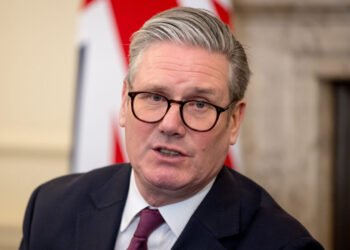 Labour Members Push for Wealth Tax as Public Finance Crisis Deepens
 Inflation Latest: Cost of Living Expected to Rise Again in Key Figures Released Today
 Energy Users Could Save £5bn Annually if Gas Power Plants Are Removed from Market
 Retail Sales See Uptick Amid Errors and Delays as ONS Faces Scrutiny
 UK House Prices Hit Record £299,331 as Market Shows Steady Growth
Shein UK Faces Allegations of Shifting Majority of Profits to Singapore to Reduce UK Tax
UK House Prices Hit Record £299,331 as Market Shows Steady Growth
Shein UK Faces Allegations of Shifting Majority of Profits to Singapore to Reduce UK Tax
 UK Retail Sales Rise in August, but Tax Concerns Loom Over Festive Period
 Vodafone Faces Fourth Probe into Franchising Division Amid £120m Legal Battle
 John Lewis Partnership Posts £88m Loss as Costs and Restructuring Bite
 UK Economy Flatlines in July, Raising Pressure on Rachel Reeves Ahead of Autumn Budget
Business Rates Hike Could Threaten Hundreds of UK Retailers, Putting 100,000 Jobs at Risk
UK Economy Flatlines in July, Raising Pressure on Rachel Reeves Ahead of Autumn Budget
Business Rates Hike Could Threaten Hundreds of UK Retailers, Putting 100,000 Jobs at Risk
 Rachel Reeves Hosts Top UK and US Financial Executives as Trump’s State Visit Begins
 UK Labour Market Shows Signs of Cooling as Wage Growth Slows and Redundancies Rise
 UK Wage Growth Remains High, But Cost of Living Pressures Bite
UK Inflation Holds Steady at 3.8% as Rising Fuel Costs Offset Falling Air Fares
UK Wage Growth Remains High, But Cost of Living Pressures Bite
UK Inflation Holds Steady at 3.8% as Rising Fuel Costs Offset Falling Air Fares
 Ben & Jerry’s Co-Founder Resigns, Accusing Unilever of Silencing Brand’s Social Mission
 Resolution Foundation Chief Urges Chancellor Reeves to Rethink Budget Before November
 UK Borrowing Surges to £18bn in August, Exceeding Forecasts
 Farage’s Reform UK Receives £100,000 from Design Firm with Past Tax Issues
Rachel Reeves Faces Criticism Over Appearance at Gambling Industry Event Amid Tax Review
Farage’s Reform UK Receives £100,000 from Design Firm with Past Tax Issues
Rachel Reeves Faces Criticism Over Appearance at Gambling Industry Event Amid Tax Review
 Dagenham Left in Limbo After Smithfield and Billingsgate Market Relocation Cancelled
 Public Skepticism Over AI Poses Challenge to UK’s Superpower Ambitions, Says Tony Blair Institute
 Gatwick Secures Approval for £2.2bn Second Runway Expansion
 Retailers Warn Tax Rises Could Prolong Inflation as Shop Prices Climb
UK Housing Market Returns to Growth Amid Signs of Stability and Regional Variation
Retailers Warn Tax Rises Could Prolong Inflation as Shop Prices Climb
UK Housing Market Returns to Growth Amid Signs of Stability and Regional Variation
 Richard Desmond Begins High Court Battle Over National Lottery Licence
 UK households brace for October benefit payments and rising energy costs amid cost-of-living pressures
 Delivery Apps Could Double the Cost of Your Groceries, Warns Consumer Watchdog
 Jaguar Land Rover to Resume Production After Cyber-Attack, Launches Supplier Support Scheme
 Kemi Badenoch Unveils ‘Golden Rule’ to Halve Spending Cuts for Deficit Reduction at Tory Conference
 Gold Hits Historic $4,000 Amid Global Uncertainty
 UK GDP edges up 0.1% in August as Reeves faces budget pressure
 Rachel Reeves urged to consider welfare cuts to boost fiscal credibility
 UK inflation update: New rate expected as Budget approaches
 Real living wage set to rise nearly 7% for UK workers in 2026
 Co-op Urged Staff to Promote Vapes After Cyber-Attack Hit Sales
 Rachel Reeves to lead UK trade push in Saudi Arabia amid rights debate
 UK Small Business Owner to Challenge L’Oréal in Tribunal
 Rachel Reeves Eyes 20% Tax on Assets for UK Departures
 Court Hears Challenge Over Water Bills Funding Sewage Fixes
 Millions of Brits Adjust Lifestyle to Afford Essentials
Thinktanks Urge Rachel Reeves to Reform UK Tax System
Millions of Brits Adjust Lifestyle to Afford Essentials
Thinktanks Urge Rachel Reeves to Reform UK Tax System
 Tony Blair think tank warns Rachel Reeves must cut taxes if manifesto broken
MPs Press Rachel Reeves to Hike Gambling Taxes
Tony Blair think tank warns Rachel Reeves must cut taxes if manifesto broken
MPs Press Rachel Reeves to Hike Gambling Taxes
 Labour Urged to Honour Tax Pledges Ahead of Budget
 Warning as Britons prepare to spend £4 billion this Black Friday
 Troubled drinks giant Diageo names former Tesco boss to lead turnaround push
 Global markets drop amid tech sell-off and China slowdown
 UK Government Borrowing Higher Than Expected
 Minister Denies Budget Leaks Have Harmed UK Economy
 Budget 2025: Reeves Drops Economic Growth Reference
 Expanded Version – Black Friday Shoppers Warned Over ‘Dud Deals’
 Black Friday Footfall Falls as UK Shoppers Hold Back Amid Economic Concerns
 Rising Water Bills Lift Troubled Thames Back to Profit
 UK Banks Granted Reprieve as BoE Delays Basel III Capital Rules Until 2028
 UK Inflation Climbs to 3.6% as Food and Fuel Prices Squeeze Households
 UK Economy Defies Expectations with Stronger-than-Predicted Growth in Second Quarter
 Rayner Faces Scrutiny as Taxpayer Costs for Trade Union Reps Soar Under Her Watch
 Martin Lewis Warns Millions May Be Owed Car Finance Compensation Under FCA Review
 Chancellor Faces Mounting Pressure Amid “Impossible Trilemma” Over Tax Rises
 Money Problem: ‘My husband is freelance and in hospital – how can I make sure we don’t lose our home?’
 China’s crackdown on civil servant perks sparks economic concerns
 Larger Families Could Gain Thousands if Labour Ends Two-Child Benefit Cap
 EuroMillions Record-Breaking £210m Jackpot Won by Lucky Lottery Ticket Holder
 Rising Food Bank Dependence Highlights Deepening Hardship Across the UK
 UK Graduates in Healthcare Report Highest Satisfaction with Degree Choices
 Vodafone Franchisees Sound Alarm: Mental Health Toll of Commission Cuts Revealed Years Before £120m Court Battle
 UK Government Backs Return of International Rail Travel to Kent Stations
 GSK Chief Executive Emma Walmsley to Step Down After Eight Years at the Helm
 Marks & Spencer Staff to Work on Boxing Day for First Time in Five Years Amid Cost-Cutting Measures
 Ministry of Justice fails to file £11bn in spending receipts
 Fed Cuts US Interest Rates Again Amid Labour Market Uncertainty
 Green Party Surges Past Labour in Latest UK Poll
 Celebrities and Charities Demand UK Government Act on Child Poverty
 PM Highlights UK Business at G20 in South Africa
 Mossmorran Plant Closure Hits Cowdenbeath Hard
 Steel billionaire Lakshmi Mittal reportedly leaves UK
 Tesla Warns UK That Weak EV Rules Could Threaten Sales