Published: 07 October 2025. The English Chronicle Desk.
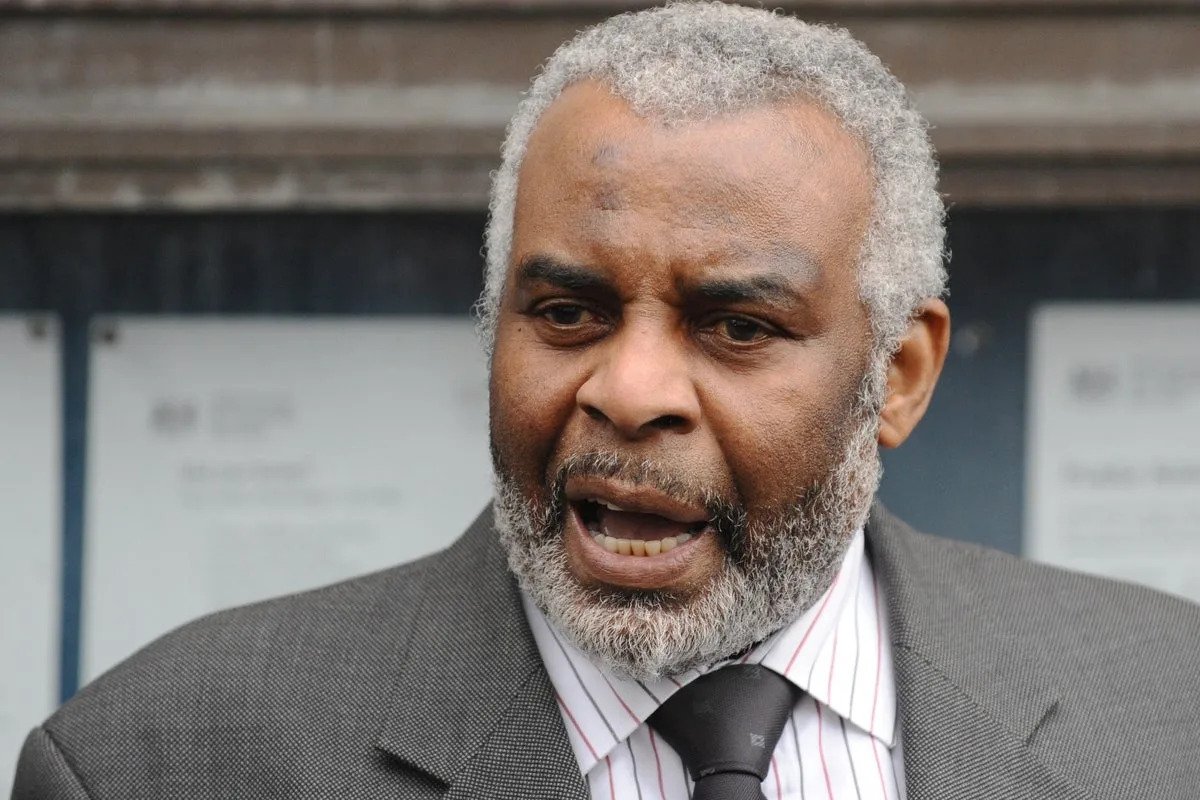
Neville Lawrence, the father of the late Stephen Lawrence, has called for full accountability from one of his son’s killers before any consideration of parole is made. David Norris, who was convicted of involvement in the racist murder of Stephen Lawrence, is set to appear before a Parole Board for the first time to request early release. At 49, Norris has served a life sentence with a minimum term of 14 years and three months, following the conviction in January 2012 — more than 18 years after the brutal killing of Stephen while he ran for a bus home in Eltham, south-east London, in April 1993.
The parole hearing will be conducted within a prison, but a video feed will be livestreamed to a courtroom at the Royal Courts of Justice. Norris will be visible only from the back of his head, as part of the arrangements permitting the hearing to take place publicly, a decision supported by the media and Stephen’s family. Neville Lawrence stated, “The more people that can see, the better,” emphasizing the importance of transparency in such a sensitive case.

Documents submitted ahead of the hearing reveal that Norris now acknowledges his presence at the scene but maintains that he only punched Stephen and was not responsible for the fatal stabbing. Neville Lawrence, however, stressed that true accountability requires Norris to identify the other members of the gang and clarify who inflicted the lethal blow. “It’s important for me because of what these people have done,” Lawrence said. “They ruined my life. They’ve caused me not to be able to live in this country. They’ve robbed me of the chance of seeing my son getting married, of having grandchildren. This man has robbed me of so much that there is no way I can even start to think that he should be allowed to walk free.”
Police investigations have indicated that Stephen was attacked by a gang of up to six individuals, only two of whom — David Norris and Gary Dobson — have been convicted. The convictions were secured at the Old Bailey through the use of advanced forensic techniques that identified tiny traces linking them to the crime. The remaining suspects, Jamie and Neil Acourt, have been convicted of unrelated drug offenses, Luke Knight remains unprosecuted for the murder, and a sixth suspect, Matthew White, passed away in 2021.
The College of Policing is currently reviewing the most recent stages of the investigation into Stephen Lawrence’s death following the convictions of Norris and Dobson, aiming to assess investigative procedures and ensure lessons are learned. Despite these efforts, Neville Lawrence has expressed frustration at what he perceives as the slow pace of justice. Over the years, he has indicated that he might have been willing to forgive if there had been genuine remorse. For him, the act of naming the remaining perpetrators would constitute a meaningful acknowledgment of wrongdoing and a sign of remorse from Norris. “If I was on that Parole Board, he would have to do that before I even think of him coming out,” he stated.
Neville Lawrence further emphasized the importance of transparency, suggesting that Norris publicly disclose the identities of the others present at the crime scene, particularly the individual who delivered the fatal stab. He also called for a public apology directed at the family for the life lost. “I don’t think he’ll make a public apology to us,” Lawrence admitted, “I may be biased, but I don’t think he should be able to walk the street free – my son can’t.”
The murder of Stephen Lawrence in 1993 was a watershed moment in British society, exposing deep-seated institutional racism within the Metropolitan Police and highlighting systemic failures in handling racially motivated crimes. During the initial investigation, allegations of incompetence and corruption, including links to Norris’s drug-dealing father, Clifford Norris, hampered progress. Compounding public outrage, it later emerged that undercover police officers had monitored justice campaigners supporting the Lawrence family.

A landmark public inquiry in 1999 formally concluded that the Metropolitan Police was institutionally racist, a finding that reshaped policing policies and fueled a national conversation on race, justice, and accountability. Despite the passage of decades, the case continues to resonate, symbolizing both the consequences of unchecked institutional prejudice and the ongoing struggle for justice.
As David Norris prepares for his parole hearing, the eyes of the public, the media, and the Lawrence family remain fixed firmly on the proceedings. The question of whether he will take responsibility beyond his own actions, potentially naming accomplices and acknowledging the full scope of his role, remains central to discussions about parole eligibility and the broader pursuit of justice for Stephen Lawrence.
Neville Lawrence’s statements underscore the enduring pain and the continued demand for accountability in one of the most notorious cases of racially motivated violence in the United Kingdom. His insistence that Norris confront the full truth before being considered for release reflects a broader societal imperative: that justice is not merely about serving a sentence, but also about acknowledging harm, fostering accountability, and addressing the needs of those left bereaved by the crime.
Related News:
 Tasers Introduced in UK Prisons to Combat Rising Violence and Protect Staff
 UK Government Unveils Tough Crackdown on Social Media Ads Promoting Illegal Channel Crossings
 Police Prepare for Potential Disorder as Far-Right Groups Promote Anti-Migrant Protests Across England
 Mass Arrests in London as Protest Defies Ban on Palestine Action
 Police Advised to Disclose Ethnicity of Suspects in High-Profile Cases
UK police plans to reveal suspects’ ethnicity spark fears of “dog-whistle politics”
Police Advised to Disclose Ethnicity of Suspects in High-Profile Cases
UK police plans to reveal suspects’ ethnicity spark fears of “dog-whistle politics”
 UK Police Face ‘Chronic Pressure’ Amid Surge in Protests Over Asylum and Gaza
 Graffiti Targeting Angela Rayner Removed After Resident Foots the Bill
 Peter Mandelson Referred to Jeffrey Epstein as ‘My Best Pal’ in 50th Birthday Letter
 Peter Mandelson’s Letter to Jeffrey Epstein Sparks Renewed Scrutiny
 Charlie Kirk Killing Used to Mobilise UK’s Largest Far-Right Rally in Decades
 Far-Right Facebook Groups Fuel Radicalisation in the UK, Investigation Reveals
 Metropolitan Police Considers Requiring Officers to Declare Freemasonry Membership
 UK Police to Gain New Powers to Manage Repeated Protests, Home Office Announces
 Starmer Condemns 7 October Student Protests as ‘Un-British’
 Teen and Man Arrested Over Nursery Cyber Attack Exposing 8,000 Children
 UK Charities Warn Rising Hate Threatens Staff Safety
 Agnes Wanjiru’s niece urges Labour to expedite ex-soldier’s extradition
 Southport rioter dies in cell after prison disciplinary charge
 Starmer’s grooming gang inquiry in turmoil after two survivors quit
 Reform Councillor Defects to Tories Over ‘Uncomfortable’ Policies
 FBI Director Kash Patel Defends Girlfriend Amid Government Jet Claims
 French Taxi Driver Cleared in David Lammy Theft Case After Fare Dispute
 Company linked to Michelle Mone owes £39m in tax
 Met Police Culture Makes Racial Harm ‘Inevitable’
 Eleven Arrested After Pro-Palestine Protest at Villa Match
 ‘Reckless’ cuts to victims’ services will cost more than they save
 British state supplied victims to ‘worst sex offender in history’
 New review urges UK to repatriate Shamima Begum, others from Syria
 Victims’ commissioner Baroness Newlove dies aged 63
 UK Candidate Moved to Safe House After Election Threats
 Ex-Classmate Accuses Farage of Dishonesty on Racism Claims
 Ex-Brexit MEP Rejects Claim of Pro-Russia Payments
 UK Must Act with Courage and Clarity on Israel-Palestine Conflict, Says Foreign Affairs Committee Report
 Targeted Attack in Bury Sparks Murder Investigation as Community Awaits Justice
 Man Remanded After Children Fall Ill at Leicestershire Summer Camp in Shocking Child Cruelty Case
 Chancellor Faces Mounting Pressure Amid “Impossible Trilemma” Over Tax Rises
 Radioactive Leak at UK’s Nuclear Warhead Base Sparks Outcry Over Safety and Secrecy
 Mutual Inconvenience: Why Alaska Was Chosen for the Trump-Putin Summit on Ukraine
 UK Government Expands ‘Deport Now, Appeal Later’ Policy to 23 Countries
 Chancellor Rachel Reeves Pushes for Sweeping Changes to Environmental Protections to Accelerate Development
 Larger Families Could Gain Thousands if Labour Ends Two-Child Benefit Cap
 Merseyside Police Helicopter Crew Cleared After Low-Altitude Pursuit of Suspect
 Is the UK Ready to Put Boots on the Ground in Ukraine? Assessing Military Capacity and Challenges
Palestine Action Ban Protesters Plan Tactic to Overwhelm Police at Next London Demonstration
Is the UK Ready to Put Boots on the Ground in Ukraine? Assessing Military Capacity and Challenges
Palestine Action Ban Protesters Plan Tactic to Overwhelm Police at Next London Demonstration
 Police Scotland Spends £500,000 Compensating Officers Over Trump Visit
 Britain’s Migration Challenge: Rising Asylum Numbers and Hotel Pressures
 Elon Musk Sparks New Controversy by Backing Tommy Robinson Amid Farage Feud
 Urgent Action Needed on Windrush Compensation as Survivors Speak of “Waiting to Die”
 Tanni Grey-Thompson Faces Abuse Over Opposition to Assisted Dying Bill
 TfL Invites RMT to Resume Talks as London Tube Strikes End
 Prime Suspect in Madeleine McCann Case Declines Metropolitan Police Interview Ahead of German Prison Release
 Zarah Sultana Seeks Legal Action After Bitter Clash with Jeremy Corbyn Over Party Membership Funds
 Nigel Farage Unveils Controversial Immigration and Welfare Plans at Reform UK Press Conference
 Mahmood Pledges Reform of Modern Slavery Laws After Court Blocks Deportation Appeal
 Ed Miliband Warns UK Government on X, Citing Elon Musk as a “Dangerous Influence”
 No Evidence Found to Substantiate Alleged Rape in Oxfordshire Churchyard, Police Confirm
 Digital ID Plans Ignite Debate Over £600m Treasury Tax Boost and Privacy Concerns
 Public Trust in SNP Hits Historic Low Amid NHS Concerns
 Yvette Cooper Backs Digital ID Plan for UK Teens
 Ian Watkins Killed in Prison; Ex-Girlfriend Speaks Out
 Johnson Suggests Mandelson Linked to China Spy Controversy
 Ministry of Justice fails to file £11bn in spending receipts
 Rachel Reeves signals welfare reform ahead of key budget
 Reform UK candidate fined £19,000 after using AI-generated cases to challenge election
 William Steps Up Over Prince Andrew Palace Response
 Green Party Surges Past Labour in Latest UK Poll
 Zarah Sultana Launches Party to Change Politics
 Mass Stabbing on Doncaster to London Train Leaves Ten Injured
 Just Stop Oil Protesters Convicted Amid Climate Defence Row
 How to get help when a child goes missing – call 999 urgently
 Starmer Faces Growing Dissent as Labour MPs Weigh Leadership Challenge
 Pressure Mounts on Starmer to Sack Chief of Staff Over Briefing Row
 Peers Flood Assisted Dying Bill with 942 Amendments
 Mother Watches in Horror as Teen Daughter Dies on Tracks
 Serial Rapist and Former Cop Found Guilty Again
 Venezuela Threatens Nobel Winner Machado with Fugitive Status
 Most Tories Expect to Support a Farage-Led Government
 Labour MP claims devolution bill is ‘blatant discrimination’ against Cornwall
 Millions Face Higher Taxes Under Reeves New Budget