Published: 13 October 2025. The English Chronicle Desk. The English Chronicle Online.
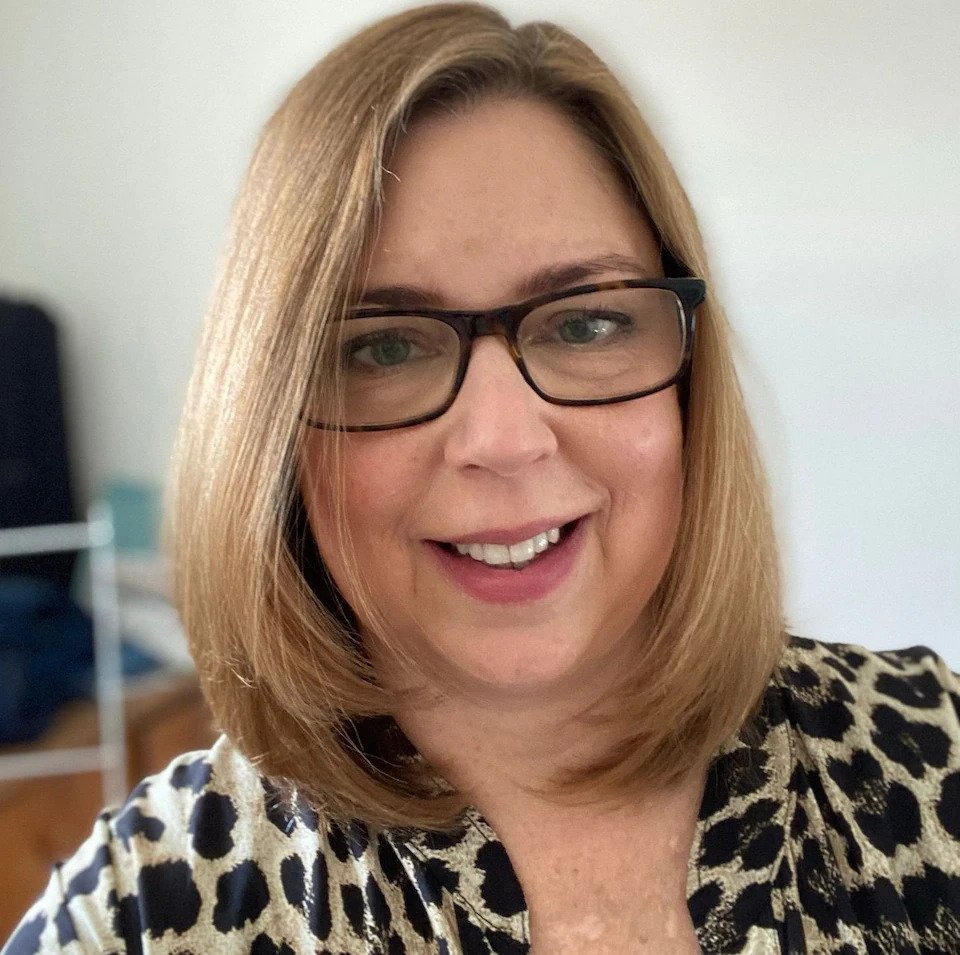
Katie Mitchell, the UK’s longest-surviving recipient of a combined heart and lung transplant, has spoken of the “gift of a normal life” that organ donation gave her, inspiring hope for others facing the challenges of life-saving surgery. Now 53, Mrs Mitchell underwent the groundbreaking procedure 38 years ago at just 15 years old, defying the odds in a medical journey that has become a remarkable testament to resilience and the power of transplantation.
Diagnosed with Eisenmenger Syndrome at the age of 11, Mrs Mitchell faced a rare congenital heart condition that caused high blood pressure in her pulmonary arteries, increasing resistance to blood flow through her lungs. Over time, the disease inflicted irreversible lung damage and severe heart failure, leaving doctors with little hope for her survival. By the age of 15, medics feared she was approaching the end of her life, a reality that makes her subsequent decades of health all the more extraordinary.
In September 1987, she received her transplant at Royal Papworth Hospital NHS Foundation Trust, a pioneering centre for cardiothoracic surgery. The procedure was only three years after Papworth carried out Europe’s first successful combined heart-lung transplant in 1984, reflecting both the rarity and complexity of such operations. Even today, only around five combined heart-lung transplants are performed annually in the UK, highlighting how exceptional Mrs Mitchell’s survival is.

“Thanks to organ donation, I was given the gift of a normal life,” Mrs Mitchell said. “I think about my donor a lot, especially on the anniversary of the transplant. I think about their family and what they must have felt at the time. I just know my donor was a young female. Her family made that decision at a terrible moment, and I am so grateful for their generosity.”
Mrs Mitchell, who is married and has a stepdaughter, has seen her life transformed by the transplant. Her health allowed her to pursue a fulfilling career, and she has become an inspiration to other transplant recipients, many of whom struggle with fears of organ rejection or the limited lifespan often predicted after such complex surgery.
In addition to her heart-lung transplant, Mrs Mitchell has also received two kidney transplants from deceased donors in 1994 and 2015, underscoring the ongoing challenges faced by transplant patients and the critical role of organ donation in sustaining life.
Reflecting on her longevity, she said: “I think my story is proof that organ donation and transplantation works and that you can live a normal life. I don’t really know why it has worked so well for me—perhaps the immunosuppressants suit me. Everyone reacts differently to medications, and each patient has their own regimen. It’s been a blessing to have all this extra time.”
Mrs Mitchell also highlighted the impact her journey has had on other transplant recipients. “I went to an event at Papworth recently and met young women who had undergone heart-lung transplants. Seeing me and other long-term survivors gave them hope. Very often, people are told they might only have five or ten years after a transplant. Showing them that life can continue beyond that timeframe can make a real difference.”
Her story comes as NHS Blood and Transplant encourages people across the UK to confirm their support for organ donation on the NHS Organ Donor Register. Anthony Clarkson, director of organ and tissue donation and transplantation at NHS Blood and Transplant, emphasised the wider significance of Mrs Mitchell’s survival.
“Combined heart and lung transplants are rare, highly complex, and carry a greater risk of organ rejection,” Clarkson said. “Katie’s truly exceptional story shows the transformative impact of organ donation. Most of us would accept an organ if needed, yet sadly, there are not enough donors. Katie’s donor family gave her a chance when she had no other options. If you confirm your decision to donate on the NHS Organ Donor Register, that two-minute decision could save up to nine lives. It is one of the most important things you can do today.”
Surgical lead for transplant at Royal Papworth Hospital, Marius Berman, echoed these sentiments, praising Mrs Mitchell’s resilience and the continued success of her transplant. “It is fantastic to see Katie living life to the full, 38 years on from her transplant. Her journey reflects the skill and dedication of NHS teams, the generosity of donors, and the remarkable resilience of patients. It offers hope to those currently on the transplant waiting list and serves as a powerful reminder of the life-saving potential of organ donation.”
Mrs Mitchell’s longevity is extraordinary, not just for its length but for its quality of life. Despite the complexity of her transplant, she has been able to work, build a family, and inspire others facing similar medical challenges. Her story demonstrates the critical importance of continued medical research, ongoing improvements in transplant procedures, and the careful management of post-operative care, including immunosuppressant medication and monitoring for organ rejection.
The UK currently has 8,124 people on the transplant waiting list, with just 12 waiting for a heart-lung transplant, illustrating the continued scarcity of available organs for patients in need. Each successful transplant highlights the life-changing potential of organ donation and underscores the vital importance of encouraging more people to register as donors.

In recounting her experiences, Mrs Mitchell expressed gratitude not only for the life-saving surgery she received but also for the broader transplant community that has supported her over the decades. “It is quite difficult to put into words how it feels to know I am now the longest-surviving heart-lung recipient in the UK. It’s a mixture of emotions. I have lost people I knew who had the same transplant, but I feel incredibly fortunate to have had all this extra time.”
She hopes her story will inspire others to consider organ donation and give the gift of life to someone in need. Her personal testimony reinforces the message that transplants can provide long-term survival and a return to normal life, even in cases considered high risk or highly complex.
The dedication of NHS teams, combined with the generosity of donor families, remains central to the success of transplantation in the UK. As surgical techniques, post-operative care, and immunosuppressive therapies continue to improve, stories like Mrs Mitchell’s will hopefully become less rare, offering hope and reassurance to patients and their families.
“Every patient’s journey is unique, and not all will experience the same outcome, but Katie’s story is proof that, with the right care and the gift of a donor organ, a full and meaningful life is possible,” Berman added.
Mrs Mitchell’s experience demonstrates the tangible impact organ donation can have, not just in prolonging life but in enabling recipients to thrive, pursue careers, and inspire future generations of transplant patients. Her remarkable survival stands as a symbol of hope, resilience, and the profound difference that organ donation can make.
Related News:
 Breakthrough Clinical Trial Lets 12-Year-Old Boy with Rare Skin Disorder Play Football
 Expanded Access to Health Diagnostics in England Now Available Beyond Standard Hours
 Shocking Rise in Children’s Exposure to Violent Online Pornography Raises Alarm
 Majority of UK Men Would Opt for Prostate Cancer Screening, Survey Finds
 Experts Urge Legal Right to Timely Cancer Care
 North Sea oil workers must lose weight or face job loss
 No link found between paracetamol in pregnancy and autism
 Coffins Now Too Large to Cremate Amid Rising Obesity Crisis
 The Ketamine Crisis in the UK is a Silent Epidemic Leaving Users with Lifelong Pain
 UK Launches World-First Gonorrhoea Vaccine Amid Record Infection Surge
 Woman Warned She Might Need Leg Amputation to Survive After Liquid Brazilian Butt Lift
 AI Tools Used by English Councils Found to Downplay Women’s Health Issues, Raising Concerns Over Gender Bias in Care
 Alarming rise in abusive teen relationships in the UK sparks urgent warnings
 Over 65? Gardening Instincts Can Help You Spot Financial Fraud
 Inquest Finds Agency Worker Failings Led to Unlawful Death of Vulnerable 14-Year-Old
 Hot Tea and Coffee Found to Contain Highest Levels of Microplastics in Popular Drinks
 Martha’s Rule Now Fully Implemented Across All Acute Hospitals in England
 Why E-Bikes and E-Scooters Are Making Streets a ‘Nightmare’ for Blind People
 Council Proposes Limits on Ice Cream Van Music and Parking in South Cambridgeshire
 Norfolk Hospital Ranked Worst in England as NHS League Tables Return
 Britain’s Butterfly Numbers Rebound but Remain Average
 Ofsted Pushes Ahead with Controversial New Inspection Regime Despite Widespread Opposition
 More Than Half of UK Births Now Involve Medical Intervention
 NHS ‘Toxic Culture’ Risks Harm to Mothers and Babies, Health Leader Warns
 First Group of Children from Gaza Arrive in UK for Life-Saving NHS Treatment
 One in Three GPs in England Do Not Work in NHS, Raising Concerns Over Access to Care
 Persistent Offenders Owe Over £700m in Ulez Fines as TfL Cracks Down on Evasion
 UK Doctors Guilty of Sexual Misconduct Continue Practising Amid Weak Sanctions, Research Finds
 Private Psychology Costs Surge in UK as Practitioners Turn Away Clients Amid Record Demand
NHS Urged to Revamp Prostate Cancer Treatment for Black Men Amid Rising Death Toll
Private Psychology Costs Surge in UK as Practitioners Turn Away Clients Amid Record Demand
NHS Urged to Revamp Prostate Cancer Treatment for Black Men Amid Rising Death Toll
 Heavy Drinkers Lead Growth in Non-Alcoholic and Low-Alcohol Market
 Hackers Allegedly Steal Data of 8,000 Children from Kido Nursery Chain
 Omeprazole Alert: NHS Issues Guidance on Safe Use for Heartburn and Indigestion
 One Lap, 400 Miles, One Week: GP Sets Sights on Cornwall Perimeter Record Run
GPs in England Warn of Overload as Nationwide Online Appointment System Approaches
One Lap, 400 Miles, One Week: GP Sets Sights on Cornwall Perimeter Record Run
GPs in England Warn of Overload as Nationwide Online Appointment System Approaches
 Starmer Unveils Plan for NHS “Online Hospital” to Tackle Waiting Lists
 Tragic Death Strikes Half-Marathon in Stoke-on-Trent: Runner Dies Shortly After Crossing Finish Line
 Medical Cannabis Offers New Hope for British Women Struggling with Chronic Pain
 One in four UK residents fear a loved one drinks excessively as addiction concerns rise
 Eligibility Confusion Over COVID Vaccination Leaves Pharmacies Struggling Across the UK
 Scientists Announce First Potentially Accurate Blood Test for Chronic Fatigue Syndrome
One in Three UK Workers Call in Sick After Work Drinks as Cultural Pressures Persist, Survey Finds
Scientists Announce First Potentially Accurate Blood Test for Chronic Fatigue Syndrome
One in Three UK Workers Call in Sick After Work Drinks as Cultural Pressures Persist, Survey Finds
 NHS Facilities Staff Vote to Strike Over Pay Discrimination
 NHS May Pay 25% More for Medicines Amid US Drug Talks
 Survey Shows Most GPs Rushing Appointments
 Ambulance Worker Fired After Flinging Amputee from Wheelchair and Offering Bribe
 Women Challenge Meta Over Targeted Ads After Miscarriage
 Mum’s Final Wish: Donating Her Body to Science
 Genetic Tests May Predict Return of Blood Cancer
 Phillipson Warns Parents Over Poor Quality Online Advice
£18 Prostate Cancer Test Could Save Thousands of Lives
Phillipson Warns Parents Over Poor Quality Online Advice
£18 Prostate Cancer Test Could Save Thousands of Lives
 Thousands in the UK sue Johnson & Johnson over alleged talcum powder, linked to cancer
 New wearable UV detector aims to prevent sunburn
Pregnant Women in England Face Rising Risk of Severe Birth Injury
New wearable UV detector aims to prevent sunburn
Pregnant Women in England Face Rising Risk of Severe Birth Injury
 ‘Game-Changing’ HIV Prevention Jab Set for NHS Approval
 Runners’ records at risk as Garmin goes to war with Strava
 One in 12 Secondary Pupils Sent to Isolation Weekly
 Time to Turn Back the Clock: Celebrating Willett’s Legacy
 Mother dies after black market weight loss injection
 Young Woman Missed 13 Times by GPs Before Bowel Cancer Diagnosis
 UK Health Leaders Push for Urgent Tobacco & Vape Bill
 Man Trapped in Quicksand Rescued in Dramatic Coastal Rescue
 Hospice Cuts Raise Alarm Across England Amid Funding Crisis
Morning-After Pill Now Free Across England’s Pharmacies
Hospice Cuts Raise Alarm Across England Amid Funding Crisis
Morning-After Pill Now Free Across England’s Pharmacies
 How Bringing Forests Into Preschools Boosts Children’s Health
 Experts Warn on Home Birth Risks, Call for Skilled Midwives
 NHS Takes Over Nuffield Hospital in ‘Windfall’ for London Care
 Crisis charity to become landlord amid UK housing emergency
 NHS frontline staff forced to cover gaps as managers remain scarce
 UK Disability Pay Gap Means Millions Work for Free From Today
 Leading doctors issue warning amid ‘bad’ flu season
 New Research Explains Severe Diabetes in Children
Working-Class Men with Prostate Cancer Left Behind by NHS
New Research Explains Severe Diabetes in Children
Working-Class Men with Prostate Cancer Left Behind by NHS
 UK launches major AI drive to fight deadly superbugs
 ‘Traumatic Wait’: Northern Ireland Women Face Breast Cancer Delays
 Healthy Habits in Your 30s That Boost Life in Your 70s
 Thinktank Urges Smaller Hospitals to End NHS ‘Permacrisis’
 NHS paediatric leave parents waiting months for answers
 Fibromyalgia Patients Struggle as NHS Fails to Provide Care
 “Enough is Enough”: Local MP Vows to Fight Rainham Quarry Plans