Published: 03 December 2025. The English Chronicle Desk. The English Chronicle Online.
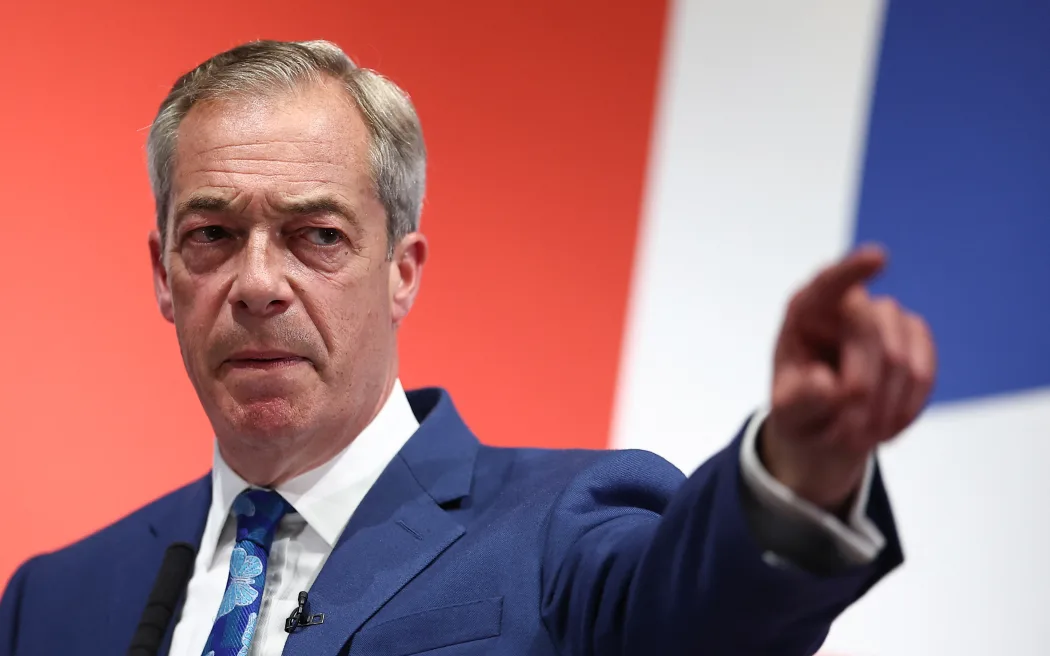
Nigel Farage has told donors that he expects a deal or merger between Reform UK and the Conservative party. According to sources who spoke to the Financial Times, Farage described such an agreement as “inevitable” ahead of the next general election. He clarified that the process would take time, as he remains cautious about formalising a pact with the Conservatives. Farage emphasised he would never collaborate with a party he does not trust, rejecting any suggestions of a standard alliance. Instead, he framed the arrangement as a “reverse takeover,” signalling a strategic approach to potential negotiations. Both Farage and the Conservative party have publicly denied any such claims, maintaining their separate political positions.
A Conservative spokesperson reiterated that, under Kemi Badenoch’s leadership, the party will not pursue any deals or pacts with Reform UK. They criticised Farage’s proposals, noting that the party’s stance on higher welfare spending and perceived friendliness toward foreign leaders diverges from Conservative principles. The spokesperson added that only the Conservatives have the structure, experience, and plans required to govern effectively. Despite Farage’s ambitions, the party leadership insists that Reform UK’s proposals would not align with the Conservative policy framework, highlighting a clear ideological divide between the two organisations. Badenoch herself described the party as a nearly 200-year-old institution that cannot be treated like a toy.

Farage has actively sought to attract disillusioned Conservative voters, arguing that the party has lost public trust after fourteen years in government. Several former Conservatives have defected to Reform UK in recent years, including high-profile figures such as Jonathan Gullis, Danny Kruger, Nadine Dorries, Jake Berry, and Maria Caulfield. These moves underscore Farage’s strategy of positioning Reform UK as a viable alternative for right-leaning voters. Despite Reform’s growing appeal, Conservative fundraising continues to outperform, with the party receiving £6.3 million in donations in the first half of the year. In comparison, Reform raised £2.1 million, highlighting the financial disparity between the established party and Farage’s organisation.
Labour party representatives responded critically to Farage’s comments, accusing him of orchestrating a backroom plot to prop up his party. They claimed that any alliance between Reform and the Conservatives would inflict further austerity on the country, damaging public services and straining family finances. Labour spokespersons highlighted the risks posed to local schools and hospitals under a potential collaboration. They argued that Farage’s plans demonstrate an inability to prioritise citizens’ well-being, contrasting this with Labour’s focus on reducing the cost of living, lowering national debt, and cutting NHS waiting times. The statements emphasised the political consequences of any perceived compromise between Reform and the Tories.
Despite public denials, speculation about a deal continues to dominate political discourse, reflecting widespread interest in potential shifts within the UK’s right-wing electorate. Farage’s statements to donors suggest he is considering tactical manoeuvres to expand Reform UK’s influence in national politics. Observers note that formal negotiations would require careful navigation, given the ideological differences and historical tensions between the two parties. Any arrangement could also face scrutiny from voters and media alike, especially given the Conservatives’ longstanding institutional presence. Analysts suggest that the combination of political strategy, defections, and fundraising advantages could influence future election outcomes if Farage’s predictions materialise.

Farage’s messaging indicates a long-term strategy to capitalise on public dissatisfaction with traditional Conservative leadership. By positioning Reform UK as an alternative for former Tory voters, Farage aims to consolidate support ahead of the next election. Meanwhile, the Conservatives continue to project stability and governance capability, emphasising their leadership team and institutional experience. This contrast frames a competitive environment for right-leaning voters and underscores the significance of the upcoming election in shaping political alliances. Any future collaboration between the parties would require negotiation, compromise, and careful management of public perception. Farage’s statements reflect ongoing political manoeuvring as the next election approaches.
Reform UK’s recent polling success illustrates the party’s potential to influence the political landscape, even without formal collaboration with the Conservatives. By attracting former Conservative members, the party seeks to broaden its base and gain legitimacy in national politics. Farage’s emphasis on strategic alliances suggests that negotiations will remain a central component of his electoral strategy. Observers note that while financial resources, donor support, and public perception all influence outcomes, ideological alignment remains critical. Reform’s growing profile and Farage’s tactical messaging are likely to shape right-wing politics in the United Kingdom in the lead-up to the next general election.
Related News:
 Kinnock’s Rebuke Echoes Loudly as Corbyn Allies Launch Left-Wing Breakaway: “A Gift to Farage”
 Two Decades Since 7/7: King Charles III Leads Nation in Honouring Victims of London’s Deadliest Terror Attack
 Tories in Turmoil as Sir Jake Berry’s Defection to Reform Sparks Fears of Further Exodus
 Ed Miliband Faces Setback as Government Quietly Shelves Divisive ‘Zonal Pricing’ Energy Policy
 Starmer Seeks to Regain Momentum with Summer ‘Refresh’ Amid Political Pressures and Party Fractures
 “I Feel English”: Young Migrant’s Dream of Britain Amid Political Pressure Over Channel Crossings
 UK and Norway Forge Stronger Ties Through Joint Sanctions and Enhanced Defence Cooperation
 Runcorn and Helsby By-Election Emerges as Crucial Test of Political Winds
 Trump Administration Dismisses 17 Immigration Judges, Sparking Debate Over Judicial Independence
 Justice Deferred, Not Denied: Government Orders Full Statutory Inquiry into Orgreave Clash Four Decades On
 Lammy Condemns Israel’s Targeting of Starving Palestinians: Sanctions Threatened Amid Global Outrage
 Netanyahu Announces Plan to Take Over Gaza City, Escalating Conflict Further
 Prominent Al Jazeera Journalist Anas al-Sharif Among Five Reporters Killed in Israeli Airstrike on Gaza
 Rayner Warns Farage’s Reform UK Could ‘Fail a Generation of Young Women’ in Online Safety Row
 British Council in Kyiv ‘Severely Damaged’ by Russian Missile Strike
 Commons Speaker Warns UK Parliament Vulnerable to Foreign Espionage After China-Linked Case Dropped
 “Social Housing Crisis in England: Tenant Complaints Soar Amid Dangerous Living Conditions”
 Nigel Farage Under Fire for Refusing to Dismiss Donald Trump’s Paracetamol Claims
 Denmark Investigates Professional Drone Incursions Across Multiple Airports, No Evidence of Russian Involvement
 Sir Sadiq Khan Accuses Trump of Racism and Islamophobia Following UN Remarks
 Tony Blair Considered for Leadership Role in Transitional Gaza Authority
 Trump Seeks Breakthrough in Israel-Gaza Peace Talks
 Japan’s First Female Governing-Party Leader Emerges Amid Ultra-Conservative Politics
 Misinformation and Political Pressure Force Weston-super-Mare to Abandon Refugee Sanctuary Plan
 UK Police to Gain New Powers to Manage Repeated Protests, Home Office Announces
 Trump Hails Gaza War’s End, Pushes for Middle East Peace
 Army Barracks to House Migrants as Hotels Phase Out
 Prince Andrew Hosted Epstein Days Before Arrest
 Zarah Sultana Launches Party to Change Politics
 Mikie Sherrill Elected New Jersey’s Governor in Key Win
 Who is Rama Duwaji? What Zohran Mamdani’s wife has said about Gaza and ICE as he’s elected NYC mayor
 Britain deploys RAF specialists to assist Belgium with drone threats
 Hannibal Gaddafi Freed After Nearly a Decade in Lebanon
 PM Condemns Leaks, Vows Loyalty to Ministers and Stability
 Pressure Mounts on Starmer to Sack Chief of Staff Over Briefing Row
 US Justice Department Files Lawsuit Against California Over Partisan Voting Maps
 South Sudan President Removes Vice-President Amid Political Uncertainty
 December Run-Off in Chile as Election Produces No Winner
 UK Asylum Reforms: Temporary Refugee Status and Faster Deportations
 UN Security Council Approves Trump’s Gaza Peace Plan
 South African Detained After Neo-Nazi Rally in Australia
 Minister Defends Tough New Asylum Reform Plan
 UK Net Migration Falls Sharply After ONS Revisions
 Only One Republican Opposes Mass Release of Epstein Files
 Congress Approves Release of Epstein Files, Trump Expected to Sign
 Shadow Fleet at Sea: Europe’s Battle Against Illicit Oil Shipping
 UK Vulnerable to Attack, Defence Committee Finds
 Rapper Nicki Minaj Highlights Threats to Christians in Nigeria
 Bangladesh Families Call for Hasina’s Return and Execution
 Philippines Flood Fund Scandal: Top Ministers Step Down
 Rama Rebukes Mahmood for Targeting Albanian Families
 Russian Vessel Used Lasers on RAF Pilots, UK Claims
 MP Offers Seat to Help Burnham Challenge Starmer
 Senedd Suspends Politician Over Offensive Racial Slur
 Pentagon Officials in Ukraine to Discuss War End
 WhatsApp Messages Expose Nathan Gill’s Bribery
 India’s COP30 Delay Raises Global Climate Concerns
 Venezuela Threatens Nobel Winner Machado with Fugitive Status
 Texas Governor Faces Lawsuit From CAIR
 English Mayors Set to Introduce Tourist Taxes
 Ex-Classmate Accuses Farage of Dishonesty on Racism Claims
 Trump Envoy to Discuss Ukraine Peace at Kremlin
 Millions Face Higher Taxes Under Reeves New Budget
 Peers Get Extra Time to Debate Assisted Dying Bill
 Planned Palestinian Flag Raising at Belfast City Hall Faces Delay Amid Legal Concerns
 Pope Leo XIV Begins Historic Trip to Turkey and Lebanon
 Zambia’s President Faces Stone-Throwing Anger Amid Challenges
 Georgians Defy Government Crackdown After Year of Protests
 US National Guard Member Killed in DC Shooting
 India’s Labour Law Overhaul Sparks Fierce Debate
 Video shows Israeli troops kill Palestinians after surrender
 Trump to Recheck Green Cards from 19 Nations After DC Attack
 Ex-Brexit MEP Rejects Claim of Pro-Russia Payments
 Government righting decades-old injustice for miners
 Guinea-Bissau President Flees After Military Coup
 ICC to Rule on Duterte’s Provisional Release
 Jordan Bardella: France’s Young Presidential Contender
 Chinese & Japanese Boats Clash Near Disputed Islands
 Putin Meets US Envoy Amid Key Ukraine Peace Talks
 Kremlin Talks With US Yield No Ukraine Peace Breakthrough