Published: 08 December 2025. The English Chronicle Desk. The English Chronicle Online.
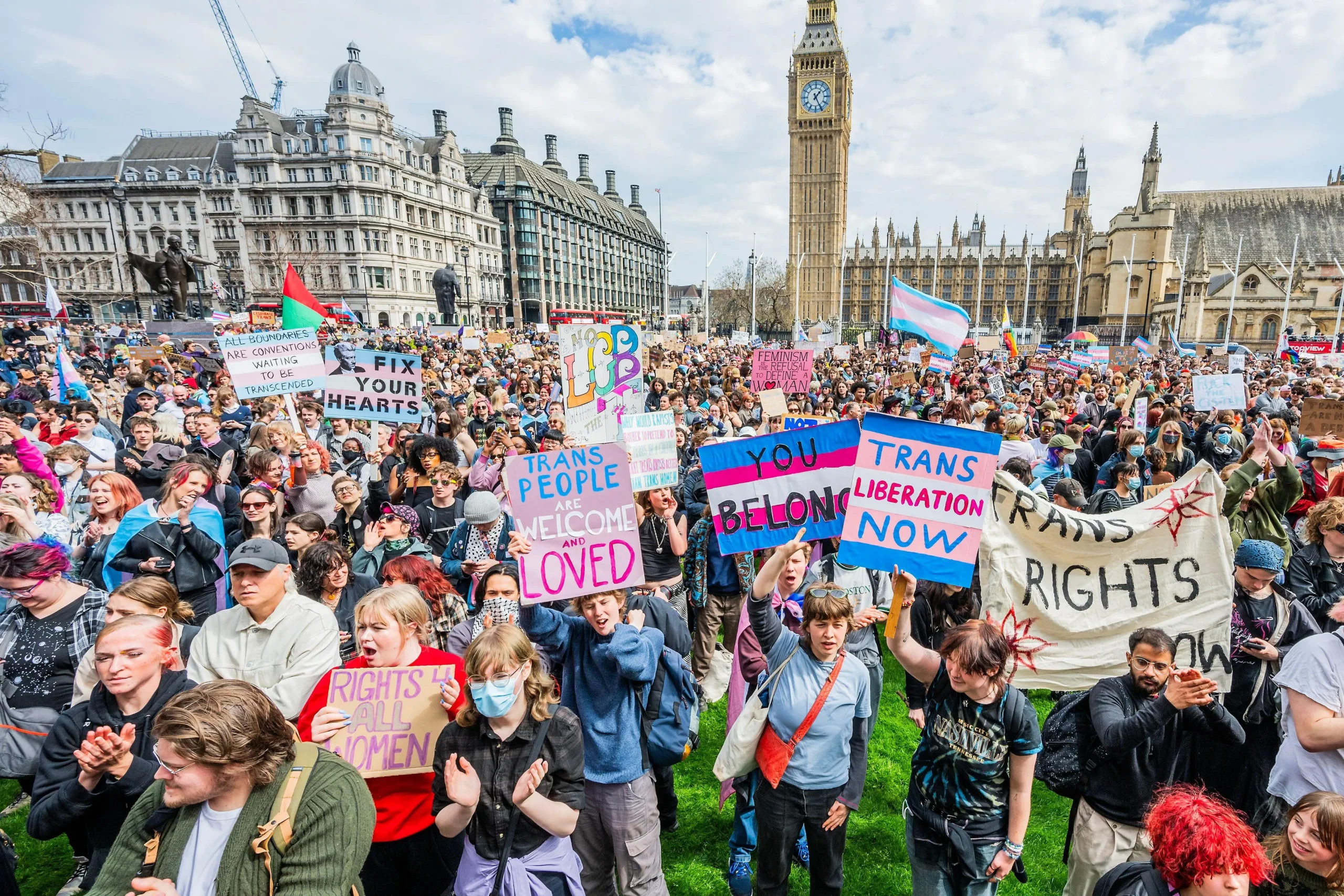
Fifteen of Britain’s leading mental health organisations have issued a powerful warning to the government. They fear that new official guidance on single-sex spaces could seriously damage the mental wellbeing of transgender and non-binary people across the country.
In an open letter sent to Equalities Minister Bridget Phillipson, charities including Samaritans, Mind, the Royal College of Psychiatrists, and the Centre for Mental Health expressed “deep concern”. They believe the forthcoming guidance from the Equality and Human Rights Commission (EHRC) threatens to deepen existing inequalities and create new risks for an already vulnerable community.
The charities made their position crystal clear. They stated that mental health services must remain places of refuge and safety. Any policy that makes trans or non-binary people feel unwelcome, fearful, or humiliated would have the opposite effect.

At the heart of the dispute lies a Supreme Court ruling from April this year. The court decided that the legal definition of a woman is based on biological sex. The EHRC quickly published interim advice suggesting that transgender women should generally not use female-only toilets, changing rooms, or refuges. A leaked draft seen by The Times went further. It indicated that staff could challenge someone’s presence in a single-sex space based on appearance, behaviour, or complaints from others.
Mental health experts say this approach would be devastating. Trans and non-binary individuals already face some of the highest rates of depression, anxiety, and suicidal thoughts in the UK. Much of this distress comes from stigma, exclusion, and fear of discrimination. The charities argue that forcing trans people to use facilities matching their sex assigned at birth, or subjecting them to questioning, would intensify those feelings of rejection and danger.
The letter highlights particular worries about inpatient psychiatric wards, crisis centres, and community mental health services. These are places where people are often at their most fragile. Feeling unsafe in such environments could deter individuals from seeking the help they desperately need.
Andy Bell, chief executive of the Centre for Mental Health, has called for an urgent meeting with Bridget Phillipson. He wants to find ways to protect both the dignity of trans people and the wider goal of fair access to single-sex services. The charities insist that safety and equality are not mutually exclusive.
The government has not rushed its decision. Bridget Phillipson has repeatedly said ministers will take whatever time is necessary to get the guidance right. She has stressed the importance of maintaining single-sex spaces for women while treating trans people with respect. Yet the longer the uncertainty lasts, the more anxiety it creates within affected communities.

Even the EHRC’s former chair, Baroness Falkner, admitted in September that many services would find it “difficult” to turn the new legal clarity into practical, day-to-day policies that feel fair to everyone.
For trans and non-binary people, the stakes could not be higher. Research consistently shows they experience bullying, harassment, and violence at far higher rates than the general population. When public spaces and essential services appear hostile, the impact on mental health can be profound and long-lasting.
The charities are clear: any guidance that prioritises biological sex over lived gender identity in all single-sex settings risks pushing an already marginalised group closer to crisis. They urge the government to listen carefully to lived experience and clinical expertise before finalising the rules.
As winter deepens and demand on mental health services grows, the hope is that ministers will choose a path that safeguards everyone’s dignity. No one should have to choose between their safety and their right to care.
Related News:
 Concerns Mount Over Accuracy of At-Home Health Tests as Study Calls for Stricter Regulation
 NHS Under Pressure: Waiting Times Soar as Staffing Crisis Deepens
 The Ketamine Crisis in the UK is a Silent Epidemic Leaving Users with Lifelong Pain
 UK Launches World-First Gonorrhoea Vaccine Amid Record Infection Surge
 Woman Warned She Might Need Leg Amputation to Survive After Liquid Brazilian Butt Lift
 AI Tools Used by English Councils Found to Downplay Women’s Health Issues, Raising Concerns Over Gender Bias in Care
 Cats Develop Dementia Similarly to Humans, Study Finds
 Appalling Rise in Pharmacy Crimes: Staff Face Increasing Theft and Aggression
 Alarming rise in abusive teen relationships in the UK sparks urgent warnings
 Learner Drivers to Face CPR and Defibrillator Questions in New Theory Tests
 Inquest Finds Agency Worker Failings Led to Unlawful Death of Vulnerable 14-Year-Old
 UK Patients Face Steep Price Rise for Weight-Loss Drug Mounjaro
 Shocking Rise in Children’s Exposure to Violent Online Pornography Raises Alarm
 Baby Food Manufacturers Given 18 Months to Improve Nutrition and Labelling
 Why E-Bikes and E-Scooters Are Making Streets a ‘Nightmare’ for Blind People
 Millions in the UK at Higher Risk of Heart Failure and Stroke Due to Air Pollution, Study Warns
 Norfolk Hospital Ranked Worst in England as NHS League Tables Return
 NHS Trials £100 Blood Test That Could Revolutionise Alzheimer’s Diagnosis
 More Than Half of UK Births Now Involve Medical Intervention
 UK Graduates in Healthcare Report Highest Satisfaction with Degree Choices
 NHS ‘Toxic Culture’ Risks Harm to Mothers and Babies, Health Leader Warns
 Systemic Racism in Maternity Care Continues to Endanger Black Women in England, MPs Warn
 One in Three GPs in England Do Not Work in NHS, Raising Concerns Over Access to Care
UK Doctors Guilty of Sexual Misconduct Continue Practising Amid Weak Sanctions, Research Finds
One in Three GPs in England Do Not Work in NHS, Raising Concerns Over Access to Care
UK Doctors Guilty of Sexual Misconduct Continue Practising Amid Weak Sanctions, Research Finds
 Private Psychology Costs Surge in UK as Practitioners Turn Away Clients Amid Record Demand
 Heavy Drinkers Lead Growth in Non-Alcoholic and Low-Alcohol Market
 Omeprazole Alert: NHS Issues Guidance on Safe Use for Heartburn and Indigestion
 Starmer Unveils Plan for NHS “Online Hospital” to Tackle Waiting Lists
 Tragic Death Strikes Half-Marathon in Stoke-on-Trent: Runner Dies Shortly After Crossing Finish Line
 Call to Allow ‘Safe and Effective’ At-Home Abortions Up to 12 Weeks in the UK
 Questions Remain as Rugby Legend Lewis Moody Faces Motor Neurone Disease Diagnosis
 Eligibility Confusion Over COVID Vaccination Leaves Pharmacies Struggling Across the UK
 Majority of UK Men Would Opt for Prostate Cancer Screening, Survey Finds
 Scientists Announce First Potentially Accurate Blood Test for Chronic Fatigue Syndrome
 NHS Facilities Staff Vote to Strike Over Pay Discrimination
 Survey Shows Most GPs Rushing Appointments
 NHS Staff Strike Over £30m Pay Discrimination Claim
 Ambulance Worker Fired After Flinging Amputee from Wheelchair and Offering Bribe
 Women Challenge Meta Over Targeted Ads After Miscarriage
 Mum’s Final Wish: Donating Her Body to Science
 Genetic Tests May Predict Return of Blood Cancer
 UK Woman Becomes Longest Survivor of Heart-Lung Transplant
£18 Prostate Cancer Test Could Save Thousands of Lives
UK Woman Becomes Longest Survivor of Heart-Lung Transplant
£18 Prostate Cancer Test Could Save Thousands of Lives
 Thousands in the UK sue Johnson & Johnson over alleged talcum powder, linked to cancer
 Pregnant Women in England Face Rising Risk of Severe Birth Injury
 ‘Game-Changing’ HIV Prevention Jab Set for NHS Approval
 One in 12 Secondary Pupils Sent to Isolation Weekly
 M&S and Morrisons Lead Christmas Supermarket Taste Test
New Prostate Cancer Drug Set to Halve Death Risk in England
M&S and Morrisons Lead Christmas Supermarket Taste Test
New Prostate Cancer Drug Set to Halve Death Risk in England
 UK Health Leaders Push for Urgent Tobacco & Vape Bill
 Man Trapped in Quicksand Rescued in Dramatic Coastal Rescue
 Hospice Cuts Raise Alarm Across England Amid Funding Crisis
 Celebrities and Charities Demand UK Government Act on Child Poverty
 Experts Warn on Home Birth Risks, Call for Skilled Midwives
 Experts Urge Legal Right to Timely Cancer Care
 Patients to Test Health at Home to Ease NHS Winter Pressure
 London’s Childlessness Crisis: Schools Closing as Families Shrink
 North Sea oil workers must lose weight or face job loss
 Crisis charity to become landlord amid UK housing emergency
 Shouting Works Best to Deter Gulls, UK Study Finds
 Reeves rejects £1bn plea for NHS redundancy payouts
 Leading doctors issue warning amid ‘bad’ flu season
 Stroke Patient Mistaken for Drunk, Care Delayed
 UK launches major AI drive to fight deadly superbugs
 ‘Traumatic Wait’: Northern Ireland Women Face Breast Cancer Delays
 Welsh Government Christmas 2020 Lockdown Criticised
 Coffins Now Too Large to Cremate Amid Rising Obesity Crisis
 NHS paediatric leave parents waiting months for answers
 Five-Year-Old Dies After Rare Tonsil Surgery Complication
 Fibromyalgia Patients Struggle as NHS Fails to Provide Care
 “Enough is Enough”: Local MP Vows to Fight Rainham Quarry Plans
 More Patients Now Contacting GPs Online, Data Shows
 GPs Failing Frail Elderly: Only 1 in 6 Assessed – NAO
 NHS Maternity Failings Leave Families Traumatized, Investigation Finds
 NHS braces for worst winter crisis amid rising flu cases
 Inquiry Launched into North-East NHS Trust Patient Deaths
 People Resorting to Pulling Teeth Amid NHS Dental Crisis
 Ministers to back regulation of England’s funeral industry
 Teen Nicotine Pouch Use Sparks Growing Health Alarm
 People in England’s Poorest Areas Face Higher Lung Health Emergencies