Published: 19 December 2025. The English Chronicle Desk. The English Chronicle Online.
The Liberal Democrats have urged the UK government to extend its inquiry into hostile foreign interference to include actions taken by the United States. Party officials argued that the US administration’s overt support for far-right nationalist parties across Europe constitutes clear outside interference. In a detailed letter to communities secretary Steve Reed, who is overseeing the independent review, senior Lib Dem figures highlighted the need for the investigation to address interference beyond Russia and other traditional adversaries.

The letter, signed by Calum Miller, the party’s foreign affairs spokesperson, Lisa Smart, the Cabinet Office spokesperson, and Zöe Franklin, who shadows Reed, emphasised that foreign influence in the UK is a growing concern that requires urgent attention. “Though the impetus for this investigation follows grave concerns about Russia’s penetration of our political system, we must also be clear-eyed about the threat posed by the United States,” the statement read.
Lib Dems pointed to the recent US national security strategy, which described Europe as facing “civilisational erasure” due to migration and European Union integration, and advocated cultivating resistance within the continent. Analysts noted that the language echoed the racist “great replacement” conspiracy theory, warning that several countries risked becoming “majority non-European” while praising patriotic European parties.
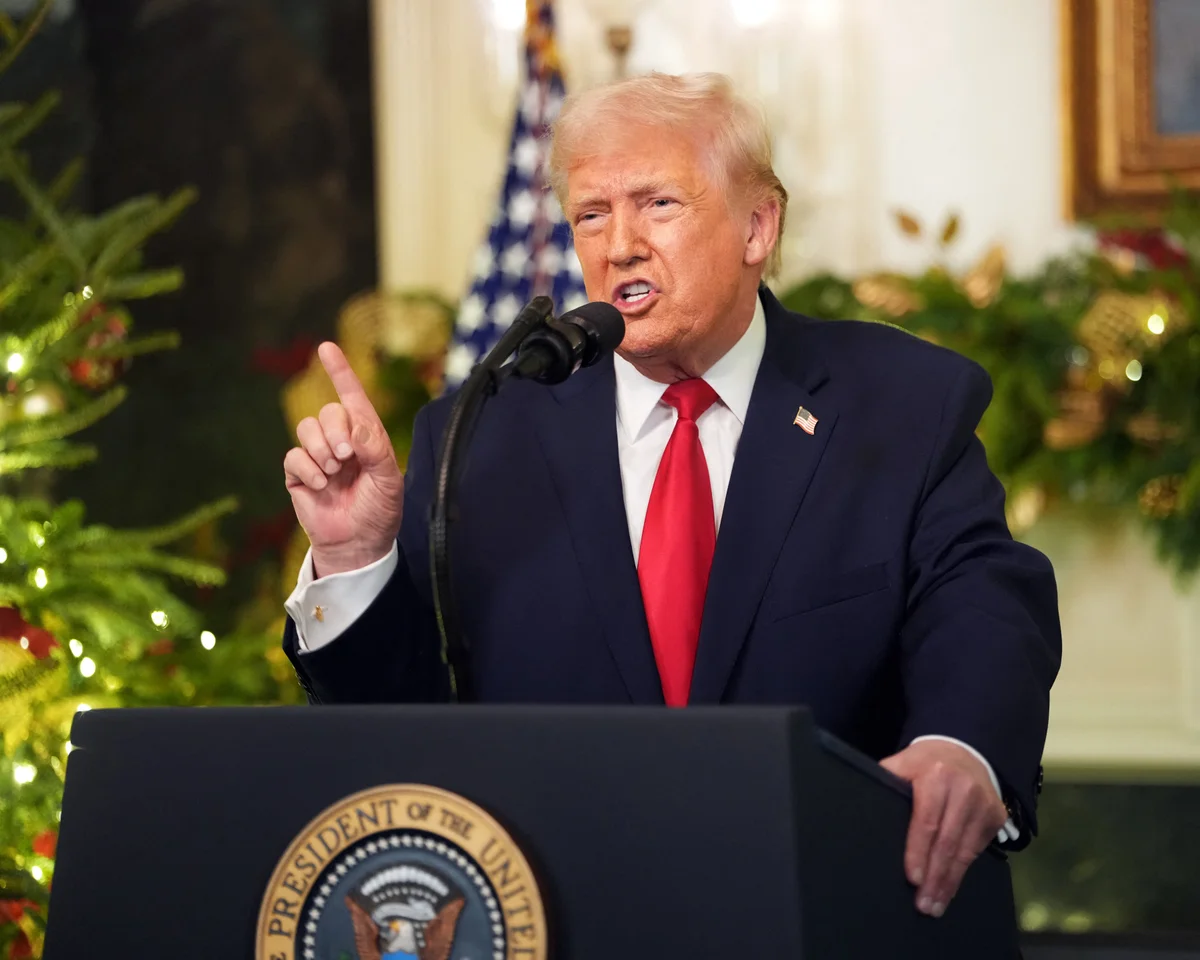
Miller stressed that President Trump’s policies directly aim to interfere in European politics, including the UK. “Donald Trump has made it his explicit policy to interfere in European politics and cultivate resistance in the UK and elsewhere,” he said. The Lib Dems warned that failing to include the US administration in the inquiry would leave a serious gap in the nation’s defences against external manipulation.
The scope of the existing review, announced on Tuesday following the jailing of former Reform UK figure Nathan Gill, has largely focused on Russia and comparable hostile states, particularly concerning financial influence and other forms of political interference. Lib Dems believe that limiting the inquiry to traditional adversaries risks overlooking new and evolving threats posed by allies who pursue nationalist agendas abroad.
During Trump’s second state visit to the UK in September, Lib Dem leader Ed Davey boycotted a state banquet hosted by King Charles in protest at what he described as the administration’s failure to intervene decisively in the Gaza conflict. Davey’s actions highlighted the party’s ongoing concerns regarding US policy and its impact on European and British politics.
The call for inclusion of the US in the inquiry also raises questions about how the UK government will address foreign influence in the context of long-standing alliances. Critics argue that ignoring interference by a powerful ally could undermine public confidence in the integrity of UK democratic institutions. The Lib Dems’ letter urged the government to commit unequivocally to including President Trump and his associates in the investigation, warning that anything less would represent a significant oversight.
Political observers have noted that the Lib Dems’ push coincides with heightened scrutiny of global interference in democratic processes, particularly in light of disinformation campaigns and financial influence from abroad. Analysts say the move may force the government to adopt a more rigorous framework to investigate and counteract political manipulation, ensuring British politics remains sovereign and free from external pressure.
While Russia remains the central focus due to its long-documented interference activities, including cyberattacks and political donations, the Lib Dems insist that emerging threats from other global powers demand equal attention. Their argument stresses that a comprehensive approach to foreign interference should not differentiate between adversarial or allied states if their actions undermine democratic governance.
The party has also highlighted that the US strategy explicitly encourages support for nationalist parties, which could distort domestic politics and public discourse in Europe. By framing this as interference rather than diplomatic engagement, the Lib Dems hope to establish a precedent for more inclusive investigations. They argue this will strengthen the UK’s resilience against political manipulation while holding all foreign actors accountable.

In conclusion, the Liberal Democrats’ appeal for inclusion of the US in the foreign interference inquiry underscores an intensifying debate about the boundaries of acceptable influence from allied nations. It reflects broader concerns over the preservation of democratic integrity in an increasingly interconnected and politically volatile international landscape. With the government expected to respond, observers will closely monitor whether the inquiry expands its remit to reflect these evolving threats.
Related News:
 Kinnock’s Rebuke Echoes Loudly as Corbyn Allies Launch Left-Wing Breakaway: “A Gift to Farage”
 UK and Norway Forge Stronger Ties Through Joint Sanctions and Enhanced Defence Cooperation
 Trump Administration Dismisses 17 Immigration Judges, Sparking Debate Over Judicial Independence
 Justice Deferred, Not Denied: Government Orders Full Statutory Inquiry into Orgreave Clash Four Decades On
 UK Must Act with Courage and Clarity on Israel-Palestine Conflict, Says Foreign Affairs Committee Report
 Labour Faces Standoff as NHS Strike Exposes Deeper Crisis
 The Fight for Trans Safety Is a Fight for Everyone’s Safety — MPs Must Debate This Crucial Issue

 Brian Cox Slams Donald Trump’s Remarks on Scottish Independence and Voices Support for Kevin Spacey’s Return to Acting
 Trump Threatens 100% Tariff on Nations Importing Russian Oil Amid India Standoff Over Ukraine War
 Chancellor Faces Mounting Pressure Amid “Impossible Trilemma” Over Tax Rises
 Radioactive Leak at UK’s Nuclear Warhead Base Sparks Outcry Over Safety and Secrecy
 Mass Arrests in London as Protest Defies Ban on Palestine Action
 Mutual Inconvenience: Why Alaska Was Chosen for the Trump-Putin Summit on Ukraine
 UK Government Expands ‘Deport Now, Appeal Later’ Policy to 23 Countries
 Chancellor Rachel Reeves Pushes for Sweeping Changes to Environmental Protections to Accelerate Development
 Larger Families Could Gain Thousands if Labour Ends Two-Child Benefit Cap
 Hong Kong Summons UK and Australian Envoys Following Asylum Grants to Democracy Activists
 Is the UK Ready to Put Boots on the Ground in Ukraine? Assessing Military Capacity and Challenges
 Palestine Action Ban Protesters Plan Tactic to Overwhelm Police at Next London Demonstration
 Police Scotland Spends £500,000 Compensating Officers Over Trump Visit
 Britain’s Migration Challenge: Rising Asylum Numbers and Hotel Pressures
 Elon Musk Sparks New Controversy by Backing Tommy Robinson Amid Farage Feud
 Rylan Clark Criticizes UK Immigration Policies on This Morning, Sparking Public Debate
 Farage Blasts Essex Council Over St George’s Flag Controversy, Calls Message ‘Unbelievable
 Urgent Action Needed on Windrush Compensation as Survivors Speak of “Waiting to Die”
 Tanni Grey-Thompson Faces Abuse Over Opposition to Assisted Dying Bill
 Conservative Influencer Charlie Kirk Fatally Shot During University Debate
 TfL Invites RMT to Resume Talks as London Tube Strikes End
 UK Rejoining EU ‘Unlikely in My Lifetime,’ Says Starmer’s Europe Reset Negotiator
 Zarah Sultana Seeks Legal Action After Bitter Clash with Jeremy Corbyn Over Party Membership Funds
 Channel Crossings Surge: Over 1,000 People Arrive in the UK in Small Boats in a Single Day
 Widow of Charlie Kirk Forgives Killer at Emotional Memorial Service
 Nigel Farage Unveils Controversial Immigration and Welfare Plans at Reform UK Press Conference
 Mahmood Pledges Reform of Modern Slavery Laws After Court Blocks Deportation Appeal
 Yvette Cooper Signals Global Momentum Towards Gaza Peace Deal Amid Humanitarian Crisis
 Ed Miliband Warns UK Government on X, Citing Elon Musk as a “Dangerous Influence”
 Ed Miliband Urges Labour to Confront Billionaire-Backed Opposition to Net Zero Goals
 Digital ID Plans Ignite Debate Over £600m Treasury Tax Boost and Privacy Concerns
 Kemi Badenoch Unveils ‘Golden Rule’ to Halve Spending Cuts for Deficit Reduction at Tory Conference
 Public Trust in SNP Hits Historic Low Amid NHS Concerns
 Johnson Suggests Mandelson Linked to China Spy Controversy
 UK border officers deployed to Balkans to tackle migrant smuggling
 Ministry of Justice fails to file £11bn in spending receipts
 UK MPs warn of repeat riots over online misinformation
 Rachel Reeves signals welfare reform ahead of key budget
 Reform UK candidate fined £19,000 after using AI-generated cases to challenge election
 William Steps Up Over Prince Andrew Palace Response
 Russia’s Latest Push to Win US Favors Shows Deep Desperation
 Army Barracks to House Migrants as Hotels Phase Out
 Green Party Surges Past Labour in Latest UK Poll
 Army Officers Orders to Cut Ties with Men-Only Clubs
 Trump’s UK Ambassador Urges North Sea Drilling to Strengthen US Ties
 French Taxi Driver Cleared in David Lammy Theft Case After Fare Dispute
 Labour immigration crackdown could cost UK £4.4bn
BBC to Apologise Over Edited Trump Speech Amid Backlash
Labour immigration crackdown could cost UK £4.4bn
BBC to Apologise Over Edited Trump Speech Amid Backlash
 Britain deploys RAF specialists to assist Belgium with drone threats
 Millionaires group urge Reeves to introduce wealth tax to ‘lift kids out of poverty’
 Starmer Faces Growing Dissent as Labour MPs Weigh Leadership Challenge
 Reeves rejects £1bn plea for NHS redundancy payouts
 PM Condemns Leaks, Vows Loyalty to Ministers and Stability
 Trump Urges Herzog to Grant Netanyahu Full Pardon
 Major Rent Reform Ends No-Fault Evictions in England
 Senator John Fetterman Hospitalized After Fall from Heart Flare-Up, Keeps Sense of Humor
 Indian authorities demolish Kashmir home linked to Red Fort blast
 Greene Pushes Epstein Files Amid Trump Fallout
 Trump Deploys DHS to Charlotte in Major Arrest Operation
 December Run-Off in Chile as Election Produces No Winner
 Canada Passes Carney’s First Budget in Tight Parliamentary Vote
 Shadow Fleet at Sea: Europe’s Battle Against Illicit Oil Shipping
 India’s COP30 Delay Raises Global Climate Concerns
 Most Tories Expect to Support a Farage-Led Government
 Georgians Defy Government Crackdown After Year of Protests
 US National Guard Member Killed in DC Shooting
 ICC to Rule on Duterte’s Provisional Release
 Starmer Says Labour’s Economic Plan Needs Years to Deliver
 England delays four mayoral elections amid criticism
 EU plans $105bn Ukraine aid using frozen Russian assets
 Tory Free Schools Waste £325m on Failed Projects
 Culture secretary to review Telegraph takeover by Daily Mail owner