Published: 23 December 2025. The English Chronicle Desk. The English Chronicle Online.
Plans by Reform UK to reduce the nation’s overseas aid to £1bn annually have sparked urgent warnings from charities and political commentators. Experts argue such a dramatic reduction would diminish Britain’s influence in global institutions and cripple its capacity to respond to crises worldwide. Currently, the UK contributes around 0.5% of GDP to aid, projected to fall to 0.3% by 2027 under Keir Starmer’s government, equating to roughly £9bn a year. Reform UK’s proposal represents a far steeper decline, slashing spending by approximately 90% and potentially failing to meet existing commitments to multilateral organisations including the UN and World Bank.
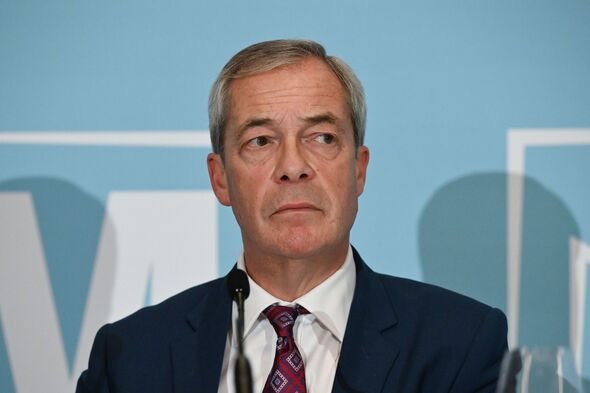
The £1bn ceiling, announced by Nigel Farage in November, would cover only a fraction of existing obligations, which amount to over £1.6bn annually. These commitments include vital contributions to the Gavi vaccination alliance, the Global Fund to Fight AIDS, Tuberculosis, and Malaria, as well as broader international development programmes. Critics emphasise that abruptly cutting these funds would not only breach multi-year agreements but would also jeopardise Britain’s capacity to provide emergency disaster relief, such as after Hurricane Melissa in Jamaica this past October.

Gideon Rabinowitz, director of policy at Bond, the umbrella group for development NGOs, warned that a £1bn limit would severely constrain the UK’s ability to tackle global poverty, inequality, and disease. He explained that such a budget would leave no flexibility to respond to future crises, including natural disasters and conflicts, and would undermine the UK’s reputation as a reliable international partner. Rabinowitz also noted that a reduction to this level would place the UK behind Russia and China in aid contributions, ceding influence to other nations while weakening national interests.
The Labour Party has sharply criticised Reform UK’s approach, describing it as “back-of-a-fag-packet politics” that risks leaving Britain excluded from critical global forums. A spokesperson emphasised that cutting aid so drastically would fail to meet existing commitments, hinder the UK’s ability to respond to new emergencies, and threaten Britain’s global standing. The party’s statement underscored that these measures would not reflect tough, responsible decision-making but instead represent a reckless and ideologically driven agenda.
Monica Harding, the Liberal Democrats’ international development spokesperson, echoed these concerns, noting that even previous cuts had eroded UK influence and stalled progress in global health initiatives. Harding argued that further reductions would hollow out diplomatic presence in Africa and Asia, undermining both economic partnerships and international influence. She stressed that Britain’s diminished role in institutions such as the UN, World Bank, and IMF would result in a weaker, less secure, and more isolated nation.
In response, Zia Yusuf, Reform UK’s head of policy, insisted the £1bn limit would not jeopardise the UK’s standing in multilateral organisations. He argued that sufficient funds would remain for aid to Ukraine and disaster relief, asserting that previous Conservative and Labour governments had wasted billions on ineffective foreign aid projects. Yusuf framed the policy as prioritising British taxpayers, claiming that past aid expenditure had failed to translate into tangible power or influence on the world stage.
While Reform UK presents the plan as a cost-saving measure, experts stress that the wider implications could be far-reaching. A sudden reduction in funding could stall global health campaigns, disrupt vaccination efforts, and leave millions vulnerable to preventable diseases. International development analysts caution that cutting UK contributions would weaken the collective fight against poverty and inequality, eroding years of progress in areas where the country has historically played a leadership role.
Historically, UK multilateral aid has enabled significant global health initiatives, infrastructure projects, and emergency responses, creating international partnerships that bolster both security and economic stability. A reduction to £1bn would undercut these mechanisms, forcing multilateral institutions to seek alternative funding sources, often from emerging powers with differing priorities. This shift could alter decision-making dynamics, diminishing Britain’s voice in key forums while empowering nations with potentially conflicting interests.
The debate also raises questions about domestic priorities versus global responsibility. Supporters of the reform argue that public funds should be redirected to national needs, citing concerns over wasteful spending and insufficient accountability in foreign aid projects. Critics, however, contend that global leadership and moral obligations are intertwined with national interests, and that retreating from international commitments could damage the UK’s influence, trade partnerships, and geopolitical leverage.
Analysts further warn that abrupt reductions risk reputational damage. NGOs and humanitarian organisations depend on predictable funding to plan long-term initiatives, and sudden cuts could trigger a cascade of operational challenges. These disruptions may exacerbate crises in fragile states, undermining both humanitarian outcomes and the UK’s ability to influence international development agendas.

Ultimately, the controversy highlights a tension between fiscal conservatism and Britain’s historic role as a global leader in humanitarian aid. Reform UK’s proposed cap at £1bn ignites a debate over whether short-term savings justify potential long-term consequences for international influence, global health, and crisis response. Experts insist that strategic investment in international aid strengthens Britain’s standing, fosters goodwill, and promotes stability in regions critical to both security and commerce.
As the discussion unfolds, it remains clear that cutting aid so drastically would reverberate far beyond budget lines, impacting the UK’s global partnerships, multilateral influence, and ability to act decisively in response to crises. While domestic political calculations drive the debate, international observers are closely watching, concerned that Britain’s influence on the world stage could be significantly diminished if the proposed reforms proceed.
Related News:
 British Woman in Iran ‘Losing Hope’ Amid Ongoing Detention
 BBC Journalist Held and Interrogated in Vietnam
 UK University Suspends Human Rights Research Following Pressure from China
 UK University Faces Counter-Terror Probe Over China Pressure
 Zohran Mamdani becomes New York City’s first Muslim mayor
 Abigail Spanberger Elected Virginia’s First Female Governor
 Mikie Sherrill Elected New Jersey’s Governor in Key Win
Zohran Mamdani names all-female transition team for NYC mayoralty
China-critical UK academics face ‘extremely heavy’ pressure from Beijing
Mikie Sherrill Elected New Jersey’s Governor in Key Win
Zohran Mamdani names all-female transition team for NYC mayoralty
China-critical UK academics face ‘extremely heavy’ pressure from Beijing
 British military receives first Ajax armoured vehicles – eight years late
 BBC to Apologise Over Edited Trump Speech Amid Backlash
 Second world war veterans honoured as King leads Remembrance Sunday
 Britain deploys RAF specialists to assist Belgium with drone threats
 BBC director-general and news chief resign amid bias row
 Night after night, Belgium is on high alert.
 Ukraine-Russia war latest: Putin’s troops exploit bad weather to force Kyiv withdrawal from multiple towns
 Trump Claims Victory as Longest Shutdown Ends
 New Epstein Files Spark Political Clash in Washington
 Trump Ends Record Shutdown by Signing Temporary Funding Bill
 Hamas Fighters in Gaza Tunnels Stall Ceasefire Progress
 Ukraine Energy Corruption Scandal Hits Zelensky’s Inner Circle
 Early Trends Suggest Modi’s Alliance Leading in Key Bihar Election
 US Justice Department Files Lawsuit Against California Over Partisan Voting Maps
 South Sudan President Removes Vice-President Amid Political Uncertainty
 Berlin Reintroduces Military Service Amid Rising Security Concerns
 Greene Pushes Epstein Files Amid Trump Fallout
 Trump Deploys DHS to Charlotte in Major Arrest Operation
 Former President Backs Public Release of Epstein Records
 December Run-Off in Chile as Election Produces No Winner
 UN Security Council Approves Trump’s Gaza Peace Plan
 Ukraine to Get 100 French Rafale Jets in Historic Deal
 Canada Passes Carney’s First Budget in Tight Parliamentary Vote
 Why Russian Liberals Push Strongly Pro-Israel Narratives
 Congress Approves Release of Epstein Files, Trump Expected to Sign
 Trump Says Crown Prince Knew Nothing About Khashoggi Death
 Shadow Fleet at Sea: Europe’s Battle Against Illicit Oil Shipping
 Rama Rebukes Mahmood for Targeting Albanian Families
 Russian Vessel Used Lasers on RAF Pilots, UK Claims
 Pentagon Officials in Ukraine to Discuss War End
 Turkey to Host COP31 After Breakthrough Deal with Australia
 US Military Team Visits Kyiv Amid War Talks
 WhatsApp Messages Expose Nathan Gill’s Bribery
 Venezuela Threatens Nobel Winner Machado with Fugitive Status
 Texas Governor Faces Lawsuit From CAIR
 Mamdani’s Vision: Affordable, Democratic Socialism
 Trump Envoy to Discuss Ukraine Peace at Kremlin
 Pope Leo XIV Begins Historic Trip to Turkey and Lebanon
 Zambia’s President Faces Stone-Throwing Anger Amid Challenges
 Georgians Defy Government Crackdown After Year of Protests
 Putin Intensifies Territorial Demands Before US Talks
 India’s Labour Law Overhaul Sparks Fierce Debate
 Video shows Israeli troops kill Palestinians after surrender
 Trump to Recheck Green Cards from 19 Nations After DC Attack
 Carney’s Alberta Pipeline Deal Sparks Immediate Pushback
 Guinea-Bissau President Flees After Military Coup
 Chinese & Japanese Boats Clash Near Disputed Islands
 Putin Meets US Envoy Amid Key Ukraine Peace Talks
 Ireland Boosts Ukraine Aid as Zelensky Visits Dublin
 Kremlin Talks With US Yield No Ukraine Peace Breakthrough
 Putin visits India as Ukraine peace, trade push intensifies
 Russia-Ukraine war update: Key events, day 1,379
 EU plans $105bn Ukraine aid using frozen Russian assets
 Global campaign launched to free Palestinian leader Barghouti
 UK Must Act with Courage and Clarity on Israel-Palestine Conflict, Says Foreign Affairs Committee Report
 Radioactive Leak at UK’s Nuclear Warhead Base Sparks Outcry Over Safety and Secrecy
 Hong Kong Summons UK and Australian Envoys Following Asylum Grants to Democracy Activists
 Is the UK Ready to Put Boots on the Ground in Ukraine? Assessing Military Capacity and Challenges
 Channel Crossings Surge: Over 1,000 People Arrive in the UK in Small Boats in a Single Day
 Yvette Cooper Signals Global Momentum Towards Gaza Peace Deal Amid Humanitarian Crisis
 Russia’s Latest Push to Win US Favors Shows Deep Desperation
 Army Officers Orders to Cut Ties with Men-Only Clubs
Trump’s UK Ambassador Urges North Sea Drilling to Strengthen US Ties
Army Officers Orders to Cut Ties with Men-Only Clubs
Trump’s UK Ambassador Urges North Sea Drilling to Strengthen US Ties
 Millionaires group urge Reeves to introduce wealth tax to ‘lift kids out of poverty’
 Reeves rejects £1bn plea for NHS redundancy payouts
 PM Condemns Leaks, Vows Loyalty to Ministers and Stability
 Trump Urges Herzog to Grant Netanyahu Full Pardon
 Zelenskyy Signs Fighter Jet Deal Amid Russian Drone Attacks
 US Suspends Afghan Immigration After White House Shooting
 Starmer Says Labour’s Economic Plan Needs Years to Deliver
 ‘Extinct’ Antelope Returns to Sahara, Bringing Hope