Published: 11 January 2026. The English Chronicle Desk. The English Chronicle Online.
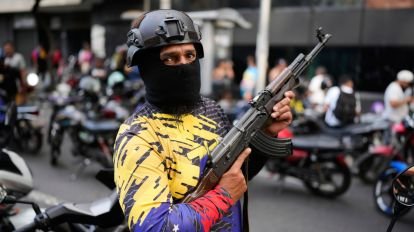
US citizens are warned to Venezuela flee immediately due to paramilitary threats following Maduro’s capture, the State Department announced as security concerns mount sharply. The warning, issued amid reports of armed militias known locally as colectivos setting up roadblocks to search vehicles for Americans, underscores how perilous conditions have become in Venezuela since the dramatic capture of President Nicolás Maduro by US forces. International flights have resumed sporadically, but officials stressed that citizens must depart while they are still able to do so, as the risk environment remains highly unstable and unpredictable.
The advisory explained that violent groups are increasingly active on major roads and in urban centres, raising fears among diplomats and travellers about potential targeting of foreign nationals in the wake of Maduro’s ousting. US citizens are warned to Venezuela flee amid these paramilitary threats and urged to stay vigilant at all times, particularly when travelling by road where grupos armados have been sighted enforcing informal checkpoints. Local security analysts note that the situation deteriorated swiftly after the raid, amplifying risks of detainment, harassment and violence against foreigners perceived to be linked to the United States.

Officials appealed to families and friends of those trapped in Venezuela to coordinate evacuations and explore all available travel options, even as concerns about infrastructure and consular assistance persist. US citizens are warned to Venezuela flee without delay, emphasising that the government cannot guarantee protection or emergency support within the country. Prior travel advisories had already placed Venezuela at the highest “Do Not Travel” level due to civil unrest, crime and systemic instability, and the latest alert intensifies that cautionary stance while reiterating the severe risks Americans face.
The political landscape remains deeply fractured: while many Venezuelan opponents of Maduro cheered his capture as a historic break from his regime, supporters and loyalist factions have taken to the streets in force, condemning the US operation as an act of foreign aggression. These competing narratives have catalysed protests and heightened militia activity, leaving ordinary citizens caught between rival claims of legitimacy and sovereignty. The presence of armed colectivos, once loosely affiliated with Maduro’s government, now contributes to the sense of lawlessness on city streets and rural highways alike, making the prospect of travel and daily life precarious for locals and foreigners.
Eyewitness accounts from Caracas describe fighters on motorbikes and in civilian vehicles enforcing makeshift roadblocks on key transit routes, interrogating drivers and passengers, and demanding documentation that could reveal US citizenship or foreign support. This has compounded fear among those already weighed down by economic hardship and political uncertainty. Humanitarian agencies report that these groups operate independently of formal security forces, often escalating confrontations and detentions that have gone unreported by mainstream outlets due to communication interference and safety constraints.
Amid the turmoil, diplomatic movements have continued as the US seeks to re-establish a presence in Caracas. State Department envoys recently visited the capital to assess conditions ahead of a planned reopening of the US embassy. Acting Venezuelan President Delcy Rodríguez has expressed a willingness to engage with Washington, seeking a pragmatic relationship even as her government condemns the American capture of Maduro and defends the nation’s sovereignty. Critics argue that this outreach may be more strategic than sincere, aimed at securing negotiation leverage and reducing international isolation rather than indicating genuine conciliation.
The Venezuelan Foreign Ministry has publicly rejected the US travel warning as exaggerated and politically motivated, asserting that the country is stable and that reports of danger are inflated. Government statements maintain that security forces control all armed factions, and that everyday life proceeds with normalcy in most regions. This starkly contrasts with independent journalist reports and social media narratives indicating escalating tension, sporadic clashes, and widespread distrust of official accounts. Civilians recount sporadic power outages, scarce supplies, and a pervasive atmosphere of fear as authorities and militant groups contest influence across neighbourhoods.
The ambivalence of official statements versus ground-level experiences reflects a broader crisis of information in Venezuela. Social media platforms have been flooded with conflicting videos and posts, some of which have been identified as manipulated or misleading. Experts warn that propaganda and disinformation campaigns have exacerbated confusion, complicating efforts by families and international agencies to obtain accurate updates on safety and travel conditions. In this environment, the repeated message from US officials to its citizens is clear: do not delay departure, and heed all evacuation advisories to minimise exposure to paramilitary threats.

In the broader geopolitical context, Maduro’s detention and the US military operation have drawn global criticism and support in equal measure, with regional powers and neighbouring states expressing concern over stability and sovereignty. Analysts caution that the ramifications of these actions on regional security dynamics are still unfolding, with potential impacts on migration flows, diplomatic alliances, and economic ties. As such, those with the means to leave are encouraged to prioritise their exit. US citizens are warned to Venezuela flee based on current intelligence assessments, emphasising that the crisis shows no immediate signs of abating.
The situation remains fluid, and continued monitoring by international observers is expected in the coming days. For now, the central message from the US government to its nationals in Venezuela remains urgent and unequivocal: arrange departure plans now, remain cautious, and act swiftly to reduce your exposure to evolving paramilitary threats. The emphasis on prompt exit reflects both a humanitarian concern and a stark acknowledgement of limited protective capacity within Venezuela’s complex security landscape.
Related News:
 Shock US Raid: Maduro Pleads Not Guilty in Manhattan Court
 UK and France Agree Troop Deployment Plan for Ukraine
 EU Weakens as Trump Targets Venezuela and Greenland
 Venezuela Oil Deal Opens Tensions with US Control
 British Woman in Iran ‘Losing Hope’ Amid Ongoing Detention
 BBC Journalist Held and Interrogated in Vietnam
 UK University Suspends Human Rights Research Following Pressure from China
 UK University Faces Counter-Terror Probe Over China Pressure
 Top Christmas Books Reads: Classics to Cozy Romcoms
 World Whisky Tour: 9 Global Gems
 Just Stop Oil Protesters Convicted Amid Climate Defence Row
 Tension and Turmoil at Aston Villa v Maccabi Match
 BBC to Apologise Over Edited Trump Speech Amid Backlash
 Lando Norris Dominates Brazil GP to Strengthen F1 Title Bid
 Britain deploys RAF specialists to assist Belgium with drone threats
 Palace May Restore Hyphen to Andrew Mountbatten-Windsor’s Name
 US Senate Passes Funding Bill to End Historic Shutdown
 Suicide Bombing at Islamabad Court Kills 12, Injures Dozens
 BBC’s Tim Davie to Address Staff Amid Trump $1bn Threat
 Ukraine-Russia war latest: Putin’s troops exploit bad weather to force Kyiv withdrawal from multiple towns
 Algeria Pardons French-Algerian Novelist Sansal After Year in Jail
 Hitler’s DNA Confirms He Truly Had Only One Testicle
 US Justice Department Files Lawsuit Against California Over Partisan Voting Maps
 Oklahoma Governor Grants Last-Minute Clemency to Death Row Inmate
 US Pushes Global Effort to Stop Arms Flow to Sudan RSF Forces
 Israel Confirms Returned Hostage as Meny Godard
 Greene Pushes Epstein Files Amid Trump Fallout
 Trump Deploys DHS to Charlotte in Major Arrest Operation
 December Run-Off in Chile as Election Produces No Winner
 Zelenskyy Signs Fighter Jet Deal Amid Russian Drone Attacks
 Orban Says Ukraine Has ‘No Chance’ as EU Support Continues
 Irish Hero Parrott Says Goal Brought First Tears in Years
 Canada Passes Carney’s First Budget in Tight Parliamentary Vote
 Israeli Strike Kills 13 Near Palestinian Camp in Lebanon
 Zelensky Meets US Envoy in Turkey to Push Ukraine Peace Talks
 Shadow Fleet at Sea: Europe’s Battle Against Illicit Oil Shipping
 Tiny Curacao Makes History as Smallest Nation to Reach World Cup
 Haiti Qualifies for World Cup Despite Coach Never Visiting Country
 Deadly Russian Strikes Hit Western Ukraine, 20 Killed in Ternopil
 Rama Rebukes Mahmood for Targeting Albanian Families
 Pentagon Officials in Ukraine to Discuss War End
 Ukraine Peace Plan: Zelensky Ready for Dialogue
 Vietnam Battles Deadly Floods as Rains Continue
 Venezuela Threatens Nobel Winner Machado with Fugitive Status
 At Least Three Dead in Bangladesh Earthquake
 Barcelona Returns to Camp Nou vs Athletic Bilbao
 Royal Navy Shadows Russian Warships Entering the Channel
 Israel Confirms Hamas Returned Dror Or’s Body
 Trump Envoy to Discuss Ukraine Peace at Kremlin
 US Suspends Afghan Immigration After White House Shooting
 Two National Guard Soldiers Critically Injured Near White House
 Georgians Defy Government Crackdown After Year of Protests
 Southern Lebanon reels as Israeli strikes shatter communities
 Mbappe Scores 4 as Real Madrid Edge Olympiakos
 Man City Lose, Champions League Risk
 Sri Lanka Floods Leave 56 Dead, Dozens Missing
 India’s Labour Law Overhaul Sparks Fierce Debate
 Video shows Israeli troops kill Palestinians after surrender
 Tokyo court rules Japan’s same-sex marriage ban constitutional
 Indonesia to Repatriate Two Dutch Drug Convicts
 ‘Extinct’ Antelope Returns to Sahara, Bringing Hope
 EU plans $105bn Ukraine aid using frozen Russian assets
 Global campaign launched to free Palestinian leader Barghouti
 American Mother Extradited From UK to U.S. on Murder Charges
 Khaleda Zia, Bangladesh’s First Female Prime Minister, Dies at 80
 Russia losses Ukraine war peace talks intensify amid rising deaths
 Facebook Slow to Remove Bondi Attack Praise, Anti-Hate Group Claims
 Australian Cruise Ship Freed After Reef Grounding in Papua New Guinea
 Zelenskyy Accuses Russia of Sabotaging Peace Talks
 George Clooney and Amal Clooney Receive French Citizenship
 Khaleda Zia Laid to Rest with State Honour in Dhaka
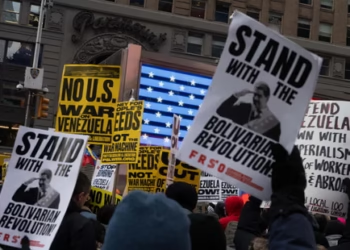 US Cities Erupt in Protests Against Trump’s Venezuela Military Action
 Albanese Opens Door to Bondi Royal Commission Amid Rising Pressure
 Trump Escalates Minnesota Immigration Surge Amid Rising Tensions
 Capitol Attack Anniversary Sparks Deep Political Divide
 Venezuela Oil Shift to US Could Disrupt China Supplies
 Saudi Officials Report Zubaidi Flee Before Yemen Peace Talks
 UK Targets in New York Bomb Threat Hoax: Man Jailed
 Gambia Supreme Court Hears Case to Overturn FGM Ban
 Iran Protesters Defy Crackdown as Violent Clashes Intensify