Published: 27 April 2026. The English Chronicle Desk. The English Chronicle Online.
The humanitarian situation within the Gaza Strip has reached a catastrophic new turning point recently. Israeli military operations have increasingly targeted essential water infrastructure and the personnel maintaining these vital systems. During the middle of April, deliberate strikes claimed the lives of one water engineer and two dedicated drivers. These individuals were responsible for transporting clean water to displaced families struggling to survive within the territory. Such actions have severely exacerbated the already critical shortages of potable water currently plaguing the entire population of Gaza. The ongoing conflict has systematically dismantled civilian infrastructure over two and a half years of relentless warfare. Crucial networks responsible for providing clean water and treating dangerous sewage have been largely destroyed by repeated military engagement. This systematic destruction forces the local population into an impossible struggle for basic survival against dehydration and illness.
The deputy director of the local water utility, Omar Shatat, reports that nineteen workers have been killed since the conflict began. These workers were actively performing essential repairs and managing the distribution of water to families in need across the region. Targeting these professionals has become a grim reality for those attempting to sustain the crumbling water networks under fire. A recent strike hit the al-Zein well in northern Gaza while engineers were working inside to restore functionality for residents. This particular attack resulted in one death, four injuries, and significant structural damage to a primary water source serving thousands. Furthermore, Israeli forces shot dead two drivers employed by Unicef just four days prior to that incident at a main collection point. Such attacks directly threaten the fragile humanitarian networks providing clean water to hundreds of thousands of vulnerable people trapped in the conflict zone.

The United Nations has clearly defined access to clean water as a fundamental human right for all people globally. International standards dictate that every individual requires fifty to one hundred litres of water daily even outside of emergency situations. Current reports from Unicef indicate that the average supply across Gaza remains shockingly low, providing only seven litres of drinking water. When including domestic use, the total reaches just sixteen litres per person, which falls far below the minimum requirements for basic human health. Many residents are currently unable to access even the absolute minimum of six litres of clean drinking water needed to sustain daily life. This severe scarcity creates a desperate environment where residents must frequently choose between drinking, cooking, and essential personal hygiene to survive the day.
The scarcity of hygiene products compounds the threat to public health as families struggle to maintain cleanliness in overcrowded shelters and tent encampments. Israeli authorities have placed strict limitations on the shipment of soap, washing powder, and other necessary cleaning supplies into the territory. These restrictions have caused prices to skyrocket, making it nearly impossible for displaced families to afford the basic items needed to avoid widespread infections. Local shopkeepers confirm that the price of laundry detergent has doubled over the last month, adding significant financial strain to households already suffering from extreme poverty. Doctors from Médecins Sans Frontières highlight that a massive proportion of daily medical treatments directly stems from this lack of clean water and basic sanitation. Women report severe infections due to the inability to wash, while infants frequently fall ill from contaminated formula caused by the lack of clean water.
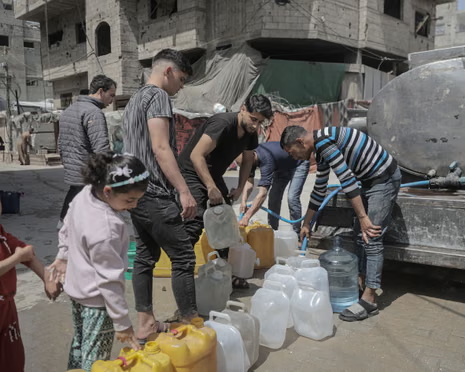
For displaced families like that of Omar Saada, living in Khan Younis, the daily routine has transformed into a desperate race for survival. A single water truck is now forced to serve more than fifty families, which is entirely insufficient to meet the basic daily allowances required. Residents often wake before dawn, lining up as early as six in the morning just to collect enough water for their immediate household needs. The available water is often contaminated, causing frequent intestinal infections and stomach pain, yet families are forced to consume it because no safer alternatives exist. Similar stories emerge from areas like al-Qarara, where residents report that even the limited water provided smells and tastes dangerous for human consumption. Families find themselves unable to wash dishes or clothes properly, often sending their children to bathe in the sea, which only increases the risks of skin infections.

The destruction of water pipes and desalination plants is further aggravated by Israeli restrictions on importing necessary fuel, spare parts, and essential technical equipment. Water utility workers have been forced to improvise by recycling and assembling fragments from multiple destroyed facilities to create one functioning unit for the population. Earlier this month, shrapnel from an airstrike damaged the power line to the Deir al-Balah desalination plant, which serves nearly four hundred thousand people. The lack of spare parts delayed vital repairs for an entire week, leaving the plant operating at only twenty percent capacity on backup generators. This delay resulted in a complete cessation of water deliveries to thousands of people who were already struggling under the weight of the blockade. As summer temperatures rise, the risks to human health are expected to increase significantly without the immediate arrival of large amounts of equipment and repair materials.
The lack of functional sewage treatment facilities remains a catastrophic issue, particularly within the overcrowded camps that house approximately 1.1 million people. These areas rely on absorption pits that frequently overflow, creating an environmental and health disaster that spreads through living spaces and school buildings used as shelters. There is currently no cement available for critical repairs, and the specialized fleet of trucks required to empty these overflowing septic tanks was destroyed during the war. Only fifteen trucks remain operational, and they are completely worn out from the intense, constant use required to mitigate the overflowing waste. While the Israeli authorities deny these restrictions on equipment, they maintain that they provide water through pipelines and allow for the passage of some aid. A spokesperson for Cogat claimed that these pipelines contribute to an estimated supply of thirty litres per person, though local reality on the ground contradicts these figures. When questioned about the shooting of humanitarian truck drivers, the Israeli military claimed that troops acted because they perceived a threat, yet they offered no further details or evidence to substantiate the claim.
Related News:
 UK Banks Granted Reprieve as BoE Delays Basel III Capital Rules Until 2028
 Singapore Corruption Scandal: Details Emerge on Iswaran’s Luxury Flight and Ties to Tycoon Ong Beng Seng
 Corfu Beyond the Crowds: Discovering Serenity in Southern Villages and Hidden Taverns
 Peter Andre Praises Son Junior’s ‘Quiet Season’ Amid Ongoing Family Dispute
 Massive 641-Mile Storm Set to Batter UK with 15 Hours of Rain and Strong Winds
 Jeremy Clarkson’s Pub: A Sunday Lunch Like No Other
 Scottish Government Mandates Single-Sex Toilets and Changing Facilities in Schools
 Reeves Faces Setback as Labour May Miss Homes Target
 Kate Winslet to Narrate Film Highlighting King’s Environmental Mission
 Trump’s UK Ambassador Urges North Sea Drilling to Strengthen US Ties
 Federal Immigration Shift: Officers Leave Louisiana for Minneapolis
 Fatal Bolton Taxi Crash Claims Three Teens and Driver
 Australia grants Asio powers to designate hate groups under new laws
 Friedman Uninvited From 2024 Adelaide Writers’ Week
 ScottishPower Tops List of Worst UK Energy Suppliers
 Judi Dench Champions Fight to Save London’s Green Spaces
 Crowborough Camp Welcomes First Asylum Seekers
 BBC Funding Crisis: Tim Davie Warns of Jeopardy Ahead
 ABC Facebook Page Briefly Hacked, Adult Photos Posted
 Artificial intelligence will cost jobs, admits Liz Kendall
 Older Women Vanish from BBC Screens, Review Confirms Bias
 Meta trial over child exploitation claims begins
 Streeting moves on doctor pay to end strike dispute
 Ben Stokes injury joke after brutal ball strike
 UK and US Drop in Global Corruption Index Rankings
 Send spending gap leaves deprived areas behind
 Hidden Crisis: Domestic Abuse Suicide Toll in UK
 UK Unemployment Rate Climbs to 5.2% Peak
 Canberra Poster Seizure Sparks Free Speech Row
 BBC World Cup Presenting Duties Shared Among Trio
 Wales Approves Assisted Dying Bill Consent
 CPS Updates Guidance on Honour-Based and Dowry Abuse
 Stewart Brand on Musk, Bezos and a Life of Long Thinking
 English Cricket Faces Moral Crisis Over Indian Investment
 Jacinda Ardern Move Sparks Kiwi Reflection
 Middle East Airspace Crisis Strands Thousands
 Kelly Wilkinson Inquest Reveals Bail Failure
 Asylum Seekers to Work After Year-Long Wait
 Princess Eugenie steps down as patron of anti-slavery charity
 New Zealand Covid Response Praised Despite Lingering Scars
 Injured Mojtaba Khamenei Elevated as Iran Leader
 The Kill Line: A Shifting Vision of the American Dream
 Inquiry into HMRC child benefit errors launched by NAO
 Family of Alleged Bondi Gunman Seeks Name Suppression
 Rising Costs Force Families to Rethink Days Out
 Air Canada CEO Faces Outcry Over Recent Language Misstep
 Extreme Weather: Europe Shivers as Cyclone Narelle Hits
 Scott Mills Sacked by BBC Over Personal Conduct Claims
 Palantir Boss Defends NHS Deal Amid Government Break Clause
 Asia Turns Back to Coal Amid Middle East Energy Crisis
 Relationship with Trump may be beyond repair, Starmer warned
 Trump’s Six-Week Iranian War: The High Cost of Ignorance
 US and Iran Agree to Two-Week Provisional Ceasefire
 Battle of Britain Tower to House Tourists and Bats
 The Challenger: Will Péter Magyar End the Orbán Era?
 UK Government Poised to Revive Stalled Hillsborough Law
 Democrats Move to Impeach Defense Secretary Pete Hegseth
 Security Alert Near Israeli Embassy as Police Investigate
 Ben Roberts-Smith Denies War Crime Allegations in First Statement
 Home Office Faces Legal Risks Over Asylum Hotel Living
 US-Iran Standoff: Will Trump Deploy Ground Troops?
 Crisis in NHS Surgery Scheduling Hits Patients Hard
 Investigation Into Anti-Trump Motives After Gala Shooting
 Cross-Border Crisis Shatters Fragile Afghan Peace
 Urban Flood Crisis: A Growing Threat to English Homes
 The Fear Gap: Why Europe Feels Less Safe Than It Is
 US Military Pacific Boat Strike Kills Three People
 Dettol Apologises for ‘Toxic Men’ Advert Backlash in China
 UK Care Crisis: Row Explodes Over New Visa Settlement Rules
 Sainsbury’s Boss Optimistic As Grocery Inflation Eases
 US Advance Past Bosnia in World Cup Thriller
 Trump’s Mount Rushmore Speech: A Divisive Anniversary
 Trump’s Red-Card Intervention Hurts the US World Cup
 US Airman Avoids British Court in Indecent Exposure Case
 Britain’s Mini Fan Craze Sparks Major Waste Crisis
 Trump Swaps Planes Amid Iran Tensions
 Ann Widdecombe, Formidable Political Figure, Dies at 78
 UK Schools Struggle as Classrooms Top 40C
 Yemen Accuses Iran of Violating National Sovereignty
 Houthis Strike Saudi Arabia as Middle East Tensions Rise