Published: 06 May 2026. The English Chronicle Desk. The English Chronicle Online.
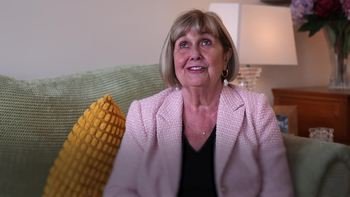
The world of opera is often defined by its soaring melodies and precise orchestral arrangements. For Janine Roebuck, a celebrated mezzo-soprano, this world was slowly fading into a quiet, muffled distance. Janine spent more than three decades performing on prestigious stages while secretly managing her significant hearing loss. Her career took her to the Royal Opera House and many other famous international venues. Throughout these years, she relied on her immense talent and deep instinct to remain professional. She recently shared her journey of receiving a transformative medical procedure that changed her life. This surgery has the potential to become a standard treatment for many NHS patients soon.
Janine is now seventy-two years old and lives in the vibrant city of London today. She suffered from a specific inherited condition known as sensorineural hearing loss throughout her life. This condition accounts for roughly seventy percent of all cases of genetic hearing loss currently. It is a burden that has impacted multiple generations within her own beloved family unit. Her father dealt with the progressive loss of his hearing with great personal grace. Her grandfather and his siblings also struggled significantly with the same difficult physical challenge daily. Janine felt that this genetic trait was a curse that she was destined to carry.

For years, the singer kept her deteriorating condition a very closely guarded secret from colleagues. She performed in demanding operas and musicals while her ability to hear slowly slipped away. This feat required incredible concentration and an intimate knowledge of the music she was singing. Despite the growing silence, she continued to captivate audiences with her beautiful and powerful voice. Retiring from the stage did not end her desire to reconnect with the audible world. She sought a solution that would allow her to experience life with full clarity again. This led her to explore the possibilities offered by advanced cochlear implant technology very recently.
Under current guidelines from the National Institute for Health and Care Excellence, adults are limited. Most deaf adults in the UK are eligible for only one single cochlear implant today. This policy is based on analysis suggesting that two implants are not yet cost effective. There has also been a noted lack of evidence regarding the benefits for older adults. To address this gap, the National Institute for Health and Care Research is backing studies. This research is being led by Addenbrooke’s Hospital and the famous University of Cambridge together. They are investigating whether two implants should become the new standard for adult patients nationwide.
In 2019, Janine underwent surgery on the NHS to receive her first cochlear implant device. However, she decided to pay for a second implant to be fitted at the time. This decision allowed her to experience the benefits of bilateral hearing for the first time. She described the results of the double surgery as being light years beyond one. Her sound quality is now much fuller and feels entirely natural to her ears now. She can now tell exactly where sounds are coming from in very busy public spaces. This ability was something she had lost many years ago as her hearing declined.
Before the surgery, Janine suffered from what she calls debilitating concentration fatigue every single day. Trying to follow conversations in loud environments was an exhausting and nearly impossible mental task. This struggle often leads many people to experience deep feelings of anxiety or depression. The isolation of deafness can be a very heavy burden for anyone to carry alone. Janine believes that communication is the deepest longing of every single human heart on earth. Her new implants have reconnected her to the world and to the people around her. She feels much safer and more secure as she moves through her daily life now.
The joy of hearing was not an instant fix but a beautiful six-month discovery process. When the implants were first switched on, she began to hear a wide range of sounds. She discovered subtle noises in her environment that she had not heard for many decades. These small details brought a sense of wonder back into her quiet and secluded world. She no longer considers herself to be a deaf person thanks to this medical miracle. The surgery has effectively broken the generational curse that plagued her family for so long. Her story serves as a beacon of hope for thousands of others facing silence.
The ongoing trial involves more than two hundred and fifty adults across fourteen different British hospitals. Participants in this study will receive either one or two implants for direct scientific comparison. The goal is to see how bilateral implants transform the daily lives of these patients. Those involved must have become deaf later in life to qualify for the research study. They also cannot have had a previous implant before joining this specific clinical trial group. Matthew Smith, an expert surgeon at Addenbrooke’s Hospital, is leading this very important medical work. He has seen the transformative effect that two implants have on young children already.
Professor Debi Vickers is also a lead scientist working on this significant clinical research project. She notes that children routinely receive two implants to help them develop natural three-dimensional hearing. This allows children to engage with society and access sounds with much greater ease daily. Adults have expressed that they deserve the same opportunities for hearing as younger children do. Providing bilateral implants could reduce social isolation and significantly improve mental health for many people. It would also enrich the quality of life for an aging population in the UK. The results of this trial will eventually be submitted to NICE for a review.

Ralph Holme, a director at the RNID, has praised Janine for sharing her personal story. He said it was wonderful to hear how life-changing the experience has been for her. Her testimony highlights the profound impact that modern medical technology can have on human happiness. If the trial is successful, the NHS may change its policy on cochlear implant funding. This would mean that thousands of people could regain their hearing in both ears soon. It represents a potential shift toward more holistic and effective hearing care for all adults. The future of hearing health in the UK looks much brighter because of this.
Janine’s retirement has been transformed into a period of vibrant sound and active social engagement. She is no longer plunged into total silence if one of her devices should fail. Having two implants provides a vital safety net that gives her great peace of mind. She can enjoy the music she once performed with a new and deeper appreciation now. Her journey from the silent stage to a world of sound is truly inspiring. The bravery she showed in hiding her condition is matched by her current public advocacy. She is a powerful voice for those who are still waiting for their own miracle.
As the study continues, medical professionals remain optimistic about the data they are currently gathering. The evidence could pave the way for a more generous and effective NHS treatment plan. For Janine, the investment in her own health has paid off in countless beautiful ways. She is proof that it is never too late to seek a better life. The sounds of London are no longer a mystery to her as she walks. She is fully present in every conversation and every moment of her life today. Her story is a testament to the power of science and the human spirit.
Related News:
 Hospice Cuts Raise Alarm Across England Amid Funding Crisis
 Celebrities and Charities Demand UK Government Act on Child Poverty
 Patients to Test Health at Home to Ease NHS Winter Pressure
 Shouting Works Best to Deter Gulls, UK Study Finds
 Reeves rejects £1bn plea for NHS redundancy payouts
 Working-Class Men with Prostate Cancer Left Behind by NHS
 Senator John Fetterman Hospitalized After Fall from Heart Flare-Up, Keeps Sense of Humor
 New AI tool could cut wasted efforts in organ transplants
 Stroke Patient Mistaken for Drunk, Care Delayed
 ‘Traumatic Wait’: Northern Ireland Women Face Breast Cancer Delays
 Healthy Habits in Your 30s That Boost Life in Your 70s
 Scottish Families Take Legal Action Over School CO Leak
 Coffins Now Too Large to Cremate Amid Rising Obesity Crisis
 Vicki Fears Losing Motability Car
 Delhi’s Toxic Air Crisis Leaves Children Sick and Vulnerable
 Five-Year-Old Dies After Rare Tonsil Surgery Complication
 Fibromyalgia Patients Struggle as NHS Fails to Provide Care
 More Patients Now Contacting GPs Online, Data Shows
 Kenya Signs $2.5bn Health Deal with US Amid Data Concerns
 Children to Receive Home Vaccines as England Acts
 Childhood Hypertension Sparks Urgent UK Testing Calls
 UK Enforces Junk Food Ad Ban Before 9pm
 Patients Collapsing in NHS Corridors, Watchdog Warns
 Google Removes Some AI Health Summaries Over Safety Concerns
 Polycrisis Anxiety Leaves Many Feeling Trapped in the Present
 UK Mothers Overloaded: Mental Health Pressures Worsen
 Small risk warning raised over weight-loss jabs in UK review
 Streeting moves on doctor pay to end strike dispute
 Autistic Girls Often Missed in Childhood Diagnoses, Study Finds
 UK reports baby formula toxin poisoning cases across the country
 Most Statin Side-Effects Are Not Caused by Drugs, Study Confirms
 UK, US Medics Barred from Gaza Amid Rising Aid Concerns
 Chikungunya Spread in Europe Climbs as Climate Warms
 Placenta Accreta Warning as Hunt Urges Action
 Half of Britons Avoid GP When Ill, Survey Reveals Growing Concern
 The rise of rejection sensitive dysphoria: How it shapes lives
 NHS Maternity Units Cover Up Harmful Childbirth Errors
 Weight-loss drugs may transform heart attack recovery
 Zorevunersen Breakthrough for Dravet Syndrome
 Cancer Death Rate in Britain Falls by Nearly a Third
 New Zealand Covid Response Praised Despite Lingering Scars
 Taking Multivitamins Daily Could Slightly Slow Ageing, Study Finds
 Canada Plasma Deaths Raise Safety Concerns After Two Donors Die
 ‘Drinking from a Fetid Pond’: Superbug Genes in Lough Neagh
 NHS Plans to Cut Overseas Workers Labeled Overambitious
 Palantir Boss Defends NHS Deal Amid Government Break Clause
 Reformer Pilates Boom Sparks Surge in Injuries, Experts Warn
 Unions Raise Concerns Over Doctors’ Pay Dispute
 Blue Badge Surge Prompts Calls for Urgent Fraud Crackdown
 Private Profits From NHS Contracts Spark Urgent National Debate
 Crisis in NHS Surgery Scheduling Hits Patients Hard
 Britain’s Health Decline: A Growing National Concern
 Unveiling Hidden Masters: Female Artists Take Centre Stage
 New AI Tool To Target Obesity Risk And Transform NHS Care
 WHO approves first malaria drug for babies
 The Burning Lens: An Iranian Artist’s Visual Resistance
 Hantavirus Cruise: Britons Face 45-Day Isolation Order
 Florida Surgeon ‘Devastated’ Over Fatal Surgery Error
 Crisis in the Canary Islands as Cruise Ship Evacuated
 Mission to the World’s Edge: A Heroic Rescue in Tristan
 UK Experts Urge Four-Day Week to Combat National Obesity
 French Patient Told Hantavirus Was Just Anxiety
 Heavy Caring Burden Linked to Faster Mental Decline
 Lee Lai Makes History with Landmark Stella Prize Victory
 NHS Drug Deal Faces Legal Threat Over US Trade Agreement
 Ebola Returns to the DRC: A Crisis of Panic and Hope
 Whistler’s Mother and why its fame frustrated artist
 Pope Meets Families in Italy Toxic Waste Zone
 Record Spending Highlights Growing Crisis In National Health Service
 The Hidden Perils of Online Health Advice for Women
 NHS to Tell Minor A&E Patients to Return Later
 Clean Air Initiatives Spark Major Fall in London Hospital Admissions
 NHS Urges Investigation For Irregular Periods
 Deadly H5 Bird Flu Reaches Australia’s East Coast
 UK Heatwaves Ignite Crisis of Sleep and Public Safety
 Arizona Toddler Found Alive in Hospital Cold Room
 Trump Immigration Cuts Threaten US Caregiver Stability
 Rotterdam Museum Honours Artist With Peanut Butter Floor
 UK Schools Struggle as Classrooms Top 40C
 London Tube Heat Reaches Dangerous Levels