Published: 13 May 2026. The English Chronicle Desk. The English Chronicle Online.
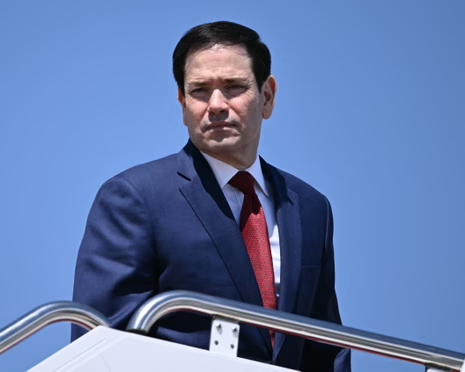
The arrival of a high-ranking American diplomat in Beijing usually signals a routine diplomatic effort. Today represents a truly remarkable pivot in the complex relationship between these two global superpowers. United States Secretary of State Marco Rubio has landed on Chinese soil for the first time. This visit occurs despite the fact that Rubio remains under formal sanctions from the host. Beijing originally imposed these strict penalties as a direct response to his long legislative history. Rubio spent years as a senator championing human rights and challenging Chinese regional influence aggressively. He specifically targeted the treatment of the Uyghur Muslim minority in the western Xinjiang province. His efforts led to the passage of significant legislation regarding alleged forced labor practices there. China retaliated by banning him from entry and freezing any potential assets held within borders. Most international observers expected these sanctions to remain a permanent barrier to any direct engagement. However, the diplomatic landscape shifted dramatically when Donald Trump named Rubio as his top diplomat.
A fascinating linguistic maneuver appears to have cleared the path for this historic diplomatic meeting. Official Chinese state media and government documents recently began using a brand new transliteration pattern. They replaced the specific character used for the first syllable of the surname of Rubio. This subtle phonetic shift effectively created a new identity within the official records of Beijing. Two anonymous diplomats suggested this change allows the government to bypass its own entry bans. By altering the spelling, officials can technically claim the sanctioned individual is not present. This workaround provides a convenient way for both nations to save face during high-level talks. The Chinese embassy spokesperson recently stated that previous sanctions targeted his past legislative words only. This phrasing suggests a willingness to ignore prior friction in favor of current executive cooperation. The foreign ministry previously claimed they had not noticed any intentional change in his name. They insisted that the original English name of the visitor remained the most important factor. Standardizing Western names into Chinese characters often leads to several different variations in common use.
Even President Donald Trump famously has two distinct transliterations used across various Chinese media outlets. The government officially uses one version while the public frequently prefers a slightly different phonetic style. These linguistic nuances often provide the necessary flexibility required for complex international relations and diplomacy. Trump arrived in Beijing on Wednesday alongside Rubio to begin a significant three-day state visit. The agenda for these meetings includes critical discussions regarding global trade and emerging artificial intelligence. Tensions regarding the status of Taiwan will also likely feature heavily in these closed-door sessions. Rubio was seen boarding the presidential aircraft earlier today at the Andrews air force base. His presence marks a significant departure from his previous role as a fierce anti-communist critic. He has transitioned into a role that supports the broader economic goals of the president. Trump often describes the Chinese leader as a personal friend despite their frequent trade disagreements. This personal rapport seems to have trickled down into the current strategy of the department.
The Secretary of State has recently focused more on building stable trade than on rights. This shift in tone has surprised many who followed his career in the American Senate. He once described the Chinese government as an unprecedented and dangerous adversary to Western values. His confirmation hearing echoed these sentiments with strong rhetoric regarding security and national defense interests. Yet the reality of executive power often demands a more pragmatic approach to foreign policy. Rubio managed to bring some relief to leaders in Taiwan during his first year. He stated that the administration would not trade the security of Taiwan for commerce. This balance of power remains the most delicate aspect of the current American foreign mission. Many wonder if the linguistic name change will set a precedent for other sanctioned officials. The world is watching to see if this creative solution leads to lasting regional peace. It remains unclear if Rubio will address human rights during his private meetings this week. His past record suggests a deep commitment to these issues despite the current diplomatic mask.
The broader context of this visit involves staggering economic data and complex demographic statistics. Recent reports indicate that trade between the two nations exceeded seven hundred billion dollars last year. China remains a primary source of imported goods for the American consumer and industrial markets. However, the human rights concerns that Rubio previously championed are backed by significant statistical data. International organizations estimate that over one million Uyghurs have been detained in various reeducation camps. These figures represent roughly ten percent of the total Uyghur population living in the Xinjiang region. The demographic makeup of these camps consists primarily of ethnic minorities and practitioners of Islam. China consistently denies these figures and claims the facilities are centers for vocational and language training. They argue that these programs have successfully reduced the rate of regional terrorism by eighty percent. These conflicting sets of data form the foundation of the long-standing friction between the powers. Rubio must now navigate these difficult truths while sitting across from the men who sanctioned him.
The Cuban-American diplomat brings a unique perspective to the table as a son of exiles. His personal background has long fueled his opposition to various forms of global communist governance. This heritage made him a natural ally for those seeking a tougher stance on Beijing. Now he must represent a president who prefers the art of the deal over conflict. The success of this trip will be measured by the stability of the Pacific markets. Investors are hoping for a reduction in tariffs that have hampered growth for several years. Both nations are currently facing internal economic pressures that make cooperation more attractive than ever. The name change might seem like a small detail in a massive geopolitical puzzle today. It serves as a reminder that language is a powerful tool in the world of politics. By changing a single character, China opened a door that had been locked for years. This visit could mark the beginning of a new era of engagement for the administration. Whether this engagement leads to a softer stance on human rights remains a major question. The English Chronicle will continue to provide updates as this historic state visit unfolds.
Related News:
 UK Banks Granted Reprieve as BoE Delays Basel III Capital Rules Until 2028
 Singapore Corruption Scandal: Details Emerge on Iswaran’s Luxury Flight and Ties to Tycoon Ong Beng Seng
 Corfu Beyond the Crowds: Discovering Serenity in Southern Villages and Hidden Taverns
 Zelenskyy Signs Fighter Jet Deal Amid Russian Drone Attacks
 Sundar Pichai Cautions on AI Hype and Market Risks
 Shadow Fleet at Sea: Europe’s Battle Against Illicit Oil Shipping
 Snow and Ice Cause Travel Chaos in North Yorkshire
 Director Michael Caton-Jones Reflects on Career and Beginnings
 Inside the Helpline Protecting Missing Children in the UK
 PlayStation PS5 Deals Hit Lowest Prices Ahead of Black Friday
 US Suspends Afghan Immigration After White House Shooting
 Five-Year-Old Dies After Rare Tonsil Surgery Complication
 Starmer Says Labour’s Economic Plan Needs Years to Deliver
 ‘Extinct’ Antelope Returns to Sahara, Bringing Hope
 IndiGo Cancels Hundreds of Flights Amid Pilot Shortages
 Young Britons Face Heaviest Burden from Ageing Population, Lords Warn
 U‑Turn on Farmers’ Inheritance Tax Sparks Political Firestorm
 Aston Villa Remain Arsenal’s Key Obstacle in Title Pursuit
 Irish Beach Tragedy: Irish Drown at Whitehaven Beach in Australia
 Starmer Faces Parliamentary Battles Over UK-EU ‘Reset’ Plan
 Met Police Vetting Failures Let Serial Rapists Remain
 Federal Immigration Shift: Officers Leave Louisiana for Minneapolis
 Fatal Bolton Taxi Crash Claims Three Teens and Driver
 Australia grants Asio powers to designate hate groups under new laws
 Friedman Uninvited From 2024 Adelaide Writers’ Week
 ScottishPower Tops List of Worst UK Energy Suppliers
 Judi Dench Champions Fight to Save London’s Green Spaces
 Crowborough Camp Welcomes First Asylum Seekers
 BBC Funding Crisis: Tim Davie Warns of Jeopardy Ahead
 ABC Facebook Page Briefly Hacked, Adult Photos Posted
 Artificial intelligence will cost jobs, admits Liz Kendall
 Older Women Vanish from BBC Screens, Review Confirms Bias
 Meta trial over child exploitation claims begins
 Streeting moves on doctor pay to end strike dispute
 Ben Stokes injury joke after brutal ball strike
 UK and US Drop in Global Corruption Index Rankings
 Send spending gap leaves deprived areas behind
 Hidden Crisis: Domestic Abuse Suicide Toll in UK
 UK Unemployment Rate Climbs to 5.2% Peak
 Canberra Poster Seizure Sparks Free Speech Row
 BBC World Cup Presenting Duties Shared Among Trio
 Wales Approves Assisted Dying Bill Consent
 CPS Updates Guidance on Honour-Based and Dowry Abuse
 Stewart Brand on Musk, Bezos and a Life of Long Thinking
 Wes Streeting faces narrow road to Labour members’ favour
 Keir Starmer Struggles to Secure His Grip on Downing Street
 Scepticism and tight security as Beijing braces for Trump
 Tensions Flare as Israeli Nationalists March in Jerusalem
 UK Firms Freeze Spending as Iran Conflict Bites
 UK Job Market Squeezed as Iran War Drives Jobless Rate to 5%
 Reeves to Fast-Track Clean Energy Amid Iran Crisis
 The Battle for Wembley Sparking Unprecedented Legal Warfare
 Tony Abbott Returns as New Liberal Party President
 Pope Meets Families in Italy Toxic Waste Zone
 Royal Ascot Allegation Sparks Wider Police Inquiry
 Secret Role of UK Security Services in Troubles Amnesty Law
 Tube Strike Brings Capital to a Standstill Over Shift Disputes
 Teaching Machines Right From Wrong in the Digital Age
 Is Ollie Robinson the Chaos English Cricket Needs Today?
 The Hidden Crisis Eroding Trust in British Communities
 Saving the Scalloped Hammerhead: The Pacific Battle
 Stolen Mobiles Could Soon Become Useless Bricks
 Clean Air Initiatives Spark Major Fall in London Hospital Admissions
 Fearless Pioneer of Investigative Journalism Dies Aged 83
 Trump Urged to Condemn UFC Fighter Over Obama Slurs
 The Fear Gap: Why Europe Feels Less Safe Than It Is
 US Military Pacific Boat Strike Kills Three People
 Dettol Apologises for ‘Toxic Men’ Advert Backlash in China
 UK Care Crisis: Row Explodes Over New Visa Settlement Rules
 Sainsbury’s Boss Optimistic As Grocery Inflation Eases
 US Advance Past Bosnia in World Cup Thriller
 Trump’s Mount Rushmore Speech: A Divisive Anniversary
 Trump’s Red-Card Intervention Hurts the US World Cup
 US Airman Avoids British Court in Indecent Exposure Case
 Britain’s Mini Fan Craze Sparks Major Waste Crisis
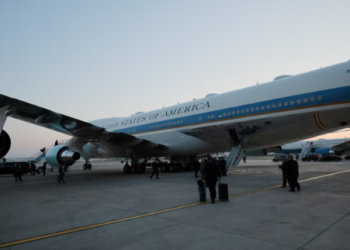 Trump Swaps Planes Amid Iran Tensions
 Ann Widdecombe, Formidable Political Figure, Dies at 78
 UK Schools Struggle as Classrooms Top 40C
 Yemen Accuses Iran of Violating National Sovereignty
 Houthis Strike Saudi Arabia as Middle East Tensions Rise