Published: 13 May 2026. The English Chronicle Desk. The English Chronicle Online.
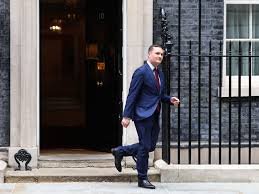
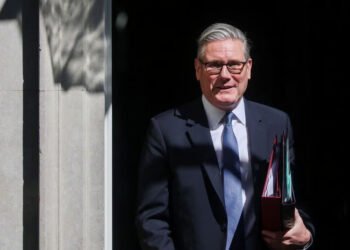
The morning sun cast long shadows over Downing Street as Wes Streeting arrived for talks. This high-stakes meeting occurred amid a backdrop of growing instability within the Labour Party ranks. Keir Starmer welcomed the Health Secretary while his own political authority faced its most significant test. Many observers watched the black door of Number 10 with intense interest throughout the short encounter. The meeting lasted a mere sixteen minutes before the Health Secretary made a very quiet exit. He declined to speak with the waiting media as he walked away from the historic building. This brief interaction has sparked a wave of fresh speculation regarding his future political career moves. Allies of the Health Secretary suggested the talk was a platform for very candid personal honesty. They portrayed the dialogue as a necessary moment to express deep concerns about the current direction. However, insiders from the Prime Minister’s office offered a much calmer version of the morning events. They insisted that Streeting sought to downplay any rumours of an imminent leadership bid or challenge.
The atmosphere in Westminster remains incredibly thick with tension following recent local election results across Britain. These results were described by many senior figures as nothing short of a total political disaster. Dr Zubir Ahmed added significant fuel to this fire with his public resignation on Tuesday morning. He walked away from his role as a junior health minister with a very stinging rebuke. Ahmed blamed the Prime Minister directly for the poor performance seen at the recent ballot boxes. He urged Starmer to set out a clear timetable for an orderly and expedient leadership transition. The former minister suggested that the Prime Minister’s authority has now irretrievably ebbed away from him. This sentiment appears to be gaining traction among several disgruntled members of the parliamentary Labour party. Ahmed specifically highlighted the impact of the central leadership on the recent Scottish parliamentary election results. He claimed the party had become an inadvertent midwife to a fifth term for the SNP.
The transplant surgeon shared his frustrations during a notable interview on the BBC Radio 4 Today programme. He explained that Scottish Labour was unable to articulate a clear offering to the local voters. This failure was attributed to the constant noise and distractions coming from the central party leadership. The surgeon noted that voters were left waiting for a speech that never actually arrived at all. This lack of strategy led to a spontaneous outpouring of frustration from many different party colleagues. Ahmed insisted this was not just a move from one single faction of the modern party. He believes there is now a commonly held view that the current situation is totally unsustainable. This public intervention has placed even more scrutiny on the positioning of Wes Streeting this week. The Health Secretary is widely seen as a potential successor for those seeking a post-Starmer future. He has remained publicly loyal but the actions of his closest allies suggest a different story.
Four junior ministers who are close to Streeting have already resigned from their government positions lately. These individuals have openly called for the Prime Minister to step down for the party’s sake. Their departures have created a sense of isolation around the central leadership team in Downing Street. Starmer’s remaining allies are working hard to project an image of stability and continued executive control. They argue that the Prime Minister has successfully survived the most immediate threats to his high office. Nick Thomas-Symonds described the morning meeting with Streeting as nothing more than a simple social coffee. He mocked the intense media speculation by comparing the scene to a dramatic James Bond movie finale. The Cabinet Office minister stated that no viable leadership challenge currently exists within the party ranks. He pointed out that rebels have failed to unite behind a single alternative candidate for leader. Under party rules, any challenger would need the formal backing of at least eighty-one sitting MPs.
Thomas-Symonds claimed that there is currently no evidence of any candidate holding such significant support levels. Despite these defensive statements, the pressure on the Prime Minister continues to build from other directions. Downing Street is trying to project calm before the arrival of King Charles for the ceremony. The King’s Speech is a major moment in the legislative calendar for any sitting British government. However, a report from The Guardian has revealed a deep rift with the Labour-affiliated trade unions. Eleven major unions are now predicting that Starmer will not lead them into the next election. This group includes powerful organisations such as Unite and the historically loyal GMB union leadership team. These unions are expected to issue a joint statement calling for a new leadership plan soon. They believe the party cannot continue on its current path after the devastating local election losses. A leaked copy of their statement suggests that the government is failing to deliver real change.
The union general secretaries wrote that the recent election results were a clear warning for the party. They feel the Labour movement is not doing enough for the working people who voted recently. This lack of perceived progress has created a rift that may be very difficult to heal. The Prime Minister now finds himself squeezed between internal parliamentary rebels and external union power brokers. Every move he makes is being analysed for signs of weakness or a loss of control. The sixteen-minute duration of the Streeting meeting is being interpreted in many different conflicting ways. Some see it as a sign of a functional relationship while others see a total breakdown. The absence of a formal press statement from Streeting himself has only added to the mystery. Westminster is a place where silence often speaks much louder than any prepared public statement can. The coming days will be crucial for the survival of the current Labour government leadership team.
The Prime Minister must find a way to silence the noise and regain his political momentum. He needs to convince his own MPs that he is still the best person for the job. This task is made harder by the public criticisms coming from former ministers like Dr Ahmed. When a respected surgeon and minister resigns, the public tends to take very close notice indeed. The narrative of a leadership in terminal decline is a very difficult one to change quickly. Starmer will be hoping that the King’s Speech provides a much-needed reset for his legislative agenda. He wants to focus on policy wins rather than the internal mechanics of party management issues. Yet, the shadows of potential successors continue to loom large over every single government announcement made. Wes Streeting remains a central figure in this unfolding drama whether he wishes it or not. His every gesture is being watched by colleagues looking for a sign of his intentions.
The Labour Party has a long history of internal debate and sometimes very public leadership struggles. This current crisis feels particularly acute because it follows a period of such high electoral hope. The transition from a general election victory to a local election defeat has been very jarring. It has left many activists feeling confused about the core identity of the current government today. The influence of the trade unions adds another layer of complexity to this entire political situation. Without the support of the unions, a Labour leader often finds their position becomes completely untenable. The joint statement from the eleven unions could be the final straw for some wavering MPs. They will be looking at the polling data and wondering about their own future seat security. If the feeling of inevitable defeat takes hold, the calls for change will only grow louder. The Prime Minister is currently fighting a battle on multiple fronts with very few easy options.
As the King prepares to open Parliament, the focus should be on the future of Britain. Instead, the focus remains firmly fixed on the future of the man leading the country today. The short meeting in Downing Street was a small moment in a much larger political storm. It highlighted the fragility of the current power balance within the Cabinet and the party. Whether Starmer can weather this storm remains the biggest question in British politics this spring. The English Chronicle will continue to monitor these developments as the situation evolves in London. Readers can expect further updates as more details emerge from the heart of the government. The path forward for the Labour Party is currently shrouded in a great deal of uncertainty. Only time will tell if this sixteen-minute meeting was a beginning or an end point. For now, the Prime Minister remains in place, but his grip on power is slipping. The political landscape of the United Kingdom is shifting once again in a very dramatic way.
Related News:
 Green Party Surges Past Labour in Latest UK Poll
 Trump’s UK Ambassador Urges North Sea Drilling to Strengthen US Ties
 French Taxi Driver Cleared in David Lammy Theft Case After Fare Dispute
 Millionaires group urge Reeves to introduce wealth tax to ‘lift kids out of poverty’
 Starmer Faces Growing Dissent as Labour MPs Weigh Leadership Challenge
 Reeves rejects £1bn plea for NHS redundancy payouts
 PM Condemns Leaks, Vows Loyalty to Ministers and Stability
 Major Rent Reform Ends No-Fault Evictions in England
 Peers Flood Assisted Dying Bill with 942 Amendments
 Most Tories Expect to Support a Farage-Led Government
 Labour MP claims devolution bill is ‘blatant discrimination’ against Cornwall
 Millions Face Higher Taxes Under Reeves New Budget
 Starmer Says Labour’s Economic Plan Needs Years to Deliver
 Culture secretary to review Telegraph takeover by Daily Mail owner
 UK Government Borrowing Drops to £11.6bn in December
 Labour Blocks Burnham as Party Rift Deepens Ahead of Polls
 Andy Burnham and the Labour Rift Over Power and Leadership
 Huge mistake: Labour blocks Burnham from byelection bid
 Artificial intelligence will cost jobs, admits Liz Kendall
 Labour targets Greens on drugs in Gorton Denton byelection
 Greens nominate Hannah Spencer for Gorton and Denton byelection
 Mandelson Faces Police Inquiry Over Epstein Leak
 Starmer Condemns ‘Depraved’ Russian Strikes on Ukraine
 Labour Thinktank Row Deepens Over Journalist Probe Claims
 Morgan McSweeney downfall shocks Labour leadership
 Labour Lord Doyle Apologises Over Paedophile Ties in Political Storm
 Cabinet Secretary Shake-Up Triggers Due Diligence Warning
 Starmer Faces Inquiry Calls Over Thinktank Probe
 Royal Mail Delivery Crisis Deepens Amid Weather Chaos
 UK shelves £110m border project amid trade strain
 Farage Unveils Reform UK Frontbench Team
 California Democrats Vow Trump Reckoning
 Trump Tariffs Threat Spark UK and EU Alarm
 Wales Approves Assisted Dying Bill Consent
 UK EU Trade Reset Gains Public Backing
 Your Party leadership fight nears dramatic end
 Green Party Stuns Labour in Gorton and Denton Byelection
 Corbyn Leads Your Party in Coordinated Left-Flank Strategy
 Labour Together scandal sparks clean break vow
 Asylum Seekers to Work After Year-Long Wait
 Starmer Row as Greens Demand Apology
 Proposed Law Leaves Gap for Children of Convicted Paedophiles
 Gordon Brown urges court for crimes against children
 Starmer Praised for Stance on Trump and Iran Conflict
 Inquiry into HMRC child benefit errors launched by NAO
 NHS Plans to Cut Overseas Workers Labeled Overambitious
 Farage Faces Backlash Over Crypto Cameo Endorsements
 Army Probes Apache Flyover at Kid Rock’s Nashville Estate
 Relationship with Trump may be beyond repair, Starmer warned
 Unions Raise Concerns Over Doctors’ Pay Dispute
 UK Government Poised to Revive Stalled Hillsborough Law
 UK Stands Firm on Falklands Amid US Rift
 Welsh Labour Faces Potential Historic Election Defeat
 Starmer Survives Mandelson Rebellion
 Silent Tracks: Rail Line Without Passengers
 Major test for Labour as polls open in Great Britain
 Labour Members Doubt Starmer Future as Burnham Leads Poll
 Reform UK Faces Crisis as Newly Elected Councillors Resign
 Farage Faces New Questions Over Private Helicopter Use
 Keir Starmer Struggles to Secure His Grip on Downing Street
 NHS Drug Deal Faces Legal Threat Over US Trade Agreement
 Green Party Makerfield Candidate Resigns Over Posts
 UK Welfare: Focus on Jobs Over Benefit Cuts, Says JRF
 Secret Role of UK Security Services in Troubles Amnesty Law
 Starmer Leadership Under Pressure After Setbacks
 The Hidden Crisis Eroding Trust in British Communities
 Deepfake Abuse on X Sparks Safety Concerns for Dissidents
 Modernising the Military: Carns Demands Urgent Procurement Reform
 UK Ministers Lobby Trump Over Under-16s Social Media Ban
 Starmer Resolves to Fight Burnham in Leadership Battle
 Starmer Resigns as Prime Minister Amid Internal Pressure
 MP Warning: Northern Rail Risks Repeating HS2 Failures
 Hollie Ridley to Step Down as Labour General Secretary
 New South Wales Premier Chris Minns Signals Tough Road Ahead for Labor
 Jarvis Urges Burnham to Secure 3.5% Defence Spending
 Farage Warns Sky News Following Financial Inquiry
 Reform UK Finances Face Deep NCA Probe
 Ann Widdecombe, Formidable Political Figure, Dies at 78
 Treasury Reform Urged After Tragic Loss
 Sadiq Khan Backs Call for Maximum UK Work Heat Limit