Published: 20 May 2026. The English Chronicle Desk. The English Chronicle Online
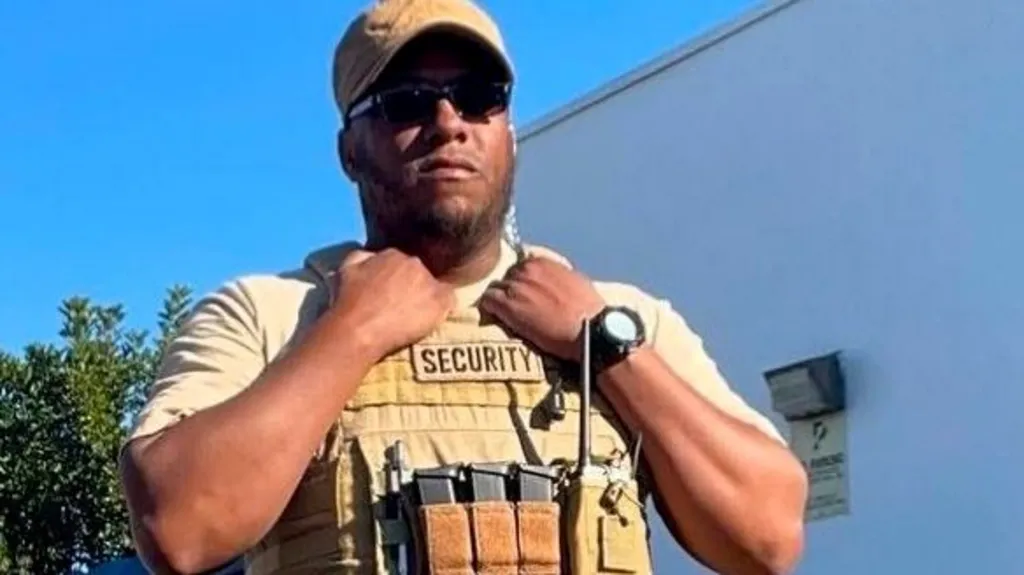
In the aftermath of the devastating attack on the Islamic Center of San Diego this past Monday, May 18, 2026, the community and the nation are mourning the loss of three pillars of the mosque, while simultaneously celebrating the extraordinary valor of one man. Amin Abdullah, the 51-year-old security guard who was among the three individuals killed, is being hailed as a hero whose split-second decisions and selfless actions undoubtedly prevented a far greater tragedy. A dedicated father of eight, Abdullah was more than just a security guard; to those who knew him, he was the heartbeat of the mosque, a “shining light” who greeted every visitor with a smile and a hand ready to help, regardless of their background or circumstance.

The events of Monday morning, which are currently being investigated by authorities as a hate crime, unfolded with a terrifying speed that challenged the resilience of the entire Clairemont Mesa East community. According to police reports, two teenage assailants, armed with multiple weapons, arrived at the Islamic Center with the clear intent to inflict mass casualties. As the attackers attempted to force their way into the lobby—an area dangerously close to the school where 140 children were gathered—Abdullah, who had served the mosque for over a decade, immediately engaged. Witnesses and investigators have confirmed that Abdullah’s “clinical” and courageous response forced the gunmen back out into the parking lot. Though he was struck during the ensuing gun battle, his decision to stand his ground created a vital “bottleneck” that prevented the suspects from reaching the classrooms.
The heroism of Abdullah did not occur in isolation. Alongside him, two other community pillars, Mansour Kaziha and Nader Awad, also lost their lives while attempting to intervene and protect their neighbors. Imam Taha Hassane, who has led the Islamic Center for over 20 years, shared his profound grief, noting that he had never navigated a single challenge at the mosque without Abdullah’s assistance. Whether he was acting as a caretaker, a handyman, or a welcoming presence for local children, Abdullah was the man everyone turned to. His “speechless determination” to defend the innocent was not just a professional duty; it was the culmination of a life defined by quiet, unwavering service. The Imam described the loss as an “asymmetric” blow to the heart of the community, one that leaves an irreparable void in the daily life of the center.
The national response to the shooting has been one of deep shock, with the FBI confirming that the two teenage suspects had met online and left behind writings expressing broad, white supremacist hatred. The discovery of their plans, which included symbols associated with extremist ideologies, has intensified the discourse surrounding the rise of anti-Muslim rhetoric across the United States. Yet, amidst the horror, the story of Amin Abdullah has become a rallying point for unity. An online fundraising campaign launched in his name has seen an overwhelming outpouring of support, raising over $1.7 million in less than 48 hours, a testament to the lives he touched and the legacy of kindness he leaves behind.
For the families of the victims and the frightened parents who rushed to the “reunification center” on Monday, the relief of knowing their children were safe is inextricably linked to the sacrifice of the three men. San Diego Police Chief Scott Wahl, in a press conference that sought to provide transparency to a traumatized public, made it clear that the day’s outcome was shaped by Abdullah’s bravery. “It’s fair to say his actions were heroic,” Wahl stated. “Undoubtedly, he saved lives today.” This sentiment was echoed by former colleagues and community members, who remember Abdullah not for the way he died, but for the way he lived—always ready to protect, always ready to welcome, and always a symbol of the humanity that this tragedy so cruelly attempted to extinguish.

As San Diego begins the process of healing, the memory of Amin Abdullah stands as a defiant monument to the values of courage and communal care. He was a father of eight who worked to build a sanctuary, and when that sanctuary was threatened, he ensured that it remained a place of safety for the children he loved. In the history of the Islamic Center of San Diego, his name will be remembered alongside those who gave everything to preserve the lives of others. For the community, the pain is deep and “nasty,” but the example set by a man who simply wanted to defend the innocent remains a beacon of light in the darkest of times.
Related News:
 Two National Guard Soldiers Critically Injured Near White House
 American Mother Extradited From UK to U.S. on Murder Charges
 Suspect in Rhode Island Ice Hockey Shooting Killed Ex‑Wife and Son
 Eight Skiers Found Dead After California Avalanche
 Desperate Hunt for Breakthrough in Nancy Guthrie Case Turns to Mexico
 Violence Erupts in Mexico After Drug Lord El Mencho Killed
 Who Was El Mencho, Mexico’s Most Wanted Man?
 What We Know About the Search for Savannah Guthrie’s Mother Nancy
 Family Offers $1M Reward to Bring Home Missing Mother
 Threat of Further Violence Looms After Mexican Cartel Rampage
 US ‘Suitcase Murderer’ Deported From Bali After 11 Years in Jail
 American Citizen Killed in Cuba Boat Shooting, U.S. Officials Say
 Hillary Clinton Tells House Panel She ‘Had No Idea’ of Epstein’s Crimes
 Search Intensifies for Savannah Guthrie’s Mother
 Trump ‘sex attack’ claim reported in Epstein files
 Two Charged After Bomb Attack Outside NYC Mayor’s Home
 Real Estate Brothers Convicted in Sex Trafficking Trial
 US ‘Narco Boat’ Strikes Draw Global Outcry
 Northern Ireland Family of Three Shot Dead in Maguiresbridge Home Incident
 Seventeen Dead as Russia Targets Ukrainian Prison in Devastating Airstrike
 Channel Crossings Surge: Over 1,000 People Arrive in the UK in Small Boats in a Single Day
 WW2 Pilot’s Long-Lost Crash Site Unearthed in Essex
 Just Stop Oil Protesters Convicted Amid Climate Defence Row
 Indian authorities demolish Kashmir home linked to Red Fort blast
 Greene Pushes Epstein Files Amid Trump Fallout
 Deadly Russian Strikes Hit Western Ukraine, 20 Killed in Ternopil
 Venezuela Threatens Nobel Winner Machado with Fugitive Status
 Southern Lebanon reels as Israeli strikes shatter communities
 Russia losses Ukraine war peace talks intensify amid rising deaths
 US Cities Erupt in Protests Against Trump’s Venezuela Military Action
 Trump Escalates Minnesota Immigration Surge Amid Rising Tensions
 Trump Weighs Response to Iran Crackdown as Tehran Says Communication Open With US
 US Clears Nvidia AI Chip Sales to China in Policy Shift
 Trump Threatens Strong Action If Iran Executes Protesters
 Portland man pleads not guilty after Border Patrol shooting
 Thousands Flee Cambodia Scam Centres Amid Global Pressure
 EU Says US Ties Have Suffered ‘Big Blow’ After Greenland Crisis
 Videos reveal earlier clash before Alex Pretti shooting
 ‘We Are Ready to Talk’: US News Anchor Savannah Guthrie Pleads for Return of Her Abducted Mother
 Fears of New Arms Race as US-Russia Nuclear Weapons Treaty Expires
 SA Police Intensify Search in Gus Lamont Case
 Iran Says ‘Guiding Principles’ Agreed With US at Nuclear Talks
 Nine Arrested in France Over Death of Far‑Right Student
 South Korea’s Ex-President Faces Death Penalty in Insurrection Trial
 Epstein Eyed Record Label Investment to Access Women, Files Suggest
 US Will Not Back Out of Tariff Deals with UK and Others, Says Trump Trade Representative
 Sydney kidnapping mystery deepens as grandfather’s remains found after mistaken abduction
 Louvre Museum Director Resigns Months After High‑Profile Heist
 Bill Gates ‘Took Responsibility’ Over Epstein Ties in Staff Meeting, Foundation Says
 Deadly Texas Bar Shooting ‘Potentially Act of Terrorism,’ FBI Says
 Kidnapping of Foreigners Soars in Africa’s Lawless Sahel Region
 Trump Faces Questions Over Iran Conflict Plan
 The US Now Has the Medicine for Cheap Swarming Drone Attacks
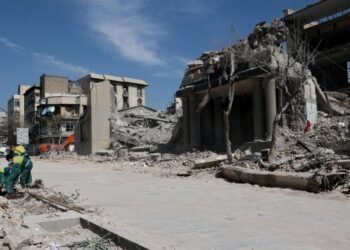 US Senate Backs Trump War Powers Amid Iran Missile Barrage
 Pete Hegseth Iran War Remarks Spark Alarm
 Alleged Bondi gunman seeks order to suppress family’s identity
 Iran War Puts Trump at Political Risk Amid Rising Prices
 Trump’s Confidence Undimmed — But Every Iran Option Carries Risk
 Missing Cuba-Bound Aid Ships Spark Urgent Search
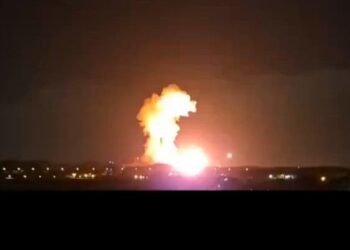 Chain of Fire: US Bunker Busters Strike Major Iranian Ammo Depot in Isfahan
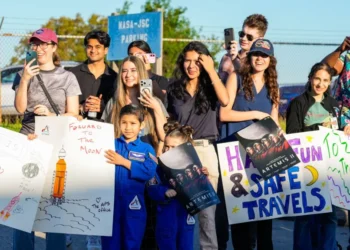 ‘At the Doorstep of the Future’: Florida’s Space Coast Braces for Historic Artemis II Launch
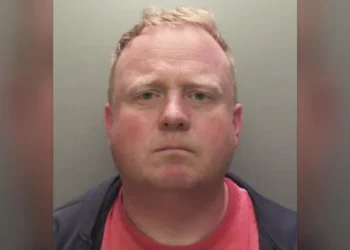 “The Monster of Hull”: Funeral Director Admits to Preventing 30 Burials and Stealing Charity Cash
 US Airman Rescued in Daring Mission After F-15 Shot Down in Iran
 The Fallen Icon: Ben Roberts-Smith Charged with Five War-Crime Murders
 The Gilgo Beach Case: Heuermann Expected to Plead Guilty to Eighth Victim
 California fireworks blast: murder charges filed in case
 Arrest Made: Singer D4vd Held Without Bail in Death of 14-Year-Old Girl
 The ‘Big Fish’ Lands: Marcos Confirms Arrest of Key Figure in Flood-Control Scandal
 Struggling to Survive: Millions of Iranian Jobs Lost to Conflict
 Justice and Deceit: High Court Convicts Woman in Hong Kong Blackmail Plot
 Tragedy in the Red Centre: Outback Search Ends in Discovery of Missing Girl’s Body
 Cartel crackdown raises fears of fresh violence
 Trump Threatens UN Budget Cuts as US Pushes ‘Trade Over Aid’ Agenda
 “Speechless and Determined”: Two Dead, 22 Injured in Leipzig “Vehicular Rampage”
 US Court Restores Abortion Pill Access Temporarily
 Miami Upgrades Shake Up F1 Title Fight
 “The Blue Light Intersection”: Seventeen-Year-Old Critically Injured in ‘Nasty’ Police Pursuit Crash
 Tensions Emerge in Netanyahu-Trump Alliance
 US Awaits Iran Reply on New Ceasefire Proposal
 “A Political Reckoning”: Kentucky’s Thomas Massie Ousted in Landmark Primary Defeat