
Published: 20 May 2026. The English Chronicle Desk. The English Chronicle Online
As an intense, persistent heat wave grips the region, the simple act of falling asleep has become a significant, “asymmetric” challenge for millions. The body’s ability to initiate and maintain restorative, deep-cycle sleep is intimately tied to a drop in core body temperature, typically occurring in the evening as part of the circadian rhythm. When ambient indoor temperatures remain stiflingly high through the night, this thermoregulatory process is interrupted, leading to fragmented sleep, increased heart rate, and an eventual, “clinical” state of exhaustion. Navigating this “resilience deficit” requires more than just a fan; it demands a comprehensive, “speechless determination” to manipulate your sleep environment and your own physiology to create the conditions necessary for rest.

The most fundamental error many make is attempting to force the body to cool down without first addressing the thermal saturation of the bedroom. Walls, mattresses, and linens act as thermal “bricks-and-mortar,” soaking up heat throughout the day and releasing it slowly during the night. To combat this “bottleneck,” experts recommend a strategic approach to ventilation. During the peak heat of the day, keep windows closed and curtains or blinds drawn to prevent the greenhouse effect. In the evening, once the outside temperature drops below the indoor temperature, create a cross-breeze by opening windows on opposite sides of the house. If you are using a portable fan, the “clinical” best practice is to position it so that it pulls cooler air from outside into the room, rather than just circulating the stagnant, overheated indoor air.
Personal thermoregulation during the night also requires a shift in approach. The common, “nasty” habit of using heavy cotton sheets or synthetic duvets creates an insulating trap that prevents the body from shedding heat effectively. Instead, opt for lightweight, breathable fabrics like linen or bamboo, which possess natural moisture-wicking properties and promote better airflow. A highly effective, “asymmetric” trick is to store your pillowcase in a sealed bag in the freezer for a few hours before bedtime. While the cooling effect is fleeting, it provides enough of a physical “reset” to help you drift into the initial, vital stages of sleep. Additionally, lukewarm—not cold—showers before bed can help; a cold shower causes the body to react by conserving heat, whereas a lukewarm one encourages vasodilation and the subsequent release of core heat from the skin’s surface.
Managing your physiological state is equally critical. The “accountability rot” often found in our evening routines—such as intense exercise right before bed or consuming alcohol—can significantly hinder your cooling mechanisms. Alcohol, in particular, may initially make you feel drowsy, but it disrupts the body’s ability to regulate temperature, leading to nocturnal sweating and early-morning awakenings. Hydration is key, but the timing matters; drink water consistently throughout the day, but taper off your intake an hour before sleep to minimize disruptions from needing to wake up. For those with access to air conditioning, setting the thermostat to a moderate, efficient temperature—rather than an extreme setting that causes the unit to cycle on and off—maintains a stable, consistent environment that the body can adapt to more comfortably.

If you find yourself still awake and frustrated, the worst “asymmetric” response is to lie in bed and fixate on the heat. This cognitive stress triggers the release of cortisol, which further increases your body temperature and alertness. If sleep remains elusive after 20 minutes, the best “clinical” approach is to leave the bedroom, engage in a low-stimulation activity like reading a book in a cooler area of the home, and wait for the natural wave of sleepiness to return. As climate patterns become more volatile, building a personalized, “speechless determination” to optimize your sleep hygiene is not just a comfort measure—it is a mandatory health practice. By treating the bedroom as a thermal sanctuary and employing these proactive strategies, you can mitigate the impact of external weather conditions and ensure that even in the midst of a heat wave, your body receives the rest it requires to function effectively.
Related News:
 Illegal Skin Lightening Cream Being Sold in UK Butchers, Watchdog Warns
 Adoption Breakdown Ended My Career and Relationship – ‘We’re Told to Get On With It’
 Mind Launches Inquiry into AI and Mental Health After Guardian Investigation
 Mystery GP on Train Saves Passenger’s Life
 ‘A Disgrace’ — Patient Blasts Neurology Report
 The Surprising Power of Daily Rituals
 Parents of Gravely Ill Child Refused Respite Care
 ‘I Almost Died After a Touch‑and‑Go C‑Section’
 Vegetarian Diet Linked to Lower Risk of Several Cancers
 ‘It’s Joy in a Pot’: Why Houseplants Could Make You Happier
 Water Cremation Introduced in UK First
 I Met the Man Who Murdered My Identical Twin. What He Told Me Brought Me Peace
 GPs Losing a Day of Appointments to No‑Shows Each Month
 Should We Be Eating Three Meals a Day? Experts Rethink Traditional Meal Patterns
 Scots Firefighter Cycles 800 Miles for MND Charity
 Woman, 29, ‘Chucked’ Into Care Home 100 Miles Away
 Why Every Culture Has a Healing Broth
 Father Dies by Suicide Weeks After Wedding in Clitheroe
 SNP Health Secretary Criticised Over NHS Failures Locally
 Scotland Combines Alcohol and Drug Strategy to Cut Addiction Deaths
 Dad Delivers Baby After Midwife Flees During High‑Risk Labour in UK
 Mother of Child Cancer Survivor Fears UK Visa Changes
 Schnauzer Travels 140 Miles for Life-Saving Spinal Surgery
 Horror in the Outback as Crocodile Kills World-Renowned Doctor
 Mother’s Heartbreak as Son Traumatised by Friend’s Sexual Abuse
 Brain-Damaged Scot ‘Stuck’ in Hospital at Centre of Police Probes
 ‘A Living Nightmare’: Parents of Vaccinated Teenager Speak Out After Rare Meningitis B Battle
 ‘A Cliff Edge’: Hospice Leaders Warn Cutbacks Are Only Way to Survive
 The High Cost of Survival: How the 2026 Fiscal Outlook is Redefining British Life
 Safety Fears at New £200m Maternity Unit: Mums-to-Be ‘Put at Risk’
 ‘Ripple of Fear’: Iran War Fears Sink UK Consumer Confidence to 11-Month Low
 Fuel Famine: How African Nations are Rationing Power and ‘Diluting’ Petrol to Survive
 ‘My Daughter is Under the Rubble’: The Human Cost of the Tehran Strikes
 Parents Warned Against Letting Children Cuddle Lambs Following Infection Spike
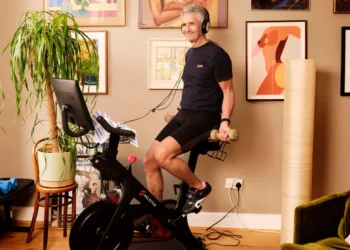 Tim Spector: ‘At 67, I’m Fitter Than Ever Thanks to These Five Tips’
 Rising Bills and Public Services: The Real Cost of Council Tax
 Mother Navigates Autism Care With Little Support
 ‘Look After the Children’: The 84-Year-Old Widower Fighting a Broken Care System
 ‘The Best Decision I Ever Made’: A Mother’s Viral Plea After a Near-Miss with Lung Disease
 Swept Out in Seconds: Rip Current Warning After Dramatic Rescue of Five Teens
 The Miracle of Phoenix: ‘Half Dead’ Rescue Dog Defies the Odds in Worcestershire
 The Hidden Hurdle: Breaking the Silence on Athletic Incontinence
 The Friendship Friction: Would You Call Out Your Friend’s Toxic Behaviour?
 The Sofa Sanctuary: Llantwit Major Family Living in ‘Disgusting’ Rat Infestation
 Near-Miss Tragedy: 11-Year-Old Injured After Found Gun Discharges
 The ‘Pain-Free’ Revolution: Hospital Celebrates ‘Seismic’ Hip Surgery Milestone
 The Cost of Compassion: Rising Fuel Prices Put ‘Seismic’ Strain on Transport Charity
 The Price of Help: Fuel Surge Threatens Charitable ‘Power Plant’
 Heroism on the Platform: Strangers Save Youth After Seizure on Train Tracks
 Toxic Trail: Dog Owners Warned Over ‘Vile’ Poisoned Meat Found in Parks
 Turning Point: Britney Spears Enters Rehabilitation Following DUI Incident
 The Spectrum of Wit: All-Autistic Comedy Line-up Breaks ‘Seismic’ Ground
 The Wheels of Hope: Charity Delivers ‘Seismic’ Joy Through Specialized Bikes for Children with Cancer
 The Waiting Ward: ‘Month of Worry’ as Doctor Strikes Trigger Seismic Surgery Delays
 Rights and Respect: Nurse Wins Legal Settlement Over Transgender Pronoun Dispute
 The Pouch Peril: Dental Experts Probe the ‘Seismic’ Impact of Nicotine Pouches on Oral Health
 Accountability in Care: Nurse Struck Off Following ‘Seismic’ Failure to Administer Medication
 ‘A Walking Miracle’: UK’s Youngest In-Utero Transfusion Patient Celebrates Recovery
 ‘The Cost of a Life’: Air Ambulances Fear Fuel Spikes May Force Operational Grounding
 The Price of Safety: Why Parents are Quitting Careers to Manage Child Food Allergies
 NHS Safety Fears as Nurses Cover Doctor Gaps
 A Nation in Flux: UK Healthy Life Expectancy Plummets to Record Lows
 From Prickly to Portly: “Tubby Ted” the Blind Hedgehog Begins Weight Loss Journey
 The “Cancer Commute”: Patient Warns of Breaking Point Over 40-Mile Treatment Trek
 Man Opens Up on Cleft Lip at 60 in Emotional Journey
 “A Death Sentence for Levi”: Family Speaks Out on the Aftermath of Sexual Violence
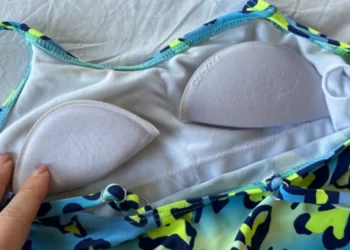 “Adult Trends” for Children: Mum’s Viral Horror at “Sexualised” Swimwear in Major UK Retailer
 Robotic Revolution: UK Surgeons Complete First “Fully Autonomous” Abdominal Procedure
 “The Weight of the Nation”: Campaigners Demand Overhaul of “Fragmented” Eating Disorder Care
 Understaffed and Overstretched: CQC Downgrades CAMHS Wards as “Requires Improvement”
 Breaking the Habit: Psilocybin Outperforms Nicotine Patches in Landmark Smoking Cessation Trial
 “Invisible Agony”: 98-Year-Old Woman Left in “Severe Pain” for Days Amidst Care Backlog
 The “Time Tax” of Memory: Why Dementia Care is the Ultimate Test of UK Resilience
 “Fear is a Choice”: The 80-Year-Old Great-Grandmother Defying the “Dopamine Desert”
 The “Dementia Deficit”: Why 2026 is the Breaking Point for UK Social Care
 Precision Without the Scalpel: UK Team Reaches “New Frontier” in Robotic Abdominal Surgery
 “Recalibrating, Not Retiring”: Dolly Parton Cancels Las Vegas Residency Amid Health Battle
 Florida Surgeon ‘Devastated’ Over Fatal Surgery Error
 “The Invisible Shield”: A Comprehensive Guide to Sunscreen Science and Application
 “The Invisible Threat”: Understanding UV Indices and Building Your Personal Defense Strategy