Published: 21 May 2026. The English Chronicle Desk. The English Chronicle Online.
A profound disconnect has emerged within the British electorate regarding the true trajectory of national immigration statistics. Recent data indicates that a vast majority of citizens firmly believe immigration numbers are escalating rapidly across the country. This widespread public perception stands in stark and direct contrast to verified official government records. A leading independent thinktank has recently uncovered a massive chasm between reality and public belief. Their comprehensive new research reveals that millions of voters are completely unaware of massive statistical declines. This fascinating study was purposefully published just ahead of the latest official government migration figures. The findings show that a substantial portion of the public believes immigration has significantly increased lately. However, official tracking data actually demonstrates a sharp and unprecedented fall over recent months. This striking analytical revelation has sent shockwaves through the contemporary British political and media establishment.
According to validated historical records, net migration dropped from an absolute peak of 944,000 people. This extraordinary historical high was officially recorded in the year leading up to March 2023. Since that peak, the total numbers plummeted down to 204,000 by June of 2025. This dramatic reduction represents the lowest overall annual influx that Britain has seen in years. The highly anticipated latest figures are scheduled to be published by authorities on Thursday morning. Most leading economic and social experts expect these new figures to show further substantial decreases. Despite this undeniable downward trend, the general British public remains deeply convinced of the opposite. The complex sociological research was conducted using rigorous methodology by the respected organization British Future. Their data clearly shows that public anxiety regarding border control remains exceptionally high nationwide. Voters from every point on the political spectrum seem equally confused about current realities.
The statistical breakdown of this pervasive public misconception highlights a very deeply polarized nation. According to the research, 67% of people with skeptical views believe net migration increased. This stands in contrast with 37% of individuals who hold much more liberal views. The study also discovered that six in 10 people desiring reduced immigration believe numbers rise. Furthermore, only a tiny 15% of the total population expects lower migration next year. These numbers illustrate a major communication failure between the governing bodies and the general electorate. The researchers also uncovered massive factual errors regarding the specific composition of incoming groups. For instance, the public widely believes that individuals seeking asylum account for 33% of immigration. In reality, asylum seekers make up a mere 9% of the total arriving population. This massive exaggeration shows how specific highly publicized issues can distort overall public awareness.
Similar statistical gaps were found regarding people travelling to the United Kingdom for university study. The British public believes that international students account for roughly 24% of total immigration numbers. In reality, students actually comprise just over half of all individuals arriving in the country. This massive misunderstanding regarding international students could severely impact the higher education sector if unaddressed. The director of British Future, Sunder Katwala, has commented extensively on these troubling analytical findings. He strongly believes this massive perception gap is actively shaping the entire national immigration debate. Katwala notes that this misunderstanding is also profoundly influencing broader British politics ahead of elections. It is little wonder voters think net migration is rising given current political rhetoric. The only debate politicians ever have is focused entirely on how to bring numbers down. He argues the nation should instead discuss how to manage the pressures and gains.
The ongoing conversation surrounding immigration has become increasingly polarized over the last several years. This intense social polarization has been particularly visible since the momentous Brexit referendum occurred. A full decade on, aggressive political rhetoric has heavily shaped modern British attitudes on immigration. Numerous pledges across the political spectrum have focused on thwarting unauthorised crossings of the Channel. Media coverage of these small boat crossings remains incredibly high on a daily basis. This constant focus on illegal entries completely overshadows the declining reality of legal migration pathways. While overall net immigration figures have dropped, political hostility has notably increased among major parties. Analysis shows that Labour and Conservative politicians have spoken with unprecedented hostility regarding immigration. This elevated level of aggressive political rhetoric is higher than almost any other historical period. Mistrust on immigration matters is now deeply shared across all major political parties.
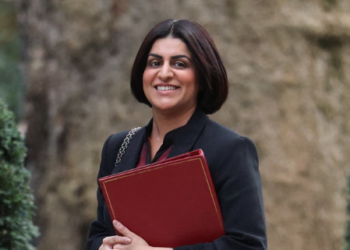
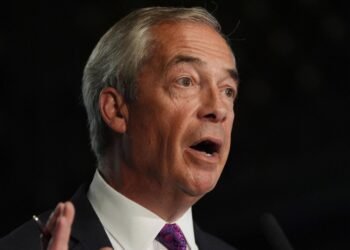
In November, Home Secretary Shabana Mahmood acknowledged a huge 69% drop in net migration figures. This drop occurred during the 12 months leading up to June of 2025. Mahmood noted this represented the lowest annual figure the nation had experienced since 2021. However, she firmly stated that the government intends to go much further with restrictions. She argued that the past pace and scale of migration placed immense pressure. This immense pressure has heavily impacted local infrastructure, schools, and healthcare systems across Britain. In response to this official statistical fall, Shadow Home Secretary Chris Philp reacted strongly. Philp publicly asserted that the current administration needs to go much further to protect borders. Meanwhile, the Reform UK party has boldly pledged to reach a state of net zero immigration. Their controversial leader, Nigel Farage, has made several highly contested claims regarding these statistics. Farage falsely claimed the drop resulted from British emigration rather than fewer overseas arrivals.

Independent political analysts have quickly disproven these inaccurate claims using verified border control data. Currently, immigration firmly ranks as the third most critically important issue in British public opinion. It sits just behind the pressing cost of living crisis and the National Health Service. Sophie Stowers, a prominent research manager at More in Common, has analyzed this phenomenon. She believes the widespread misconception is partly driven by highly visual and emotional media content. Pictures and videos of individuals arriving on small boats draw a very visceral public response. Similarly, the opening of high-profile asylum hotels in local towns creates immediate visual impacts. These localized visual experiences easily override abstract official statistics published by distant government offices. Stowers explains that there is not always a clear tie between actual migration levels and feelings. Net migration or legal migration is only a tiny part of the overall human story. Ultimately, it is simply not the story most everyday voters are truly concerned with.
To gather this vital data, British Future collaborated closely with Number Cruncher Politics. The research team surveyed a massive, statistically representative national sample of 3,003 adults nationwide. This extensive polling occurred across Great Britain at the very end of March this year. The resulting report suggests that all major political parties may face a very unique challenge. If current trends continue, politicians will confront a radically different immigration context very soon. This shifting landscape will heavily influence strategies as parties prepare for the 2029 general election. Stowers emphasizes that public concerns about immigration are rooted in much deeper systemic anxieties. These anxieties are closely tied to feelings of personal security in an uncertain world. The issue has transformed into a proxy for whether the system is working. This deep symbolic meaning is why changing the narrative remains an incredibly difficult task. Merely discussing declining net migration statistics will not easily shift the national political dial.
Related News:
 Green Party Surges Past Labour in Latest UK Poll
 Trump’s UK Ambassador Urges North Sea Drilling to Strengthen US Ties
 French Taxi Driver Cleared in David Lammy Theft Case After Fare Dispute
 Millionaires group urge Reeves to introduce wealth tax to ‘lift kids out of poverty’
 Starmer Faces Growing Dissent as Labour MPs Weigh Leadership Challenge
 Reeves rejects £1bn plea for NHS redundancy payouts
 PM Condemns Leaks, Vows Loyalty to Ministers and Stability
 Major Rent Reform Ends No-Fault Evictions in England
 Peers Flood Assisted Dying Bill with 942 Amendments
 Most Tories Expect to Support a Farage-Led Government
 Labour MP claims devolution bill is ‘blatant discrimination’ against Cornwall
 Millions Face Higher Taxes Under Reeves New Budget
 Starmer Says Labour’s Economic Plan Needs Years to Deliver
 Culture secretary to review Telegraph takeover by Daily Mail owner
 UK Government Borrowing Drops to £11.6bn in December
 Labour Blocks Burnham as Party Rift Deepens Ahead of Polls
 Andy Burnham and the Labour Rift Over Power and Leadership
 Huge mistake: Labour blocks Burnham from byelection bid
 Artificial intelligence will cost jobs, admits Liz Kendall
 Labour targets Greens on drugs in Gorton Denton byelection
 Greens nominate Hannah Spencer for Gorton and Denton byelection
 Mandelson Faces Police Inquiry Over Epstein Leak
 Starmer Condemns ‘Depraved’ Russian Strikes on Ukraine
 Labour Thinktank Row Deepens Over Journalist Probe Claims
 Morgan McSweeney downfall shocks Labour leadership
 Cabinet Secretary Shake-Up Triggers Due Diligence Warning
 Starmer Faces Inquiry Calls Over Thinktank Probe
 Royal Mail Delivery Crisis Deepens Amid Weather Chaos
 UK shelves £110m border project amid trade strain
 Farage Unveils Reform UK Frontbench Team
 California Democrats Vow Trump Reckoning
 Trump Tariffs Threat Spark UK and EU Alarm
 Wales Approves Assisted Dying Bill Consent
 UK EU Trade Reset Gains Public Backing
 Green Party Stuns Labour in Gorton and Denton Byelection
 Corbyn Leads Your Party in Coordinated Left-Flank Strategy
 Labour Together scandal sparks clean break vow
 Asylum Seekers to Work After Year-Long Wait
 Starmer Row as Greens Demand Apology
 Proposed Law Leaves Gap for Children of Convicted Paedophiles
 Gordon Brown urges court for crimes against children
 Starmer Praised for Stance on Trump and Iran Conflict
 Inquiry into HMRC child benefit errors launched by NAO
 NHS Plans to Cut Overseas Workers Labeled Overambitious
 Farage Faces Backlash Over Crypto Cameo Endorsements
 Army Probes Apache Flyover at Kid Rock’s Nashville Estate
 Relationship with Trump may be beyond repair, Starmer warned
 Unions Raise Concerns Over Doctors’ Pay Dispute
 UK Government Poised to Revive Stalled Hillsborough Law
 Starmer Faces Commons Test Over Mandelson Scandal
 UK Stands Firm on Falklands Amid US Rift
 Crackdown Backfires on UK Climate Protesters
 Welsh Labour Faces Potential Historic Election Defeat
 Starmer Survives Mandelson Rebellion
 Silent Tracks: Rail Line Without Passengers
 Major test for Labour as polls open in Great Britain
 Labour Members Doubt Starmer Future as Burnham Leads Poll
 Reform UK Faces Crisis as Newly Elected Councillors Resign
 Farage Faces New Questions Over Private Helicopter Use
 Keir Starmer Struggles to Secure His Grip on Downing Street
 Farage Faces Standards Probe Over Cash Property Purchase
 Green Party Makerfield Candidate Resigns Over Posts
 UK Welfare: Focus on Jobs Over Benefit Cuts, Says JRF
 Secret Role of UK Security Services in Troubles Amnesty Law
 Starmer Leadership Under Pressure After Setbacks
 The Hidden Crisis Eroding Trust in British Communities
 Deepfake Abuse on X Sparks Safety Concerns for Dissidents
 Modernising the Military: Carns Demands Urgent Procurement Reform
 UK Ministers Lobby Trump Over Under-16s Social Media Ban
 Starmer Resolves to Fight Burnham in Leadership Battle
 Starmer Resigns as Prime Minister Amid Internal Pressure
 MP Warning: Northern Rail Risks Repeating HS2 Failures
 Hollie Ridley to Step Down as Labour General Secretary
 New South Wales Premier Chris Minns Signals Tough Road Ahead for Labor
 Jarvis Urges Burnham to Secure 3.5% Defence Spending
 Farage Warns Sky News Following Financial Inquiry
 Reform UK Finances Face Deep NCA Probe
 Ann Widdecombe, Formidable Political Figure, Dies at 78
 Treasury Reform Urged After Tragic Loss
 Sadiq Khan Backs Call for Maximum UK Work Heat Limit