Published: 25 May 2026. The English Chronicle Desk. The English Chronicle Online.
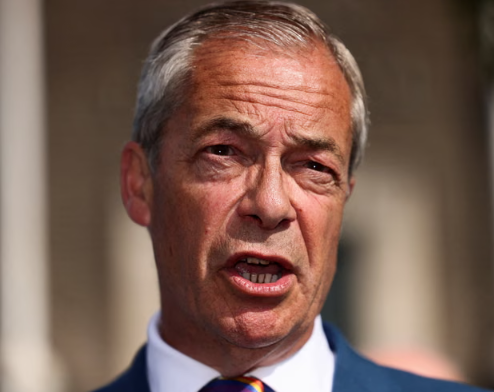
The political landscape in Westminster faces fresh volatility as Reform UK leader Nigel Farage confronts demands to substantiate dramatic claims. Mr Farage alleges that state-sponsored Russian actors orchestrated a complex cyberattack to compromise his personal electronic devices. This alleged breach supposedly preceded public revelations concerning a massive five million pound financial sum he received. The substantial financial package was provided by a prominent cryptocurrency billionaire based in Southeast Asia. Critics suggest the cyber espionage narrative serves primarily to divert attention from growing financial scrutiny. Security experts and political opponents are united in demanding immediate transparency from the veteran politician.
The controversy intensified following weekend assertions from Reform UK high-ranking officials regarding the breach. The political party stated that independent counter-espionage experts conducted a thorough analysis of his handset. Their initial findings suggested that personal emails and bank accounts faced serious malicious targeting. The party attributes this sophisticated spear phishing campaign to hostile actors operating from Moscow. This technical explanation emerged shortly after investigative journalists published details of the substantial monetary transfer. Media representatives have firmly rejected the notion that public interest reporting stemmed from foreign hacking.
Representatives from the publishing organisation described the Russian hacking allegations as entirely baseless in nature. They argue the narrative represents a calculated attempt to avoid legitimate scrutiny of personal finances. The media outlet maintains that public figures must remain fully accountable for their financial arrangements. Opponents suggest the politician is repeating a familiar pattern of attacking independent journalism platforms. It remains highly unusual for an MP to suggest international espionage explained standard press disclosures. The broadcasting watchdog and parliamentary authorities continue to monitor the escalating public debate closely.
Mainstream political parties have joined forces to demand a comprehensive independent investigation into the matter. High-ranking figures from both Labour and the Conservatives want the evidence handed over immediately. They argue that potential foreign interference in democratic processes represents a catastrophic national security threat. If genuine proof of state-sponsored hacking exists it must be evaluated by intelligence agencies. Silence from the Reform UK leadership team has only fueled skepticism among parliamentary colleagues. The British public expects clear answers when politicians make claims involving hostile foreign governments.
The National Cyber Security Centre has not yet received any official report regarding this matter. This lack of formal notification raises further questions about the validity of the claims. Government officials stress that established protocols exist for reporting suspected high-level cyber security breaches. Failing to utilise these official channels suggests a lack of urgency regarding national defense. The opposition has challenged the MP to prove he has engaged with security services. Transparency remains essential to maintain public trust in democratic institutions and political leaders.
Senior Conservative politicians have been particularly vocal in their criticism of the unfolding situation. Party leadership noted that the Reform leader previously defended aspects of Russian foreign policy. They find the sudden adoption of anti-Kremlin rhetoric highly convenient under the circumstances. The timing of the cyberattack claim aligns precisely with difficult questions about undeclared wealth. Serious concerns persist regarding a failure to register the massive sum with parliamentary bodies. Observers note that political figures cannot simply choose which rules of transparency they follow.
The financial arrangement involves Christopher Harborne a highly successful investor with deep cryptocurrency connections. Mr Harborne has historically provided substantial financial backing to various right-wing political causes. The massive payment occurred before the announcement of the summer general election campaign. The funds were transferred via a corporate structure closely linked to the wealthy investor. Initial explanations suggested the money was intended solely to guarantee personal security for life. Later statements described the millions as a reward for decades of political campaigning.
Parliamentary guidelines dictate that all incoming lawmakers must declare significant recent financial interests clearly. The independent Standards Commissioner has launched a formal investigation into the non-disclosure of funds. Rules exist precisely to prevent hidden financial influences from compromising legislative duties within parliament. The distinction between a personal gift and a political donation remains legally critical here. Some party insiders have inadvertently referred to the money as an official donation. This contradiction undermines the narrative that the funds were entirely private in nature.
Cabinet ministers have raised additional questions regarding the ultimate geographic origin of the wealth. The Defense Secretary challenged the prominent MP to clarify potential links to Russian business. Investigating foreign financial influence remains a top priority for contemporary British security services. Our democratic framework relies heavily on absolute clarity regarding political funding and personal wealth. Any suggestion that profits from hostile nations enter British politics requires rigorous official examination. The public deserves absolute certainty that lawmakers remain free from external financial coercion.
An alternative explanation from party sources suggests Vladimir Putin is angry with the politician. This anger allegedly stems from recent statements regarding North Atlantic Treaty Organisation defense commitments. However opponents previously accused the Reform leader of echoing propaganda lines regarding European conflicts. The shifting explanations have created a confusing narrative for the electorate to decipher carefully. Every politician must face standard accountability measures regardless of their populist public appeal. The coming days will likely determine the credibility of these extraordinary espionage claims.
The ongoing investigation by the Standards Commissioner will proceed independently of media commentary. This process ensures that objective facts determine whether parliamentary codes faced direct violations. Sanctions for failing to declare major assets can include suspension from the legislative chamber. The political future of the Reform movement could hinge on the outcome here. Voters are increasingly sensitive to hidden financial arrangements involving senior political figures. Reassuring the public requires a level of disclosure that has not yet occurred.
As pressure mounts the central figure faces a critical choice regarding public disclosure. Delivering concrete technical evidence to intelligence agencies would validate the serious hacking claims made. Continued failure to cooperate with authorities will likely strengthen accusations of political distraction tactics. The British political system demands adherence to rules designed to protect democratic integrity. This unfolding drama underscores the complex intersection of finance security and modern political communication. The English Chronicle will continue providing comprehensive updates as official investigations yield results.
Related News:
 UK Banks Granted Reprieve as BoE Delays Basel III Capital Rules Until 2028
 Singapore Corruption Scandal: Details Emerge on Iswaran’s Luxury Flight and Ties to Tycoon Ong Beng Seng
 Corfu Beyond the Crowds: Discovering Serenity in Southern Villages and Hidden Taverns
 Peter Andre Praises Son Junior’s ‘Quiet Season’ Amid Ongoing Family Dispute
 Massive 641-Mile Storm Set to Batter UK with 15 Hours of Rain and Strong Winds
 Jeremy Clarkson’s Pub: A Sunday Lunch Like No Other
 Scottish Government Mandates Single-Sex Toilets and Changing Facilities in Schools
 Reeves Faces Setback as Labour May Miss Homes Target
 Kate Winslet to Narrate Film Highlighting King’s Environmental Mission
 Trump’s UK Ambassador Urges North Sea Drilling to Strengthen US Ties
 Federal Immigration Shift: Officers Leave Louisiana for Minneapolis
 Fatal Bolton Taxi Crash Claims Three Teens and Driver
 Australia grants Asio powers to designate hate groups under new laws
 Friedman Uninvited From 2024 Adelaide Writers’ Week
 ScottishPower Tops List of Worst UK Energy Suppliers
 Judi Dench Champions Fight to Save London’s Green Spaces
 Crowborough Camp Welcomes First Asylum Seekers
 BBC Funding Crisis: Tim Davie Warns of Jeopardy Ahead
 ABC Facebook Page Briefly Hacked, Adult Photos Posted
 Artificial intelligence will cost jobs, admits Liz Kendall
 Older Women Vanish from BBC Screens, Review Confirms Bias
 Meta trial over child exploitation claims begins
 Streeting moves on doctor pay to end strike dispute
 Ben Stokes injury joke after brutal ball strike
 UK and US Drop in Global Corruption Index Rankings
 Send spending gap leaves deprived areas behind
 Hidden Crisis: Domestic Abuse Suicide Toll in UK
 UK Unemployment Rate Climbs to 5.2% Peak
 Canberra Poster Seizure Sparks Free Speech Row
 BBC World Cup Presenting Duties Shared Among Trio
 Wales Approves Assisted Dying Bill Consent
 CPS Updates Guidance on Honour-Based and Dowry Abuse
 Stewart Brand on Musk, Bezos and a Life of Long Thinking
 English Cricket Faces Moral Crisis Over Indian Investment
 Jacinda Ardern Move Sparks Kiwi Reflection
 Middle East Airspace Crisis Strands Thousands
 Kelly Wilkinson Inquest Reveals Bail Failure
 Asylum Seekers to Work After Year-Long Wait
 Princess Eugenie steps down as patron of anti-slavery charity
 New Zealand Covid Response Praised Despite Lingering Scars
 Injured Mojtaba Khamenei Elevated as Iran Leader
 The Kill Line: A Shifting Vision of the American Dream
 Inquiry into HMRC child benefit errors launched by NAO
 Family of Alleged Bondi Gunman Seeks Name Suppression
 Rising Costs Force Families to Rethink Days Out
 Air Canada CEO Faces Outcry Over Recent Language Misstep
 Extreme Weather: Europe Shivers as Cyclone Narelle Hits
 Scott Mills Sacked by BBC Over Personal Conduct Claims
 Palantir Boss Defends NHS Deal Amid Government Break Clause
 Asia Turns Back to Coal Amid Middle East Energy Crisis
 Relationship with Trump may be beyond repair, Starmer warned
 Trump’s Six-Week Iranian War: The High Cost of Ignorance
 US and Iran Agree to Two-Week Provisional Ceasefire
 Battle of Britain Tower to House Tourists and Bats
 The Challenger: Will Péter Magyar End the Orbán Era?
 UK Government Poised to Revive Stalled Hillsborough Law
 Democrats Move to Impeach Defense Secretary Pete Hegseth
 Security Alert Near Israeli Embassy as Police Investigate
 Ben Roberts-Smith Denies War Crime Allegations in First Statement
 Home Office Faces Legal Risks Over Asylum Hotel Living
 US-Iran Standoff: Will Trump Deploy Ground Troops?
 Crisis in NHS Surgery Scheduling Hits Patients Hard
 Investigation Into Anti-Trump Motives After Gala Shooting
 Dubai Assets Linked to Sudan’s RSF Militia Exposed
 Blue Badge Abuse: The Rising Tide of Public Hostility
 The Fear Gap: Why Europe Feels Less Safe Than It Is
 US Military Pacific Boat Strike Kills Three People
 Dettol Apologises for ‘Toxic Men’ Advert Backlash in China
 UK Care Crisis: Row Explodes Over New Visa Settlement Rules
 Sainsbury’s Boss Optimistic As Grocery Inflation Eases
 US Advance Past Bosnia in World Cup Thriller
 Trump’s Mount Rushmore Speech: A Divisive Anniversary
 Trump’s Red-Card Intervention Hurts the US World Cup
 US Airman Avoids British Court in Indecent Exposure Case
 Britain’s Mini Fan Craze Sparks Major Waste Crisis
 Trump Swaps Planes Amid Iran Tensions
 Ann Widdecombe, Formidable Political Figure, Dies at 78
 UK Schools Struggle as Classrooms Top 40C
 Yemen Accuses Iran of Violating National Sovereignty
 Houthis Strike Saudi Arabia as Middle East Tensions Rise