Published: 04 June 2026. The English Chronicle Desk. The English Chronicle Online.
Londoners woke up to a second day of widespread transport chaos on Thursday morning. A major dispute over working conditions continues to paralyze large sections of the underground network. Underground drivers represented by the RMT union staged another dramatic twenty-four-hour walkout across the city. This fresh industrial action marks the second major strike to hit the capital this week.
Transport for London had repeatedly urged union bosses to call off this latest round. Months of intensive negotiations failed to deliver a breakthrough before the strict strike deadline arrived. The ongoing bitter dispute centers around proposals to introduce a brand new working system. Transport officials want to roll out a flexible four-day working week for drivers. Officials argue this new system will significantly modernize operations and improve driver work-life balance.
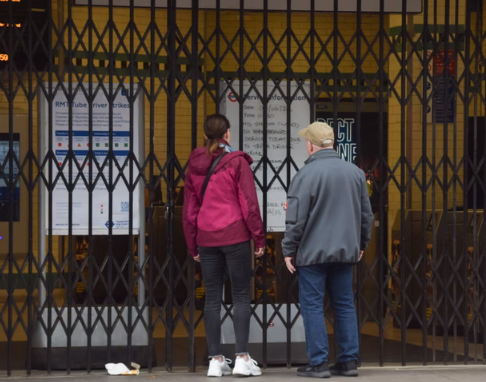
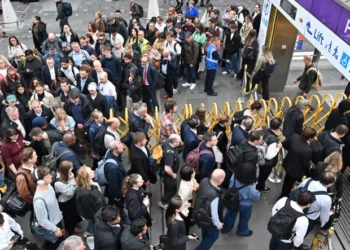
However, union leaders remain deeply skeptical of how these changes will be implemented. They fear the proposed shift could inadvertently lead to unfavorable shift patterns for staff. The industrial action has brought severe disruption to millions of ordinary commuters on Thursday. Passengers faced closed station gates and completely empty platforms during the busy morning rush. Large numbers of travelers were forced to seek alternative routes to their offices.
The impact of the strike is being felt very unevenly across different lines. Total closures have hit the busy Circle line and the lengthy Piccadilly line today. The central sections of both the Metropolitan and Central lines are also entirely suspended. Other vital lines managed to open much later than they normally do today. These lines will also finish their service significantly earlier than their standard timetables. Passengers on these routes are experiencing much longer waiting times between arriving trains.
Transport for London reported severe delays on several other key subterranean routes this morning. The District, Bakerloo, and Northern lines are all suffering from major operational backlogs. Minor delays are also rippling across the remaining active parts of the underground network. Commuters are facing crowded platforms and lengthy queues just to enter busy stations. Station staff are working hard to manage the growing crowds at major hubs.
Fortunately, several alternative rail options are running a completely normal service for passengers. The modern Elizabeth line is operating efficiently and carrying thousands of extra displaced travelers. The extensive London Overground and the automated Docklands Light Railway are also fully operational. National rail services into major London terminals are running smoothly without any strike disruption. However, these alternative trains are understandably much busier than they would normally be.
Surface transport is also experiencing heavy pressure as a direct result of closures. London buses are packed to maximum capacity with commuters trying to move around. The city roads are visibly more congested as people opt for taxis and cars. Traffic is moving at a snail’s pace through many central London junctions. Commuters are being warned to expect significantly longer journey times throughout the afternoon.
Transport officials have advised everyone to check live travel apps before starting journeys. However, data from Tuesday reveals a surprisingly resilient performance from the wider network. Most of the underground network actually managed to stay open during Tuesday’s initial action. A surprisingly high number of drivers bucked the union call and reported for duty. This unexpected turnout allowed authorities to run basic services on several key lines.
The proposed four-day week has created a fascinating divide between rival transport unions. The Aslef union represents just over half of all London underground drivers today. Aslef leaders have strongly welcomed the new four-day proposals from transport bosses. They believe the compressed hours offer a positive step forward for their members. In contrast, the RMT union has firmly blocked the exact same operational proposals.
This union split was reflected in the actual attendance figures recorded on Tuesday. Transport for London confirmed that sixty percent of all drivers worked their shifts. This high percentage strongly suggests many RMT members ignored the official strike call. They chose to work alongside their Aslef colleagues to keep London moving along. This internal division has somewhat weakened the overall impact of the union’s action.
The RMT has fiercely accused management of trying to force through these changes. They claim the new rosters will disrupt the personal lives of long-serving staff. Transport for London counters this by insisting the new four-day week is voluntary. No driver will be forced onto the new schedule against their personal wishes. Despite these assurances, the two sides remain deadlocked over the specific contractual details.
Official negotiations hosted by the conciliation service Acas collapsed entirely on Monday afternoon. No further formal talks have taken place between the warring parties since then. Both sides appear to be dug into their positions for the time being. A senior spokesperson for Transport for London expressed sincere gratitude to patient customers. They praised the resilience of Londoners who successfully navigated the disrupted network on Tuesday.
Official ticketing data shows that digital card taps only dropped by ten percent. This small decrease proves that the vast majority of people still traveled successfully. Londoners simply adapted their usual routines to overcome the difficult transport challenges they faced. They utilized different modes of transit to reach their destinations across the capital.
The detailed breakdown of contactless data reveals a fascinating shift in travel habits. Overall underground journeys fell by forty-one percent compared to a normal working Tuesday. However, passenger numbers surged dramatically on alternative networks managed by the transport authority. Buses and the Overground experienced a massive influx of extra riders during the day. The Elizabeth line also saw unprecedented demand from commuters traveling from east to west.
The transport spokesperson added that services ran on the majority of tube lines. The Jubilee line performed exceptionally well, running nearly ninety percent of its schedule. Officials are continuing to urge the RMT to return to the negotiating table. They want to resolve any remaining questions regarding the four-day week model. They believe a mutually agreeable solution can still be reached through constructive dialogue.
The city enjoyed a temporary reprieve from the travel chaos on Wednesday morning. Services returned to a completely normal schedule with no residual delays reported anywhere. Tracks and stations were fully staffed as the capital caught its collective breath. Commuters enjoyed a smooth and trouble-free journey to work for one brief day. This peaceful interlude was short-lived as Thursday brought the second walkout of the week.
The RMT union has officially declined to comment on the current situation today. They have not scheduled any further strike dates for the underground network currently. This lack of further action offers some hope to weary London transport users. Formal talks between the union and transport bosses are expected to resume next week. Both sides will hope to find a permanent solution to this damaging dispute. Until then, Londoners remain at the mercy of an unpredictable and divided transport network.
Related News:
 Reeves Faces Setback as Labour May Miss Homes Target
 Kate Winslet to Narrate Film Highlighting King’s Environmental Mission
 Trump’s UK Ambassador Urges North Sea Drilling to Strengthen US Ties
 UK Bans Fake Numbers: Scammers Lose Their Trick
 Millionaires group urge Reeves to introduce wealth tax to ‘lift kids out of poverty’
 Reeves rejects £1bn plea for NHS redundancy payouts
 PM Condemns Leaks, Vows Loyalty to Ministers and Stability
 Inside the Helpline Protecting Missing Children in the UK
 PlayStation PS5 Deals Hit Lowest Prices Ahead of Black Friday
 Five-Year-Old Dies After Rare Tonsil Surgery Complication
 Starmer Says Labour’s Economic Plan Needs Years to Deliver
 Starmer Faces Parliamentary Battles Over UK-EU ‘Reset’ Plan
 Met Police Vetting Failures Let Serial Rapists Remain
 Google Employee Claims Redundancy After Harassment Report
 Fatal Bolton Taxi Crash Claims Three Teens and Driver
 ScottishPower Tops List of Worst UK Energy Suppliers
 Judi Dench Champions Fight to Save London’s Green Spaces
 Crowborough Camp Welcomes First Asylum Seekers
 BBC Funding Crisis: Tim Davie Warns of Jeopardy Ahead
 Storm Chandra floods Somerset, triggers major incident declaration
 Artificial intelligence will cost jobs, admits Liz Kendall
 Older Women Vanish from BBC Screens, Review Confirms Bias
 Mandelson Faces Police Inquiry Over Epstein Leak
 Streeting moves on doctor pay to end strike dispute
 UK reports baby formula toxin poisoning cases across the country
 Morgan McSweeney downfall shocks Labour leadership
 Send spending gap leaves deprived areas behind
 Hidden Crisis: Domestic Abuse Suicide Toll in UK
 UK Unemployment Rate Climbs to 5.2% Peak
 Farage Unveils Reform UK Frontbench Team
 BBC World Cup Presenting Duties Shared Among Trio
 Placenta Accreta Warning as Hunt Urges Action
 Wales Approves Assisted Dying Bill Consent
 CPS Updates Guidance on Honour-Based and Dowry Abuse
 Rolling Hills and Heritage: A Car-Free Break in Leicestershire
 Corbyn Leads Your Party in Coordinated Left-Flank Strategy
 Asylum Seekers to Work After Year-Long Wait
 Starmer Row as Greens Demand Apology
 Major Fire Causes Chaos at Glasgow Central Station
 Gordon Brown urges court for crimes against children
 Inquiry into HMRC child benefit errors launched by NAO
 Farage Faces Backlash Over Crypto Cameo Endorsements
 Rising Costs Force Families to Rethink Days Out
 Sarah Mullally: The Solid Choice for Canterbury
 Scott Mills Sacked by BBC Over Personal Conduct Claims
 Palantir Boss Defends NHS Deal Amid Government Break Clause
 Police Chiefs Under Fire for Failing to Address Racism
 Relationship with Trump may be beyond repair, Starmer warned
 Unions Raise Concerns Over Doctors’ Pay Dispute
 UK Government Poised to Revive Stalled Hillsborough Law
 UK Staycations Rise as Travel Fears Grow
 Home Office Faces Legal Risks Over Asylum Hotel Living
 Official Admits Debate Over Mandelson Vetting Records
 Crisis in NHS Surgery Scheduling Hits Patients Hard
 Welsh Labour Faces Potential Historic Election Defeat
 Blue Badge Abuse: The Rising Tide of Public Hostility
 Scott Parker Leaves Burnley After Premier League Drop
 Silent Tracks: Rail Line Without Passengers
 RFU Backs Borthwick Despite England’s Poor Six Nations
 Major test for Labour as polls open in Great Britain
 Keir Starmer Struggles to Secure His Grip on Downing Street
 Farage Faces Standards Probe Over Cash Property Purchase
 Closing the Gap: UK Pensions Commission Demands Action
 Russian Electronic Attack Targets UK Defence Chief Jet
 UK Shoppers Face Prolonged Price Rises At Tills
 Tube Strike Brings Capital to a Standstill Over Shift Disputes
 Makerfield Voters Demand Real Change as Election Looms
 The Hidden Crisis Eroding Trust in British Communities
 Stolen Mobiles Could Soon Become Useless Bricks
 Clean Air Initiatives Spark Major Fall in London Hospital Admissions
 Shocking Zoo Incident Sparks Attempted Murder Probe
 The Hybrid School Revolution Defying the Social Media Ban
 UK Care Crisis: Row Explodes Over New Visa Settlement Rules
 Sainsbury’s Boss Optimistic As Grocery Inflation Eases
 NHS Urges Investigation For Irregular Periods
 US Airman Avoids British Court in Indecent Exposure Case
 Farage Warns Sky News Following Financial Inquiry
 Ann Widdecombe, Formidable Political Figure, Dies at 78
 UK Schools Struggle as Classrooms Top 40C
 Westminster Council Threatens Charing Cross Soup Kitchen