Published: 09 June 2026. The English Chronicle Desk. The English Chronicle Online.
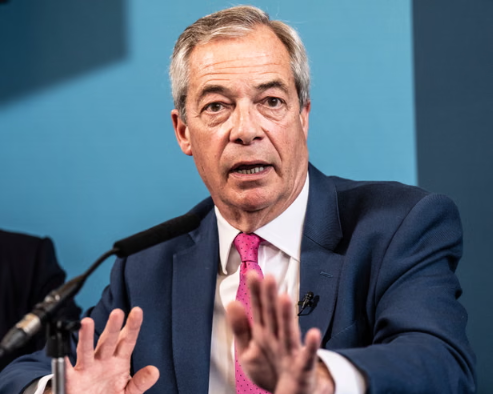
The political landscape in the United Kingdom experienced a dramatic and unexpected shift today. Nigel Farage issued a direct and unprecedented invitation to the nation’s major trade unions. The Reform UK leader formally asked these traditional bodies to affiliate with his party. This surprising move has sent significant shockwaves through the established British political structure. Farage suggested that a major union might already be considering this massive leap. He also invited union representatives to attend the upcoming Reform UK conference this autumn. The bold proposal represents a direct challenge to the Labour Party’s traditional base. For over a century, trade unions have provided bedrock support for British Labour. This new intervention aims to disrupt that long and deeply historic political alliance.
The response from the trade union movement was swift, fierce, and entirely uncompromising. High-profile leaders across the country immediately rejected the controversial overture from Reform UK. The Trades Union Congress led the charge with an incredibly scathing public statement. General Secretary Paul Nowak openly mocked the sudden political pivot by the right-wing party. He stated that Reform UK was simply cosplaying as genuine champions of working people. Nowak insisted that the party’s historical record contradicts its current pro-worker rhetoric. Other major unions quickly joined the chorus of intense criticism against Nigel Farage. Leaders from GMB, Unison, and Community all issued strong and highly coordinated rebuttals. They argued that the populist party fundamentally serves elite and corporate interests instead.
The timing of this political battle is both highly strategic and deeply calculated. Recent polling data indicates a surprising shift in sentiment among average union members. A comprehensive study by JL Partners revealed a striking tie in voter support. Both Labour and Reform UK captured twenty-eight percent of the union vote. This statistic reveals a growing undercurrent of dissatisfaction within traditional working-class communities. The poll specifically highlighted increased Reform UK popularity among Unite and GMB members. Farage is clearly attempting to capitalise on this shifting electoral tide right now. He claims his party represents the true voice of the working-class majority. This strategy aims to exploit perceived gaps between union leadership and rank-and-file workers.
Farage defended his bold approach during an extensive interview with The Times newspaper. He argued that current union bosses are actively mismanaging their vast financial resources. The Reform leader claimed that worker funds support policies members do not endorse. He pointed out that Reform UK now manages multiple influential local government councils. These specific local authorities employ tens of thousands of dedicated and unionised public servants. Farage listed bin collectors, social workers, care staff, and school support assistants as examples. He promised that his party would never treat organised labour with deep contempt. The Reform leader drew a sharp contrast with the traditional Conservative Party approach. He insisted his door remains completely open to all representatives of working people.
However, union leaders remain entirely unconvinced by these warm and welcoming political promises. Paul Nowak pointed directly to Farage’s long history of opposing crucial workplace protections. The Trades Union Congress chief highlighted past proposals to repeal the Equality Act completely. He argued that Reform UK intends to dismantle essential day-one sick pay rights. Nowak also warned that protection from fire-and-rehire practices would be severely weakened. He claimed the party would readily allow the expansion of zero-hours contracts. The union leader described the Reform funding structure as entirely corporate and elite. He alleged that cryptocurrency billionaires back the party to rig economic rules further. In his view, these wealthy donors do not care about ordinary working people.
Internal Trades Union Congress sources supported these strong claims with evidence from colleagues. They specifically highlighted past public comments made by senior Reform UK figure Andrea Jenkyns. The prominent politician openly admitted her deep dislike for traditional trade unions last year. Jenkyns had also launched fierce criticisms against the comprehensive Employment Rights Bill. Union officials argue these statements reveal the true ideological heart of the populist party. They believe the current friendliness toward organized labour is merely a temporary facade. Leaders insist that the party’s fundamental legislative record speaks much louder than words. They urge their members to look past the attractive and polished media campaign.
Andrea Egan, the general secretary of Unison, delivered another incredibly blistering public critique. She explicitly described Farage’s new invitation as a dangerous and deceptive political con. Egan claimed that Farage and his wealthy associates only care about union money. She insisted they do not believe in fair pay or basic workplace protections. The Unison leader stated that Reform politicians consistently vote against positive employment measures. She warned workers that aligning with Farage would actively damage their long-term interests. Egan emphasized that real worker solidarity cannot be bought by smooth-talking political opportunists. Her union remains firmly committed to resisting what she terms right-wing deception.
The GMB union took a similarly aggressive stance during their high-profile annual conference. General Secretary Gary Smith addressed delegates with a highly charged and passionate speech. He memorably described the members of Reform UK as merely rebadged Conservative politicians. Smith told journalists that Farage says one thing but does entirely another in practice. He pointed out that Reform members of parliament voted against vital statutory safeguards. The GMB leader accused the party of trying to stop workplace organization efforts. He specifically mentioned anti-union practices at major global corporations like Amazon online. Smith concluded that his union sees through the deceptive rhetoric of Reform UK.
The Community union, which represents thousands of traditional British steelworkers, was equally dismissive. Assistant General Secretary Alasdair McDiarmid branded the recent Farage intervention as completely farcical. He noted that Reform UK consistently votes against working-class interests in parliament. McDiarmid highlighted the party’s vocal rejection of the landmark Employment Rights Bill. This specific legislation was introduced by the Labour government to enhance worker protections. The Community union leader proudly reaffirmed his organisation’s historic affiliation with the Labour Party. He stated that Labour has championed British workers since its official founding in 1900. McDiarmid expressed absolute confidence that ordinary workers will easily see through Farage’s misrepresentations.
Despite this wall of official opposition, Farage is pressing ahead with his plan. He reiterated his open offer for trade unions to apply for Reform affiliation. The party wants to spark a broader debate about future British economic policy. Reform UK organizers hope to attract rebellious local union branches to their September conference. They believe a significant gap exists between elite union bosses and ordinary members. The party intends to exploit this friction to build a powerful populist coalition. This battle for the working-class vote will likely intensify in the coming months. The historic relationship between trade unions and British politics faces a complex new challenge.
Related News:
 Reeves Faces Setback as Labour May Miss Homes Target
 Kate Winslet to Narrate Film Highlighting King’s Environmental Mission
 Trump’s UK Ambassador Urges North Sea Drilling to Strengthen US Ties
 UK Bans Fake Numbers: Scammers Lose Their Trick
 Millionaires group urge Reeves to introduce wealth tax to ‘lift kids out of poverty’
 Reeves rejects £1bn plea for NHS redundancy payouts
 PM Condemns Leaks, Vows Loyalty to Ministers and Stability
 Stroke Patient Mistaken for Drunk, Care Delayed
 Inside the Helpline Protecting Missing Children in the UK
 Boots Showstopper Beauty Bundle Outshines Many Advent Calendars This Holiday Season
 PlayStation PS5 Deals Hit Lowest Prices Ahead of Black Friday
 Five-Year-Old Dies After Rare Tonsil Surgery Complication
 Starmer Says Labour’s Economic Plan Needs Years to Deliver
 UK unemployment rises to four-year high of 5.1% before budget
 Wiltshire Police Use Lasso to Catch Rampaging Village Goat
 Coasting Drinks: The Trend Redefining Alcohol Enjoyment This New Year
 Rising Hate Crimes Threaten Safety on UK Public Transport
 Starmer Faces Parliamentary Battles Over UK-EU ‘Reset’ Plan
 Met Police Vetting Failures Let Serial Rapists Remain
 Google Employee Claims Redundancy After Harassment Report
 Fatal Bolton Taxi Crash Claims Three Teens and Driver
 ScottishPower Tops List of Worst UK Energy Suppliers
 Judi Dench Champions Fight to Save London’s Green Spaces
 Crowborough Camp Welcomes First Asylum Seekers
 BBC Funding Crisis: Tim Davie Warns of Jeopardy Ahead
 Storm Chandra floods Somerset, triggers major incident declaration
 Artificial intelligence will cost jobs, admits Liz Kendall
 Older Women Vanish from BBC Screens, Review Confirms Bias
 Mandelson Faces Police Inquiry Over Epstein Leak
 Streeting moves on doctor pay to end strike dispute
 UK reports baby formula toxin poisoning cases across the country
 Morgan McSweeney downfall shocks Labour leadership
 Send spending gap leaves deprived areas behind
 Hidden Crisis: Domestic Abuse Suicide Toll in UK
 UK Unemployment Rate Climbs to 5.2% Peak
 Farage Unveils Reform UK Frontbench Team
 BBC World Cup Presenting Duties Shared Among Trio
 Placenta Accreta Warning as Hunt Urges Action
 Wales Approves Assisted Dying Bill Consent
 CPS Updates Guidance on Honour-Based and Dowry Abuse
 Asylum Seekers to Work After Year-Long Wait
 Inquiry into HMRC child benefit errors launched by NAO
 Rising Costs Force Families to Rethink Days Out
 Scott Mills Sacked by BBC Over Personal Conduct Claims
 Palantir Boss Defends NHS Deal Amid Government Break Clause
 Relationship with Trump may be beyond repair, Starmer warned
 UK Government Poised to Revive Stalled Hillsborough Law
 Home Office Faces Legal Risks Over Asylum Hotel Living
 Crisis in NHS Surgery Scheduling Hits Patients Hard
 Blue Badge Abuse: The Rising Tide of Public Hostility
 Scott Parker Leaves Burnley After Premier League Drop
 Silent Tracks: Rail Line Without Passengers
 RFU Backs Borthwick Despite England’s Poor Six Nations
 Major test for Labour as polls open in Great Britain
 Keir Starmer Struggles to Secure His Grip on Downing Street
 Fear and Betrayal: The Chilling Case of Kouri Richins
 Farage Faces Standards Probe Over Cash Property Purchase
 Closing the Gap: UK Pensions Commission Demands Action
 Sun and Jams: Britain Braces for a Sizzling Bank Holiday
 Russian Electronic Attack Targets UK Defence Chief Jet
 UK Shoppers Face Prolonged Price Rises At Tills
 Tube Strike Brings Capital to a Standstill Over Shift Disputes
 Labour Denies Benefit Tax Hike Amid Mandelson Leak
 Makerfield Voters Demand Real Change as Election Looms
 US Condemns ‘Two-Tier’ UK Policing After Student Murder
 Deepfake Abuse on X Sparks Safety Concerns for Dissidents
 Stolen Mobiles Could Soon Become Useless Bricks
 Clean Air Initiatives Spark Major Fall in London Hospital Admissions
 United Kingdom Politics Worse Now Than Before Brexit, Warns MP
 Russian Tanker Captain Remanded in UK Court After Channel Seizure
 Shocking Zoo Incident Sparks Attempted Murder Probe
 The Hybrid School Revolution Defying the Social Media Ban
 UK Care Crisis: Row Explodes Over New Visa Settlement Rules
 Sainsbury’s Boss Optimistic As Grocery Inflation Eases
 NHS Urges Investigation For Irregular Periods
 US Airman Avoids British Court in Indecent Exposure Case
 Farage Warns Sky News Following Financial Inquiry
 Ann Widdecombe, Formidable Political Figure, Dies at 78
 UK Schools Struggle as Classrooms Top 40C
 Westminster Council Threatens Charing Cross Soup Kitchen